
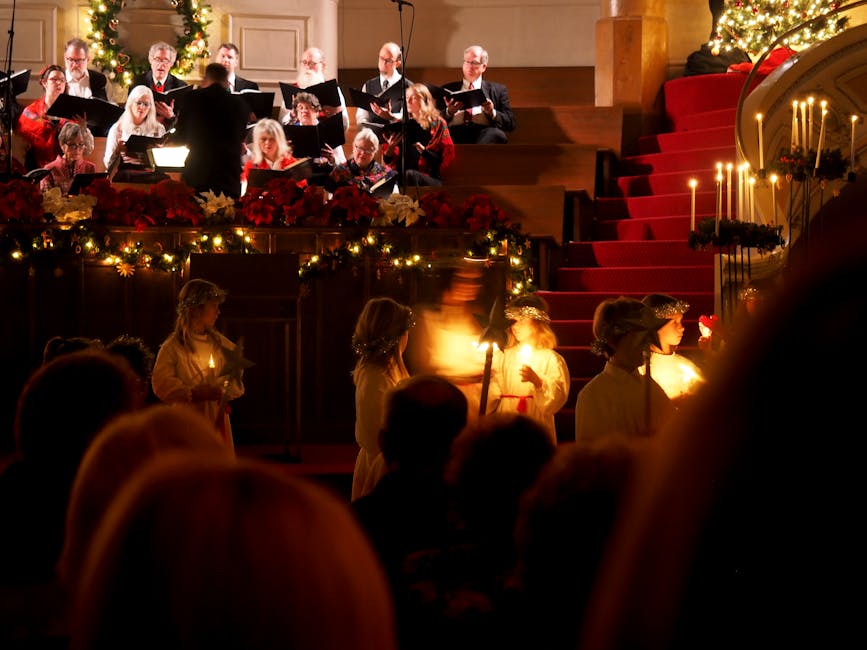
Choir Groups: Harmonizing the Heart of Christmas Through Music
The resonant chords of a well-trained choir are inextricably linked with the Yuletide spirit. For centuries, vocal ensembles have served as the primary conduits for spreading the profound joy and spiritual significance of Christmas through the universal language of music. From ancient carols sung in hushed cathedrals to vibrant community performances filling town squares, choir groups provide a tangible and deeply moving expression of the season’s core tenets: hope, peace, love, and the celebration of light in darkness. The collective power of human voices, meticulously blended in harmony, creates an auditory tapestry that evokes memories, stirs emotions, and fosters a sense of shared experience, making choir performances an indispensable element of the Christmas tradition. Their ability to translate abstract emotions into audible beauty allows listeners to connect with the intangible essence of Christmas on a visceral level, transcending cultural and personal differences. The meticulous rehearsal process, the dedication of individual singers, and the unifying vision of a conductor all culminate in performances that are more than mere entertainment; they are offerings of profound communal spirit and festive affirmation. The very act of singing together, of breathing as one and producing a unified sound, mirrors the ideal of togetherness that Christmas so strongly embodies. This article explores the multifaceted ways choir groups contribute to the Christmas experience, examining their role in preserving tradition, fostering community, enhancing spiritual reflection, and driving the economic and cultural vitality of the festive season.
The historical lineage of Christmas music performed by choirs is rich and deeply rooted. Early Christian celebrations adopted and adapted existing musical forms, eventually developing a distinct repertoire of carols and hymns. Medieval choirs, often associated with monastic orders and cathedrals, were instrumental in preserving and disseminating these sacred musical works. The tradition of congregational singing, while present, was often complemented and elevated by the more formally trained voices of choir members. These early ensembles were not merely performers but custodians of a growing musical heritage, ensuring that the narratives and theological underpinnings of Christmas were passed down through generations via song. The Renaissance and Baroque periods saw the further development of choral polyphony and the composition of elaborate sacred works, such as Handel’s "Messiah," which remains a cornerstone of Christmas concert programming worldwide. The precise vocal techniques and harmonic complexities of these eras demanded dedicated study and practice, solidifying the choir’s role as the primary vehicle for experiencing this grand musical tradition. The Reformation, while introducing new musical styles, also saw the continued importance of choral music, with composers like J.S. Bach creating monumental works that continue to define the Christmas soundscape for many. The evolution of musical notation and compositional techniques further empowered choirs to tackle increasingly intricate and emotionally resonant pieces, ensuring that the musical celebration of Christmas grew in depth and sophistication alongside the broader cultural understanding of the holiday. This historical trajectory highlights how choir groups have consistently been at the forefront of shaping and perpetuating the musical identity of Christmas.
Beyond historical preservation, choir groups serve as vital hubs for community engagement and social cohesion during the Christmas season. Local choirs, whether amateur or professional, bring people together from diverse backgrounds, united by a shared passion for music and the festive spirit. The collaborative nature of choral singing fosters a sense of belonging and mutual support among its members. The hours spent rehearsing, sharing musical challenges and triumphs, build strong interpersonal bonds that extend beyond the performance hall. For many, joining a Christmas choir offers a structured and enjoyable way to connect with their community during a time that can sometimes feel isolating. These groups often organize social events, caroling outings, and fundraising activities, further weaving themselves into the fabric of local life. The act of preparing and presenting a concert becomes a shared endeavor, a collective effort that culminates in a tangible gift to the wider community. This communal aspect is particularly potent during Christmas, a season that emphasizes togetherness and goodwill. The visible and audible presence of choir groups in public spaces—churches, shopping centers, community halls—acts as a constant reminder of the season’s festive atmosphere and encourages a shared sense of celebration. The energy generated by dozens or even hundreds of voices singing in unison can transform ordinary spaces into vibrant centers of festive activity, fostering spontaneous moments of shared joy and encouraging participation from bystanders.
The spiritual dimension of Christmas is profoundly amplified by the music performed by choirs. Many traditional Christmas carols and hymns are deeply religious, articulating the theological significance of the Nativity story. Choirs, through their interpretations, imbue these sacred texts with emotional weight and spiritual reverence, allowing listeners to connect with the profound message of hope and redemption at the heart of the Christian faith. Performances of works like "Silent Night," "O Holy Night," and the aforementioned "Messiah" offer moments of quiet contemplation and profound spiritual reflection amidst the often-frenetic pace of Christmas festivities. The careful attention to dynamics, phrasing, and vocal purity by a skilled choir can elevate these familiar melodies into deeply moving spiritual experiences, fostering a sense of awe and wonder. For individuals of faith, these performances can be a powerful form of worship and a reminder of the religious origins of the holiday. Even for those who do not share the same religious beliefs, the universal themes of peace, love, and hope present in this music can resonate deeply, offering solace and inspiration during a time of year that often encourages introspection. The ability of a choir to move an audience to tears or to inspire profound silence speaks to the power of their music to tap into something deeply human and universally spiritual. The performance of sacred Christmas music by a choir is not just a musical event; it is often a spiritual pilgrimage, guiding listeners through the narrative and emotional arc of the Christmas story.
The economic and cultural impact of choir performances during the Christmas season is substantial. Concert venues, from grand concert halls to local churches, experience increased attendance, benefiting not only the choirs but also the surrounding businesses. Ticket sales contribute to the sustainability of arts organizations and provide employment for musicians, technicians, and venue staff. Furthermore, the presence of vibrant choir scenes can enhance a region’s cultural appeal, attracting tourists and bolstering local pride. Many choir groups also engage in charitable activities, using their performances to raise funds for local causes, further demonstrating their positive societal contribution. The tradition of caroling, where choirs or smaller vocal ensembles go door-to-door or perform in public spaces, also creates a festive atmosphere that encourages consumer spending in commercial areas. The broader cultural impact extends to the preservation of intangible cultural heritage. By actively performing and promoting traditional carols and contemporary Christmas choral works, these groups ensure that this rich musical legacy continues to thrive and evolve. The annual recurrence of these performances solidifies their place in the cultural calendar, becoming anticipated events that mark the passage of time and the arrival of the festive season. The investment in choral music during Christmas is an investment in cultural vibrancy, community well-being, and the enduring power of shared artistic experience.
The meticulous process of preparing for Christmas performances is a testament to the dedication and artistry of choir groups. Months of rehearsals are invested in perfecting vocal technique, refining intonation, mastering complex harmonies, and interpreting the emotional nuances of each piece. Conductors meticulously guide their singers, shaping the overall sound and ensuring a cohesive and impactful performance. The choice of repertoire is also a critical element, balancing beloved traditional carols with newer compositions, often incorporating pieces from diverse cultural traditions to offer a broader representation of the Christmas spirit. The visual aspect of a choir performance also contributes to the overall experience, with carefully chosen attire and stage presence enhancing the mood and impact of the music. The commitment required from individual choir members, often balancing rehearsals with personal and professional commitments, highlights their passion and dedication to sharing the joy of Christmas through their voices. This commitment is mirrored in the audience’s anticipation and attendance, a reciprocal relationship that fuels the enduring popularity of choir performances during the holiday season. The synergy between the performers’ dedication and the audience’s reception is a powerful force that ensures the continued relevance and profound impact of choral music at Christmas. The technical skill involved, from breath control and vocal projection to accurate note articulation and blend, is honed through rigorous practice, transforming individual voices into a unified, expressive instrument capable of conveying profound emotion and narrative.
In conclusion, choir groups are indispensable architects of the Christmas experience. Their ability to weave together tradition, community, spirituality, and artistry creates a multifaceted celebration that resonates deeply with individuals and societies alike. Through their harmonious performances, choirs not only entertain but also educate, inspire, and unite, ensuring that the profound joy and enduring message of Christmas are not only heard but deeply felt. The collective power of voices raised in song at Christmas is a testament to the enduring human need for connection, beauty, and shared moments of profound significance. The future of Christmas celebrations will undoubtedly continue to be harmonized by the dedicated efforts of choir groups, who will continue to spread the timeless message of peace, hope, and goodwill through the unparalleled power of their music. Their continued presence and evolving repertoire ensure that the sound of Christmas remains a rich, multifaceted, and deeply moving experience for generations to come. The enduring appeal of choral music at Christmas lies in its ability to evoke a sense of nostalgia, to offer moments of profound emotional catharsis, and to foster a sense of collective identity and shared humanity, all of which are central to the spirit of the holiday season.

