The 2026 MTV Video Music Awards have officially cemented their status as a cultural juggernaut, drawing their largest audience in more than a decade. According to preliminary data, the ceremony averaged 8.43 million viewers across CBS and MTV, marking a significant 51 percent increase from the 5.6 million viewers recorded during the 2025 broadcast. This surge in viewership, which represents the highest engagement for the franchise since 2015, highlights the enduring power of live music television when paired with strategic sports programming.
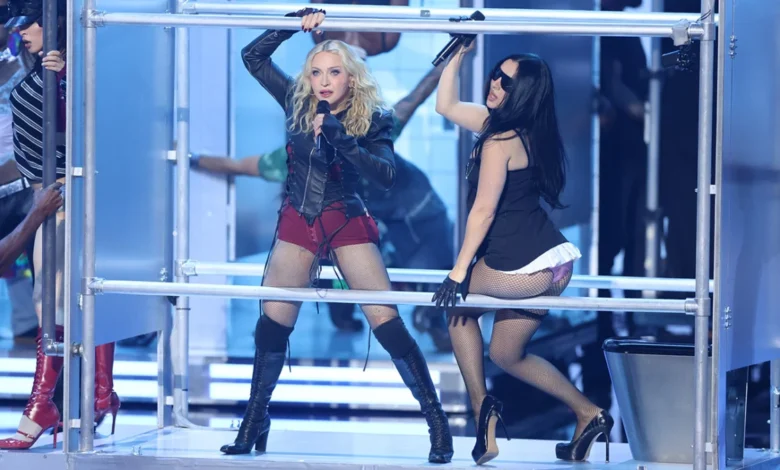
The broadcast, which aired on Sunday evening, peaked at a staggering 15 million viewers during the opening sequence, a performance featuring the iconic Madonna alongside contemporary stars Charli XCX and Sabrina Carpenter. This massive initial audience was largely bolstered by a strategic programming choice: the awards show aired immediately following a high-stakes NFL matchup between the Baltimore Ravens and the Dallas Cowboys. As the game concluded with a dramatic, last-minute field goal, millions of viewers remained tuned to CBS, providing the VMAs with an unparalleled promotional launchpad.
A Chronology of Success
The road to this year’s record-breaking numbers was paved by months of anticipation and a carefully curated production schedule. Planning for the 2026 event began in early spring, with MTV executives aiming to modernize the format while retaining the high-energy spectacle that defines the brand.
On the night of the ceremony, the timeline was structured to maximize retention. The opening act, featuring a high-octane collaborative set by Madonna, set an aggressive tone for the evening. Following the opening, the ceremony moved into a rapid-fire series of awards and tributes. Snoop Dogg, acting as the master of ceremonies, provided a steady hand, balancing the chaotic energy of the performances with humorous, polished transitions.
Midway through the broadcast, the show pivoted to honor legacy acts, including a poignant tribute to the late George Michael and a musical homage to country legend Dolly Parton. The pacing remained brisk, keeping audience attrition to a minimum compared to previous years. The evening culminated in the presentation of the Video Vanguard award to the legendary rock band Nirvana, a move that bridged the gap between legacy music fans and the younger, pop-centric demographic that MTV historically serves.
Detailed Audience Metrics and Demographics
While the headline figure of 8.43 million is impressive, the demographic breakdown offers a more granular look at the event’s success. MTV’s strategic shift toward multi-platform engagement has clearly paid dividends.
The 18-49 demographic, a key metric for advertisers, reached 2.66 million viewers—the highest tally for the show in eight years. Furthermore, the 25-54 age bracket saw 3.11 million viewers, a peak not seen since 2019. The 18-34 demographic, which is often the most difficult to capture in the streaming era, showed strong resilience with 1.09 million viewers, marking the best performance in this category since 2020.
The distribution of the audience remains heavily weighted toward traditional television. CBS accounted for 7.61 million viewers, demonstrating that network television remains the primary vehicle for mass-market cultural events. MTV’s simulcast contributed 686,000 viewers, while an encore presentation later in the night added another 142,000. These figures, while preliminary, indicate a robust return to form for the awards, even as the industry struggles with the broader trend of cord-cutting and audience fragmentation.
Artistic Achievements and Awards
The ceremony was not merely a ratings victory but also a significant night for musical recognition. Madonna emerged as the night’s biggest winner, securing seven awards, further solidifying her status as a pop culture fixture. Her opening performance with Charli XCX and Sabrina Carpenter is widely credited with securing the initial massive influx of viewers.
Taylor Swift continued her streak of industry dominance, winning Video of the Year for "The Fate of Ophelia." In a nod to her expanding career behind the camera, Swift was also honored with the inaugural Artist Director award. This new category was created to recognize musical artists who have demonstrated significant skill in directing their own music videos, signaling MTV’s commitment to acknowledging the intersection of music and filmmaking.
The NFL Factor and Programming Strategy
The symbiotic relationship between live sports and entertainment awards shows has become a cornerstone of modern television strategy. The 2026 VMAs followed a formula that has become increasingly common for major events: utilizing the massive, captive audience of a high-profile NFL game to ensure a massive starting viewership.
The 2025 broadcast also benefited from an NFL lead-in, which garnered 23.9 million viewers. However, the 2026 pairing of the Ravens and the Cowboys—a perennial television ratings titan—created a unique "event television" atmosphere that likely converted a higher percentage of football fans into music fans. Industry analysts suggest that the direct transition from the game-winning field goal to the opening performance of the awards created a seamless viewing experience that discouraged channel surfing.
Social Media and Digital Footprint
Beyond the linear television metrics, the 2026 VMAs dominated digital discourse. The awards generated 159 million video views across various social media platforms, an 8 percent increase over the previous year. This metric suggests that while television remains the primary home for the full experience, the show’s "viral moments"—such as the Madonna-Charli XCX collaboration and the Nirvana tribute—served as effective marketing tools that drove engagement far beyond the traditional broadcast window.
The social media strategy employed by MTV for this year’s show was aggressive, focusing on real-time clips and behind-the-scenes content that catered to the "second screen" experience. This digital ecosystem effectively turned the live broadcast into a conversation, keeping the event trending on major platforms throughout the night.
Broader Industry Implications
The success of the 2026 MTV Video Music Awards offers several insights into the current state of the entertainment industry. First, it underscores that live, large-scale events still hold significant value for advertisers and networks. In an era dominated by on-demand streaming, the "must-watch" nature of a live awards show, particularly one with high-profile musical performances, remains a unique commodity.
Second, the data confirms that the integration of sports and pop culture is a winning formula. By leveraging the immense reach of the NFL, MTV was able to bypass the decline in traditional cable viewership that has plagued other awards shows in recent years. This strategy will likely be scrutinized and emulated by other networks looking to bolster their live event programming.
Finally, the strong showing across multiple age demographics suggests that MTV’s efforts to balance heritage acts—such as Nirvana and Madonna—with modern pop stars like Charli XCX and Sabrina Carpenter were successful. By casting a wide net, the network managed to capture both the nostalgia of older viewers and the interest of younger, digitally native fans.
As the industry looks toward the next awards season, the 2026 VMAs will undoubtedly serve as a benchmark. Whether this momentum can be sustained in future years remains to be seen, but for now, the ceremony stands as a testament to the power of live production, star power, and the enduring, albeit evolving, influence of television. The challenge for MTV in 2027 will be to maintain this level of engagement without the guaranteed safety net of a major sporting event lead-in, or perhaps, to find new and innovative ways to keep the momentum going in a constantly changing media landscape.