The political landscape in Arizona has shifted toward a heated debate over water policy, economic regulation, and the cultural identity of the Grand Canyon State. As the midterm elections approach, a remark made by Democratic Attorney General Kris Mayes regarding the state’s abundance of golf courses has ignited a firestorm of criticism from Republican leadership, most notably State Senate President Warren Petersen. The exchange has transformed a technical discussion about long-term water conservation into a central campaign issue, highlighting the stark divide between administrative oversight and private industry freedom.
The Origin of the Dispute
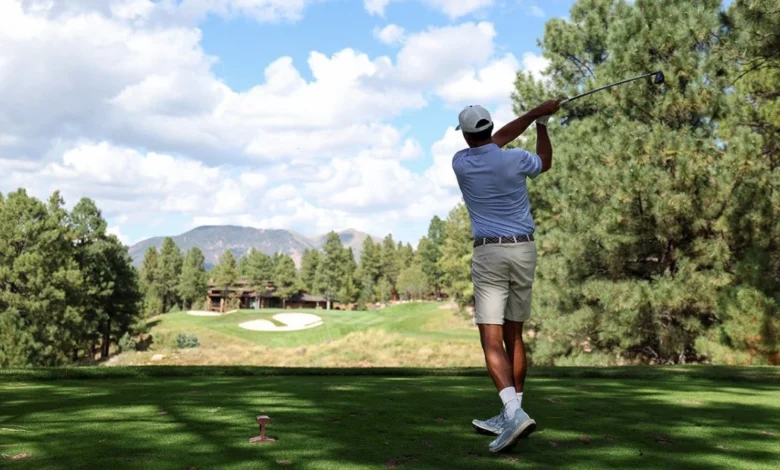
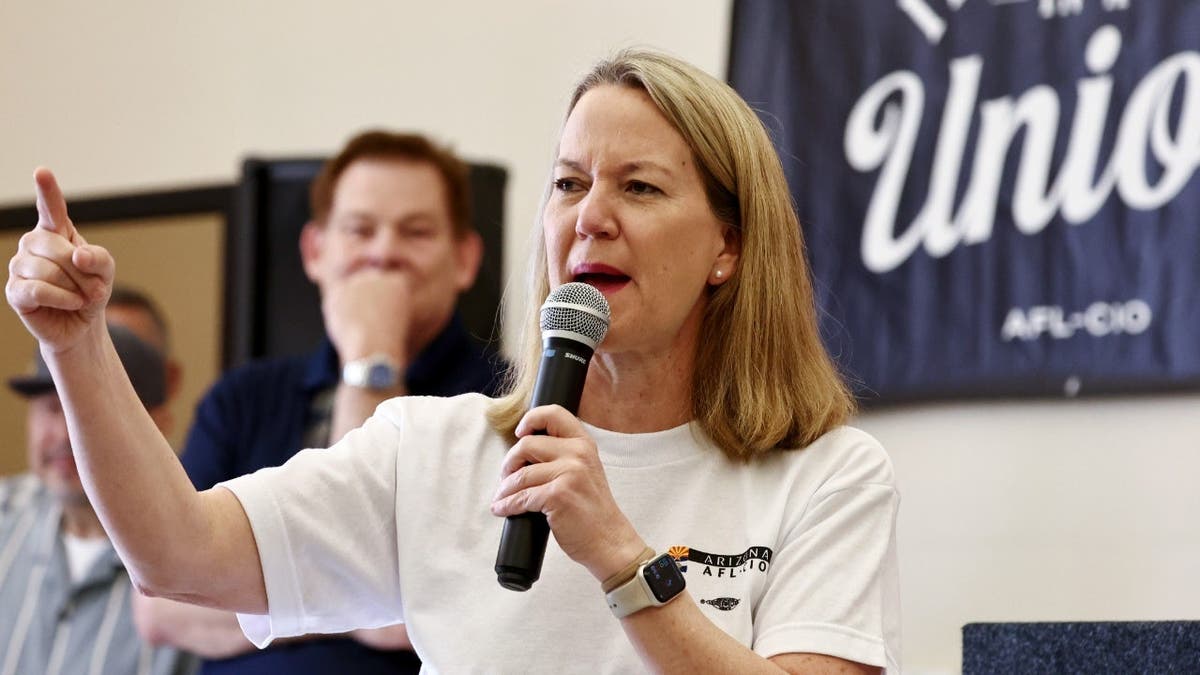
The controversy centers on comments made by Attorney General Mayes during a recent interview with Politico. While discussing the broader challenges of managing Arizona’s water supply in an era of rapid population growth and climate volatility, Mayes touched upon the visual and practical reality of desert landscape management. She remarked that Arizona possesses "way, way too much grass" and suggested that the state currently hosts an excessive number of golf courses.
The statement was framed by Mayes as part of a broader critique of water-intensive land use. However, the comments were almost immediately seized upon by Republican opponents, who framed them as an ideological attack on a vital segment of the state’s economy. Senate President Warren Petersen, a vocal critic of the current administration, led the charge in condemning the remarks, arguing that they represent a "radical" philosophy that seeks to empower government bureaucrats to dictate the survival of private industries.
Chronology of the Conflict
The tension between the two offices has been brewing for months, fueled by ongoing disputes over Colorado River allocations and the proliferation of water-heavy infrastructure projects, such as data centers.
- Mid-October: The Attorney General’s office issues warnings regarding a potential Supreme Court showdown over the Colorado River, emphasizing the need for drastic conservation measures across the basin.
- Late October: During an interview regarding the state’s water future, Mayes suggests that incentivizing the removal of lawns and curbing golf course expansion should be part of the state’s conservation strategy.
- Early November: The comments gain national traction. Senate President Warren Petersen releases a statement via social media and press releases, characterizing the remarks as a direct threat to the Arizona economy.
- Days Before Election: The debate reaches a fever pitch as business organizations, including the Arizona Chamber of Commerce, release data to counter the narrative, and political pundits analyze the potential impact on undecided voters.
Economic Impact of the Golf Industry
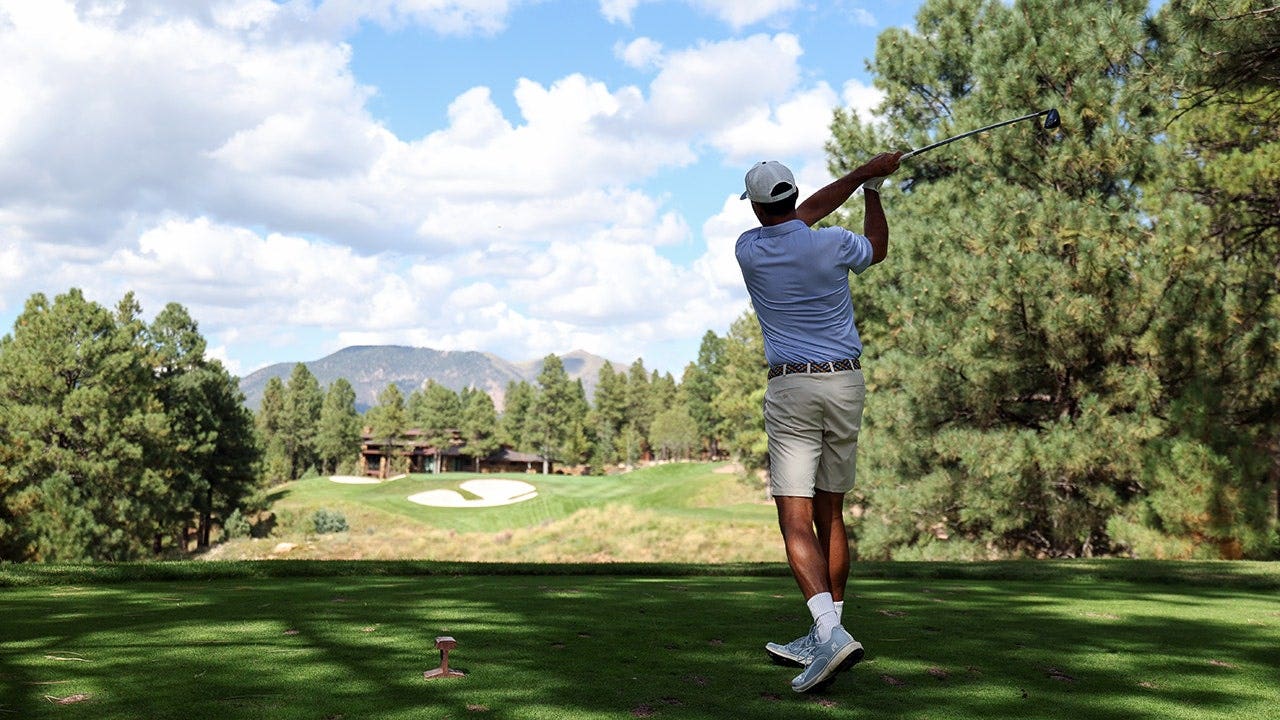
The backlash against Mayes was largely driven by concerns regarding the golf industry’s contribution to the state’s fiscal health. According to a 2023 report by the Arizona Alliance for Golf, the industry is a significant economic driver. The report highlights that golf-related activities in the state support approximately 66,000 jobs and contribute roughly $6 billion in economic impact annually. Furthermore, the industry generates about $2.3 billion in wages and provides $520 million in tax revenue to local and state governments.
Courtney Coolidge, Vice President of the Arizona Chamber of Commerce, noted that while the visual impact of "green grass" in a desert can be polarizing, the actual water consumption of golf courses is statistically modest when compared to the broader agricultural and municipal sectors. Industry figures indicate that golf courses collectively utilize 2% or less of Arizona’s total water resources, a point that critics of Mayes have repeatedly highlighted to undermine her policy stance.
Official Responses and Clarifications
In response to the mounting pressure, Attorney General Mayes sought to clarify her position, emphasizing that her comments were intended to stimulate a conversation about sustainable growth rather than to initiate a shutdown of the industry. Through a series of statements, she clarified, "Relax, nobody’s closing golf courses."

Mayes argued that her intent was to highlight the need for incentives that encourage both residential and industrial entities to reduce their reliance on water-intensive landscaping. She specifically pivoted the narrative toward "foreign mega-farms" and data centers, which she contends are the primary culprits in the state’s water drain. By shifting the focus to these entities, Mayes attempted to redirect the conversation toward her broader legal efforts to protect Arizona’s water rights from outside pressures and large-scale industrial consumption.
However, these clarifications have done little to appease her opponents. Senate President Petersen maintained his stance that the comments revealed a dangerous precedent. "Kris Mayes thinks Arizona has too many golf courses. I think Arizona has too many radical politicians who believe government should dictate which industries get to thrive," Petersen stated. He further accused the Attorney General of failing to prioritize her core responsibilities, such as consumer protection and law enforcement, in favor of engaging in social and environmental engineering.
Broader Political Implications
The dispute over golf courses serves as a microcosm for the larger political struggle in Arizona. As a key battleground state, Arizona has seen a significant shift in its demographics and its political identity. The Republican Party, led by figures like Petersen, is positioning itself as the defender of economic liberty and traditional industry, while Democrats like Mayes are campaigning on a platform of sustainability and the need for rigorous government management of scarce resources.
The political ramifications are twofold. First, the incident illustrates the power of social media to amplify "off-the-cuff" remarks into defining campaign issues. The viral nature of the commentary allowed Republican strategists to mobilize a base that feels threatened by government regulation. Second, the debate highlights the complexity of managing a state that is simultaneously a premier tourist destination and an arid environment facing long-term drought.
Independent analysts suggest that while the "golf course" issue may not be the deciding factor for the majority of the electorate, it has successfully forced a discussion about the limits of government power. For the Arizona business community, the rhetoric from the Attorney General’s office raises questions about the long-term stability of the regulatory environment. For the Attorney General’s supporters, the focus on water conservation is a necessary, albeit unpopular, step toward securing the state’s future.
Fact-Based Analysis of the Water Situation
Arizona’s water challenge is undeniably severe. The state relies on a complex network of reservoirs, aquifers, and Colorado River water rights. The ongoing drought has led to mandatory cuts for agriculture and municipalities. In this context, any industry that relies on irrigation is subject to increased scrutiny.
The data suggests that the golf industry has already made significant strides in conservation. Many courses have transitioned to reclaimed water and xeriscaping in non-play areas to mitigate their footprint. The argument from the business community is that the industry is already self-regulating to ensure its own survival. Conversely, proponents of stricter policy argue that voluntary conservation is insufficient and that the state needs a comprehensive, top-down strategy to ensure that water is allocated to the most essential uses.
As Election Day nears, the debate over "too much grass" will likely fade into the background as voters weigh broader issues of economic growth, inflation, and public safety. However, the incident remains a potent example of how quickly environmental policy can be weaponized in a hyper-partisan political environment. Whether the issue resonates with the broader electorate or remains a talking point for the base, it has undeniably left an imprint on the 2024 campaign, forcing both sides to refine their messaging on the delicate balance between environmental responsibility and economic vitality in the desert.