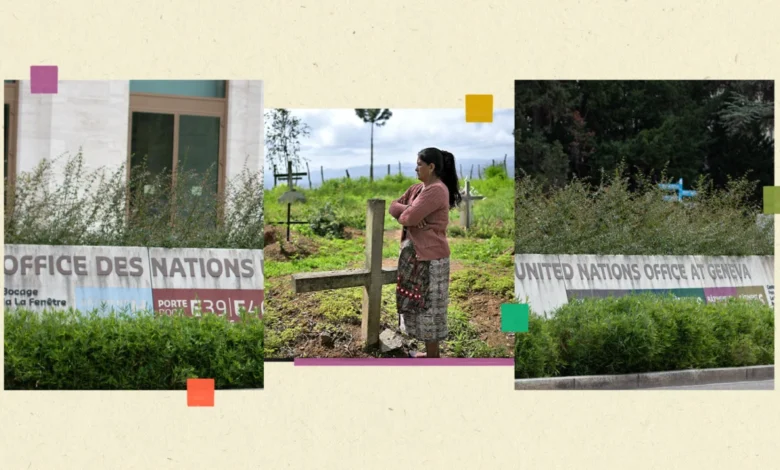
The Arctic is currently warming at a rate four times faster than the global average, a meteorological shift that is precipitating a humanitarian and cultural crisis for the Indigenous Sámi people. As temperatures in the northernmost reaches of the planet fluctuate, traditional life cycles—centered on reindeer herding and salmon fishing—are being pushed to the brink of collapse. This environmental degradation served as the somber backdrop for the recent gathering of the United Nations Expert Mechanism on the Rights of Indigenous Peoples (EMRIP) in Geneva, where hundreds of delegates from around the world converged to demand a fundamental shift in how the international community recognizes Indigenous sovereignty.
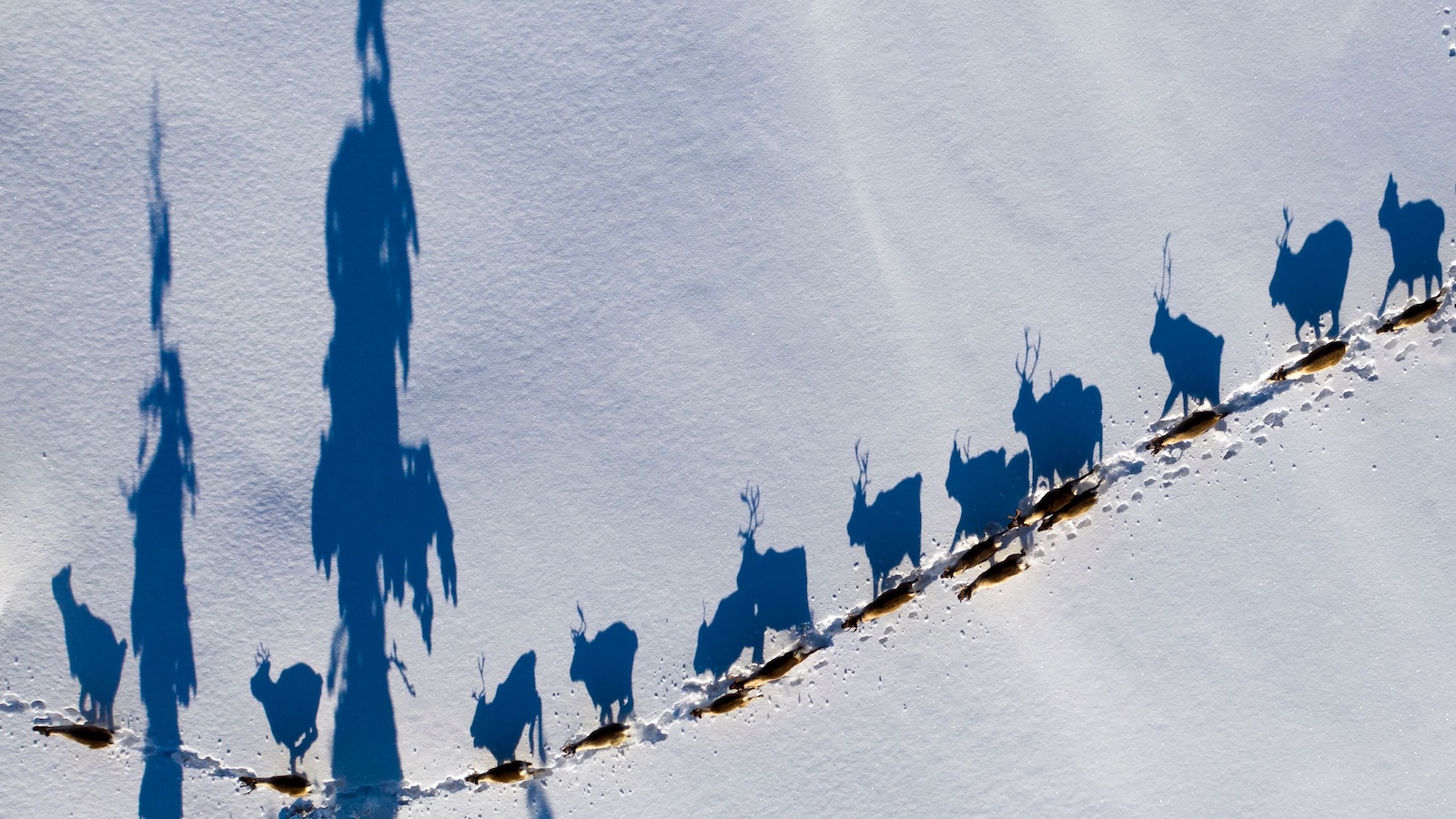
For the Sámi of Finland, Norway, Sweden, and Russia, the climate crisis is not a distant threat but a daily reality that compromises their access to vital resources used for food, clothing, and traditional implements. The accelerating cycle of melting and refreezing snow has created a phenomenon known as "rain-on-snow" events. These events result in a thick layer of impenetrable ice covering the tundra, preventing reindeer from grazing on the lichen beneath. The result has been mass starvation among herds, a trend that threatens the very foundation of Sámi culture. Tuomas Aslak Juuso, vice president of the Sámediggi, or Sámi Parliament of Finland, underscored the gravity of the situation during the Geneva summit, noting that the survival of their livelihoods and culture is now an open question.
The Structural Barriers to Indigenous Diplomacy
The primary grievance voiced by delegates in Geneva is the structural exclusion of Indigenous nations from the United Nations’ decision-making processes. Under the current U.N. framework, participation is largely restricted to two categories: recognized member states or accredited non-governmental organizations (NGOs). This binary system forces sovereign Indigenous nations—many of which have their own parliaments, legal systems, and treaties with colonial states—to participate as "civil society" entities or NGOs.
Indigenous advocates argue that this classification is a form of ongoing colonialism that diminishes their political status. Because they are not recognized as states, Indigenous representatives are often excluded from high-level negotiations where environmental policies and human rights standards are set. Instead, they must rely on the member states that often occupy their ancestral lands to represent their interests—a dynamic that many delegates described as a conflict of interest.
"What we are trying to do is to get some implementation resources for us to adapt to climate change," Juuso stated. He highlighted that in Finland, there are currently no specific adaptation resources provided to Indigenous communities to manage these shifting environmental conditions. To secure such resources, Indigenous nations argue they must have the "enhanced participation" status that would allow them to sit at the table as equals with national governments.
A Century of Advocacy: The Long Path to Representation
The demand for Indigenous representation at the international level is not a new phenomenon; it is a movement that has spanned over a century. To understand the current tension at EMRIP, it is necessary to look at the historical timeline of Indigenous diplomacy:
- 1923: Deskaheh, a leader of the Haudenosaunee (Iroquois) Confederacy, traveled to Geneva to seek recognition from the League of Nations, the precursor to the U.N. He was denied a hearing, as the League considered his grievances an internal matter for the British Empire and Canada.
- 1977: The International NGO Conference on Discrimination Against Indigenous Populations in the Americas was held in Geneva, marking the first major entry of Indigenous issues into the U.N. system.
- 2000: The U.N. Permanent Forum on Indigenous Issues (UNPFII) was established, providing a high-level advisory body to the Economic and Social Council.
- 2007: The General Assembly adopted the United Nations Declaration on the Rights of Indigenous Peoples (UNDRIP), which affirmed the right of Indigenous peoples to participate in decision-making in matters which would affect their rights.
- 2014: The World Conference on Indigenous Peoples resulted in an "Outcome Document" in which member states committed to considering ways to facilitate the participation of Indigenous peoples’ representative institutions at the U.N.
Despite these milestones, the "enhanced participation" promised in 2014 has yet to be fully realized. Kenneth Deer, a member of the Mohawk Nation of Kahnawà:ke and a veteran of international Indigenous advocacy, noted that the U.N.’s accreditation process remains an improvisation. "For us, as a representative institution, there isn’t actually any clear path to accreditate ourselves," Deer said, emphasizing that Indigenous nations should not have to "find ways" to fit into a system that was built without them.
Discrepancies in State Reporting and Human Rights Realities
One of the most significant arguments for direct Indigenous participation is the perceived lack of transparency from member states. Kym Hamilton, representing the National Iwi Chairs Forum of Aotearoa New Zealand, which represents 87 tribes, pointed out the discrepancies often found in the U.N.’s Universal Periodic Review (UPR). The UPR is a process where all 193 U.N. member states undergo a review of their human rights records every four and a half years.
"Governments don’t always tell the truth," Hamilton remarked, noting that official state reports often gloss over systemic failures or human rights violations within their jurisdictions. When Indigenous peoples are forced to speak through or alongside the states that are the subjects of these reviews, the truth of the situation on the ground can be obscured. Hamilton and other delegates are calling for an independent and transparent accreditation mechanism that would prevent states from exercising a "veto" over which Indigenous representatives are allowed to speak.
The need for this independence is echoed by Mark Macarro, President of the National Congress of American Indians (NCAI). He argued that Indigenous participation must accommodate the diverse ways in which these communities identify and organize themselves. Without direct participation, Macarro warned, matters of global concern—including health, the environment, and unique Indigenous rights—will continue to be managed by parties that do not fully understand or prioritize Indigenous perspectives.
The Digital and Financial Divide
Even if structural barriers were removed, Indigenous delegates highlighted a secondary tier of obstacles: resource scarcity. Participating in international forums in Geneva or New York requires significant financial capital, which many under-resourced Indigenous communities lack. The U.N. Voluntary Fund for Indigenous Peoples, designed to bridge this gap, is currently facing budget shortfalls, further limiting the diversity of voices at the table.
Furthermore, the "digital divide" remains a hurdle. In remote Arctic regions or isolated tropical forests, the telecommunications infrastructure required to participate in virtual U.N. deliberations is often non-existent. This creates a situation where only the most well-funded or geographically accessible Indigenous groups can make their voices heard, leaving the most vulnerable communities further marginalized.
Sheryl Lightfoot, the North America region member for EMRIP and an Anishinaabe expert in global politics, noted that resistance to Indigenous recognition is actually increasing in some parts of the world. In Africa and Asia, many states refuse to even acknowledge the existence of Indigenous populations within their borders, fearing that such recognition would grant these groups rights to land and resources that the state wishes to exploit.
Environmental Stewardship vs. Economic Growth
At the heart of the push for enhanced participation is a fundamental clash of values regarding the environment. Indigenous delegates consistently argued that national governments prioritize short-term economic growth over long-term ecological stability. Because Indigenous peoples hold a unique relationship with their ancestral lands—often protecting 80 percent of the world’s remaining biodiversity despite making up only 5 percent of the global population—they view themselves as essential guardians of the planet’s future.
"We’ve got to try and balance immediate economic interests with longer-term environmental protections," said Kym Hamilton. She framed the struggle as a generational responsibility: "I think we’ve got a responsibility to protect our descendants."
The delegates at EMRIP suggested that the U.N. system itself would benefit from a more robust Indigenous presence. By incorporating Indigenous traditional ecological knowledge into global climate policy, the international community might find more effective solutions to the warming crisis. However, this requires a shift from viewing Indigenous peoples as "vulnerable groups" to viewing them as "sovereign partners."
Conclusion: The Urgency of Now
As the week-long session in Geneva concluded, the sense of urgency among delegates was palpable. The accelerating rate of Arctic warming and the global biodiversity crisis have made the "long fight" for representation a matter of survival. The recommendations put forward by EMRIP include a clear timeline for creating a new participatory status for Indigenous institutions and the appointment of Indigenous and state representatives with equal standing to lead the transition.
For leaders like Kym Hamilton, the goal is to ensure that future generations do not have to endure the same bureaucratic battles. "We don’t want our grandchildren’s grandchildren to have to keep coming here and doing this stuff," she said. The question for the United Nations is no longer whether Indigenous peoples deserve a seat at the table, but how much longer the international community can afford to keep them waiting. Without their direct involvement, global efforts to combat climate change and protect human rights remain incomplete, hampered by the very colonial structures the U.N. was ostensibly designed to transcend.