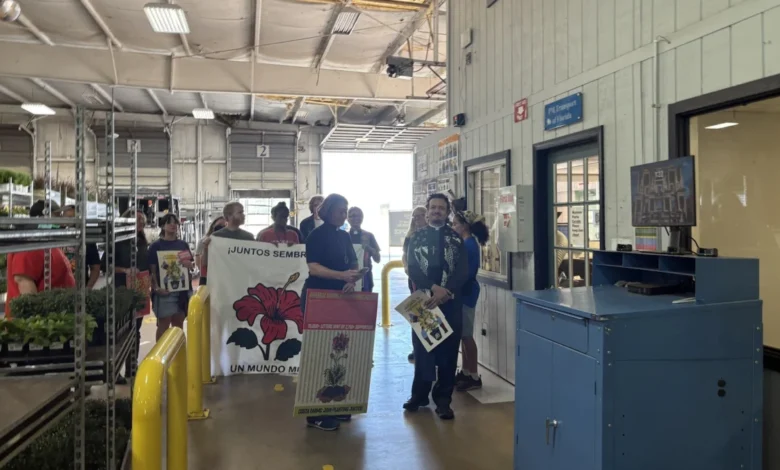
On the day following Labor Day, a coalition of labor advocates and community organizers descended upon a sprawling plant nursery in Leicester, North Carolina, marking a coordinated, multi-state effort to force a reckoning within the indoor horticulture industry. The group, led by figures such as Episcopal clergy member Oscar Rozo, marched past the gates of a Costa Farms facility, seeking to deliver a petition that demands fundamental protections for those who labor in the company’s steamy, climate-controlled greenhouses. While the sun beat down on the rows of houseplants destined for retail shelves across the nation, the demonstration underscored a growing disconnect between the serene aesthetic of indoor greenery and the arduous, often hazardous, conditions faced by the laborers who nurture them.
The action was part of a broader campaign spearheaded by WeCount, a worker-led human rights organization. The campaign, titled "Planting Justice," targeted five different U.S. cities where Costa Farms operates, signaling a significant escalation in the struggle for heat-related labor standards. As the activists navigated the hallways of the North Carolina facility, they were met with silent, curious glances from workers—a reflection of the precarious position these laborers occupy within the agricultural sector.
A Legislative Landscape of Stalled Protections
The urgency behind the Planting Justice campaign is rooted in a worsening climate crisis that is disproportionately affecting outdoor and greenhouse workers. Since 2021, WeCount has been at the forefront of advocacy efforts for workers exposed to extreme heat. Their work previously focused on securing municipal heat standards in Miami-Dade County, Florida, where models suggest that extreme heat events could lead to a 600-person spike in heat-related fatalities.
However, these advocacy efforts faced a major legislative roadblock in 2024. Following pressure from industry interest groups, Florida Governor Ron DeSantis signed legislation preempting local governments from enacting their own heat-exposure regulations. The governor’s administration argued that a patchwork of local regulations would create "a lot of problems" for business operations. This preemption has effectively silenced local efforts to mandate water, shade, and rest breaks, leaving workers in a regulatory vacuum.
The situation is mirrored at the federal level. For years, labor advocates have lobbied the Occupational Safety and Health Administration (OSHA) to establish a comprehensive federal heat standard. While the Biden administration initially signaled progress toward such a rule, those efforts have faced significant delays and political opposition in Congress. The failure to secure federal mandates leaves agricultural workers, who are already excluded from federal collective bargaining protections under the National Labor Relations Act, uniquely vulnerable. According to public health data, agricultural workers are more than 35 times more likely to die from heat-related illnesses than workers in other sectors, yet they remain one of the least protected labor populations in the United States.

The Worker-Driven Social Responsibility Model
WeCount’s current strategy is heavily modeled after the Fair Food Program, an initiative pioneered by the Coalition of Immokalee Workers in 2015. This "worker-driven social responsibility" (WSR) model is widely regarded by labor experts as the gold standard for agricultural labor protections. Unlike traditional top-down regulation, the WSR model requires corporations to enter into binding agreements that grant workers a seat at the table.
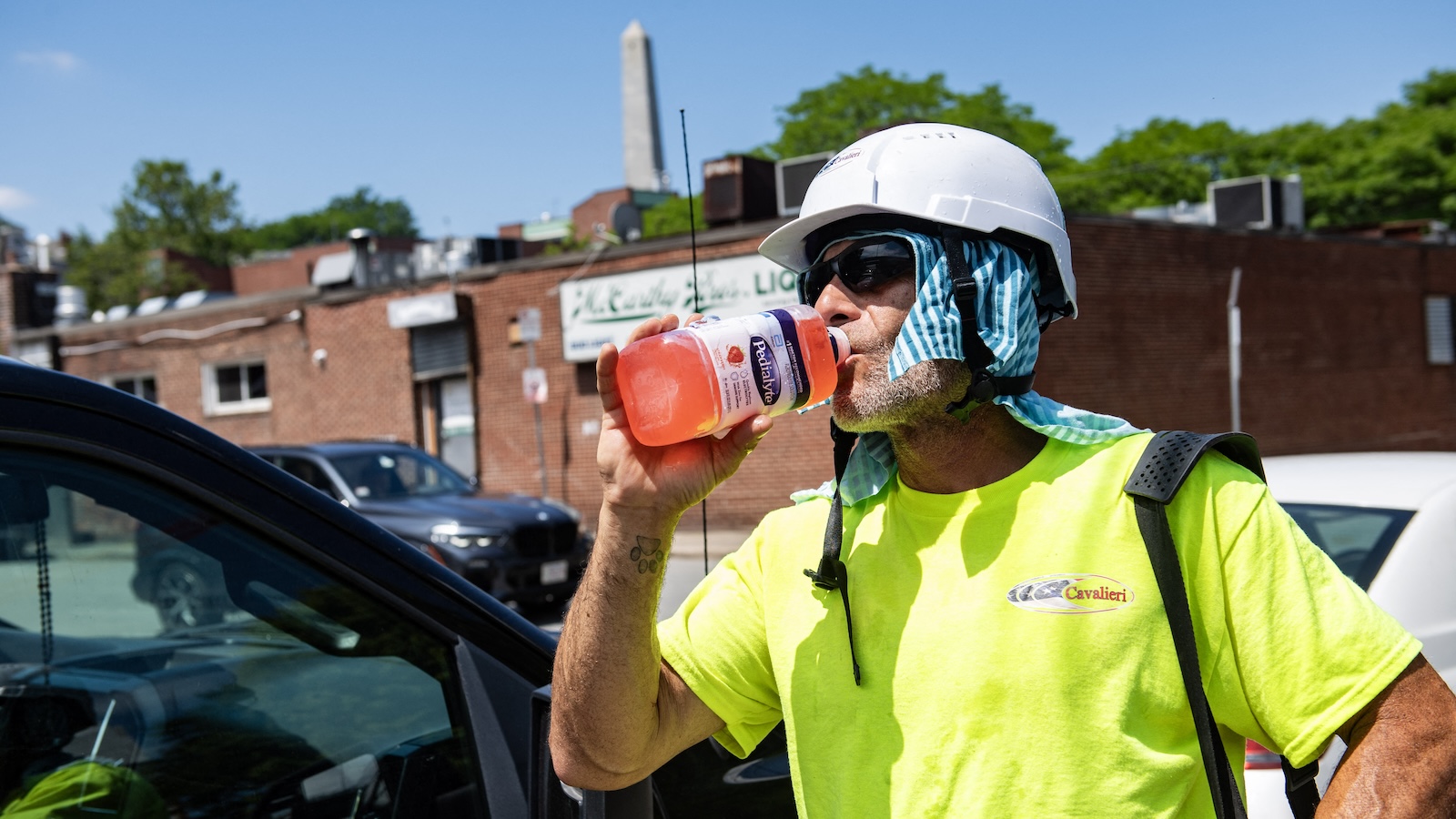
Under the Fair Food Program, workers are empowered to monitor conditions and report violations directly to an independent oversight body. The success of this model is evidenced by the program’s evolution; in 2024, participating workers successfully negotiated for the mandatory provision of electrolyte beverages throughout the year, recognizing that access to simple water is often insufficient for those performing high-intensity labor in extreme temperatures.
Oscar Londoño, co-executive director of WeCount, views the current actions as a pivotal moment. "We know that every year this crisis is getting worse," Londoño noted during a recent demonstration in Florida. "But increasingly, legislative avenues are more and more limited. We are creating a new path through market-based pressure."
Corporate Stance and Operational Reality
In response to the protests and the formal petition, Costa Farms issued a statement defending its current labor practices. Ariana Cabrera de Oña, the company’s senior vice president and head of human resources, emphasized that the firm has received accolades for its workplace safety programs. "We have a full-time, on-site nurse with a functional medical clinic, and our robust heat protection policy is aligned with the proposed OSHA heat safety rules," she stated.
The company pointed to recent enhancements in its safety protocols, including daily five-minute "safety huddles" implemented following the devastation caused by Hurricane Helene in North Carolina. According to company documents, these meetings are intended to educate supervisors and staff on potential health risks and weather forecasts. Furthermore, the company asserts that it provides increased break frequency and additional hydration stations when "wet bulb" temperatures—a measurement that accounts for both heat and humidity—cross certain thresholds.
However, the accounts provided by workers directly contradict the narrative presented by corporate management. Alejandro Gonzales, a Costa Farms employee originally from Guatemala, shared his experience at a recent rally, describing summer temperatures in the greenhouses that frequently exceed 110 degrees Fahrenheit. "They don’t give us cold or clean water," Gonzales said. "They don’t provide any breaks or shade."
The disparity between corporate policy and workplace experience is a central theme of a recent WeCount survey. Among Costa Farms workers who participated, 86 percent reported experiencing dangerous incidents, including heat exhaustion, chemical exposure from pesticides, and other workplace accidents. Perhaps most concerning is the finding that over two-thirds of respondents claimed they were entirely denied designated breaks or days off. The vulnerability of these workers is exacerbated by their legal status; many are employed under H2-A visa programs or are undocumented, making them inherently dependent on their employers for housing and basic necessities, which effectively stifles their ability to report grievances without fear of retaliation.
Broader Implications for the Retail Supply Chain
The Planting Justice campaign is not solely focused on Costa Farms; it is a strategic effort to influence the entire supply chain of the houseplant industry. By targeting retailers such as Home Depot and IKEA—major buyers of Costa Farms products—WeCount aims to force a shift in corporate procurement policies. The goal is to move beyond voluntary compliance and mandate that all suppliers adhere to a strictly monitored code of conduct.
This strategy forces a difficult question for major retailers: what is the true cost of a $15 houseplant? If a product is grown under conditions that jeopardize human life, retailers may eventually face consumer backlash or legal liability as public awareness grows.
The incident in Leicester, which ended with management asking the demonstrators to leave the premises, is likely only the beginning of a sustained campaign. As the climate continues to warm, the necessity for a standardized approach to worker protection becomes a matter of life and death. The petition delivery serves as a symbolic marker in a much longer, more complex struggle to align the booming indoor plant industry with the principles of human rights and labor justice.
As the regulatory environment in states like Florida continues to tilt against worker protections, the role of community-based organizations like WeCount becomes increasingly critical. Whether these corporate entities will choose to adopt the WSR model voluntarily or whether they will be forced to do so by the collective pressure of their retail partners and the public remains the defining question of the next stage of this campaign. For now, the workers in the greenhouses continue to labor in the heat, waiting for the gap between corporate policy and the reality on the ground to close.