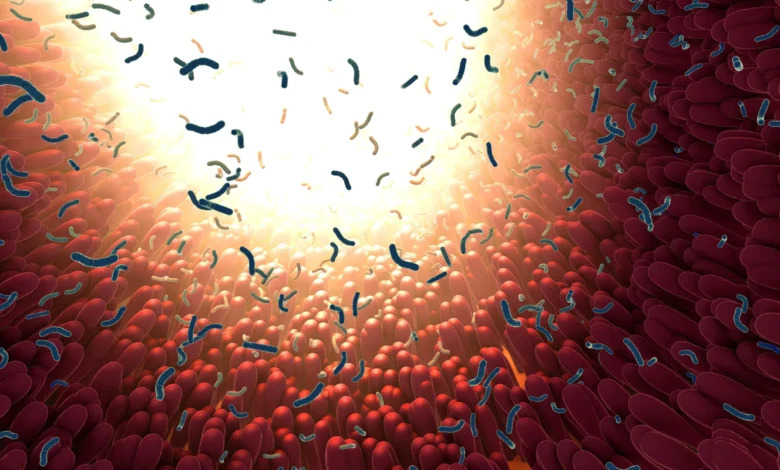
Scientists at the University of Hawaiʻi at Mānoa have uncovered a surprising and significant connection between the vast ecosystem of bacteria residing in the human digestive tract and the speed at which the human body undergoes biological aging. Published in the peer-reviewed journal Scientific Reports, the investigation demonstrates that variations in gut bacterial communities account for approximately 15 percent of the overall variance observed in participants’ biological aging rates. This groundbreaking discovery suggests that the human microbiome—the trillions of microorganisms inhabiting the gastrointestinal system—may serve as a crucial window into molecular aging, offering fresh insights into how our bodies deteriorate or maintain resilience over time.
The research team, anchored by investigators at the UH Mānoa John A. Burns School of Medicine, evaluated biological measurements that diverge fundamentally from standard chronological age. While chronological age merely tracks the passage of time since birth, biological age assesses the cumulative physiological wear and tear on cells, tissues, and organ systems. By examining blood and stool samples from a diverse cohort of 123 adult participants across a broad spectrum of ages, the researchers were able to draw direct correlations between specific microbial profiles and the pace of molecular aging.
The Methodological Approach and Biomarker Analysis
To gauge biological aging with precision, the research team utilized DunedinPACE, an advanced epigenetic and blood-based biomarker designed to measure the rate at which an individual’s body is aging relative to their chronological years. Developed in recent years by aging researchers, DunedinPACE functions like a biological speedometer, capturing the systemic deterioration of physiological systems rather than static historical time.
Participants in the study provided comprehensive biological specimens, allowing researchers to sequence and map the complex microbial communities within the gut. When comparing the microbiome data against the DunedinPACE scores, clear patterns emerged. The statistical models revealed that differences in the composition of gut microbiota accounted for nearly 15 percent of the variance in biological aging rates among the study cohort.
Within this microbial landscape, certain bacterial species stood out due to their pronounced statistical association with either accelerated or decelerated aging. Specifically, Bifidobacterium adolescentis—a well-known bacterium often associated with healthy fermentation and gut homeostasis—ranked among the microbes most strongly linked to slower biological aging. Conversely, Succinivibrio dextrinosolvens emerged as one of the species most heavily correlated with faster biological aging. These distinct microbial signatures indicate that the presence or absence of specific taxa may signal how rapidly an individual’s physiological systems are declining.
Contextualizing the Microbiome in Modern Longevity Research
The pursuit of understanding human longevity has increasingly shifted from purely genetic determinism toward environmental and lifestyle factors, often collectively termed the exposome. The human gut microbiome occupies a unique nexus within this framework, acting as a dynamic intermediary between the external environment and internal human biology.
Unlike the human genome, which remains largely fixed from conception, the microbiome is remarkably plastic. It responds dynamically and rapidly to dietary shifts, pharmacological interventions, stress levels, sleep patterns, and geographic relocations. This malleability has transformed microbiome research into a cornerstone of precision health—a medical discipline dedicated to tailoring health and wellness interventions to individual physiological profiles.
The integration of diverse populations into this study represents a notable advancement in epidemiological research. The cohort examined by the UH Mānoa team included Native Hawaiian and Pacific Islander participants, demographics that have historically faced systemic underrepresentation in biomedical research, longevity studies, and microbiome databases. By broadening the demographic scope, the researchers were able to capture a wider array of lived experiences, socioeconomic factors, and environmental exposures that inevitably shape both gut health and long-term biological trajectories.
Expert Perspectives and Official Reactions
The implications of the study have drawn attention from researchers and public health analysts alike, highlighting the growing synergy between gastroenterology, molecular biology, and gerontology.
"This study advances our understanding of the relationship between the gut microbiome and biological aging," said senior author Alika K. Maunakea, a researcher at the John A. Burns School of Medicine. "We found that microbial patterns in the gut were significantly associated with molecular measures of aging, even independent of chronological age. These findings open important new directions for understanding how modifiable biological systems influence long-term health trajectories and longevity."
Maunakea and his colleagues emphasize that while the associations are robust and statistically significant, the study is observational and does not establish definitive causality. The presence of Bifidobacterium adolescentis in slower-aging individuals does not automatically prove that introducing this bacterium via probiotics will reverse or arrest the aging process. Nonetheless, the correlation provides a compelling hypothesis that microbial modulation could eventually become a tool in preventive medicine.
Lead author Braden P. Kunihiro underscored the potential utility of the microbiome as an indicator of physiological resilience. "The gut microbiome is highly responsive to lifestyle, diet, environment, and other everyday exposures," Kunihiro noted. "Our findings suggest that the microbiome may reflect important aspects of biological resilience and aging in ways that could eventually help inform future wellness and healthy aging strategies."
Co-author Ruben Juarez expanded on the sociological and environmental dimensions of the research, pointing out the value of including historically underserved populations. "The microbiome exists at the intersection of behavior, environment, and human biology," Juarez stated. "Studies like this help illuminate potential pathways through which lived experiences and social factors influence long-term health outcomes."
Chronology of Scientific Milestones in Microbiome and Aging Research
The intersection of gut microbiota and aging is a relatively young field that has accelerated rapidly over the past two decades, driven by advancements in genomic sequencing technologies.
- Mid-2000s: Initial metagenomic initiatives, such as the Human Microbiome Project, begin mapping the diverse microbial communities inhabiting healthy human bodies, establishing baseline data for future disease and aging correlations.
- 2010s: Researchers begin publishing studies linking gut dysbiosis—an imbalance in microbial communities—to age-related chronic conditions, including cardiovascular disease, type 2 diabetes, and neurodegenerative disorders. Studies involving animal models demonstrate that fecal microbiota transplants from young mice to old mice can rejuvenate certain physiological markers.
- Early 2020s: The development of advanced biological aging clocks, such as DNA methylation measures and DunedinPACE, allows scientists to quantify the pace of human aging with unprecedented accuracy.
- Recent Developments: Investigators begin directly pairing microbiome sequencing with human biological aging clocks. Studies increasingly focus on centenarians, noting distinct gut microbial profiles characterized by high diversity and anti-inflammatory metabolic outputs.
- Current Study (Scientific Reports): The UH Mānoa research team quantifies the specific contribution of gut bacteria to human biological aging variance (approximately 15%) while intentionally incorporating underrepresented Pacific Islander and Native Hawaiian populations into the analytical framework.
Broader Implications and Future Horizons
As the global population ages, public health systems face mounting pressure to address the economic and social burdens of age-related morbidity. The traditional medical paradigm has often focused on treating chronic diseases after clinical onset. In contrast, the science of healthy aging—or geroscience—seeks to target the fundamental biological mechanisms of aging itself, thereby compressing morbidity and extending healthspan (the period of life spent in good health).
The discovery that gut microbes correlate with molecular aging rates opens several potential avenues for future clinical and lifestyle interventions. If subsequent interventional trials can demonstrate causality—proving that specific dietary modifications, prebiotics, probiotics, or targeted microbial therapies can favorably alter biological aging clocks—the microbiome could become a primary target for longevity medicine.
However, researchers urge caution against premature commercialization or unverified claims. The supplement industry frequently markets generalized probiotics claiming to reverse aging or restore youthfulness, yet the scientific consensus emphasizes that microbiome configurations are highly individualized. What promotes resilience in one person may have neutral or even adverse effects in another, depending on baseline host genetics, diet, and existing intestinal enterotypes.
Moving forward, the research team at the University of Hawaiʻi plans to conduct longitudinal studies to track how changes in the microbiome over time correspond with shifts in biological aging markers. These future investigations will aim to isolate specific biochemical pathways—such as the production of short-chain fatty acids, neurotransmitters, and metabolites by gut bacteria—that communicate directly with human host cells to influence cellular maintenance and repair.
Until causal mechanisms are fully mapped, the findings serve as a powerful reminder of the intricate symbiosis between humans and the microscopic ecosystems residing within them. By demonstrating that our biological age is inextricably linked to the unseen populations in our digestive tracts, the research underscores the profound impact of daily environmental and lifestyle choices on the fundamental trajectory of human life.