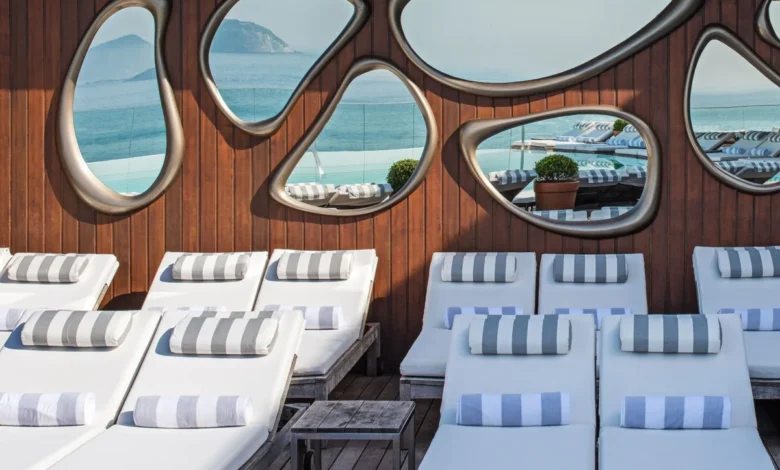
Rio de Janeiro continues to stand as one of the most culturally vibrant and geographically unique metropolises in the world. Framed by dramatic granitic peaks, lush Atlantic forests, and the vast expanse of the Atlantic Ocean, the city offers a lifestyle where urban development and natural splendor coexist. For travelers, understanding Rio means looking past the postcard imagery of Copacabana and Ipanema to examine the distinct micro-cultures that define its neighborhoods. Over recent years, the city’s hospitality sector has evolved to reflect this diversity, offering accommodations that range from high-energy beachfront resorts to secluded bohemian hilltop retreats.
An analysis of Rio de Janeiro’s tourism landscape reveals a sustained post-pandemic recovery, with international arrivals returning to pre-2020 highs. According to data from Embratur, the Brazilian Tourism Board, Rio remains the primary entry point for foreign leisure travelers visiting Brazil, capturing a significant share of the national tourism revenue. This influx has spurred significant investment in the city’s hotel infrastructure, prompting both international luxury brands and independent boutique operators to refine their offerings. Consequently, visitors today have unprecedented access to properties that blend contemporary global hospitality standards with authentic Brazilian design and cultural immersion.
Neighborhood Dynamics and Urban Geography
Rio de Janeiro’s urban layout is heavily influenced by its topography, which naturally segments the city into distinct administrative and cultural zones. The South Zone, or Zona Sul, contains the most internationally recognized districts, each offering a markedly different pace of life and visitor experience.
Copacabana remains the epicenter of historic urban tourism. Known globally for hosting the world’s largest New Year’s Eve celebrations—known locally as Réveillon—and serving as a focal point during Carnival, Copacabana delivers a dense, fast-paced environment. The neighborhood’s architectural legacy, characterized by mid-century apartment blocks and the famous Portuguese pavement boardwalk designed by Roberto Burle Marx, provides a classic backdrop for travelers seeking high-energy urban exploration.
Directly adjacent is Ipanema and its quieter continuation, Leblon. These neighborhoods shift toward a more affluent, residential, and relaxed seaside rhythm. Ipanema gained international renown through the bossa nova movement of the 1960s, immortalized by the song "The Girl from Ipanema." Today, the area is celebrated for its organized beach culture, high-end gastronomy, and sophisticated retail landscape. Leblon, situated further west, offers a more intimate atmosphere, favored by locals for its quieter stretches of sand and upscale dining establishments.
In stark contrast to the coastal districts, Santa Teresa occupies the forested hilltops overlooking Guanabara Bay and downtown Rio. Originally developed as an elite residential enclave in the 19th century, Santa Teresa evolved into a haven for artists, writers, and intellectuals. Characterized by winding cobblestone streets, colonial-era mansions, and the historic bondinho (tram) system, the neighborhood maintains a distinct bohemian identity. Despite increasing tourism pressures, community preservation efforts have shielded Santa Teresa from overdevelopment, allowing it to retain its artistic heritage.
Evolution of Rio’s Hospitality Sector: A Chronological Overview
The development of Rio de Janeiro’s hotel industry reflects the city’s broader economic and political history. Tracing this timeline highlights how accommodations have shifted from grand national landmarks to decentralized boutique experiences.
Early 20th Century: The Grand Dame Era
The foundation of Rio’s luxury hotel market was established with the opening of the Copacabana Palace in 1923. Commissioned by President Epitácio Pessoa to accommodate international visitors attending Brazil’s independence centenary celebrations, the Belmond-operated property set the standard for South American luxury. It attracted heads of state, Hollywood royalty, and international celebrities, cementing Copacabana as the premier destination for global travelers.
Mid-20th Century: Urban Expansion and Bossa Nova
As Rio expanded southward during the 1950s and 1960s, the hospitality sector followed suit. The construction of high-rise hotels along Ipanema and Leblon catered to a growing middle class and the advent of commercial aviation. This era coincided with the cultural explosion of bossa nova, integrating the city’s musical identity into its tourism marketing.
Late 20th Century: International Brand Integration
By the 1980s and 1990s, global hotel chains began establishing a prominent footprint in Rio de Janeiro. Properties operated by international flags introduced standardized luxury amenities, catering to corporate travelers and large-scale convention tourism, particularly centered around downtown and the coastal corridors.
2010s: The Mega-Event Catalyst
Rio de Janeiro’s hospitality landscape underwent its most intensive modernization phase in preparation for two major global events: the 2014 FIFA World Cup and the 2016 Summer Olympic Games. Billions of dollars in private and public investment transformed the city’s infrastructure. Hotels underwent massive renovations, and new boutique properties emerged in unconventional locations, particularly reviving historic structures in Santa Teresa and the port-adjacent Zona Portuária.
2020s to Present: Sustainable Tourism and Experiential Travel
In the post-pandemic era, the focus has shifted toward experiential travel, sustainability, and authentic local integration. Modern visitors increasingly seek accommodations that reflect Brazilian culture through indigenous materials, locally sourced gastronomy, and active community engagement. Hoteliers are placing greater emphasis on environmental conservation, energy efficiency, and supporting local artisans and designers.
Top Neighborhoods and Accommodations for the Discerning Traveler
Evaluating the best hotels in Rio requires examining how each property integrates into its specific environment. Industry analysts and travel editors consistently highlight a select group of hotels that successfully balance luxury, design, and cultural authenticity.
Copacabana: Classic Luxury and High-Energy Access
Hotels situated in Copacabana provide guests with immediate access to one of the world’s most famous urban shorelines. Properties here prioritize panoramic ocean views and historical grandeur. The primary advantage of staying in this district is proximity to major transportation arteries and large-scale cultural events, though guests must navigate high urban density and street-level activity.
Ipanema and Leblon: Sophisticated Coastal Living
Accommodations in Ipanema and Leblon cater to travelers seeking a refined beach lifestyle. Hotels in these areas often feature rooftop pools, contemporary Brazilian artwork, and partnerships with local culinary figures. The design ethos leans toward minimalist elegance, mirroring the aesthetic of the surrounding residential neighborhoods. These locations offer a safer, more walkable environment for visitors interested in exploring local boutiques and beach kiosks.
Santa Teresa: Architectural Heritage and Seclusion
For travelers prioritizing tranquility and artistic immersion, Santa Teresa offers converted colonial mansions that function as high-end boutique hotels. These properties typically feature lush tropical gardens, panoramic views of the bay and city center, and interiors adorned with works by Brazilian artists. While distant from the beaches, Santa Teresa provides a cooler hilltop climate and a slower, more contemplative pace of life.
Economic and Cultural Implications of Rio’s Tourism Growth
The continued development of Rio de Janeiro’s hotel sector carries significant economic implications for the state of Rio de Janeiro. Tourism serves as a major driver of employment, supporting thousands of jobs in hospitality, food service, transportation, and cultural preservation. According to municipal economic studies, major tourism cycles generate ripple effects that benefit small businesses, independent tour operators, and local artisans.
However, growth also presents urban management challenges. The rise of short-term rentals alongside traditional hotels has led to debates regarding housing affordability and neighborhood preservation, particularly in high-demand areas like Ipanema and Santa Teresa. Municipal authorities, in coordination with industry associations, continue to monitor zoning laws and tourism caps to balance economic benefits with the quality of life for permanent residents.
Furthermore, hoteliers are increasingly adopting sustainable operational practices to mitigate environmental impacts. Initiatives include reducing single-use plastics, implementing water conservation systems in response to regional climate variations, and sourcing agricultural products from local Brazilian producers. These measures align with growing consumer demand for responsible tourism and ensure that Rio preserves the natural assets that initially drew travelers to its shores.
Official Responses and Industry Outlook
Representatives from Rio’s tourism syndicates and hotel associations view the sector’s trajectory with optimism. Industry leaders emphasize that the city’s enduring appeal lies in its dynamic cultural identity rather than static attractions.
"Rio de Janeiro possesses a unique combination of natural geography and cultural vitality that cannot be easily replicated," notes a spokesperson for the Rio de Janeiro Hotel Association (AHABI-RJ). "Our focus moving forward is to ensure that visitors experience the authentic soul of the city—its music, its art, and its diverse neighborhoods—while maintaining the highest standards of safety, service, and environmental stewardship."
As international flight connectivity continues to expand and promotional campaigns target emerging tourism markets in North America, Europe, and neighboring South American countries, Rio de Janeiro remains well-positioned as a premier global destination. By embracing a diverse hospitality model that honors both its grand historical roots and its contemporary neighborhood cultures, Rio offers travelers a multifaceted experience that extends far beyond the typical vacation paradigm.