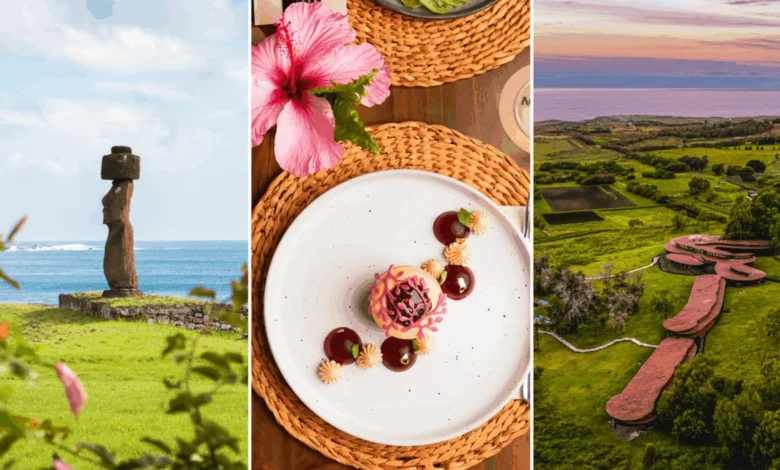
At 1,292 miles from its closest inhabited neighbor, Pitcairn Island, and 2,200 miles from continental Chile, Rapa Nui, universally known as Easter Island, represents the absolute apex of geographic isolation. Situated at the lonely eastern edge of Polynesia, the horizon appears to curve with the very shape of the Earth. This dramatic setting serves as the backdrop for one of archaeology’s most enduring and heavily debated enigmas: the creation, transportation, and subsequent toppling of nearly 1,000 monolithic human figures known as moai. Over the course of centuries, the ancient islanders carved these towering ancestral representations from volcanic tuff, hauled them across rugged terrain to distant ceremonial platforms, and eventually dismantled them during periods of internal social upheaval. Today, this remote Chilean territory functions as an expansive open-air museum, balancing its superhuman archaeological legacy with a living, breathing Polynesian culture anchored in the sole township of Hanga Roa.
Geographic Isolation and Logistics
Reaching Rapa Nui requires crossing thousands of miles of open Pacific Ocean. Unless arriving via specialized expedition cruise lines such as the National Geographic Resolution or Silversea’s Silver Cloud—which dock at the island roughly a dozen times annually—travelers must fly into Mataveri International Airport, widely recognized as the most remote commercial airport in the world. LATAM Airlines operates the exclusive commercial air service to the island, maintaining at least one daily flight from Santiago, Chile. The journey spans approximately 5.5 hours and crosses two time zones.

Upon arrival, visitors typically establish accommodations in Hanga Roa, from which all of the island’s primary archaeological sites remain accessible via a drive of no more than thirty minutes. However, navigating the territory has undergone significant regulatory shifts in recent years aimed at curbing the pressures of modern mass tourism and preserving fragile heritage sites.
Conservation and Indigenous Governance
A pivotal turning point in the modern administration of Rapa Nui occurred in December 2017, when the Chilean government officially transferred the administration of Rapa Nui National Park to the Ma’u Henua Indigenous Community. Run by elected members of the Rapa Nui population, this local organization has implemented stringent conservation policies designed to protect the island’s archaeological integrity.
Among these measures is a steep increase in park entrance fees—currently set at approximately CH$95,000, or roughly $100 USD—intended to fund preservation efforts while encouraging longer, more sustainable stays. Furthermore, management policies now mandate that visitors must be accompanied by a certified local guide when visiting any archaeological site located outside the boundaries of Hanga Roa. Consequently, independent exploration via rental cars or bicycles has largely been phased out in favor of structured, community-led tours that prioritize historical education and artifact protection.

Chronology of Rapa Nui History
Understanding Rapa Nui requires examining the key historical milestones that shaped its unique trajectory:
- Circa 1200 CE: Polynesian navigators, led by the legendary chief Hotu Matu’a according to oral tradition, arrive on the island and establish a complex tribal society.
- 1200–1600 CE: The height of the moai-building era. Islanders carve nearly 1,000 statues from the Rano Raraku quarry, erecting them on ceremonial stone platforms known as ahu across the coastline and interior.
- Seventeenth to Nineteenth Centuries: Rapid deforestation, resource depletion, and overpopulation lead to severe societal strain, culminating in internal conflicts during which nearly all moai are systematically toppled from their platforms. Concurrently, the annual Tangata Manu (Birdman) religious cult gains prominence at the Orongo ceremonial village.
- 1722: Dutch explorer Jacob Roggeveen becomes the first European to document the island, arriving on Easter Sunday and bestowing the name by which it is commonly known in the West.
- 1888: Chile annexes Rapa Nui, integrating the territory into its national jurisdiction while leasing much of the land for sheep farming, which severely restricts the indigenous population’s freedom of movement.
- 1955–1960s: Norwegian archaeologist Thor Heyerdahl conducts pioneering excavations, sparking global academic and public interest in the island’s history and leading to early restoration efforts.
- 1995: UNESCO designates Rapa Nui National Park as a World Heritage site, recognizing its outstanding universal archaeological value.
- 2017: Administration of the national park is officially handed over to the Ma’u Henua Indigenous Community, marking a historic milestone in local self-governance and heritage protection.
Archaeological Landscapes and Natural Wonders
Rapa Nui defies the common expectation of lush, jungle-clad Polynesian islands like Tahiti or Hawaii. Instead, centuries of intensive agriculture and ecological degradation have left the landscape dominated by sweeping, windswept grassy plains that bear a striking resemblance to the Irish countryside. The terrain is punctuated by massive volcanic craters, dramatic coastal cliffs, and pristine white-sand beaches on the northern coast at Ovahe and Anakena, the latter of which serves as the primary swimming beach.

The island’s archaeological wealth is concentrated in two major national park zones:
- Ahu Tongariki: The largest ahu on the island, featuring 15 meticulously restored moai statues that stand in silent silhouette against the Pacific sunrise.
- Rano Raraku: A massive volcanic crater and quarry site where ancient artisans sculpted approximately 95% of the island’s monolithic statues. Today, roughly 400 unfinished moai remain embedded in the volcanic rock in various stages of production, offering profound insight into the ancient manufacturing process.
Beyond the moai platforms, the stone village of Orongo perches precariously on the precipitous rim of the Rano Kau volcano. Orongo served as the sacred ceremonial center for religious festivals dedicated to Makemake, the creator god, and was the starting point for the lethal Tangata Manu competition. Competitors raced down the volcanic crater, swam through shark-infested waters to the offshore islets known as Los Motu, and retrieved an unbroken sooty tern egg before scaling the sheer cliffs back to safety. Today, these same islets form a world-class snorkeling and scuba diving destination, managed by operators like the Mike Rapu Diving Center, where divers navigate crystal-clear waters to encounter rare endemic species such as the Easter Island butterflyfish.
Gastronomy and Culinary Scene
The culinary landscape of Rapa Nui is deeply rooted in its maritime environment, with fresh seafood taking center stage. Tuna is a staple, frequently served raw in preparations such as ceviche, carpaccio, or tiradito—thinly sliced fish bathed in a spicy citrus sauce. Dining establishments across Hanga Roa have embraced these local ingredients while blending them with traditional Polynesian and Chilean influences.

- Te Moai Sunset: Renowned for its artistic tiradito presentations, this venue pairs local catches with traditional pisco sour cocktails, offering prime vantage points of the modern Moai de la Paz during sunset.
- Te Moana: A tiki-style venue celebrated for its mahi-mahi served over roasted local Rapa Nui sweet potatoes.
- La Kaleta: Located right along the rugged coastline near the docks, it provides fresh ceviche lunches within view of working local fisherfolk.
- Kotaro: Hanga Roa’s legendary hidden dining gem, operating as an intimate Japanese restaurant with an exceptional tasting menu and strict operational protocols, such as age limits and prohibitions on distracting the chef.
- Neptuno Sunset: Positioned off the beaten path near the airstrip terminus, specializing in bountiful seafood pastas.
For dessert, visitors regularly seek out po‘e, a sweet, dense, and rich sponge cake prepared from mashed ripe bananas infused with pumpkin and flour, baked to a caramelized finish.
Contemporary Culture and Arts
Despite centuries of external influence, modern Polynesian culture remains fiercely vibrant among the island’s 7,750 residents. While souvenir shops frequently stock mass-produced trinkets, authentic artistic expressions thrive at venues like Mana Gallery on the northern end of Hanga Roa, which showcases original paintings, intricate woodcarvings, and handcrafted jewelry by local artisans.
Music and dance continue to serve as vital cultural pillars. The Toki Rapa Nui music school, co-founded by acclaimed classical pianist Mahani Teave, operates out of a sustainable Earthship building shaped like an eight-petal flower, offering regular concerts and educational tours. Traditional Polynesian dance troupes, including Kari Kari and Te Ra‘ai, host evening performances accompanied by traditional underground stone-oven feasts known as umu. For contemporary local sounds, venues like Iti Lafken highlight the evolving musical identity of the island’s youth.

Accommodation Options
Hospitality infrastructure on Rapa Nui ranges from ultra-luxury all-inclusive lodges to intimate boutique properties, reflecting the island’s remote status and the high cost of importing goods from the Chilean mainland.
- Explora Rapa Nui: Situated approximately 15 minutes outside Hanga Roa, this architecturally striking, all-inclusive property pairs high-end sustainable design with daily, expert-led outdoor excursions across the island’s most remote corners.
- Nayara Hangaroa: A Leading Hotels of the World property located on the edge of town, offering a la carte booking flexibility, an oceanfront swimming pool, multiple dining concepts, and distinctive oval-shaped rooms inspired by the traditional stone dwellings of Orongo.
- Hare Nua Hotel Boutique: A centrally located, playfully designed boutique option offering personalized comfort and accessible luxury.
- Pikera Uri Eco Lodge: Featuring lush garden rooms that serve as an ideal base for travelers looking to explore the island’s interior via horseback riding.
Implications and Future Outlook
The delicate equilibrium between tourism growth and cultural preservation remains the central challenge for Rapa Nui’s administration. As global interest in remote destinations rebounds post-pandemic, the Ma’u Henua Indigenous Community’s proactive management policies—enforcing strict guide requirements, regulating visitor capacities, and channeling tourism revenue directly back into conservation—serve as a vital model for indigenous heritage management worldwide. By shifting the paradigm from superficial sightseeing to immersive, respectful cultural education, Rapa Nui ensures that its ancient stone guardians and living heritage will endure for generations to come.