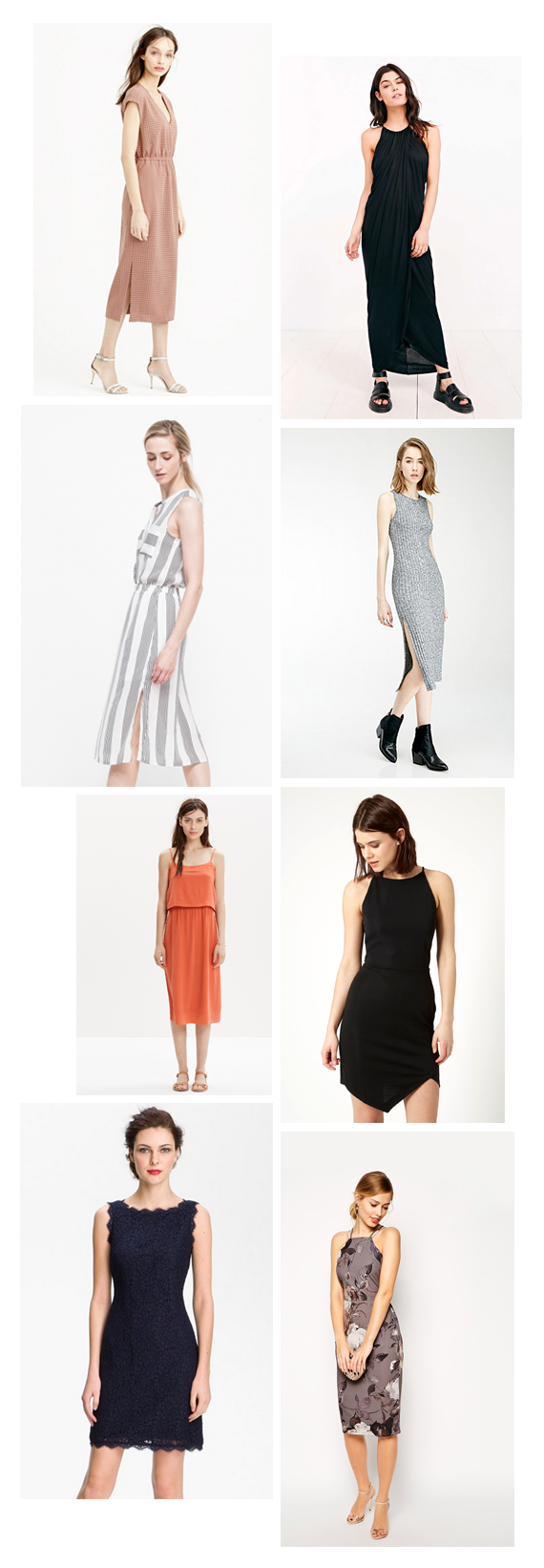
DIY Fashion Page 2: Elevate Your Style with Creative & Affordable Projects
This is where the truly adventurous and resourceful DIY fashionista ventures, moving beyond the introductory basics and into more intricate, impactful, and personalized transformations. Page 2 of your DIY fashion journey is dedicated to unlocking advanced techniques, exploring ambitious material manipulations, and crafting statement pieces that scream individuality. Forget fast fashion; this is about mindful creation, sustainable style, and building a wardrobe that is not only uniquely yours but also a testament to your burgeoning design skills. Here, we delve into projects that require a bit more patience, precision, and an adventurous spirit, but the rewards are immeasurable: garments that turn heads, express your evolving aesthetic, and save your wallet.
Transforming Existing Garments: Advanced Upcycling Techniques
The foundation of effective DIY fashion often lies in reimagining what you already own. While Page 1 might have covered simple hemming or adding patches, Page 2 focuses on more transformative upcycling. Think beyond basic alterations and explore techniques that fundamentally change the silhouette, texture, or purpose of a garment. One of the most impactful is deconstruction and reconstruction. This involves carefully taking apart an existing piece – a pair of jeans, a jacket, or even a dress – and using its constituent parts to create something entirely new. For example, the denim from several pairs of old jeans can be meticulously cut, pieced together, and re-sewn to create a unique patchwork skirt, a statement vest, or even intricate panels for a jacket. This requires patience, a good understanding of fabric grain, and careful pattern-making if you’re aiming for a specific silhouette. Investing in a seam ripper, sharp fabric scissors, and a reliable sewing machine are essential for this level of deconstruction.
Another advanced upcycling technique is dyeing and bleaching. While simple tie-dye might be a Page 1 project, Page 2 explores more nuanced approaches. Shibori dyeing, for instance, offers intricate patterns achieved through folding, binding, and resist techniques, creating sophisticated and artistic designs. Ombre dyeing, where colors fade gradually, can add a modern and chic touch to plain garments. Bleaching can be used not just for distressing but also for creating intricate patterns by applying bleach with stencils or by carefully controlled splattering and dripping. Experimenting with different bleach concentrations and application methods on various fabrics (cotton, linen, denim work best) will yield unique results. Always work in a well-ventilated area and wear protective gear when handling bleach. Furthermore, consider natural dyes derived from vegetables and plants for a more sustainable and eco-friendly approach, though these often require mordants to fix the color.
Embellishment Beyond the Basics: Adding Texture and Dimension
Moving past simple embroidery or fabric glue, Page 2 embellishment techniques aim to add significant texture, dimension, and visual interest to your DIY fashion creations. Beading and sequinning are paramount here. This isn’t just about scattering a few beads; it’s about strategic placement to create patterns, highlights, and focal points. Think intricate beadwork on a neckline, creating a dazzling collar, or meticulously sequinning an entire panel of a jacket for a glamorous evening wear effect. This requires specialized needles, a variety of beads and sequins, and a steady hand. Consider techniques like French beading, which involves attaching beads individually in a specific pattern, or the use of sequin trims for a faster but still impactful application. Learning to create fringe from beads or sequins can add dynamic movement to hemlines or sleeves.
Appliqué and Patchwork: Beyond Simple Shapes
While simple fabric cut-outs might suffice for beginner projects, Page 2 appliqué and patchwork involve more complex designs and construction. Intricate appliqué can involve layering multiple pieces of fabric, often with raw edges for a distressed look, or neatly turned-under edges for a more polished finish. Think of creating elaborate floral motifs, abstract geometric designs, or even figurative imagery on the back of a denim jacket or as a central panel on a skirt. Laser-cut appliqué pieces can also be purchased for a professional finish.
Patchwork, in this advanced context, goes beyond simply sewing squares together. It involves meticulously piecing together different fabrics – perhaps contrasting textures, patterns, or even colors from old garments – to create entirely new textile surfaces. This could be used to construct entire garments, such as a bohemian-inspired patchwork dress, or to create distinctive panels for jackets, bags, or even trousers. Techniques like "English Paper Piecing" can create precise and intricate geometric designs, perfect for smaller, detailed projects. Understanding how to match patterns and create cohesive color palettes is key to successful advanced patchwork.
Working with New Materials and Techniques: Expanding Your Skillset
Page 2 encourages experimentation with materials and techniques that might be less common for beginners, pushing the boundaries of DIY fashion. Leather and Faux Leather Manipulation: Working with leather (real or faux) opens up a world of possibilities for creating durable and stylish accessories and garment details. This can include cutting and stitching leather panels for skirts or jackets, creating intricate braided leather details, or even using leather as a canvas for studs, grommets, and other metal embellishments. Sewing leather requires specialized needles and a walking foot on your sewing machine to prevent sticking and ensure smooth feeding. Techniques like edge painting and burnishing can give a professional, finished look to leather edges.
Fabric Painting and Stenciling (Advanced): While simple fabric painting might be a beginner’s step, Page 2 involves more complex techniques. This includes creating layered stencils for multi-color designs, using metallic or iridescent fabric paints for unique effects, or even incorporating fabric mediums to create textures that mimic embroidery or other embellishments. Consider using an airbrush for a smooth, gradient effect or exploring techniques like screen printing at home for repeatable patterns. Mastering different brush strokes and paint consistencies is crucial for achieving sophisticated results.
Knitting and Crochet for Fashion Statements: For those with a penchant for fiber arts, Page 2 explores knitting and crochet not just for simple scarves but for garment construction and intricate embellishments. This could involve knitting or crocheting entire garments like trendy crop tops, stylish cardigans, or even a full dress, using complex stitch patterns and unique yarn blends. Beyond full garments, crocheted edgings, lace details, or intricate motifs can be added to existing clothing to elevate their style. Learning advanced stitches, reading complex patterns, and understanding yarn weights and fiber properties are essential for these projects.
DIY Jewelry and Accessory Design: Complementing Your Fashion
No DIY fashion ensemble is complete without statement accessories. Page 2 of your journey embraces the creation of unique jewelry and accessories that perfectly complement your handmade garments. Wire Wrapping and Metal Stamping: These techniques allow for the creation of personalized and intricate jewelry. Wire wrapping involves coiling and shaping wire to create settings for beads, stones, or even to form standalone designs. Metal stamping allows you to imprint letters, numbers, or designs onto metal blanks to create pendants, charms, or bracelet elements. Both techniques require specialized tools and practice but yield professional-looking results.
Resin Crafting for Jewelry and Embellishments: Resin offers a versatile medium for creating clear, colored, or encapsulated jewelry and embellishments. You can embed dried flowers, glitter, small objects, or even fabric scraps within resin to create unique pendants, earrings, or decorative elements for clothing. Working with resin requires precise measurements, proper ventilation, and understanding curing times.
Beaded Embellishments for Bags and Shoes: Take your accessory game up a notch by adding intricate beadwork to plain bags or shoes. This could involve creating elaborate floral patterns on a clutch, adding geometric bead designs to the straps of sandals, or even creating beaded fringes for a bohemian flair. This utilizes the beading skills developed for garments but applies them to a different medium, requiring careful adhesion techniques and consideration for durability.
Mastering Essential Tools and Techniques for Advanced DIY Fashion
Successfully tackling Page 2 projects necessitates a deeper understanding and mastery of certain tools and techniques.
- Sewing Machine Mastery: Beyond basic straight stitches, understanding how to use different presser feet (zipper foot, buttonhole foot, walking foot), adjust tension, and perform basic maintenance on your sewing machine is crucial for working with a wider range of fabrics and techniques.
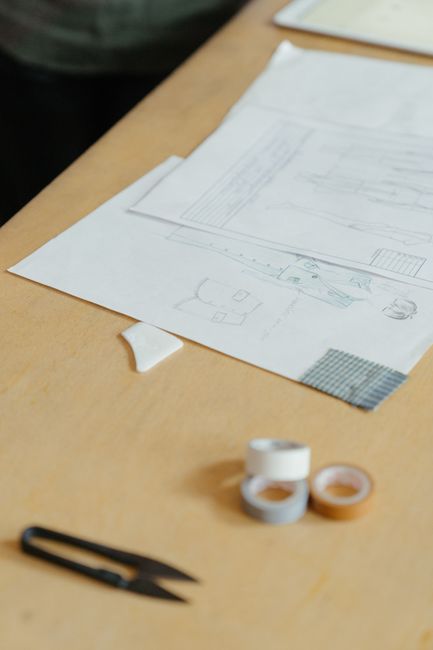
- Pattern Making and Adaptation: For truly transformative projects, understanding how to read and adapt existing sewing patterns, or even to create basic patterns from scratch, is an invaluable skill. This allows for precise control over silhouette and fit.
- Fabric Knowledge: A deeper understanding of different fabric types, their drape, stretch, and how they react to various treatments (dyeing, bleaching, heat) is essential for successful advanced projects. Knowing which fabrics are suitable for specific techniques will prevent frustration and wasted materials.
- Ironing and Pressing: The seemingly simple act of ironing and pressing is paramount in achieving professional-looking results in advanced DIY fashion. Properly pressing seams, darts, and hems can significantly elevate the finished product.
- Patience and Precision: These are perhaps the most critical, albeit intangible, tools. Advanced DIY fashion often requires meticulous attention to detail, patience for intricate work, and the willingness to redo steps if necessary.
Troubleshooting and Problem-Solving in Advanced DIY Fashion
Even experienced DIYers encounter challenges. Common issues at this level include:
- Fabric Puckering: Often caused by using the wrong needle, incorrect tension, or feeding the fabric unevenly. Using a walking foot and appropriate needle size can help.
- Thread Breaking: Can be due to a dull needle, incorrect thread tension, or lint buildup in the machine.
- Uneven Stitches: Usually a tension issue, either with the top thread or the bobbin.
- Bleeding Dyes: Insufficient rinsing or lack of a color-fixer. Thorough rinsing and using a dye-fixative are crucial.
- Fabric Distortion during Sewing: Especially with knits or delicate fabrics. Using the correct stitch type (e.g., a zigzag stitch or a serger) and a walking foot is important.
Learning to identify the cause of these problems and implementing the appropriate solutions is a key part of advancing your DIY fashion skills. Online resources, sewing forums, and dedicated tutorials can be invaluable for troubleshooting specific issues.
SEO Keywords: DIY fashion, upcycling clothes, fashion crafts, sewing projects, advanced sewing, garment reconstruction, fabric dyeing, shibori, ombre dye, fabric bleaching, beadwork, sequinning, appliqué, patchwork, leather crafts, fabric painting, metal stamping, resin crafts, DIY jewelry, sustainable fashion, creative fashion, personalized style, fashion transformation, statement pieces, fashion hacks, fashion tutorials, DIY clothing.

