Crispy Rosemary Parmesan Chickpeas: The Ultimate Savory Snack & Salad Topper
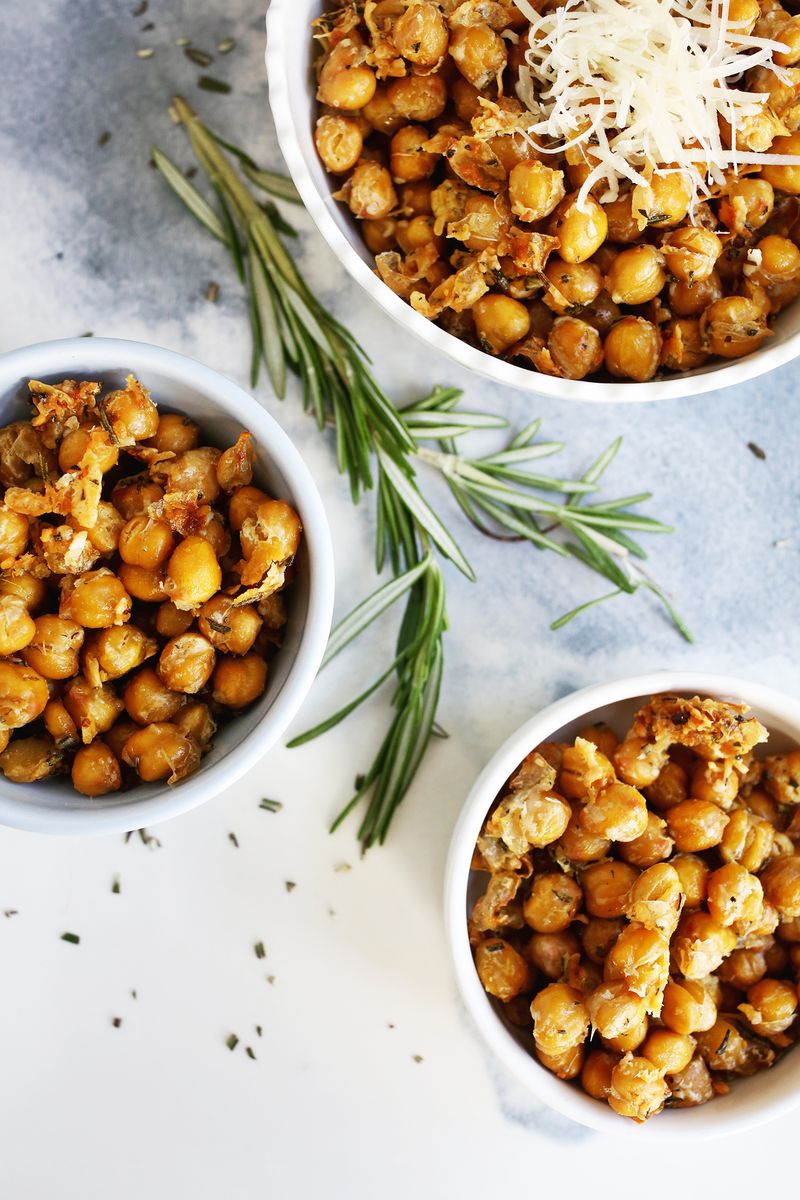
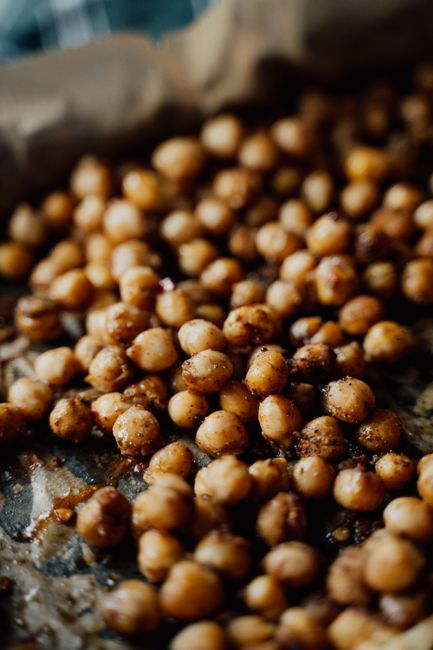
These rosemary parmesan chickpeas achieve a delightful crunch through a simple yet effective baking process, transforming humble canned legumes into a sophisticated and irresistible savory snack. The foundational element of this recipe lies in the preparation of the chickpeas themselves. Thorough rinsing and, crucially, drying are paramount. Any residual moisture will steam the chickpeas during baking, preventing the desired crispness. A clean kitchen towel or paper towels are ideal for this drying stage, ensuring each chickpea is as dry as possible. Following the drying, the chickpeas are tossed with a minimal amount of olive oil, just enough to coat them lightly and facilitate the adherence of the seasonings. This oil acts as a conductor for heat, promoting even browning and crisping. The star seasonings are freshly chopped rosemary and finely grated Parmesan cheese. Rosemary, with its pungent, pine-like aroma and slightly woody flavor, pairs exceptionally well with the nutty undertones of the chickpeas. The Parmesan cheese adds a salty, umami-rich dimension, contributing to the overall savory profile and fostering a beautiful golden-brown crust. A touch of garlic powder and a generous pinch of sea salt are often incorporated to amplify the flavors. The ratio of these ingredients is key; too much oil can lead to greasiness, while insufficient seasoning will result in a bland outcome. The baking temperature and time are equally critical. A moderate to high oven temperature, typically between 400-425°F (200-220°C), is necessary to achieve rapid dehydration and crisping without burning. The baking duration will vary depending on the oven and the moisture content of the chickpeas, but generally ranges from 20 to 30 minutes. It is essential to spread the chickpeas in a single layer on a baking sheet to ensure air circulation and even heat exposure. Shaking the pan or stirring the chickpeas halfway through the baking process further promotes uniform crisping and prevents sticking. The final product should be golden brown, with a satisfyingly brittle exterior that yields to a tender, yet not mushy, interior. These crispy rosemary parmesan chickpeas are incredibly versatile, serving as a standalone healthy snack, a flavorful addition to salads, a textural component in grain bowls, or even a crunchy topping for soups.
The science behind achieving perfectly crispy baked chickpeas is rooted in the principles of dehydration and Maillard reactions. When chickpeas are exposed to dry, hot air in the oven, the moisture content within them begins to evaporate. This process of dehydration is essential for developing crispiness. Think of it like making potato chips; the less water, the crispier the result. The oil used in the recipe plays a dual role. Firstly, it helps to distribute the seasonings evenly across the surface of the chickpeas, ensuring consistent flavor. Secondly, and more importantly, the oil acts as a heat transfer medium. It efficiently conducts the heat from the oven to the surface of the chickpeas, promoting rapid browning and crisping. This is where the Maillard reaction comes into play. The Maillard reaction is a complex series of chemical reactions that occurs between amino acids and reducing sugars when heated. It is responsible for the desirable browning and flavor development in many cooked foods, including baked goods, roasted meats, and, in this case, our chickpeas. The proteins in the chickpeas and the sugars present, combined with the heat from the oven and the presence of oil, trigger this reaction. The Parmesan cheese, being a source of amino acids and fats, further enhances the Maillard reaction, contributing to the rich, savory flavor and the attractive golden-brown hue. The rosemary, while not directly participating in the Maillard reaction in the same way as the cheese, adds its volatile aromatic compounds, which are released and intensified by the heat, contributing to the overall sensory experience. The initial rinsing of the chickpeas is crucial for removing excess starch, which can contribute to a gummy texture if not removed. However, the drying phase is arguably the most critical step. Any remaining surface moisture will act as a barrier to heat penetration and will instead lead to steaming, compromising the desired crispness. Therefore, patting the chickpeas thoroughly dry with paper towels or a clean kitchen towel is a non-negotiable step for achieving optimal texture. The single-layer arrangement on the baking sheet is also a scientific imperative. Overcrowding the chickpeas will trap steam and prevent hot air from circulating freely around each individual legume, leading to uneven cooking and a lack of uniform crispness.
The selection of ingredients for rosemary parmesan chickpeas is straightforward, but the quality of each component can significantly impact the final flavor and texture. For the chickpeas themselves, canned chickpeas are the most convenient and readily available option. Opt for a good quality brand, and ensure they are thoroughly rinsed and drained. While dried chickpeas can be used, they require pre-soaking and simmering, which adds considerably to the preparation time. The olive oil used should ideally be extra virgin olive oil. Its robust flavor profile complements the other ingredients, and its healthy monounsaturated fats contribute to the crisping process. The type of Parmesan cheese is also important. Freshly grated Parmesan Reggiano or Grana Padano will offer a superior flavor and texture compared to pre-shredded varieties, which often contain anti-caking agents that can affect melting and browning. For the rosemary, fresh rosemary sprigs are highly recommended. The oils in fresh rosemary are more potent and fragrant than dried, though dried rosemary can be used in a pinch; you’ll likely need less of it. When using dried rosemary, rub it between your fingers to release its flavor before adding it to the chickpeas. Garlic powder is a convenient way to add garlic flavor without the risk of burning fresh garlic. Ensure the garlic powder is fresh for the most pungent aroma. Sea salt, such as kosher salt or flaky sea salt, provides a clean saltiness and can contribute to textural contrast in the finished product. The precise measurements for each ingredient are subject to personal preference, but a good starting point for a standard 15-ounce can of chickpeas would be 1-2 tablespoons of olive oil, 1-2 tablespoons of finely chopped fresh rosemary, 2-3 tablespoons of grated Parmesan cheese, ½ teaspoon of garlic powder, and ½ teaspoon of salt. These ratios can be adjusted to achieve a more pronounced rosemary flavor, a cheesier bite, or a saltier profile.
The process of preparing rosemary parmesan chickpeas is designed for efficiency and ease, making it an ideal recipe for busy individuals seeking a healthy and flavorful snack. The initial step involves gathering your ingredients: a can of chickpeas, olive oil, fresh rosemary, grated Parmesan cheese, garlic powder, and salt. Begin by opening the can of chickpeas and thoroughly rinsing them under cold running water. This step is crucial for removing the canning liquid, which can impart an undesirable flavor and contribute to a less crispy end product. Once rinsed, drain the chickpeas exceptionally well. The key to achieving crispiness lies in minimizing moisture. Spread the drained chickpeas on a clean kitchen towel or a generous layer of paper towels and gently pat them dry. Ensure each chickpea is as dry as possible. Any residual moisture will hinder the crisping process, leading to a steamed, rather than roasted, texture. Transfer the dried chickpeas to a medium-sized mixing bowl. Drizzle them with olive oil. The amount of oil should be just enough to lightly coat each chickpea, facilitating the adherence of the seasonings. Avoid over-oiling, as this can result in a greasy outcome. Next, add the finely chopped fresh rosemary, grated Parmesan cheese, garlic powder, and salt to the bowl. Gently toss the chickpeas to ensure an even distribution of the seasonings. You can use your hands for this step, ensuring each chickpea is coated. Preheating your oven is essential for immediate and efficient crisping. Set your oven to 400°F (200°C). While the oven heats, prepare a baking sheet. Line a baking sheet with parchment paper for easy cleanup, or lightly grease it. Spread the seasoned chickpeas in a single layer on the prepared baking sheet. It is crucial to avoid overcrowding the chickpeas, as this will trap steam and prevent them from crisping evenly. Ensure there is space between each chickpea for optimal air circulation. Place the baking sheet in the preheated oven and bake for approximately 20 to 30 minutes. The exact baking time will vary depending on your oven and the initial moisture content of the chickpeas. Halfway through the baking time, carefully remove the baking sheet from the oven and give it a good shake, or gently stir the chickpeas with a spatula. This will promote even browning and prevent any sticking. Continue baking until the chickpeas are golden brown and have a noticeably crispy exterior. You should be able to hear a subtle crunch when you bite into one. Once baked to perfection, remove the baking sheet from the oven. Allow the rosemary parmesan chickpeas to cool slightly on the baking sheet. They will continue to crisp up as they cool. These are best enjoyed warm or at room temperature.
The versatility of rosemary parmesan chickpeas extends far beyond their primary role as a standalone snack. Their inherent crispness and savory flavor profile make them an exceptional textural and flavorful addition to a wide array of dishes. For salads, they offer a welcome crunch that elevates greens and other soft ingredients. Consider them a healthier, more flavorful alternative to croutons. They pair particularly well with Mediterranean-inspired salads featuring ingredients like cucumber, tomatoes, feta cheese, and a lemon-herb vinaigrette. In grain bowls, they provide a satisfying bite and a burst of umami. Imagine them atop a quinoa or farro bowl with roasted vegetables, avocado, and a tahini dressing. They also lend themselves beautifully to charcuterie boards and appetizer platters, offering a savory, dippable component alongside cheeses, olives, and cured meats. For a unique twist, they can be incorporated into pasta dishes, adding a delightful textural contrast to tender pasta and sauces. They can also be sprinkled over creamy soups, such as tomato soup or butternut squash soup, to provide a crunchy topping. For those seeking plant-based protein boosters, these chickpeas are a fantastic option. Their savory nature makes them appealing to a broad audience, including those who might not typically seek out legumes as a snack. Furthermore, their ease of preparation means they can be made in large batches and stored for quick additions to meals throughout the week. The flavor profile is adaptable; while rosemary and Parmesan are a classic pairing, one can experiment with other herbs like thyme or oregano, or different cheeses like Pecorino Romano or nutritional yeast for a vegan alternative. The addition of a pinch of red pepper flakes can introduce a subtle spicy kick, further expanding their culinary applications.
Storing baked rosemary parmesan chickpeas properly is essential for maintaining their crispness. Once the chickpeas have cooled completely to room temperature, transfer them to an airtight container. Avoid storing them while they are still warm, as the residual heat can create condensation within the container, leading to a loss of crispness. For optimal results, store them in a cool, dry place at room temperature. They are generally best consumed within 2 to 3 days for maximum crispness. If you find they have lost some of their crunch, you can briefly re-crisp them in a low oven (around 300°F or 150°C) for 5-10 minutes, or in an air fryer. Avoid refrigerating them for extended periods, as the humidity in the refrigerator can make them soggy. Freezing is also not recommended, as the texture will be compromised upon thawing. When reheating, a gentle approach is best to preserve their delicate crispness. Ensure the container is truly airtight. If you notice any signs of moisture or a softening texture, immediate consumption or a brief re-crisping is advisable. The goal is to preserve the dehydrated state achieved during the initial baking process. Properly stored, these savory legumes will remain a delightful and convenient snack option for several days.
The nutritional profile of rosemary parmesan chickpeas makes them an attractive option for health-conscious individuals seeking nutrient-dense snacks and meal components. Chickpeas, the base of this recipe, are a fantastic source of plant-based protein, dietary fiber, and essential micronutrients. Protein is crucial for muscle repair and satiety, helping to keep you feeling full and satisfied, which can be beneficial for weight management. The high fiber content aids in digestive health, promotes regular bowel movements, and can help to regulate blood sugar levels. Fiber also contributes to the feeling of fullness. Chickpeas are also a good source of complex carbohydrates, providing sustained energy release rather than the rapid spikes associated with refined sugars. In terms of micronutrients, chickpeas offer valuable amounts of folate, which is essential for cell growth and DNA synthesis; iron, vital for oxygen transport in the blood; and phosphorus, important for bone health. The olive oil used in the recipe contributes healthy monounsaturated fats, which are beneficial for heart health and can help to lower LDL ("bad") cholesterol levels. While Parmesan cheese does contain saturated fat and sodium, it is typically used in moderation in this recipe, and the amount contributes valuable calcium and protein. Rosemary itself contains antioxidants and has been traditionally associated with various health benefits, including improved digestion and cognitive function. When considering the overall health impact, rosemary parmesan chickpeas offer a favorable balance of macronutrients and micronutrients, providing a satisfying and flavorful way to incorporate legumes and healthy fats into one’s diet. They are a considerably healthier alternative to many processed snack foods that are high in refined carbohydrates, unhealthy fats, and artificial ingredients. The sodium content can be managed by adjusting the amount of salt added. For individuals monitoring their sodium intake, using low-sodium canned chickpeas and being mindful of the salt added during seasoning is a practical approach. The protein and fiber content contribute to a lower glycemic index compared to many sugary snacks, making them a more stable energy source.
The application of SEO principles to an article about rosemary parmesan chickpeas involves strategically incorporating relevant keywords that potential readers would use when searching for this type of recipe or snack. The title itself, "Crispy Rosemary Parmesan Chickpeas: The Ultimate Savory Snack & Salad Topper," incorporates key terms like "crispy," "rosemary parmesan chickpeas," "savory snack," and "salad topper." Throughout the body of the article, these keywords and their variations are naturally woven into the text. For instance, terms like "baked chickpeas," "roasted chickpeas," "parmesan chickpeas recipe," "easy chickpea snack," "healthy snack ideas," "protein-rich snack," and "vegetable side dish" are used. The article also addresses user intent by providing comprehensive information, including the science behind crispiness, ingredient selection, preparation steps, storage, nutritional benefits, and versatile applications. This depth of information signals to search engines that the article is a valuable resource. Using descriptive language that highlights the appeal of the recipe, such as "irresistible," "delightful crunch," and "flavorful addition," can also improve engagement and indirectly impact SEO. The inclusion of structured headings and subheadings (even if not explicitly formatted as H2, H3, etc., the logical flow of paragraphs serves a similar purpose) helps search engines understand the content hierarchy. Keywords are distributed throughout different sections, covering recipes, health aspects, and culinary uses. For example, when discussing applications, terms like "salad topping," "grain bowl ingredient," and "appetizer" are employed. The article also subtly addresses long-tail keywords, such as "how to make crispy chickpeas at home" or "healthy vegan chickpea snack ideas" by providing detailed instructions and mentioning vegan alternatives. The emphasis on "crispy" throughout the text directly targets users seeking a specific texture, a crucial element for this recipe. The SEO strategy is to provide high-quality, informative content that answers user queries comprehensively, naturally integrating relevant keywords to maximize search engine visibility. The article aims to be the definitive resource for anyone interested in rosemary parmesan chickpeas.
