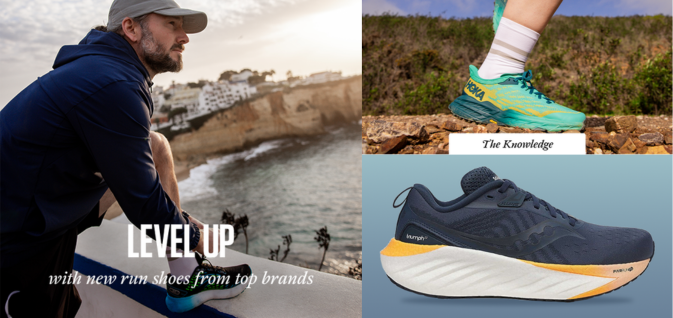

Find Your Perfect Running Shoes at Runners Need
Selecting the right running shoes is a critical component of optimizing your performance, preventing injuries, and maximizing your enjoyment of the sport. Runners Need, a leading specialist running retailer, offers a comprehensive and expert-led approach to finding footwear that precisely matches your individual needs and running style. This extensive guide delves into the multifaceted process of shoe selection at Runners Need, empowering you to make an informed decision that will benefit your running journey.
Understanding Your Foot Type and Gait Analysis
The cornerstone of finding the perfect running shoe lies in understanding your foot’s biomechanics. Runners Need places significant emphasis on gait analysis, a sophisticated process that involves observing how your feet strike the ground and roll through your stride. This is not a mere visual inspection; trained staff meticulously analyze your natural pronation, supination, or neutral gait.
Pronation refers to the inward rolling motion of your foot during the gait cycle. Overpronation occurs when the foot rolls inward excessively, potentially leading to stress on the ankles, knees, and hips. Underpronation (supination) is when the foot doesn’t roll inward enough, causing the outer edge of the foot to bear excessive weight. A neutral gait exhibits a balanced inward roll, efficiently absorbing shock and propelling you forward.
Runners Need employs advanced technology, including treadmills with video recording capabilities, to capture and analyze your gait in detail. By observing the strike pattern, the degree of inward or outward roll, and the overall motion of your foot and ankle, their experts can accurately categorize your foot type. This initial assessment is fundamental because different shoe constructions are designed to accommodate and support specific gait patterns. For instance, overpronators typically benefit from stability or motion control shoes that limit excessive inward rolling, while supinators might find more comfort and cushioning in neutral shoes. Neutral runners generally have a broader range of options but can still benefit from shoes that offer a good balance of cushioning and responsiveness.
The importance of this detailed analysis cannot be overstated. Wearing shoes that are incompatible with your natural gait can lead to a cascade of biomechanical issues, manifesting as pain in your feet, shins, knees, or even hips. Runners Need’s commitment to gait analysis ensures that the foundation of your shoe selection is solid, mitigating the risk of common running-related injuries.
Exploring Different Shoe Categories and Technologies
Once your gait is understood, Runners Need guides you through the various categories of running shoes, each engineered with specific features and technologies to address different biomechanical needs.
Neutral Shoes: These are the most common type and are designed for runners with a neutral gait. They offer a balance of cushioning and flexibility without any specific pronation control. The emphasis is on shock absorption and a smooth transition through the stride. Within the neutral category, there are further distinctions, such as highly cushioned shoes for long distances or more responsive shoes for faster paces.
Stability Shoes: Tailored for mild to moderate overpronators, stability shoes incorporate features that help to limit excessive inward rolling. This can include firmer foam densities on the medial (inner) side of the midsole, guide rails, or supportive posts. The goal is to provide gentle guidance and prevent the foot from collapsing inward.
Motion Control Shoes: For severe overpronators, motion control shoes offer the highest level of support. They are typically more rigid and incorporate extensive pronation control mechanisms to drastically reduce inward rolling. These shoes are often heavier and less flexible than neutral or stability shoes but are essential for runners who require significant correction.
Trail Running Shoes: Designed for off-road terrain, trail shoes offer enhanced traction, durability, and protection. They typically feature aggressive lug patterns on the outsole for grip on mud, rocks, and roots, as well as reinforced uppers to protect against abrasion. Some trail shoes also incorporate rock plates to shield the feet from sharp objects.
Cushioning vs. Responsiveness
Beyond pronation control, running shoes are also categorized by their cushioning and responsiveness.
Cushioning: This refers to the shoe’s ability to absorb impact. Highly cushioned shoes provide a plush feel and are excellent for long runs, recovery runs, or for runners who prioritize comfort and joint protection. They excel at attenuating shock, reducing fatigue over extended periods.
Responsiveness: Responsive shoes, on the other hand, are designed to return energy with each stride. They often utilize firmer foams or specialized midsole technologies that provide a more "springy" feel. These shoes are ideal for faster training sessions, tempo runs, and racing, as they can help improve efficiency and speed.
The ideal balance between cushioning and responsiveness is highly individual and depends on your running goals and preferences. Runners Need’s experts can help you navigate this spectrum, suggesting shoes that offer the right blend for your specific needs.
Materials and Construction
The materials used in running shoe construction significantly impact their performance, durability, and comfort.
Midsoles: The midsole is the heart of a running shoe, providing cushioning and shock absorption. Common midsole materials include EVA (ethylene vinyl acetate) and PU (polyurethane), each with different densities and properties. Newer technologies, such as Nike’s React, Adidas’ Boost, and Hoka’s proprietary foam, offer advanced energy return and cushioning.
Uppers: The upper of a shoe provides a secure and comfortable fit. Materials range from breathable mesh, which promotes ventilation, to engineered knit or synthetic overlays, which offer targeted support and durability. Water-resistant or waterproof membranes are also available for running in wet conditions.
Outsoles: The outsole is the rubber component that makes contact with the ground, providing traction and durability. Different rubber compounds and tread patterns are used to optimize grip on various surfaces.
Fit and Comfort: The Ultimate Determinants
Even with the most advanced technology and expert gait analysis, the ultimate test of a running shoe is how it feels on your feet. Runners Need places paramount importance on achieving an optimal fit and ensuring immediate comfort.
Toe Box: The toe box should be spacious enough to allow your toes to splay naturally without feeling cramped or constricted. You should have about a thumb’s width of space between your longest toe and the end of the shoe when standing.
Midfoot Lockdown: The midfoot should feel secure and supportive, with no excessive pressure points or slippage. The lacing system plays a crucial role here, allowing for customized adjustment.
Heel Counter: The heel counter should hold your heel securely without causing any rubbing or irritation. You shouldn’t feel your heel lifting out of the shoe as you walk or run.
Arch Support: While gait analysis informs the need for pronation control, the arch of your foot should feel comfortably cradled by the shoe’s insole and midsole construction.
Trying on multiple pairs is essential. Walk around the store, and if possible, jog briefly on a treadmill. Pay attention to any hot spots, pinching, or areas of discomfort. Runners Need’s staff are trained to encourage this thorough fitting process, understanding that subtle nuances in fit can make a significant difference.
The Runners Need Experience: Beyond the Shoe
Runners Need distinguishes itself through its holistic approach to running footwear selection. It’s not just about selling a shoe; it’s about empowering you with knowledge and ensuring you leave with a solution that enhances your running experience.
Expert Staff: The staff at Runners Need are passionate runners themselves, equipped with extensive knowledge of biomechanics, footwear technology, and the latest trends in the running industry. They undergo regular training to stay abreast of advancements.
Personalized Consultation: Each customer receives a personalized consultation, where their running goals, experience level, injury history, and preferences are discussed in detail. This information, combined with the gait analysis, forms the basis of the shoe recommendation.
Wide Selection: Runners Need boasts an impressive inventory of running shoes from a diverse range of leading brands. This ensures that regardless of your specific needs or brand preferences, you are likely to find a suitable option.
Return Policy: Many Runners Need stores offer a trial period or a flexible return policy, allowing you to return shoes if they don’t perform as expected after a few runs. This commitment to customer satisfaction underscores their confidence in their fitting process.
Beyond the Initial Purchase: Maintenance and Future Considerations
Finding the perfect running shoe is not a one-time event. Your needs can evolve, and shoe technology is constantly advancing. Runners Need also provides guidance on maintaining your footwear and when to consider a replacement.
Shoe Lifespan: Running shoes typically have a lifespan of 300-500 miles, depending on your weight, running surface, and the shoe’s construction. Worn-out shoes lose their cushioning and support, increasing the risk of injury.
Regular Check-ups: Runners Need encourages regular check-ups to assess the condition of your current shoes and re-evaluate your needs. Factors such as changes in training volume, intensity, or the development of new aches and pains may necessitate a different type of shoe.
Specialized Needs: For runners with specific medical conditions, such as plantar fasciitis or Achilles tendinitis, Runners Need can work in conjunction with medical professionals to recommend footwear that provides targeted support and relief.
Conclusion
At Runners Need, the quest for the perfect running shoe is transformed into an informed, personalized, and ultimately successful endeavor. By prioritizing a detailed gait analysis, offering a comprehensive understanding of shoe technology and categories, and emphasizing the critical importance of fit and comfort, they empower runners of all levels to invest in footwear that enhances their performance, prevents injuries, and fosters a lifelong love for running. The expertise, extensive selection, and customer-centric approach at Runners Need make it the definitive destination for anyone seeking to find their perfect running shoe.

