The modern home fragrance market has undergone a significant transformation, evolving from a simple utility for odor elimination into a multi-billion-dollar industry focused on psychological well-being, interior design, and sensory immersion. As consumers increasingly prioritize home-centric lifestyles, candles have transcended their basic function to become essential elements of interior styling and personal ritual. Data from recent market analysis indicates that the global candle market, valued at approximately $7 billion, continues to see sustained growth driven by a shift toward premium, small-batch artisanal products and a growing emphasis on aromatherapy.

Beyond their aesthetic appeal, high-end candles serve as tools for setting intentions and modulating domestic environments. Whether utilized to mark the transition from a workday to an evening of rest, or employed to anchor the sensory experience of a dinner party, the selection of a fragrance profile has become an exercise in intentional living. This guide evaluates a selection of industry-leading candles, examining the specific aromatic profiles and craftsmanship that have solidified their status among design professionals and home fragrance enthusiasts.
The Evolution of Home Fragrance and Interior Design
The contemporary fascination with home fragrance finds its roots in the intersection of biophilic design and the increased emphasis on wellness-centered architecture. Historically, fragrance was used to mask undesirable odors in domestic spaces; however, the shift toward "scent-scaping"—the practice of layering different fragrances throughout a home to create distinct moods—has elevated the candle to a decorative staple.

The rise of the "votive-loving" demographic has spurred a secondary market for vessel repurposing. Modern luxury brands now prioritize the design of glass, ceramic, and earthenware containers, viewing them as permanent decor objects rather than disposable packaging. This shift has implications for the sustainability of the industry, as consumers increasingly seek out products that offer a second life, such as storage for vanity essentials or stationary, once the wax has been depleted.
The Science of Scent Profiles
Understanding the composition of a candle is crucial for those seeking to curate an specific atmosphere. Industry standards often categorize scents into "woody," "milky," "citrus-rich," and "floral" families.

- Woody: Dominated by notes of sandalwood, cedar, and vetiver, these profiles are often associated with grounding and stability, making them popular for study spaces or living rooms.
- Citrus-Rich: These profiles utilize top notes like bergamot, lemon, or grapefruit to provide an immediate energy boost, often serving as a counterpoint to heavier, more grounded notes.
- Floral: Far from the synthetic, powdery scents of the past, modern floral candles often utilize complex, natural extracts—such as tuberose, jasmine, and neroli—to provide a sophisticated and often sultry sensory experience.
Curated Selections: Premium Offerings
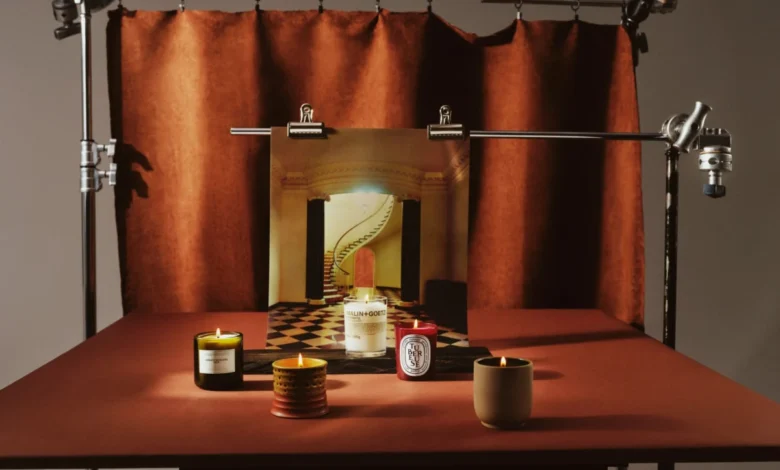
The following candles represent a cross-section of the market, ranging from established heritage brands to modern artisanal collaborations.
Byredo Bibliothéque: The Balanced Choice
Byredo’s Bibliothéque has achieved a reputation for its versatility, balancing the strong, masculine notes of leather and vanilla with the lighter, fruit-forward undertones of peach and plum. Its widespread popularity is attributed to its "dynamic" profile, which avoids the pitfalls of being overly cloying or excessively sharp. For those seeking an entry point into luxury fragrance, it remains a reliable, crowd-pleasing option.
.jpeg)
Diptyque Red Tubereuse: A Study in Intensity
The tuberose flower, historically noted for its potent and somewhat intoxicating scent, is the foundation of Diptyque’s Red Tubereuse. The brand’s approach to this bloom is marked by its opulence. The deep burgundy glass vessel functions as a statement piece, while the fragrance itself is widely considered one of the most sophisticated examples of a floral-heavy scent profile currently on the market.
Flamingo Estate Sappho Fig: Savory Sophistication
Moving away from traditional sweet-fig scents, the Flamingo Estate Sappho Fig candle takes a savory approach, incorporating cardamom and sandalwood. This combination offers a level of complexity that is particularly favored by those interested in culinary-inspired home fragrances. It serves as an ideal gift for the "gourmand" who appreciates depth over simple sweetness.
.jpeg)
Maison Louis Marie No.04: The Designer Favorite
No.04 Bois de Balincourt is a recurring favorite among interior designers and style tastemakers. Its reliance on amber, sandalwood, and cinnamon creates a profile that is distinctly warm. Unlike seasonal candles that may smell like baked goods, this scent is characterized by its "reliable" quality, making it a staple for rainy days or quiet, indoor-focused evenings.
Loewe Honeysuckle: Minimalist Purity
Loewe’s approach to the honeysuckle candle emphasizes singular, high-quality essence. By focusing on a clean, fresh profile that evokes climbing vines and open-air environments, the brand appeals to those who prefer a minimalist approach to fragrance. A notable characteristic of this line is the "cold throw"—the ability of the candle to disperse fragrance even when unlit.

Keap x Jono Pandolfi: Rustic Earthiness
A collaborative effort between Keap and ceramicist Jono Pandolfi, this candle is lauded for its authenticity. Featuring a blend of cedar, palo santo, and fireside embers, it successfully captures the smell of a log cabin without the synthetic undertones found in mass-market alternatives. The earthenware vessel is highly coveted, further solidifying the candle’s status as a dual-purpose design object.
Market Implications and Future Trends
The success of these specific brands suggests a broader trend in the home fragrance sector: the prioritization of "olfactory storytelling." Consumers are no longer just buying a candle; they are buying into the history, the creative process, and the aesthetic world of the brand.
.jpeg)
For instance, the Harlem Candle Company’s "Lady Day" candle, which pays tribute to Billie Holiday through notes of gardenia and neroli, demonstrates how brands are using fragrance to preserve cultural legacies and create an emotional connection with the consumer. Similarly, the trend of using "cleaner" waxes—such as soy or coconut blends—reflects a growing consumer awareness of indoor air quality. As shoppers continue to invest in air purifiers and wellness technology, candle manufacturers are being forced to ensure that their fragrances do not interfere with the efficacy of air-cleaning devices, leading to a rise in "clean-burning" formulations.
Considerations for the Consumer
When investing in premium candles, several factors should be considered beyond the scent itself:
.jpeg)
- Burn Time and Maintenance: Proper wick trimming is essential to ensure an even burn and prevent the build-up of soot. High-quality candles, when maintained correctly, provide a more consistent fragrance throw throughout their lifespan.
- Vessel Utility: As noted, the value proposition of a luxury candle often includes the vessel. Consumers should evaluate whether the container will serve a functional purpose in their home once the wax is gone.
- Fragrance Strength: Some candles are designed to scent an entire floor, while others are intended for smaller, more intimate spaces like a desk or bathroom. Matching the fragrance intensity to the size of the room is key to preventing sensory overload.
Conclusion: The Lasting Impact of Home Fragrance
The resurgence of the candle as a cornerstone of the modern home is not a passing trend, but rather a reflection of a deeper societal shift toward the curation of one’s personal environment. By engaging the sense of smell, individuals are able to create a sanctuary that is distinct from the stresses of the outside world. Whether through the woody, grounding notes of a cedar-based blend or the light, invigorating scents of a citrus-forward floral, the modern candle offers a simple yet profound method for enhancing the quality of domestic life. As the industry continues to innovate, the focus will likely remain on the intersection of high-quality ingredients, sustainable design, and the emotional resonance of scent.