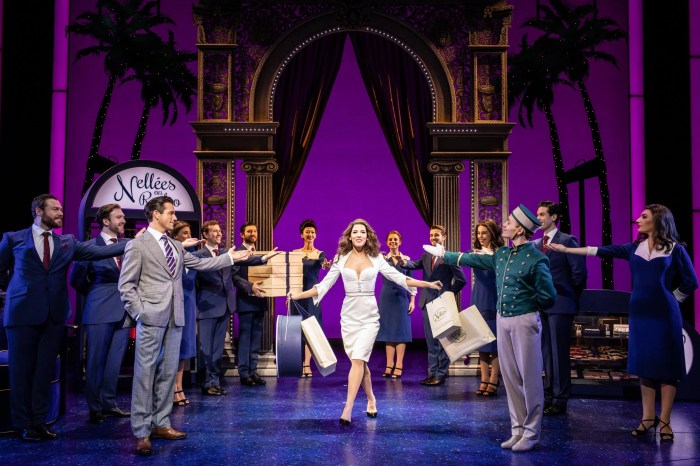
Pretty Woman The Musical takes center stage, transforming the beloved 1990 film into a captivating theatrical experience. The musical stays true to the heartwarming story of Vivian, a spirited Hollywood escort, and Edward, a wealthy businessman, while adding a fresh layer of musical storytelling.
From the iconic score to the enchanting choreography, Pretty Woman The Musical delivers a truly immersive experience that celebrates love, transformation, and the power of human connection. The musical’s creators masterfully weave together the original film’s charm with the magic of Broadway, creating a production that is both familiar and exhilaratingly new.
The Musical’s Origins and Inspiration

“Pretty Woman: The Musical” is a vibrant adaptation of the beloved 1990 romantic comedy film that captivated audiences worldwide. The musical takes the familiar story of Vivian Ward, a Hollywood prostitute, and Edward Lewis, a wealthy businessman, and transforms it into a captivating theatrical experience.
The creative team behind the musical faced the challenge of translating the film’s charm and humor into a live stage production, while also adding their own unique artistic touch.The musical’s journey began with the film’s director, Garry Marshall, who played a pivotal role in bringing the story to the stage.
He envisioned a musical adaptation that would capture the essence of the film while introducing new elements to enhance the theatrical experience. The creative team, led by director and choreographer Jerry Mitchell, embraced Marshall’s vision and embarked on a journey to create a musical that would resonate with audiences of all ages.
The Creative Process
The creative process involved a collaborative effort between the original film’s screenwriter, J.F. Lawton, and a team of talented writers, including Bryan Adams and Jim Vallance. The team meticulously crafted a new score that blended original songs with iconic hits from Adams’ extensive catalog.
The music from “Pretty Woman: The Musical” is just as captivating as the original film, but it got me thinking about how companies also make strategic changes. Just like the movie’s main character, businesses need to evolve and focus on what truly matters.
Dundee Corporation, for example, has recently strengthened its commitment to its core strategy and announced the sale of its investment management business , a move that will likely allow them to concentrate on their core competencies. Much like the musical’s heartwarming ending, these changes can lead to positive outcomes for both businesses and their stakeholders.
The musical’s creators aimed to preserve the film’s heart and soul while adding a theatrical dimension that would captivate audiences. The musical’s score incorporates both original songs and classic Adams hits, such as “Everything I Do (I Do It for You)” and “Have You Ever Really Loved a Woman?” These songs add a layer of emotional depth and musicality to the story.
Preserving the Essence of the Film
The musical’s creators were determined to preserve the film’s core themes of love, redemption, and the transformative power of human connection. The story explores the unlikely romance between Vivian and Edward, highlighting their journey of self-discovery and growth. The musical’s creators sought to retain the film’s charm and humor, while also adding a theatrical flair that would enhance the emotional impact of the story.
The musical’s creators were mindful of the film’s popularity and aimed to create a production that would appeal to both fans of the original film and new audiences. They were also committed to adding their own unique perspective and artistic vision to the story, creating a fresh and engaging theatrical experience.
The Musical’s Key Characters and Relationships
The musical “Pretty Woman” brings to life the iconic characters of Vivian Ward and Edward Lewis, showcasing their transformative journey through a blend of captivating dialogue, heartfelt songs, and dynamic stage presence. While drawing inspiration from the beloved film, the musical explores the characters and their relationships in a unique and engaging way.
Character Portrayals and Comparisons
The musical “Pretty Woman” retains the essence of the film’s characters while adding nuanced layers to their personalities. Vivian Ward, the spirited and independent Hollywood escort, is portrayed as a woman with a strong sense of self-worth, yearning for a life beyond the confines of her profession.
Her transformation from a street-smart survivor to a confident and empowered woman is evident throughout the musical. In the film, Vivian’s vulnerability is often showcased through her emotional outbursts and insecurities. However, the musical emphasizes her strength and resilience, portraying her as a woman who can navigate challenging situations with wit and grace.
Seeing “Pretty Woman: The Musical” got me thinking about all the amazing outfits Vivian wears, especially those with those cool twist-back details! It reminded me of this awesome DIY project I saw for a DIY twist back top , which would be perfect for channeling my inner Vivian and creating a similar look.
Maybe I’ll even try to make a version inspired by the iconic red dress from the show!
Edward Lewis, the wealthy and successful businessman, is depicted as a man who is initially closed off and emotionally distant. He is driven by his ambition and success, but underneath his polished exterior lies a longing for genuine connection.
The musical delves deeper into Edward’s emotional journey, showcasing his vulnerability and his gradual awakening to the importance of human connection. While the film portrays Edward’s transformation as primarily driven by his attraction to Vivian, the musical explores a more complex dynamic, highlighting his personal growth and self-discovery.
Key Relationships and Their Development
The central relationship between Vivian and Edward forms the core of the musical’s narrative. Their journey from initial mistrust and miscommunication to a deep and meaningful connection is explored through a series of poignant dialogues and emotionally charged songs. The song “It’s Not Over” showcases their initial clash of personalities, while “Something About You” reveals their growing attraction and connection.
The musical also delves into the dynamics between Vivian and her friend Kit, emphasizing the importance of female friendship and support. Kit provides Vivian with a sense of belonging and encourages her to embrace her own worth, serving as a crucial source of strength and encouragement.
Pretty Woman: The Musical is a delightful journey of love and transformation, and while the story focuses on the iconic red dress, I can’t help but think of the vibrant hair colors that would perfectly complement the character’s journey. The bold and expressive shades of we love good dye young would add a touch of rebellious flair to Vivian’s style, showcasing her inner strength and individuality as she navigates a world of luxury and self-discovery.
I’m picturing her with a bright, fiery red or a daring, electric blue – just imagine the impact! The musical’s vibrant energy would be amplified by these bold hair choices, reflecting the character’s transformation and the powerful message of self-acceptance.
Character Development and Transformations
Throughout the musical, Vivian undergoes a significant transformation. Her initial cynicism and guardedness gradually give way to a newfound sense of self-worth and hope. She embraces the opportunity to experience a different life, shedding her previous insecurities and embracing her potential.
The song “I’m Here” is a powerful testament to her newfound confidence and determination.Edward’s transformation is equally profound. His initial detachment and focus on his career are gradually replaced by a genuine desire for human connection and a willingness to embrace vulnerability.
He learns to see beyond Vivian’s profession and recognize her inherent worth. The song “You Move Me” reveals his emotional awakening and his growing appreciation for Vivian’s unique spirit.
The Musical’s Musical Score and Choreography
The musical score of “Pretty Woman: The Musical” is a captivating blend of original music and iconic songs from the original film. The composers, Bryan Adams and Jim Vallance, skillfully weaved the familiar tunes into a fresh and engaging theatrical experience.
The choreography, designed by Jerry Mitchell, complements the music, creating a vibrant and visually stunning spectacle.
The Original Film’s Soundtrack’s Impact on the Musical’s Score
The original film’s soundtrack played a significant role in shaping the musical’s score. The composers recognized the emotional power of the songs and incorporated them strategically to enhance the storytelling. The iconic “Pretty Woman” theme, with its romantic and uplifting melody, serves as a central motif throughout the musical.
The score also features other recognizable songs from the film, including “Roy Orbison’s “Oh, Pretty Woman,” “King of the Road,” and “I’m So Excited.”
Creation of New Musical Numbers
The musical’s creators also composed several original songs, adding depth and complexity to the story. These new numbers provide opportunities for character development, explore themes of love, redemption, and societal expectations. “You’re Beautiful” is a poignant duet between Vivian and Edward, expressing their growing connection.
“Never Give Up” is an empowering anthem for Vivian, showcasing her resilience and determination. “I Can’t Go On” is a heart-wrenching ballad that reveals Edward’s vulnerability and his struggle to balance his love for Vivian with his social obligations.
Choreography in “Pretty Woman: The Musical”
The choreography in “Pretty Woman: The Musical” is a vibrant blend of contemporary and classic styles, reflecting the diverse world of the story. Jerry Mitchell’s choreography is characterized by its energetic and dynamic movements, enhancing the musical’s emotional impact. The dance numbers in “Pretty Woman: The Musical” are not merely decorative elements but serve as powerful storytelling tools.
For example, the “Rodeo” number, set in a bustling bar, showcases the vibrant energy of Hollywood, while the “Heart to Heart” duet between Vivian and Edward features intimate and graceful movements, reflecting their growing connection. The choreography’s ability to seamlessly integrate with the music and the story enhances the overall theatrical experience, leaving audiences enthralled.
The Musical’s Themes and Messages
“Pretty Woman: The Musical” delves into the captivating themes of love, class, and personal growth, exploring the complexities of human connection and societal expectations. The musical masterfully intertwines these themes through the characters’ journeys, their interactions, and the powerful musical numbers, leaving a lasting impression on the audience.
The Power of Love and Transformation
The musical’s central theme revolves around the transformative power of love, showcasing how it can bridge societal divides and inspire personal growth. The unlikely romance between Vivian, a street-smart sex worker, and Edward, a wealthy businessman, challenges societal norms and preconceived notions.
Their relationship is not without its complexities, as they navigate their differences in social status and personal experiences. However, their love for each other transcends these obstacles, leading to profound personal transformations.
- Vivian’s Journey:Vivian, initially trapped in a life of poverty and limited opportunities, discovers her own strength and potential through her relationship with Edward. Her journey from a street-smart survivor to a confident and independent woman is a testament to the power of love to unlock hidden potential and foster self-belief.
She sheds her old identity and embraces a new life filled with purpose and meaning.
- Edward’s Journey:Edward, initially driven by his wealth and status, learns to appreciate the value of human connection and the importance of empathy. His journey is one of self-discovery, as he realizes that true happiness lies not in material possessions but in genuine love and meaningful relationships.
He sheds his arrogant facade and embraces vulnerability, ultimately finding solace and fulfillment in his connection with Vivian.
The Societal Divide and Class Conflict, Pretty woman the musical
“Pretty Woman: The Musical” also explores the stark realities of class conflict and the societal divide that often separates people based on their economic status. The musical highlights the challenges faced by individuals from marginalized backgrounds, showcasing the systemic inequalities that can limit opportunities and create barriers to social mobility.
- Vivian’s Struggle:Vivian’s life as a sex worker is a stark reminder of the societal inequalities that can trap individuals in cycles of poverty and marginalization. The musical portrays the challenges she faces, including discrimination, judgment, and limited opportunities. Her story serves as a poignant commentary on the systemic barriers that can hinder individuals from achieving their full potential.
- Edward’s Privilege:Edward’s wealth and status grant him a privileged position in society, allowing him access to resources and opportunities that are often denied to those from lower socioeconomic backgrounds. The musical acknowledges the advantages that come with wealth and privilege, while also highlighting the potential for these advantages to create a disconnect from the realities of those living in poverty.
The Importance of Personal Growth and Self-Discovery
Beyond the romantic narrative, “Pretty Woman: The Musical” emphasizes the importance of personal growth and self-discovery. The musical showcases how individuals can evolve and transform through their experiences, overcoming challenges and embracing new possibilities.
- Vivian’s Transformation:Vivian’s journey is not just about finding love but also about discovering her own worth and potential. Through her interactions with Edward and her own self-reflection, she learns to value herself and to believe in her ability to achieve her dreams.
Her transformation is a powerful message about the transformative power of personal growth and the importance of embracing one’s own individuality.
- Edward’s Growth:Edward’s journey is one of shedding his materialistic facade and embracing the true meaning of happiness. Through his relationship with Vivian, he learns to appreciate the simple things in life and to connect with others on a deeper level. His growth is a reminder that true happiness comes from genuine connections and meaningful relationships.
The Musical’s Critical Reception and Audience Response: Pretty Woman The Musical
“Pretty Woman: The Musical” has received a mixed bag of reviews, with critics offering diverse perspectives on its adaptation from the beloved film. While some have lauded its entertainment value and the performances of its leads, others have criticized its lack of originality and its reliance on the familiar story.
The musical’s audience response, however, has been overwhelmingly positive, with its popularity exceeding expectations and attracting a wide range of viewers.
Critical Reception of the Musical
The critical reception of “Pretty Woman: The Musical” has been a mix of praise and criticism. Some critics have praised the musical’s entertainment value, its catchy score, and the performances of its leads, particularly the chemistry between Samantha Barks and Andy Karl as Vivian and Edward.
The musical has been praised for its ability to capture the spirit of the original film, offering a heartwarming and uplifting experience for audiences. However, other critics have been less enthusiastic, arguing that the musical lacks originality and relies too heavily on the familiar story of the original film.
Some have criticized the musical’s score, finding it uninspired and lacking in memorability. Critics have also pointed out the musical’s somewhat predictable plot and its lack of dramatic depth.
Audience Response to the Musical
Despite the mixed critical reception, “Pretty Woman: The Musical” has been a huge success with audiences. The musical has consistently sold out shows, drawing in large crowds and garnering rave reviews from theatergoers. The musical’s popularity can be attributed to several factors, including its familiar story, its catchy score, and its charming performances.
The musical’s ability to evoke nostalgia and provide a feel-good experience has resonated with audiences, making it a popular choice for a night out at the theater.
Comparison to the Original Film
The reception of “Pretty Woman: The Musical” has been compared to the reception of the original film, with some critics arguing that the musical is a faithful adaptation, while others argue that it falls short of the original. While the musical does retain the core elements of the film, including its romantic storyline and its iconic moments, it also introduces new elements, such as original songs and extended scenes.
The musical’s target audience also differs from the film’s, as it appeals to a broader demographic, including families and young adults.
The Musical’s Legacy and Impact
“Pretty Woman: The Musical” has not only secured its place on Broadway but has also left a lasting mark on the theatrical landscape. The musical’s success, both critically and commercially, has sparked conversations about the enduring power of classic stories and the potential for beloved films to find new life on stage.
The Musical’s Influence on Broadway
“Pretty Woman: The Musical” has made a significant impact on the Broadway scene. The production has been lauded for its vibrant choreography, its catchy score, and its ability to capture the spirit of the original film while also adding a fresh perspective.
The musical’s success has helped to demonstrate that there is still a strong appetite for musicals based on popular films, and it has paved the way for other film-to-stage adaptations.
The Musical’s Influence on Popular Culture
The musical has also had a significant influence on popular culture. The show’s themes of love, class, and social change have resonated with audiences, sparking discussions about these important issues. The musical’s popularity has helped to keep the original film in the public consciousness, and it has also introduced the story to a new generation of fans.
The Musical’s Potential to Inspire Future Adaptations
The success of “Pretty Woman: The Musical” has inspired other filmmakers and producers to consider adapting their own beloved films and stories for the stage. The musical has demonstrated that there is a market for these kinds of productions, and it has shown that they can be successful both critically and commercially.
The musical’s success has proven that a well-crafted adaptation can capture the essence of a beloved film while also bringing something new and exciting to the stage.
Several other films have been adapted for the stage in recent years, including “Moulin Rouge! The Musical” and “The Greatest Showman: The Musical.” These productions have enjoyed success similar to “Pretty Woman: The Musical,” suggesting that the trend of adapting popular films for the stage is likely to continue.