The intersection of modern dietary habits and shifting endocrine profiles has created a burgeoning public health crisis, none more pressing than the rapid global rise of metabolic dysfunction-associated steatotic liver disease (MASLD). Affecting approximately 40% of adult men worldwide, MASLD has transformed from a localized medical concern into a systemic worldwide challenge closely tied to the epidemics of obesity and type 2 diabetes. While clinical science has long recognized the individual threats posed by poor nutritional choices—specifically the overconsumption of fructose-laden processed foods and sugary beverages—and declining hormonal health, the intricate biological mechanisms linking these factors have remained stubbornly opaque. Now, a groundbreaking study published in the American Journal of Physiology-Endocrinology and Metabolism sheds critical light on this dangerous convergence, demonstrating for the first time that low testosterone levels and high dietary fructose act in lethal synergy to supercharge the development of fatty liver disease, with the gut microbiome serving as the primary catalyst.
The research, spearheaded by a dedicated team at a prominent Graduate School of Agriculture including graduate student Hiroki Takahashi and Associate Professor Naoki Harada, sought to untangle a complex web of metabolic interactions. For decades, medical professionals observed that men with hypogonadism—clinically low testosterone—frequently presented with non-alcoholic fatty liver disease, now universally reclassified as MASLD. Concurrently, public health officials have continuously sounded alarms regarding the ubiquitous presence of high-fructose corn syrup and added sugars in the Western diet. However, prior to this investigation, researchers lacked a clear understanding of whether these dual risk factors operated independently or whether they triggered a cumulative, compounding pathology within the human body. By deploying a rigorous, multi-variable animal model combined with advanced microbiological and cellular analyses, the research team has successfully mapped out a hidden biological pathway that connects hormonal decline, dietary sugars, and gut bacteria directly to hepatic fat accumulation.
Methodological Framework and Chronology of the Investigation
To systematically decode how diminished testosterone and excessive fructose intake conspire against hepatic health, Takahashi, Harada, and their colleagues engineered a controlled experimental timeline utilizing eight-week-old male mice. The study design was meticulously structured to isolate variables while mimicking human lifestyle and physiological conditions. The subjects were initially divided into six distinct experimental cohorts to account for surgical interventions, dietary adjustments, and antimicrobial treatments. A subset of the murine subjects underwent surgical castration to artificially induce a state of testosterone deficiency, mirroring late-onset hypogonadism or age-related endocrine decline in men, while control groups underwent a sham operation to replicate surgical stress without altering hormone levels.
Following the surgical recovery phase, the cohorts were subjected to specific dietary regimens over a defined chronological period. Certain groups were introduced to a high-fructose diet, while others served as nutritional controls receiving standard sustenance. To investigate the specific hypothesis that gut microbiota mediated the interaction between hormones and diet, a secondary branch of the study incorporated broad-spectrum antibiotics into the experimental drinking water for designated fructose-fed groups. This deliberate manipulation allowed researchers to observe whether depleting the intestinal bacterial populations could alter or arrest the progression of hepatic pathology.
Upon the conclusion of the primary dietary and surgical timeline, the research team harvested and analyzed a comprehensive array of biological specimens. This multidisciplinary harvest included precise measurements of liver weight and cellular architecture, blood plasma assays to gauge systemic metabolic markers, organic acid profiles extracted from the cecum, and high-throughput sequencing samples of the gut microbiota. By examining both the systemic macro-environment—such as overall liver enlargement—and the micro-environmental shifts occurring within the intestinal tract and isolated cellular structures, the investigators constructed a holistic portrait of disease progression.
Unraveling the Synergy: The Dangerous Combination of Low Testosterone and Fructose
The empirical findings yielded by the six experimental cohorts challenged previous assumptions regarding the linear progression of fatty liver disease. When evaluated in isolation, either low testosterone levels or high dietary fructose intake produced only modest, statistically minor elevations in hepatic triglyceride levels. In a clinical vacuum, the body possesses endogenous compensatory mechanisms capable of buffering the minor metabolic stresses introduced by a single adverse factor, whether it be a sluggish endocrine system or a temporary surge in dietary sugar.
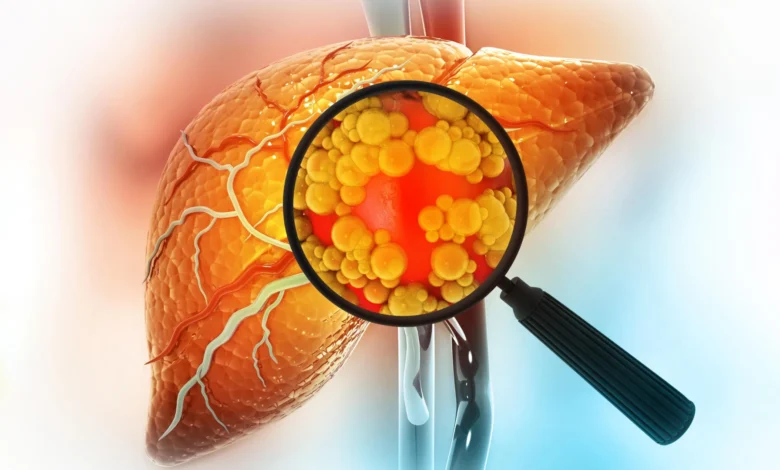
However, when these two conditions were introduced simultaneously, the pathological landscape shifted dramatically. Mice experiencing both reduced testosterone and high fructose consumption exhibited a severe, accelerated accumulation of fat within their liver tissues, translating to significantly heavier livers and vastly worsened steatosis. This dramatic morphological change confirmed that testosterone deficiency creates a systemic vulnerability that is rapidly exploited by a high-fructose diet, shifting the liver from a state of mild metabolic stress into active, accelerated disease pathology.
Intriguingly, this pathological weight gain was noticeably attenuated in the cohorts that received antibiotic treatment alongside the high-fructose diet. This critical observation served as the primary smoking gun, pointing directly toward the gastrointestinal tract as a vital mediator in the disease process. The antibiotic intervention suggested that gut bacteria were not merely passive bystanders in the development of MASLD, but active participants in translating dietary and hormonal insults into physical liver damage. Further microbiological and biochemical screening confirmed this hypothesis, revealing distinct shifts in gut bacterial composition, altered gene expression profiles within the liver, and abnormally elevated levels of pyruvate—a key intermediate compound in energy metabolism—nested within the cecum of mice exposed to the dual burden of low testosterone and fructose.
The Microbiome Connection: How Gut Bacteria and Pyruvate Drive Fat Storage
To transition from epidemiological correlation to mechanistic causation, the research team designed a series of secondary ex vivo and in vitro experiments. These follow-up analyses were engineered to pinpoint the exact biochemical pathway through which altered gut bacteria promoted hepatic fat accumulation under conditions of hormonal deficiency and high sugar intake.
"Upon examining this mechanism, we found that changes in the gut microbiota led to increased levels of pyruvate within the intestine. Furthermore, experiments using mouse-derived primary hepatocytes revealed that pyruvate acts synergistically with fructose to promote neutral lipid accumulation in hepatocytes," explained Takahashi, elucidating the core biochemical discovery of the study.
The cascading biological sequence unfolds in a highly organized manner. First, the reduction of testosterone alters the delicate ecological balance of the gut microbiome. This dysbiosis, when fueled by an influx of dietary fructose, stimulates the microbial production and accumulation of pyruvate within the intestine. Rather than simply passing through the digestive tract harmlessly, this elevated intestinal pyruvate enters the portal circulation and reaches the liver. Once inside the hepatic environment, pyruvate does not act alone; instead, it engages in a powerful biochemical handshake with circulating fructose. Laboratory isolations of primary mouse liver cells demonstrated that the combination of pyruvate and fructose actively amplifies the intracellular machinery responsible for neutral lipid synthesis, driving hepatocytes to store massive amounts of fat that they would otherwise process or expel.
This discovery fundamentally redefines the traditional narrative of MASLD pathogenesis. It establishes that the gut-liver axis is profoundly influenced by endocrine status, proving that a hormone as foundational as testosterone plays an active regulatory role in maintaining the microbial populations that govern metabolic health. Without adequate testosterone, the gut microbiome shifts toward a phenotype that actively manufactures metabolic precursors—namely pyruvate—which transform normal dietary sugars into hepatic toxins.
Implications for Global Health and Therapeutic Innovation
The publication of these findings in the American Journal of Physiology-Endocrinology and Metabolism arrives at a critical juncture for global healthcare systems. With MASLD impacting nearly half of the world’s adult male population, the economic and clinical toll of cirrhosis, hepatocellular carcinoma, and end-stage liver disease continues to escalate. Traditional therapeutic approaches have largely focused on lifestyle modifications, weight loss, and glycemic control—interventions that, while clinically sound, boast notoriously low long-term compliance rates among patients.
By illuminating the tripartite interaction between testosterone levels, dietary fructose, and the gut microbiome, this study opens entirely new vistas for targeted pharmacological intervention and nutritional medicine. Rather than relying solely on generalized weight reduction, future therapies may be engineered to interrupt the specific biochemical pathways identified by Takahashi, Harada, and their team.
In the wake of the study’s release, related parties within the gastroenterology and endocrinology communities have emphasized the profound translational potential of the research. Medical analysts suggest that the identification of pyruvate’s synergistic role with fructose provides a clear molecular target for drug developers. If pharmaceutical agents can successfully neutralize excess intestinal pyruvate or block its interaction with hepatic fructose receptors, clinicians could potentially halt or reverse the progression of fatty liver disease even in patients struggling with baseline hormonal imbalances or dietary indiscretions.
Furthermore, the data underscores the viability of microbiome-targeted therapies. The fact that antibiotic administration successfully blunted the severity of liver weight gain points toward the future integration of precision probiotics, prebiotics, or targeted antimicrobial agents into standard metabolic disease treatment protocols. By actively managing the composition of the gut microbiota, physicians may soon be able to fortify patients against the metabolic hazards of modern diets and age-related hormonal declines.
Future Horizons and Clinical Translation
While the current study provides robust mechanistic insights, the research team remains acutely aware of the translational bridge that must be crossed before these findings can directly impact human clinical care. Because the empirical data was gathered primarily through murine models and isolated mouse hepatocytes, rigorous human clinical trials will be required to validate whether the testosterone-fructose-pyruvate axis operates with the exact same biochemical efficiency in men.
Looking forward, Professor Harada and his colleagues have outlined an ambitious roadmap for subsequent investigations. "Going forward, we hope to clarify the mechanism by which pyruvate promotes triglyceride accumulation to pioneer the development of therapeutic drugs and establishment of preventive methods through dietary interventions," added Harada. This dual-pronged strategy aims to concurrently develop novel pharmacological molecules capable of inhibiting lipid synthesis pathways while designing evidence-based nutritional guidelines tailored specifically to men experiencing declining testosterone levels.
As researchers worldwide race to address the escalating burdens of metabolic disease, this study stands as a testament to the power of interdisciplinary science. By bridging endocrinology, gastroenterology, and microbiology, the research team has successfully illuminated a previously dark corner of human metabolism. For the millions of men worldwide navigating the silent progression of fatty liver disease, these findings offer a renewed sense of scientific hope—transforming abstract dietary warnings and hormonal statistics into concrete, actionable pathways toward prevention, treatment, and long-term metabolic recovery.