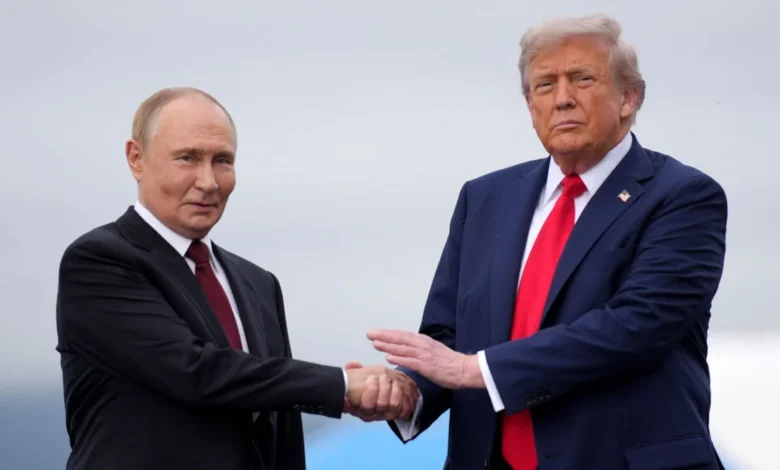
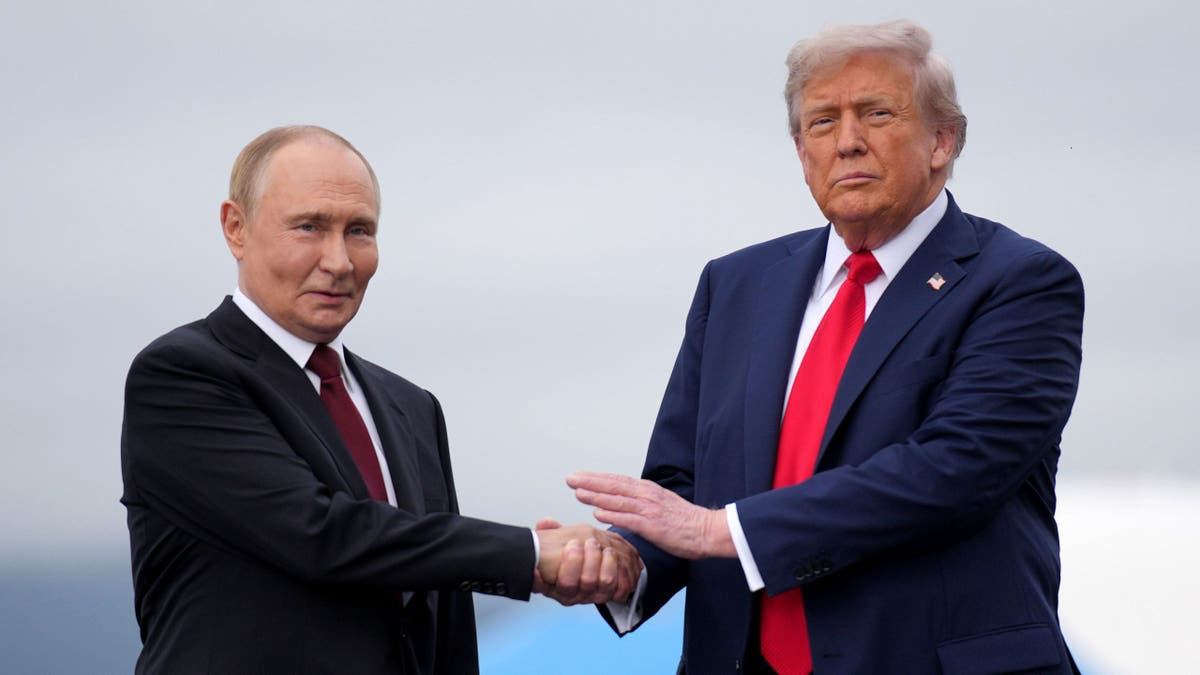
The transatlantic journey of three massive tankers laden with Russian diesel has ignited a firestorm in Washington, marking a significant and controversial shift in U.S. energy policy. The vessels, currently navigating toward American ports, represent the first tangible movement of fuel under a recent, high-stakes agreement between President Donald Trump and Russian President Vladimir Putin. This development has effectively bypassed the spirit of the 2022 legislative ban on Russian energy imports, prompting a wave of legislative scrutiny, legal questions, and threats of investigations from both sides of the aisle.
The Anatomy of the Deal
The current diplomatic arrangement, finalized on October 9, aims to address persistent diesel supply shortages and mitigate price volatility within the United States. The administration argues that the current global energy landscape, heavily disrupted by the ongoing conflict in Ukraine and subsequent regional instability, necessitates a pragmatic approach to energy security.
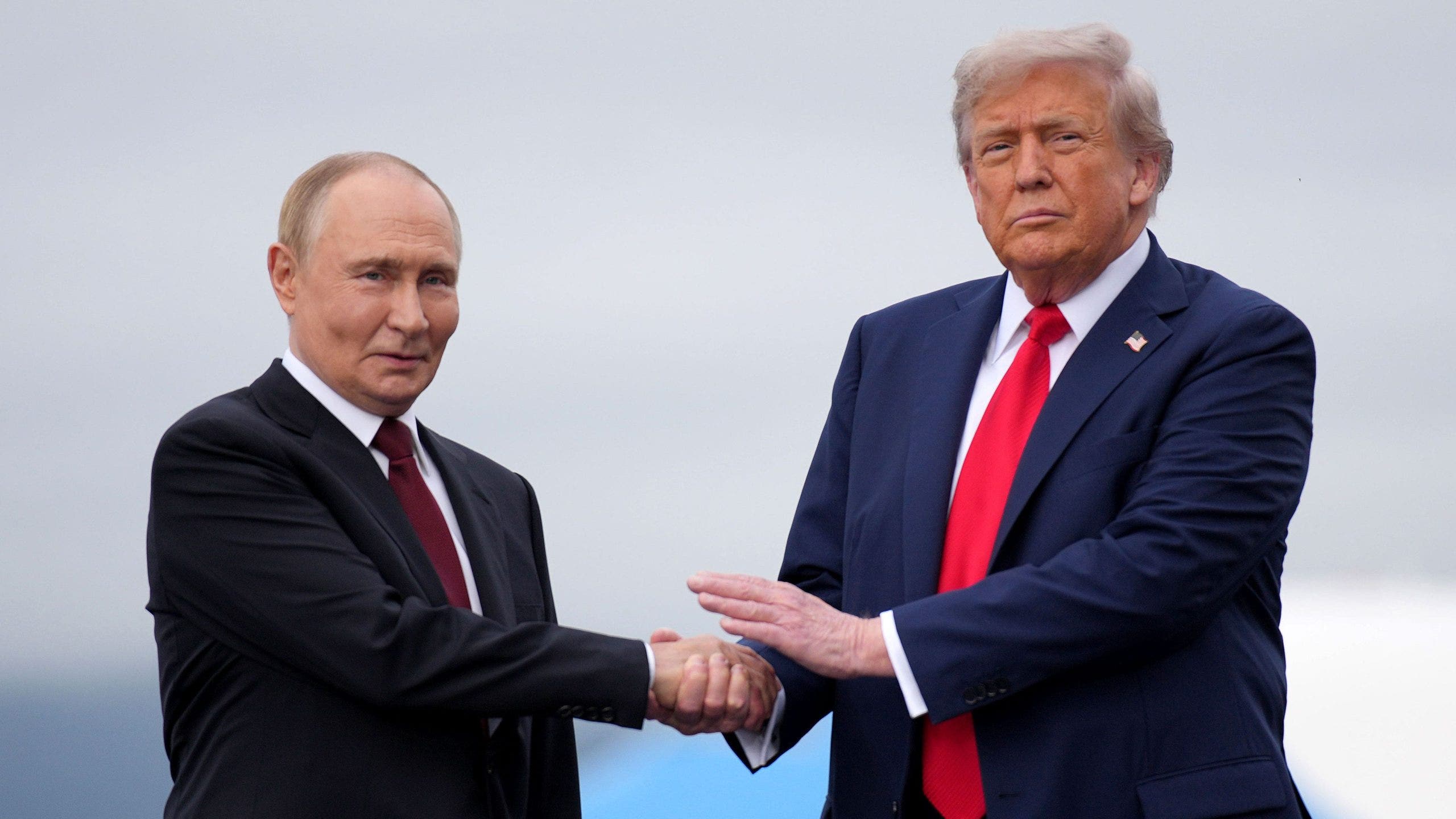
Under the terms of this bilateral deal, the United States has granted authorization for specific shipments of Russian diesel. In exchange, Moscow has pledged to release 300,000 metric tons of fuel into global markets, a figure slated to climb to 500,000 metric tons in November, with the potential for further increases to 1 million metric tons per month thereafter. Proponents of the move suggest this influx of supply is essential to stabilizing domestic fuel prices; however, critics argue that the policy undermines the integrity of the 2022 Ending Importation of Russian Oil Act and sends a contradictory message regarding U.S. sanctions policy.
Legal and Regulatory Hurdles
A primary point of contention is whether the White House possesses the legal standing to authorize these imports given the existing statutory ban. Jeremy Paner, a partner at the law firm Hughes Hubbard & Reed and a former Treasury Department official, suggests that the situation is more nuanced than a simple violation of law.
"The concern that the president has violated a law from 2022 is actually not founded in law, so the president certainly has the authority in this case to provide the authorization," Paner stated. He distinguishes between the removal of sanctions and the issuance of a transactional license. "Trump’s action did not lift, or remove, or waive the underlying prohibition on the importation of Russian diesel. What it did was authorize it, and as a matter of law, that is different. A license does not get rid of a prohibition; it is simply allowed."

Despite this legal interpretation, the use of vessels that are currently under U.S., U.K., and European Union sanctions complicates the matter. For instance, the tanker "Talisman," which is expected to arrive on the U.S. East Coast around November 9, remains subject to multiple international sanctions regimes. Paner notes that while U.S. authorizations may clear the path for these vessels to dock at American ports, the legal risk for international shipping companies, insurers, and banks remains acute, as the U.S. license does not extend to foreign jurisdictions.
Chronology of Recent Events
The logistical movement of these tankers follows a rapid sequence of diplomatic and operational developments:
- October 9, 2026: President Trump and President Putin reach an agreement to permit limited Russian diesel imports to the U.S. in exchange for increased Russian exports to global markets.
- October 27, 2026: Russian Deputy Prime Minister Alexander Novak confirms that three ships are currently in transit, with a fourth scheduled to depart Russia on October 28.
- October 28, 2026: Deadline for shipping companies and port authorities to confirm the preservation of transaction records and communications as requested by congressional investigators.
- November 7, 2026: Expected arrival date of the Malta-flagged "Agioi Fanendes," carrying approximately 40,000 metric tons of diesel.
- November 9, 2026: Expected arrival of the "Talisman," a vessel currently sanctioned by the U.S., U.K., and EU.
- November 11, 2026: Expected arrival of the Sierra Leone-flagged "Leruo," which has been subject to scrutiny over alleged deceptive shipping practices.
Congressional Opposition and Oversight
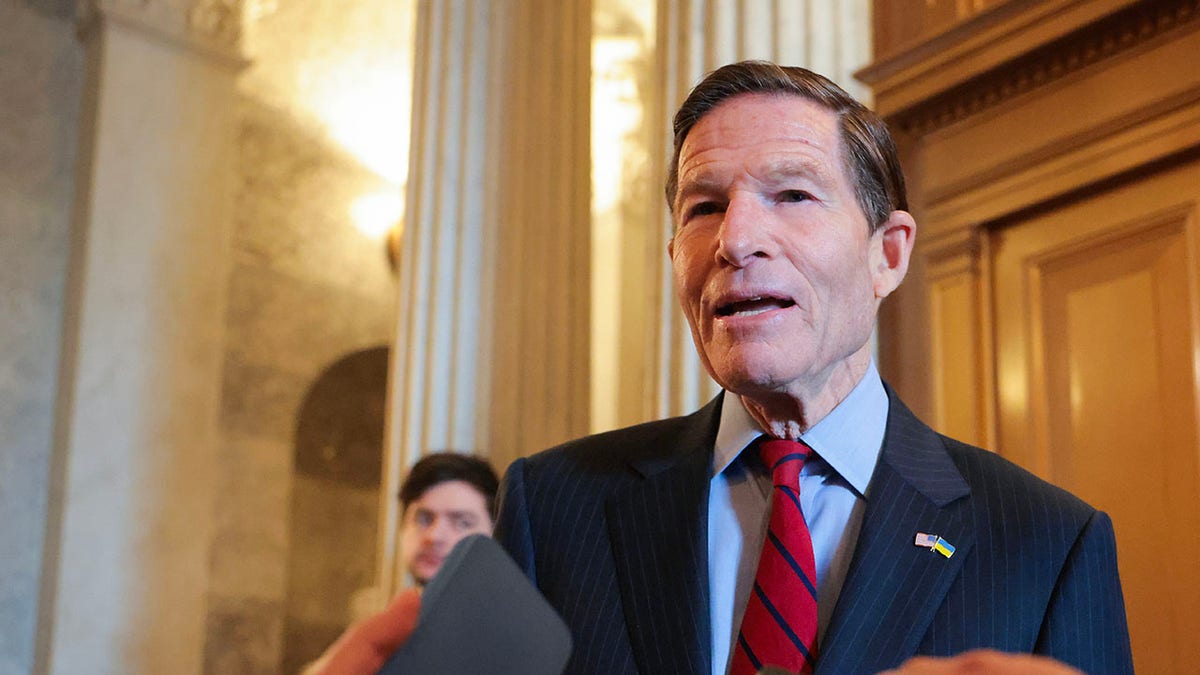
The backlash on Capitol Hill has been swift and bipartisan. Sen. Richard Blumenthal (D-Conn.) has led the charge against the administration, formally demanding that the shipping companies involved in the transit of these fuels immediately recall the vessels. In letters to Eastern Mediterranean Maritime Limited and PetroVietnam, Blumenthal argued that the Treasury Department’s "General License No. 135" is an insufficient legal mechanism to override the 2022 import ban.
The concern is not limited to the legality of the imports but extends to the potential for "sanctions laundering." Lawmakers are particularly wary of the use of aging, sanctioned tankers, which have historically been used to obscure the origin of petroleum products through ship-to-ship transfers at sea. By demanding the preservation of documentation, Congress is positioning itself to launch a formal investigation into the corporate entities facilitating these deliveries.
Economic and Strategic Implications
The decision to facilitate these imports highlights a broader, fundamental shift in the U.S. approach to Russian energy. Since the 2022 invasion of Ukraine, the United States had maintained a policy of strict isolationism regarding Russian oil and refined products. The current administration’s shift suggests a prioritizing of domestic price stability over the long-term goal of total energy decoupling from Moscow.
From a macroeconomic perspective, the influx of 140,000 metric tons of diesel is intended to dampen inflationary pressures on the U.S. transportation and logistics sectors. However, the move has triggered a "reputational risk" for any entity involved in the chain of custody. The maritime industry, including insurers and re-insurers, is now navigating a complex landscape where they must balance U.S. government authorization against the threat of secondary sanctions from European and British regulators.

"Sanctioned vessels would be used because of the reputational and legal risk exposure from moving Russian diesel," Paner explained. "Even if it’s blessed by the U.S., there are other sanctions out there that these big global logistics companies and shipping companies have to keep in mind."
The View from Moscow
Russian officials have framed the criticism from U.S. lawmakers as being counterproductive to American interests. During the recent Gas Exporting Countries Forum (GEC) summit, Deputy Prime Minister Alexander Novak explicitly criticized the political opposition in Washington.
"Overall, it is certainly surprising to see the stance taken by Democrats, who speak out—or even take action—in a way that is not in the best interests of the residents of the United States of America," Novak told reporters. By framing the imports as a humanitarian and economic necessity for American consumers, the Kremlin is attempting to leverage the deal to normalize trade relations despite the ongoing war in Ukraine.
Future Outlook: A Precedent for Future Trade?
The outcome of these specific deliveries will likely set a significant precedent for how the U.S. manages energy sanctions moving forward. If the administration successfully navigates the legal and political fallout, it may signal a shift toward a more transactional energy policy where sanctions are utilized as flexible levers rather than static prohibitions.
Conversely, if the congressional investigation results in significant penalties for the shipping or insurance companies involved, the "Trump-Putin diesel deal" could become a catalyst for a re-tightening of sanctions. For now, the three tankers continue their transit across the Atlantic, carrying not only fuel but the weight of a complex and increasingly fractured global energy strategy. As the ships approach the U.S. coast, the intersection of domestic energy policy, international maritime law, and geopolitical posturing remains in a state of high tension, with industry analysts and lawmakers alike awaiting the arrival of the vessels as a test of the administration’s resolve.