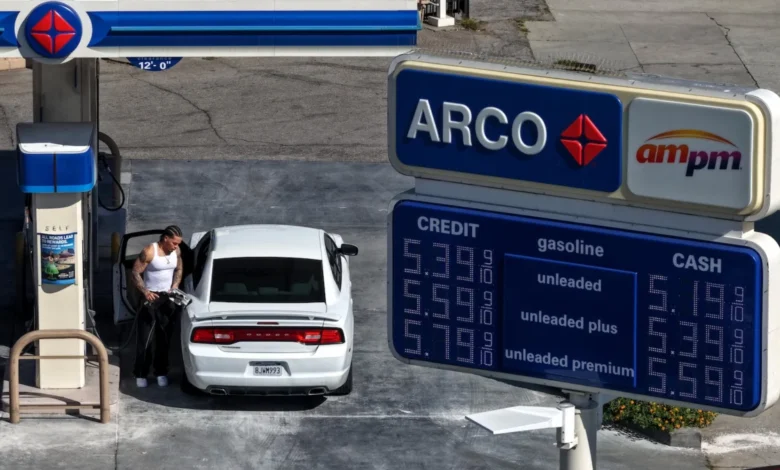
The American consumer has long been conditioned to monitor the flashing digits on gasoline station signage as the primary barometer of economic health. However, as geopolitical tensions in the Middle East escalate into active conflict, a more critical and often overlooked metric is sounding an alarm for the global economy: the price of diesel. While gasoline prices have surged significantly following the outbreak of hostilities and the subsequent closure of the Strait of Hormuz, new data suggests that diesel—the lifeblood of industrial commerce—is inflicting a disproportionately heavy blow on the domestic and international markets.
According to a comprehensive analysis and a new tracking tool developed by researchers at Brown University’s Watson Institute, the ongoing conflict has saddled American consumers with a staggering $19 billion in added fuel costs as of mid-April. Perhaps most striking is the composition of this figure. While the public discourse often centers on the "pain at the pump" for passenger vehicles, diesel fuel accounts for $9.4 billion—nearly half—of the total economic burden. This represents an average cost of approximately $71 per U.S. household, a figure that impacts every citizen regardless of whether they own a diesel-powered vehicle.
The Geopolitical Catalyst: A Chronology of the Crisis
The current energy crisis traces its roots to February 28, when a series of military engagements involving Israel, the United States, and Iran fundamentally altered the security landscape of the Middle East. The immediate response from Tehran was the closure of the Strait of Hormuz, a narrow waterway through which approximately 21 million barrels of oil—or roughly 20 percent of the world’s daily petroleum consumption—pass.
The closure sent immediate shockwaves through global energy exchanges. Although international diplomats attempted to broker a resolution, the situation deteriorated over the following weeks. A tentative two-week ceasefire, intended to allow for the passage of stranded tankers and the resumption of trade, proved largely ineffective. According to maritime tracking data, only a handful of vessels successfully transited the embattled waterway during this window, as insurance premiums for "war risk" skyrocketed, making transit prohibitively expensive for most commercial fleets.
The collapse of peace negotiations over a recent weekend led to a further escalation. Following the failure of the United States and Iran to reach a settlement, the White House announced a formal blockade of Iranian ports. This policy, which commenced on Monday morning, has reintroduced a high level of volatility into the market. While Brent crude—the international benchmark—remains a key indicator of future expectations, the "spot price" (the cost for immediate delivery) has begun to trend significantly higher. This discrepancy suggests that the physical supply of oil is tighter than what is reflected in long-term contracts, a sentiment echoed by industry leaders like Chevron CEO Mike Wirth, who noted that the market is currently reflecting a deeper crisis than many analysts realize.
The Diesel Discrepancy: Why Prices Are Outpacing Gasoline
The impact of the war has not been felt equally across different petroleum products. Since the commencement of hostilities on February 28, diesel prices have surged by 54 percent, significantly outpacing the 38 percent increase seen in gasoline. Several structural and seasonal factors contribute to this disparity.
First, the refining process itself dictates a certain level of scarcity. A single barrel of crude oil yields a fixed percentage of different distillates; typically, refineries produce more gasoline than diesel from each barrel. When the total supply of crude is constricted by a blockade or the closure of a major transit route like Hormuz, the "middle distillates"—which include diesel and jet fuel—often see more aggressive price spikes because their baseline supply is lower.
Second, the timing of the conflict exacerbated existing market pressures. The military operations began on the heels of an unusually protracted and cold winter in the American Northeast. In this region, heating oil is a primary source of residential warmth. Because heating oil and diesel share nearly identical molecular structures and are often produced in the same refining streams, the seasonal demand for heating oil had already depleted inventories. "Coming out of winter, heating oil consumption is elevated," explained Patrick De Haan, head of petroleum analysis at GasBuddy. "That usually impacts diesel as well, creating a perfect storm of high demand and low supply just as the war began."
The Inelasticity of Industrial Demand
One of the most critical differences between gasoline and diesel lies in the "elasticity" of demand. Gasoline demand is relatively elastic, meaning that as prices rise, consumers can change their behavior to mitigate costs. They may cancel road trips, utilize public transportation, or carpool. Data from April 11 indicates that American drivers have already begun cutting back on non-essential travel in response to the Iran conflict.
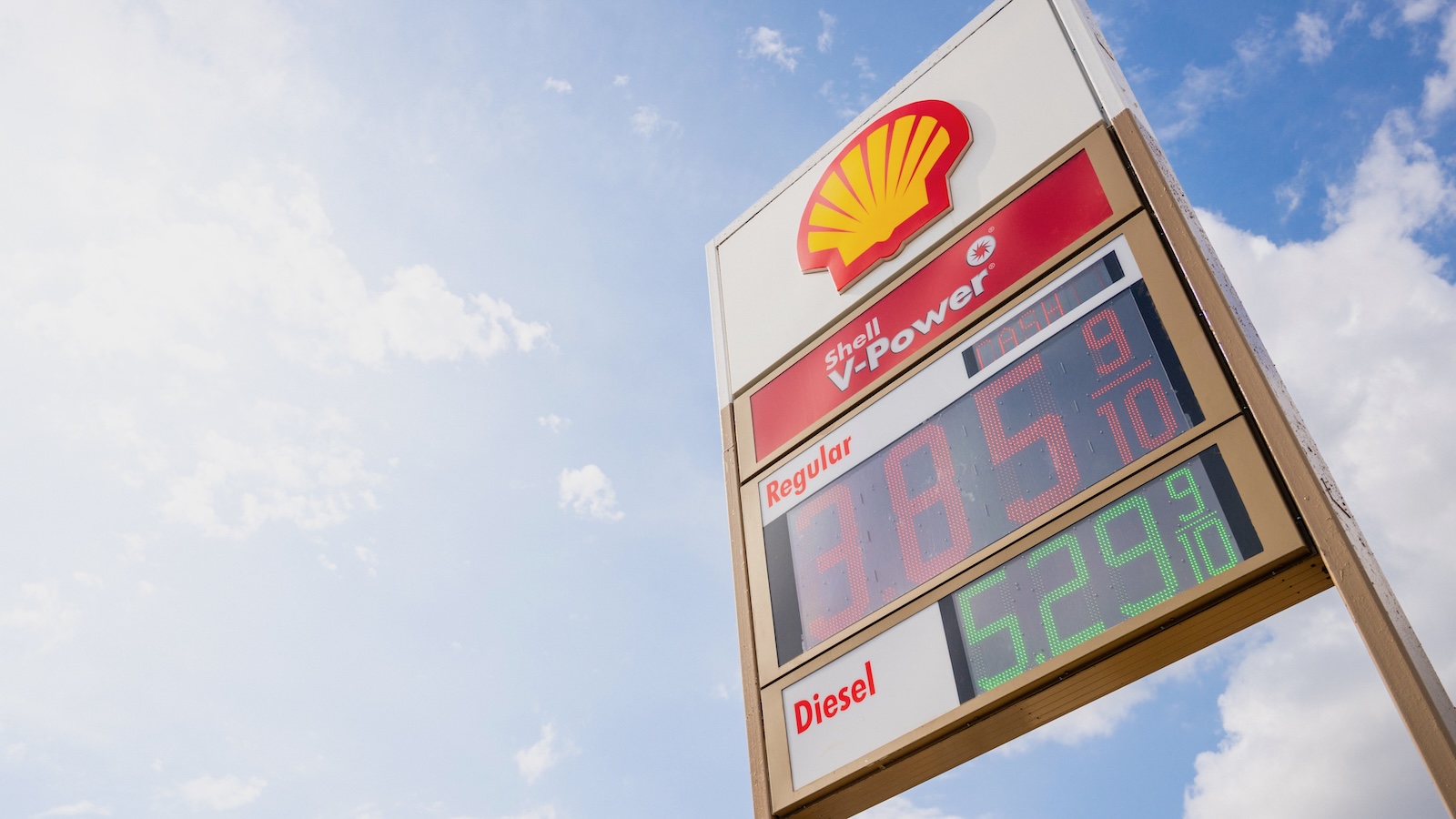
Diesel demand, however, is largely inelastic. It is the primary fuel for the heavy-duty machinery that sustains the modern economy, including Class 8 trucks, freight locomotives, agricultural tractors, and construction equipment. These sectors do not have the luxury of reducing consumption without halting operations entirely.
"You’re probably feeling it in ways you don’t realize," said Jeff Colgan, a political scientist at Brown University and the lead architect of the Iran War Cost dashboard. "Virtually every good in the country passes through the diesel supply chain at some point." When the cost of transport for a gallon of milk or a load of timber increases due to diesel surcharges, those costs are inevitably passed down to the end consumer in the form of higher retail prices. This creates an inflationary "hidden tax" that affects the cost of living even for households that do not own a car.
Winners and Losers in the Global Energy Shift
While the crisis has been a net negative for global consumers, the disruption of the Middle Eastern supply chain has created a vacuum that other oil-producing nations are moving to fill. The primary beneficiaries are those with significant production capacity located outside the influence of the Strait of Hormuz.
According to market analysts, Russia and the United States have emerged as the dominant beneficiaries of the current price environment. As Iranian and Gulf-state oil remains locked behind the blockade, Brent crude prices have remained elevated, allowing non-OPEC+ producers and those with Atlantic-facing ports to command a premium for their exports. This shift in market share could have long-term implications for global energy diplomacy, potentially strengthening the leverage of Western producers while weakening the traditional dominance of the Middle East.
However, the "windfall" for these producers comes at the cost of extreme market instability. The physical infrastructure of the oil industry—including pipelines, pumping stations, and offshore rigs—is vulnerable in a conflict zone. Reports indicate that even if the Strait of Hormuz were to open tomorrow, it could take several months to repair damaged infrastructure and for the market to recalibrate to pre-war levels.
Economic Implications and the Path Forward
The long-term economic implications of sustained high diesel prices are profound. Beyond immediate inflation, there are concerns regarding the "million-dollar tanker fees" that Iran has reportedly proposed for any future transit through the strait. If implemented, these fees would act as a permanent tariff on global energy, further cementing higher baseline costs for transportation and manufacturing.
Furthermore, the "readiness" of the global economy to transition to alternative energy sources is being tested. While high gasoline prices often serve as a catalyst for electric vehicle (EV) adoption, the technology for heavy-duty diesel alternatives—such as hydrogen fuel cells or electric semi-trucks—is not yet at the scale necessary to provide relief to the logistics sector. This leaves the global supply chain uniquely vulnerable to the whims of Middle Eastern geopolitics.
As the northern hemisphere moves toward summer, some relief may be on the horizon regarding the price gap between diesel and gasoline. Historically, summer is the peak season for gasoline demand due to increased travel, while diesel demand often stabilizes. Patrick De Haan of GasBuddy suggests that while total fuel prices may remain high, the "spread" between the two may narrow. "From here on out, you may see a little bit less of an increase in diesel as markets move up," De Haan noted, though he cautioned that this assumes no further military escalations that target refining capacity.
Summary of Economic Impact
The findings from the Brown University study provide a sobering look at the true cost of modern warfare in a globalized economy. The $19 billion figure is not merely a headline; it represents lost purchasing power for families and increased operational risks for businesses.
| Metric | Impact/Value |
|---|---|
| Total Added Fuel Cost | $19 Billion |
| Diesel Share of Cost | $9.4 Billion |
| Average Cost per U.S. Household | $71.00 |
| Diesel Price Increase (since Feb 28) | 54% |
| Gasoline Price Increase (since Feb 28) | 38% |
| Global Oil Transit through Hormuz | 20% |
As the blockade continues and the diplomatic impasse persists, the "diesel tax" will likely remain a persistent drag on economic growth. The crisis serves as a stark reminder that in the modern world, the stability of a narrow waterway on the other side of the globe is inextricably linked to the price of goods on a local grocery shelf. The focus may remain on the gas station sign, but the real economic story is being written by the trucks and trains that keep the nation moving—and the expensive fuel that powers them.