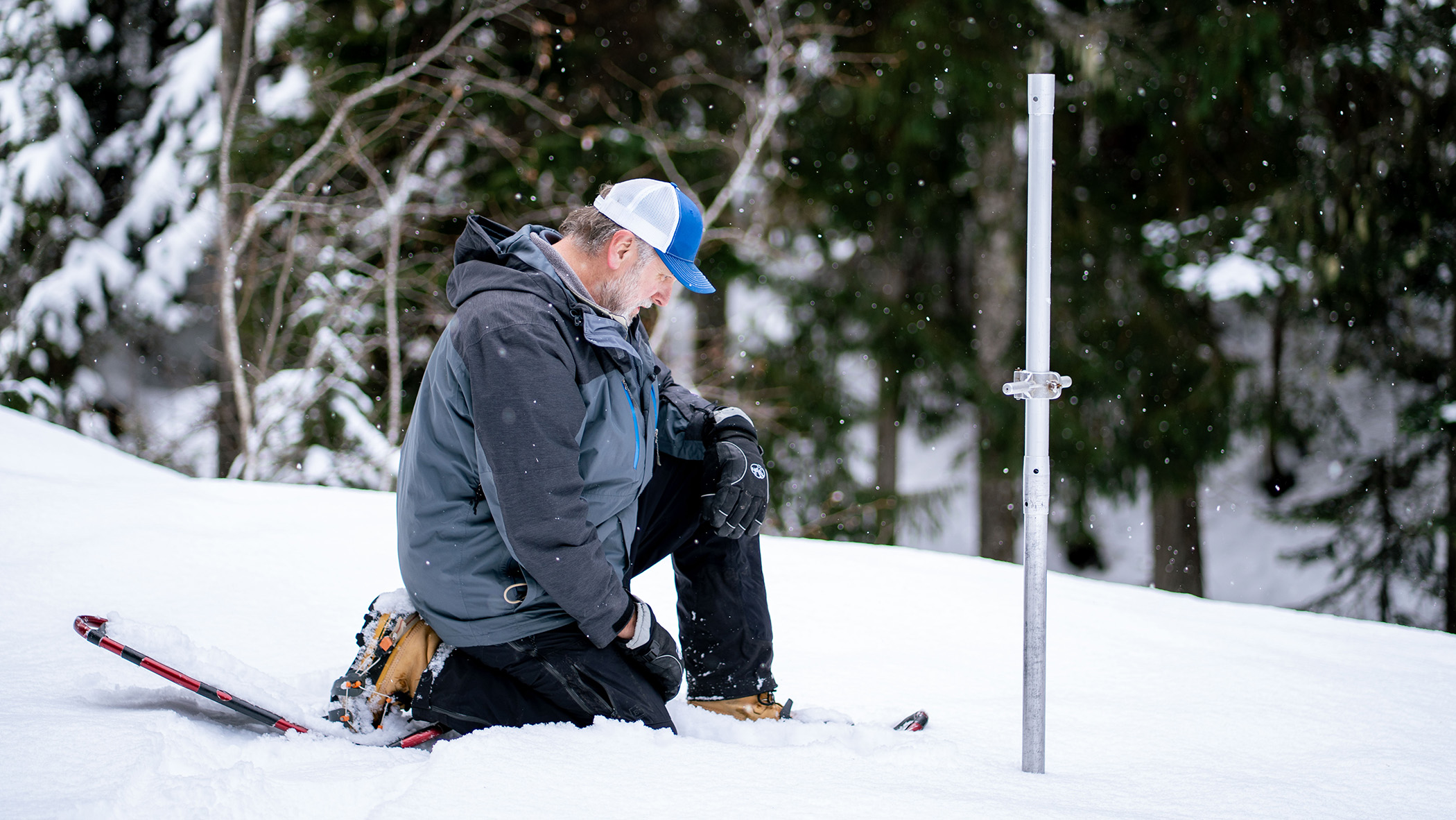
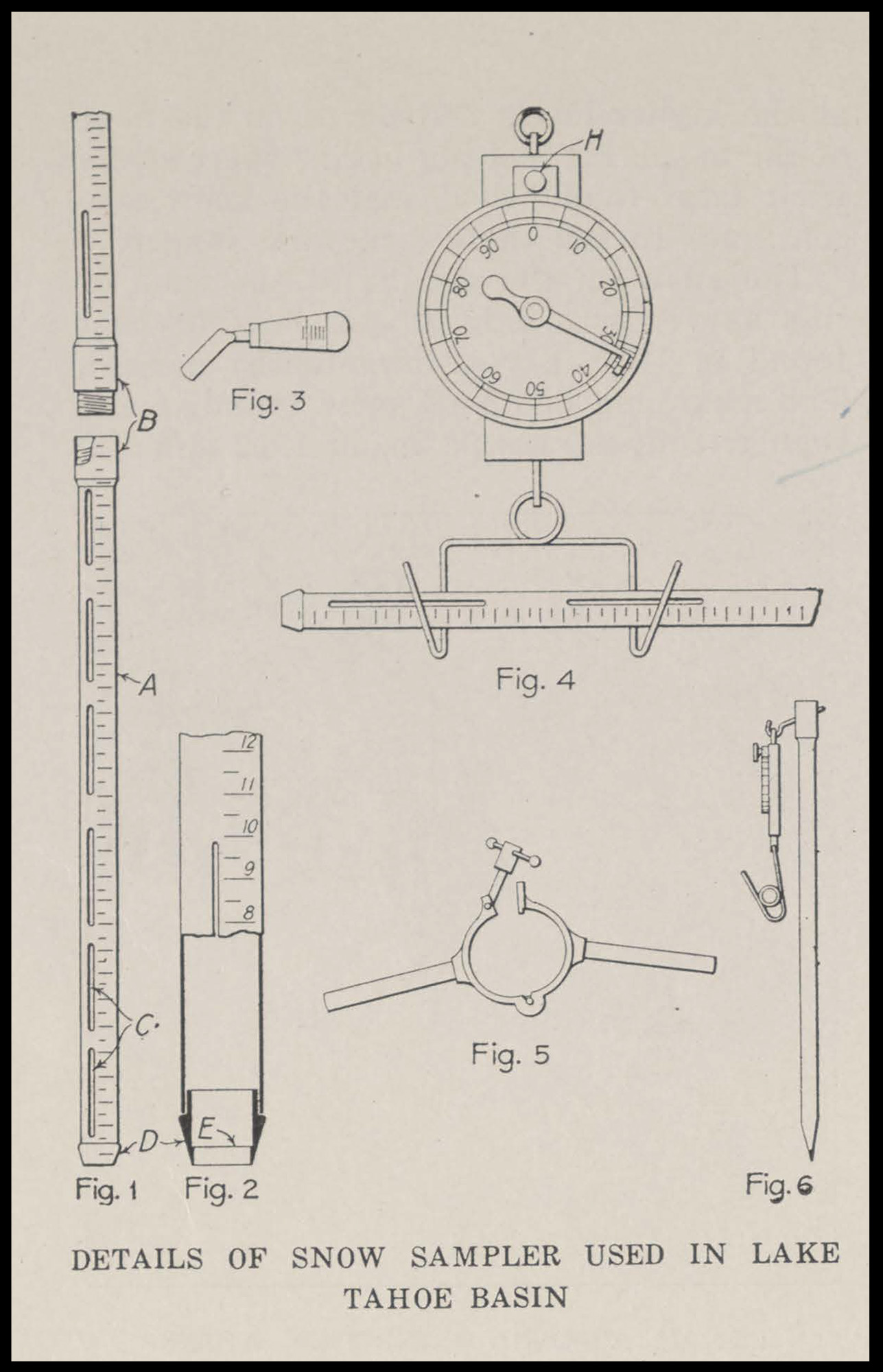
On a frigid morning in February, Toby Rodgers, a hydrologist with the U.S. Department of Agriculture’s Natural Resources Conservation Service (NRCS), moved methodically across a white expanse in Washington’s Cascade Mountains. Strapped into snowshoes and braced against the mountain wind, Rodgers carried a tool that appeared more like a relic of the industrial revolution than a piece of modern scientific equipment: a long, hollow aluminum tube tipped with a sharp, serrated steel bit. This device, known as the Church Sampler, remains the gold standard for snow science, despite being invented over a century ago.
When Rodgers reached a predetermined sampling point, he drove the tube vertically through the snowpack until it struck the soil beneath. After extracting the core, he cleared away the debris and suspended the snow-filled tube from a handheld spring scale. This rudimentary measurement provides a critical data point: the Snow Water Equivalent (SWE). By weighing the snow, Rodgers can determine exactly how much liquid water is locked within the frozen layers. This figure is the lifeblood of the American West, providing the primary forecast for how much water will flow into the rivers, irrigation canals, and reservoirs that sustain millions of people during the arid summer months.
The Genesis of Snow Science: James Church and the Mount Rose Sampler
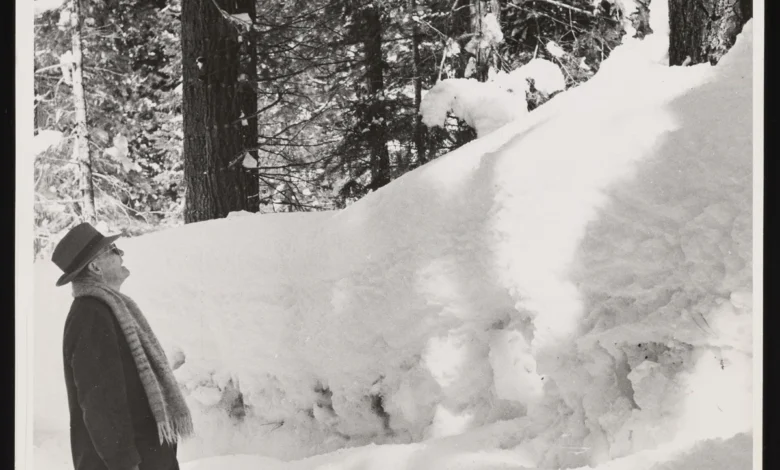
The history of this low-tech marvel begins not with a hydrologist, but with a professor of the classics. James Edward Church, a Latin teacher at the University of Nevada, Reno, was an avid mountaineer who spent his winters exploring the Sierra Nevada range in the early 1900s. At the time, the growing populations of Reno and the surrounding agricultural valleys were locked in frequent disputes over water rights. While the community knew that the spring melt filled the Truckee River and Lake Tahoe, there was no reliable way to predict the volume of that runoff.
Church hypothesized that the depth of the snow was a poor indicator of water content because snow density varies wildly based on temperature and settling. A foot of light, "powder" snow might contain only half an inch of water, while a foot of heavy, wet snow could contain four inches. In 1906, Church developed the "Mount Rose Sampler," later renamed the Church Sampler. His invention allowed scientists to extract a vertical profile of the snowpack and weigh it, applying the physical principle that the weight of the snow core is equal to the weight of the water it will eventually produce.
By 1910, Church’s methods had proven so accurate in predicting the rise of Lake Tahoe that the state of Nevada established the first formal snow survey. The success of the program caught the attention of federal authorities, leading to the creation of a coordinated national snow survey program under the USDA in 1935. Today, the NRCS maintains a network of over 900 automated SNOTEL (Snow Telemetry) sites across the West, but manual surveys using the Church Sampler remain indispensable for verifying automated data and maintaining long-term historical records that date back over a century.
The Mechanics of the Snow Survey
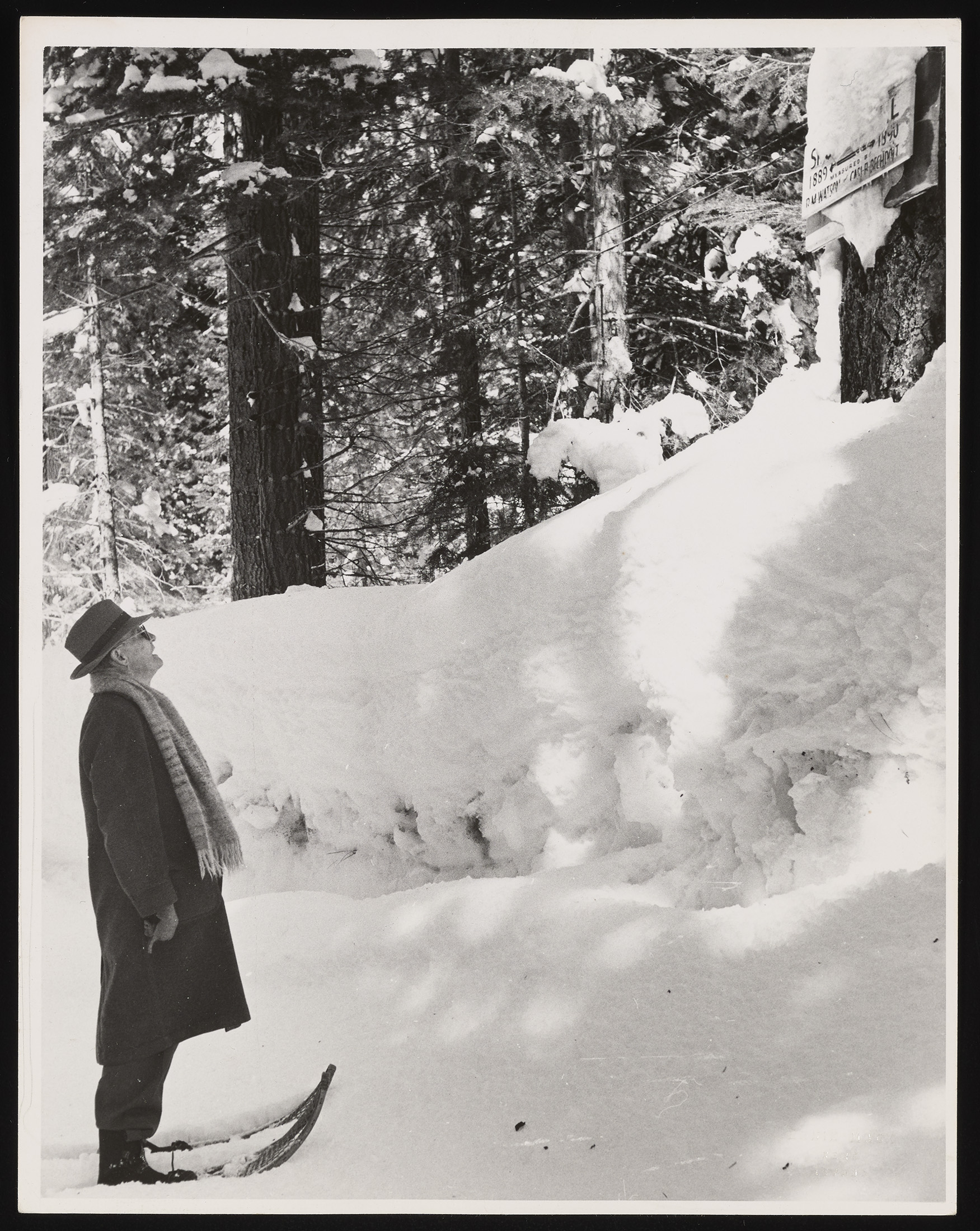
The process Rodgers follows is part of a broader, synchronized effort across the Western United States. Each winter, hundreds of surveyors head into the backcountry to visit "snow courses"—specific locations where measurements have been taken at the same coordinates for decades. The consistency of these locations allows hydrologists to compare current conditions against historical averages with high precision.
The Church Sampler consists of several threaded sections of aluminum tubing, allowing it to be extended to measure snowpacks that can exceed 20 feet in depth. The serrated bit at the bottom is designed to cut through "ice lenses"—hard layers formed by mid-winter thaws—to ensure a complete core is captured. Once the tube is pulled up, the surveyor must check the bottom for a "dirt plug." This confirms the tube reached the ground, ensuring the entire depth of the snow was sampled.
The resulting SWE data is fed into complex hydrological models used by the Bureau of Reclamation, the National Weather Service, and local water managers. These models determine everything from the allocation of water to California’s Central Valley farmers to the flood control operations of major dams like the Hoover and Glen Canyon.
A System Under Siege: The Rise of the Snow Drought
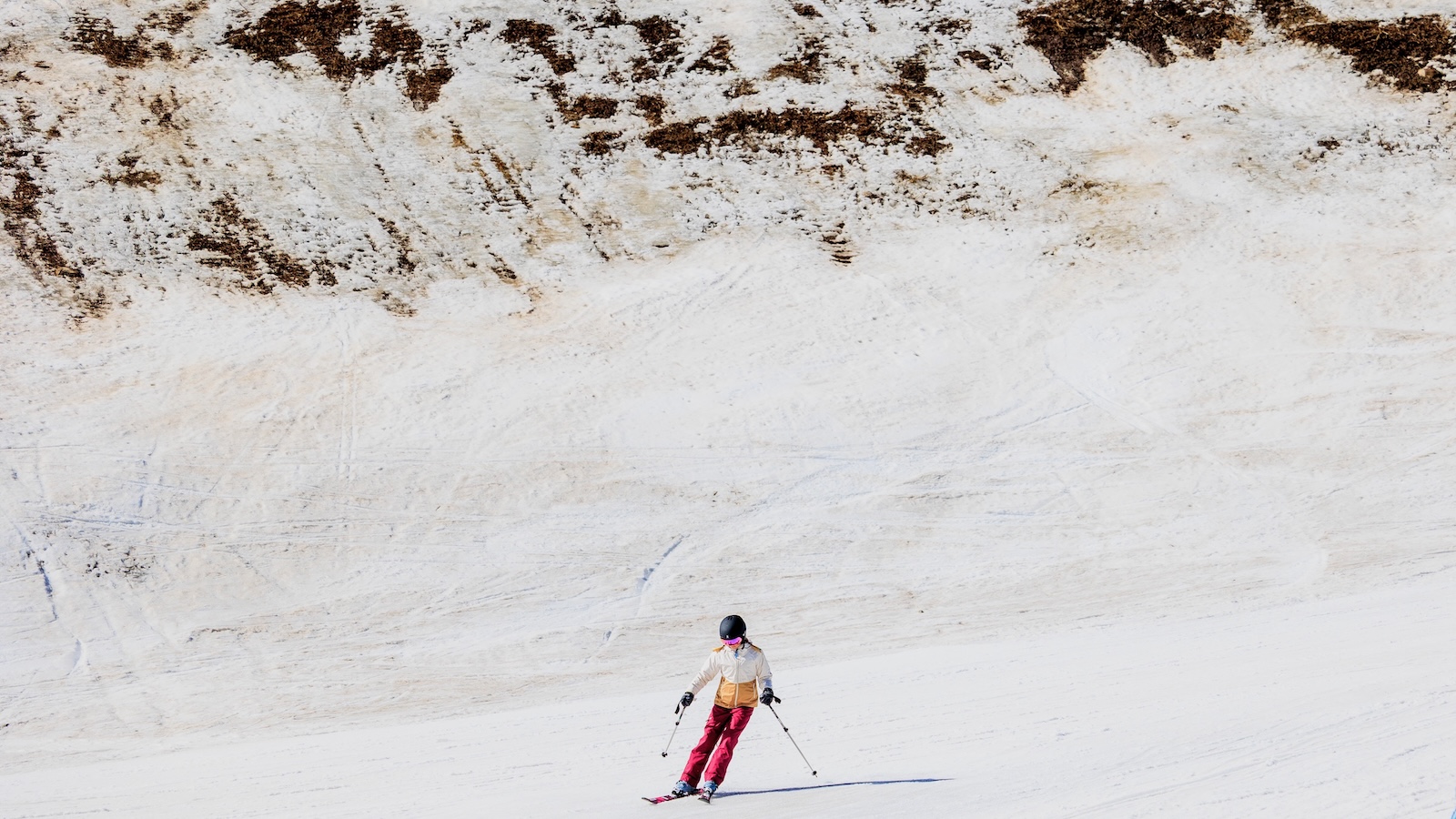
While the Church Sampler remains a constant, the environment it measures is undergoing a radical and rapid transformation. In recent years, snow scientists have observed a phenomenon known as "snow drought." This occurs when winter precipitation either fails to materialize or falls as rain rather than snow due to rising global temperatures.
Data from the 2025-2026 winter season highlights the severity of this trend. On April 1—the date traditionally used as the benchmark for peak snowpack—measurements across the West showed alarming deficits. In parts of the Sierra Nevada and the Southwest, snow levels were recorded at just 17 percent of their historical averages. These "brown-out" conditions are becoming more frequent, disrupting a water management system that was designed around the assumption of a reliable, slow-melting mountain "water tower."
The implications of a diminished snowpack are multifaceted. Snow acts as a natural reservoir, storing water in the mountains and releasing it gradually as temperatures rise in the late spring and early summer. When this storage mechanism fails, the timing of water availability shifts. Instead of a steady flow in July and August, when demand for crop irrigation and municipal use is at its peak, the water arrives in a sudden, often destructive rush in mid-winter or early spring.
The Rain-on-Snow Crisis and Infrastructure Failure
One of the most dangerous manifestations of a warming climate is the rain-on-snow event. This occurs when a warm atmospheric river brings heavy rain to high elevations that are already covered in snow. The rain does not merely run off; it transfers heat to the snowpack, causing rapid melting and a massive, combined surge of water.
Rodgers witnessed the aftermath of such an event at Stevens Pass in Washington. During the winter of 2025, a massive rain-on-snow storm caused catastrophic flooding. Because the ground was frozen and the snowpack was saturated, the water had nowhere to go but down. The resulting torrent wiped out sections of Highway 2, a critical mountain artery, closing it for months for repairs.
"Some of the courses that were established a hundred-plus years ago used to get a very consistent snowpack," Rodgers noted. "When we measure it now, we don’t know for sure what we’re going to find on the ground when we get there. We are seeing more rain where there used to be only snow."
This shift poses a significant threat to infrastructure. Most dams in the West were built to manage spring runoff, not massive mid-winter rain floods. If reservoirs are kept empty to catch potential floods, they may not fill up for the summer. If they are kept full for summer water security, a sudden rain-on-snow event could force emergency spills that overwhelm downstream communities.
Broader Impacts: Agriculture, Wildfire, and the Economy
The decline of the Western snowpack is not merely an environmental concern; it is an economic existential threat. A 2021 review article published in the journal Nature estimated that the Western United States could lose approximately 25 percent of its historical mountain snowpack over the next 25 years.
For the agricultural sector, which consumes roughly 80 percent of the water in many Western states, the loss of snowpack means fallowed fields and higher food prices. In California, the world’s leading producer of almonds, walnuts, and several other high-value crops, the lack of snowmelt-driven irrigation has already forced farmers to rely heavily on groundwater, leading to land subsidence and the drying up of domestic wells.
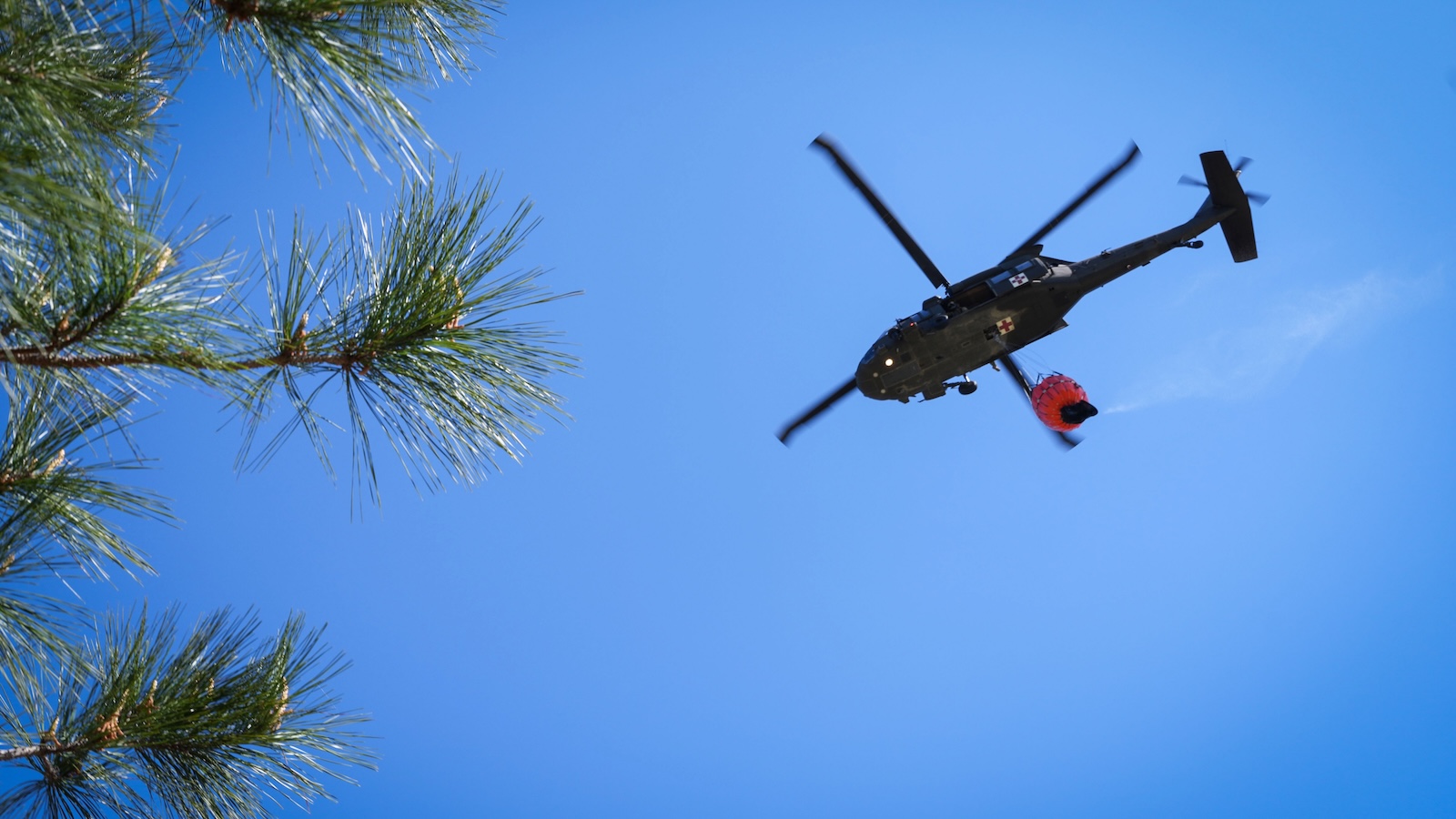
Furthermore, snowpack levels are directly tied to wildfire risk. A deep, lingering snowpack keeps forest fuels moist well into the summer. When the snow melts early or fails to form, the "fire season" begins weeks earlier and lasts longer. The record-breaking wildfires seen across Oregon, Washington, and California in the last decade have almost all been preceded by winters with below-average SWE.
The Future of Snow Science
In response to these challenges, the field of snow science is evolving. NASA’s Airborne Snow Observatory (ASO) now uses LiDAR and spectrometers mounted on aircraft to map snow depth and albedo (reflectivity) across entire watersheds with staggering accuracy. These high-tech tools provide a "big picture" that James Church could never have imagined.
However, even with satellite arrays and laser-mapping aircraft, the Church Sampler remains the final word in accuracy. It provides the "ground truth" necessary to calibrate the sensors in space. As the climate becomes increasingly unpredictable, the manual labor of hydrologists like Toby Rodgers becomes even more vital.
The data collected by the humble aluminum tube is now used to draft drought contingency plans, negotiate interstate water compacts, and design the next generation of climate-resilient infrastructure. While the snowpack of the future may be thinner and less reliable, the science of measuring it remains the most powerful tool society has to navigate a water-scarce future. The legacy of James Church lives on in every core of snow pulled from the mountain soil, providing a clear, if sobering, look at the life-giving resource upon which the entire American West depends.