Small Batch Overnight Cinnamon Rolls: Your Ultimate Guide to Perfectly Tender, Flavorful Dough
The allure of warm, gooey cinnamon rolls, fresh from the oven, is undeniable. However, crafting these bakery-worthy treats at home often involves a time commitment that can be daunting for busy individuals or small households. Enter the magic of small batch overnight cinnamon rolls. This method leverages the power of slow fermentation, allowing the dough to develop a deeper flavor and an incredibly tender, melt-in-your-mouth texture, all while minimizing active preparation time. Unlike large batches designed to feed a crowd, this recipe is meticulously scaled to produce a smaller quantity, making it ideal for couples, small families, or anyone who simply wants a delightful indulgence without an overwhelming surplus. The overnight aspect is crucial; it’s not just about convenience, but about the transformative process of yeast activity working its magic over several hours in the refrigerator. This slow, cold fermentation breaks down complex starches into simpler sugars, enhancing sweetness and contributing to that characteristic softness and a slightly tangy undertone that is the hallmark of truly exceptional cinnamon rolls. Mastering small batch overnight cinnamon rolls unlocks the secret to consistently perfect results, transforming weekend mornings or even busy weeknights into an occasion. This article will guide you through every step, from selecting the right ingredients to the final, glorious bake, ensuring your small batch endeavor is a resounding success. We will delve into the science behind the overnight rise, troubleshoot common issues, and offer variations to personalize your experience.
The foundation of any great cinnamon roll, regardless of batch size, lies in the quality of its ingredients. For small batch overnight cinnamon rolls, precision is key. You’ll begin with all-purpose flour, the workhorse of most baking, providing structure without being too heavy. Bread flour can be used for an even chewier texture, but for the quintessential soft roll, all-purpose is generally preferred. The fat component is critical for tenderness and richness. Unsalted butter, softened to room temperature, is the gold standard. It imparts a superior flavor and contributes to the luxurious mouthfeel of the rolls. Some recipes might incorporate vegetable oil for added moisture, but butter reigns supreme for flavor. Sugar, granulated, is essential for feeding the yeast and providing sweetness to the dough. Whole milk, warmed to a lukewarm temperature (around 105-115°F or 40-46°C), is crucial for activating the yeast. Too hot, and you’ll kill the yeast; too cold, and it won’t activate effectively. The warmth also contributes to the dough’s overall tenderness. Active dry yeast or instant yeast can be used. If using active dry, it will need to be proofed in the warm milk with a pinch of sugar before being added to the flour mixture. Instant yeast can be mixed directly with the dry ingredients, simplifying the process slightly. A touch of salt is non-negotiable; it balances the sweetness, strengthens the gluten network, and enhances the overall flavor profile. For the filling, the hero is, of course, cinnamon. A good quality ground cinnamon is paramount. Darker, more fragrant cinnamons, such as Ceylon or Korintje, will yield a more intense flavor. Brown sugar, either light or dark, is essential for the caramelization that occurs during baking, creating that signature gooeyness. A common ratio for the filling is roughly one-third cup of packed brown sugar to one to two tablespoons of cinnamon, adjusted to personal preference. For the frosting, cream cheese is a popular choice for its tangy counterpoint to the sweet rolls. Unsalted butter, softened, forms the base of the frosting, providing richness. Powdered sugar, also known as confectioners’ sugar, is vital for achieving a smooth, creamy texture. A splash of milk or cream is used to reach the desired consistency, and a hint of vanilla extract elevates the flavor. For a small batch, these ingredients are scaled down proportionally, ensuring you have just the right amount to avoid waste and achieve the perfect dough-to-filling ratio.
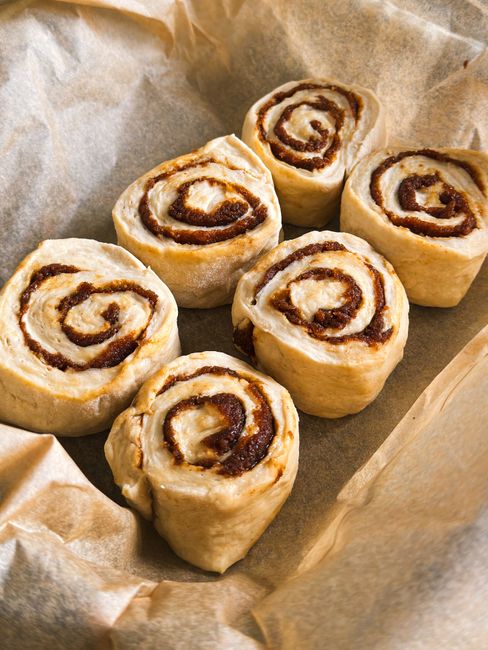
The process of creating small batch overnight cinnamon rolls is designed for maximum flavor development with minimal active effort. Begin by combining the dry ingredients in a large mixing bowl: flour, salt, and if using instant yeast, the yeast as well. If using active dry yeast, warm the milk, stir in a pinch of sugar, and sprinkle the yeast over the top. Let it sit for 5-10 minutes until foamy, indicating the yeast is active. Then, in a separate bowl, whisk together the softened butter and granulated sugar until creamy. Add the activated yeast mixture (or the warm milk if using instant yeast) and any eggs to the butter-sugar mixture and beat until well combined. Gradually add the wet ingredients to the dry ingredients, mixing with a wooden spoon or a stand mixer fitted with a dough hook until a shaggy dough forms. Knead the dough for 5-8 minutes until it becomes smooth and elastic. This develops the gluten, which is crucial for the structure and texture of the rolls. The dough should be slightly sticky but manageable. If it’s too sticky, add flour a tablespoon at a time; if too dry, add milk a tablespoon at a time. Once the dough is adequately kneaded, place it in a lightly oiled bowl, cover it tightly with plastic wrap, and refrigerate for at least 8 hours, or preferably overnight. This slow, cold fermentation is where the magic happens. The yeast, in a cooler environment, ferments at a slower pace, developing complex flavor compounds and breaking down the gluten structure, resulting in an incredibly tender dough. When you’re ready to proceed, remove the dough from the refrigerator. It will have risen significantly and will be puffy and airy. Lightly grease a clean surface and turn the dough out. Gently punch down the dough to release excess air. Roll the dough into a rectangle, approximately 10×12 inches. Don’t overwork the dough at this stage; be gentle to maintain the airiness. In a small bowl, mix together the softened butter, brown sugar, and cinnamon for the filling until a paste-like consistency is achieved. Spread this filling evenly over the rolled-out dough, leaving a small border along one of the long edges. This border will help seal the rolls once they are rolled up. Starting from the long edge opposite the border, tightly roll up the dough. The tight roll is essential for creating distinct layers and preventing the filling from oozing out. Once rolled, pinch the seam to seal it. Using a sharp knife or dental floss (which creates cleaner cuts and prevents squishing), slice the roll into 6-8 equal portions. For incredibly clean cuts, gently saw through the dough with a sharp knife or use unflavored dental floss by sliding it under the roll and crossing the ends over the top, pulling to slice. Place the cut cinnamon rolls, cut-side up, into a greased small baking dish or individual ramekins, ensuring they have a little space to expand. Cover the dish loosely with plastic wrap or a clean kitchen towel and let them rest at room temperature for 30-60 minutes while your oven preheats. This final proof allows the rolls to puff up slightly before baking, contributing to their lightness.
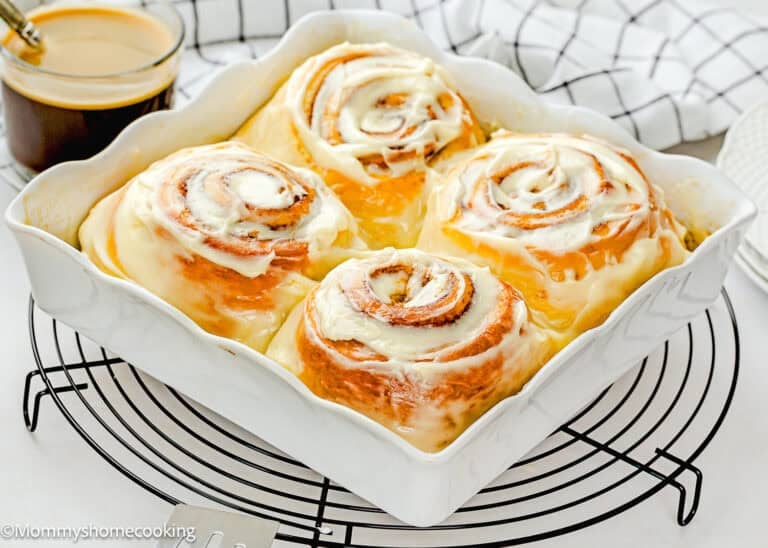
The baking and frosting stages are the grand finale for your small batch overnight cinnamon rolls, transforming the prepared dough into a truly irresistible treat. Preheat your oven to 350°F (175°C). The temperature is moderate to ensure the rolls bake through evenly without the exterior burning before the interior is cooked. Place the baking dish with the risen cinnamon rolls into the preheated oven. Baking time will typically range from 20 to 30 minutes, depending on the size of your rolls and your oven. The key indicators of doneness are a golden-brown exterior and a slightly puffed appearance. You can gently touch the center of a roll; if it springs back slightly, it’s likely done. If you’re unsure, insert a toothpick into the center of a roll; it should come out clean or with a few moist crumbs attached, not wet batter. Overbaking will result in dry, tough rolls, so it’s better to err on the side of slightly underbaked, especially if you prefer an extra gooey center. While the rolls are baking, prepare the cream cheese frosting. In a medium bowl, beat together the softened cream cheese and softened unsalted butter until smooth and creamy. This is best done with an electric mixer, either a hand mixer or a stand mixer. Gradually add the powdered sugar, about a quarter cup at a time, beating until fully incorporated after each addition. Scrape down the sides of the bowl as needed. Once all the powdered sugar is added, add a splash of milk or cream (start with about 1 tablespoon) and the vanilla extract. Beat until the frosting reaches your desired consistency – smooth, spreadable, and luscious. You can add more milk or cream, a teaspoon at a time, if the frosting is too thick, or more powdered sugar if it’s too thin. The tanginess of the cream cheese, combined with the sweetness of the sugar and the richness of the butter and vanilla, creates a perfect balance to complement the warm, spiced cinnamon rolls. Once the rolls are out of the oven, let them cool in the baking dish for about 5-10 minutes. This allows them to set slightly and makes them easier to frost without losing their shape. While they are still warm, generously spread the cream cheese frosting over the top of the cinnamon rolls. The warmth of the rolls will slightly melt the frosting, allowing it to ooze down the sides and into the crevices, creating that signature decadent finish. For an extra touch, you can sprinkle a few extra toasted pecans or walnuts over the frosting, if desired. Serve the small batch overnight cinnamon rolls immediately for the best experience. The combination of the warm, fluffy rolls, the gooey cinnamon filling, and the tangy, sweet frosting is a sensory delight that is worth the effort.
Troubleshooting common issues with small batch overnight cinnamon rolls is crucial for achieving consistent success. One frequent problem is a dough that doesn’t rise sufficiently overnight. This can be due to several factors. First, ensure your yeast is fresh. Expired or inactive yeast is a common culprit. You can test your yeast by dissolving a small amount in warm water (around 105-115°F or 40-46°C) with a pinch of sugar. If it doesn’t become foamy within 5-10 minutes, it’s likely dead and needs to be replaced. Second, check the temperature of your milk. Water that is too hot will kill the yeast, and water that is too cool won’t activate it properly. Aim for that lukewarm range. Third, remember that cold environments slow down yeast activity. If your kitchen is particularly cold, the dough might not rise as much. While the overnight cold fermentation is intentional, a very frigid environment can sometimes hinder it. Conversely, if the dough rises too much and becomes excessively sticky or difficult to handle, it might be too warm, or the yeast was too active. In such cases, you can gently punch it down and refrigerate it for a bit longer to firm it up. Another issue can be rolls that are dry or tough. This often stems from overbaking or using too much flour in the dough. Be mindful of baking times and oven temperatures. It’s always better to slightly underbake and let the residual heat finish the process. When measuring flour, spoon it into your measuring cup and level it off with a straight edge; don’t scoop directly from the bag, as this can compact the flour and lead to using too much. Dough that is too dry from the outset will also result in tough rolls. Pay attention to the dough’s consistency during kneading; it should be soft and pliable. If your filling oozes out excessively during baking, it might be due to not leaving a sufficient border when spreading the filling, or not rolling the dough tightly enough. Ensure you leave about a half-inch border along one edge, and roll snugly, sealing the seam well. When slicing, using a sharp knife or dental floss is essential to avoid squishing the rolls, which can force the filling out. If your frosting is too thin or too thick, adjust gradually with more powdered sugar or liquid (milk/cream) until the desired consistency is achieved. Some bakers prefer a thinner frosting that soaks into the warm rolls, while others prefer a thicker, more distinct layer. Experiment to find your preference. Finally, consistency in ingredients, particularly the fat content in butter and the type of flour, can influence the outcome. For the most reliable results, stick to the recipe’s recommendations initially.
The beauty of small batch overnight cinnamon rolls extends beyond their inherent deliciousness; they offer a canvas for customization, allowing you to tailor them to your specific tastes and dietary needs. One of the simplest yet most impactful variations involves the spice blend in the filling. While cinnamon is the star, consider adding a whisper of nutmeg or cardamom for added complexity. A pinch of ground ginger can also provide a subtle warmth. For those who enjoy a more intense flavor, using a combination of cinnamons, like dark Ceylon and a brighter cassia, can create a layered aromatic experience. If you find yourself craving a touch of citrus, a tablespoon of finely grated orange or lemon zest can be incorporated into the filling mixture, offering a bright, refreshing counterpoint to the sweetness. For a truly decadent treat, chopped nuts such as walnuts or pecans can be sprinkled over the cinnamon sugar filling before rolling. Toasting the nuts beforehand intensifies their flavor and adds a delightful crunch. Another popular addition is chocolate. A thin layer of melted dark chocolate or mini chocolate chips can be scattered over the filling for a chocolate-cinnamon swirl that is both indulgent and satisfying. If you’re aiming for a more refined flavor profile, a drizzle of salted caramel sauce over the frosted rolls adds a sophisticated sweet and salty dimension. For those with dietary restrictions, adapting the recipe is entirely feasible. Gluten-free flours can be substituted for all-purpose flour, though it’s important to note that gluten-free doughs can behave differently and may require slight adjustments in liquid content or kneading time. For a dairy-free version, use plant-based milk (such as almond, soy, or oat milk) and a dairy-free butter alternative. Coconut oil can also be used in place of butter in both the dough and the filling for a distinct flavor. For the frosting, dairy-free cream cheese alternatives and plant-based milk can be employed. Ensure you select ingredients that are suitable for baking. Vegan egg substitutes or applesauce can be used to replace eggs in the dough. The overnight fermentation process itself is remarkably forgiving and can often accommodate these ingredient swaps, as the yeast activity is primarily driven by sugar and temperature. Remember to adjust baking times slightly when using alternative flours, as they can absorb moisture differently. Ultimately, the joy of small batch overnight cinnamon rolls lies in their versatility. Whether you prefer them classic and simple or creatively embellished, this recipe provides a solid, reliable foundation for endless delicious possibilities. The ability to scale down, customize, and enjoy a small, perfect portion of this beloved pastry makes it an accessible indulgence for any occasion.
In conclusion, the mastery of small batch overnight cinnamon rolls offers a pathway to consistently achieving bakery-quality results with an emphasis on flavor development and tender texture, all while managing preparation time effectively. The core of this success lies in the deliberate slow, cold fermentation, which transforms simple ingredients into a deeply flavored, exquisitely soft dough. By understanding the role of each ingredient – from the type of flour and fat to the precise temperature of the milk – and by adhering to the methodical steps of mixing, kneading, and chilling, bakers can unlock the secrets to perfect rolls. The overnight process is not merely a time-saving tactic; it is an integral part of the flavor-building process, allowing yeast to work its magic gradually and contribute complex notes to the final product. The subsequent shaping, filling, and baking stages, while requiring attention to detail, are straightforward once the dough has been properly prepared. Furthermore, the ability to troubleshoot common issues, such as dough rise problems or dryness, empowers bakers to overcome challenges and learn from their experiences, leading to increasingly consistent and delicious outcomes. The inherent adaptability of this recipe, allowing for various flavor enhancements and dietary modifications, underscores its value. Whether one opts for a classic rendition or ventures into more adventurous flavor profiles, the fundamental principles of the small batch overnight method remain a constant source of reliable perfection. This comprehensive guide has aimed to equip you with the knowledge and confidence to embark on your own small batch overnight cinnamon roll journey, transforming ordinary mornings and special occasions into moments of pure, unadulterated culinary delight. The satisfaction of pulling a pan of warm, fragrant, and perfectly textured cinnamon rolls from your own oven, scaled precisely to your needs, is a reward that far outweighs the investment of time and effort.

