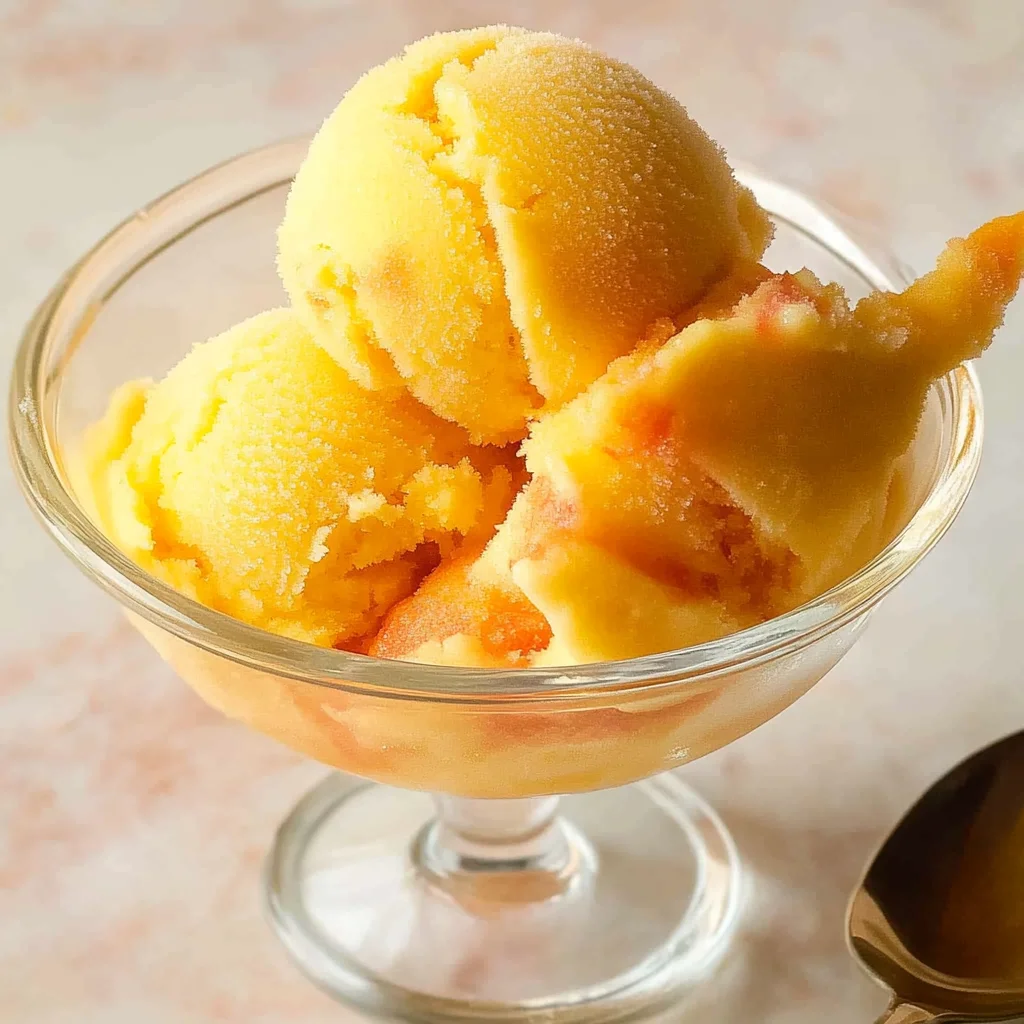

Effortless Elegance: Mastering Sorbet Without an Ice Cream Machine
Creating delicious, refreshing sorbet at home is an achievable and rewarding endeavor, even without specialized equipment like an ice cream machine. The core principles of sorbet – fruit, sugar, and water – lend themselves remarkably well to simpler preparation methods. The key lies in understanding how to manage ice crystal formation and achieve a smooth, palatable texture through accessible techniques. This article will guide you through the process, demystifying the science behind sorbet and providing practical, step-by-step instructions for achieving stellar results in your own kitchen. We will explore various methods, ingredient considerations, flavor inspirations, and troubleshooting tips to empower you to become a sorbet artisan, unburdened by the need for expensive or bulky machinery.
The fundamental challenge in making any frozen dessert without an ice cream maker is preventing the formation of large, icy crystals. Ice cream machines achieve this by continuously churning the mixture as it freezes, breaking down these crystals into smaller, more manageable sizes, resulting in a creamy texture. Sorbet, being dairy-free and primarily water-based, is particularly susceptible to iciness. However, several ingenious methods circumvent the need for constant churning. These techniques rely on controlled freezing and intermittent agitation, effectively mimicking the churning action of an ice cream maker on a less continuous basis. Understanding the role of sugar in this process is paramount. Sugar not only sweetens the sorbet but also acts as an antifreeze, lowering the freezing point of the water and thus inhibiting the formation of large ice crystals. A well-balanced sugar syrup is therefore crucial for a smooth sorbet texture.
One of the most popular and accessible methods for making sorbet without an ice cream machine involves using a shallow pan and periodic stirring. This technique, often referred to as the "freeze-and-stir" method, is straightforward and requires minimal specialized tools beyond basic kitchenware. The process begins with preparing your fruit base, which typically involves pureeing fresh or frozen fruit. This fruit puree is then combined with a sugar syrup. The sugar syrup itself needs to be prepared correctly. A standard ratio is one part sugar to one part water, heated until the sugar is completely dissolved, and then cooled. Some recipes may call for slightly more or less sugar depending on the inherent sweetness of the fruit and desired final sweetness. Once the fruit base and syrup are combined, the mixture is poured into a shallow, freezer-safe container, ideally metal, as it conducts cold more efficiently. The container is then placed in the freezer. The critical step is to remove the container from the freezer every 30 to 45 minutes, vigorously stirring the mixture with a fork or whisk to break up any ice crystals that are beginning to form along the edges and bottom. This process is repeated several times, typically for 2-4 hours, until the sorbet reaches a firm but scoopable consistency. The shallower the pan, the faster it will freeze, and the more surface area is exposed for quicker chilling and easier stirring.
Another effective technique is the "food processor churn." This method leverages the power of a food processor to break down ice crystals after the initial freezing. The fruit base and sugar syrup are prepared and then poured into a freezer-safe container and frozen solid. Once fully frozen, the entire block of sorbet is broken into chunks and placed in the food processor. The food processor is then used to "churn" the frozen mixture, breaking it down into a smooth, creamy sorbet. This process may need to be done in batches to avoid overwhelming the food processor. It’s crucial to scrape down the sides of the food processor bowl frequently to ensure even processing. This method often yields a surprisingly smooth texture, and the results can be quite impressive. The key here is to freeze the mixture thoroughly before processing. If it’s not frozen solid, the food processor will likely just create a slush rather than a true sorbet.
For those who might have a blender with a powerful motor, a similar approach to the food processor churn can be employed. After freezing the sorbet base solid, break it into smaller chunks and place them in the blender. Blend on high speed, using the tamper if available, to break down the frozen mixture into a smooth consistency. This method might require adding a small amount of liquid, like water or a complementary juice, to help the blender process the frozen fruit. However, be cautious not to add too much liquid, as this can lead to a more icy texture. The goal is to achieve a creamy, homogenous texture through the friction and blending action.
The quality and type of fruit used significantly impact the final sorbet. Fresh, ripe fruit will generally yield the most vibrant flavors and best texture. Frozen fruit is also an excellent option, particularly for convenience and consistency, and it often requires less added sugar due to its concentrated natural sweetness. When using frozen fruit, allow it to thaw slightly before pureeing to make the process easier. Beyond the common choices like berries, mangoes, and citrus, consider less conventional fruits for unique sorbet experiences. Avocados, when ripe and blended, can contribute an incredibly creamy texture without any dairy, creating a surprisingly rich sorbet that pairs well with lime or coconut. Bananas, when frozen and blended, create a naturally sweet and creamy base, often referred to as "nice cream," which can be further enhanced with cocoa powder or other flavorings to resemble a chocolate sorbet.
Beyond the primary fruit component, several ingredients can enhance both the flavor and texture of your homemade sorbet. A touch of acid, such as lemon juice, lime juice, or even a splash of vinegar (like balsamic or apple cider), can brighten flavors and balance sweetness. This is particularly important for fruits that are naturally very sweet. Using fruit juices or purées as part of the liquid base can also add layers of flavor and contribute to a smoother texture by introducing their natural sugars and solids. For instance, a mango sorbet could benefit from a splash of orange juice or a bit of passionfruit purée.
The sugar syrup preparation is a critical step. While simple syrup (equal parts sugar and water) is a good starting point, experimenting with different types of sweeteners can yield interesting results. Agave nectar, maple syrup, or honey can be used, but be mindful of their distinct flavors and their impact on the freezing point. When substituting these liquid sweeteners for granulated sugar, adjust the amount of water accordingly to maintain the correct liquid-to-sugar ratio. Another excellent addition to the sugar syrup, or even directly to the fruit base, is a stabilizer. A small amount of corn syrup, glucose syrup, or even a tablespoon of vodka or other neutral spirit can significantly improve the texture by further inhibiting ice crystal formation. Alcohol, even in small quantities, lowers the freezing point and contributes to a softer, more scoopable sorbet. It’s important to note that the alcohol content in sorbet will be very low and won’t typically result in a boozy flavor unless a significant amount is added.
Flavor combinations are where creativity truly shines. The possibilities are virtually endless. Consider classic pairings like strawberry-basil, raspberry-rose, or lemon-lavender. Explore more adventurous combinations such as pineapple-cilantro, watermelon-mint, or peach-ginger. Don’t be afraid to incorporate spices like cardamom, cinnamon, or chili for a warm or zesty kick. Herbal infusions are also a wonderful way to add depth. Steep fresh herbs like rosemary, thyme, or mint in your sugar syrup while it’s still warm, then strain them out before combining with the fruit. For a richer, more dessert-like sorbet, consider adding a small amount of good quality chocolate, melted and incorporated into the fruit base.
Troubleshooting common sorbet issues is an important aspect of mastering this technique. The most frequent problem is an overly icy texture. This can be caused by insufficient sugar, not stirring frequently enough during the freezing process, or freezing too quickly without adequate agitation. If your sorbet is too icy, try letting it temper at room temperature for a few minutes before attempting to scoop. You can also try re-processing it in a food processor or blender with a small addition of liquid to break down the ice crystals. Conversely, if your sorbet is too soft or doesn’t freeze well, it might be due to too much sugar or alcohol, or not enough fruit solids to provide structure. In such cases, you might need to adjust the sugar content in future batches or ensure the fruit base has sufficient body.
Storage of homemade sorbet is also important. Sorbet is best enjoyed relatively fresh, within one to two weeks of preparation. Store it in an airtight container in the coldest part of your freezer. To prevent ice crystals from forming on the surface during storage, you can press a piece of parchment paper or plastic wrap directly onto the surface of the sorbet before sealing the container. When serving, allow the sorbet to soften slightly at room temperature for a few minutes to achieve optimal scoopability. This tempering period is crucial for a pleasant eating experience.
Beyond the basic methods, some home cooks experiment with more advanced techniques. For instance, using a powerful immersion blender to vigorously blend the mixture directly in its freezing container can help break down ice crystals. This method requires careful attention and repeated blending as the sorbet begins to freeze. Another innovative approach involves using a well-insulated cooler. Prepare the sorbet base and freeze it in a shallow pan. Then, place this frozen pan inside a cooler, surrounded by ice or ice packs. The insulation of the cooler will slow down the freezing process, allowing for more frequent and effective stirring. This can be a good option for larger batches where a standard freezer might become too crowded.
Ultimately, making sorbet without an ice cream machine is an exercise in embracing simplicity and understanding fundamental culinary principles. The absence of specialized equipment doesn’t preclude the creation of a sophisticated and delicious frozen treat. By focusing on the balance of fruit, sugar, and water, and by employing accessible techniques for managing ice crystal formation, anyone can achieve delightful sorbet results. Experiment with flavors, embrace the imperfections, and enjoy the refreshing reward of homemade sorbet, crafted with your own hands and ingenuity. The journey of sorbet creation, free from the confines of machinery, offers a unique and satisfying culinary adventure, proving that deliciousness often lies in elegant simplicity and thoughtful execution.

