
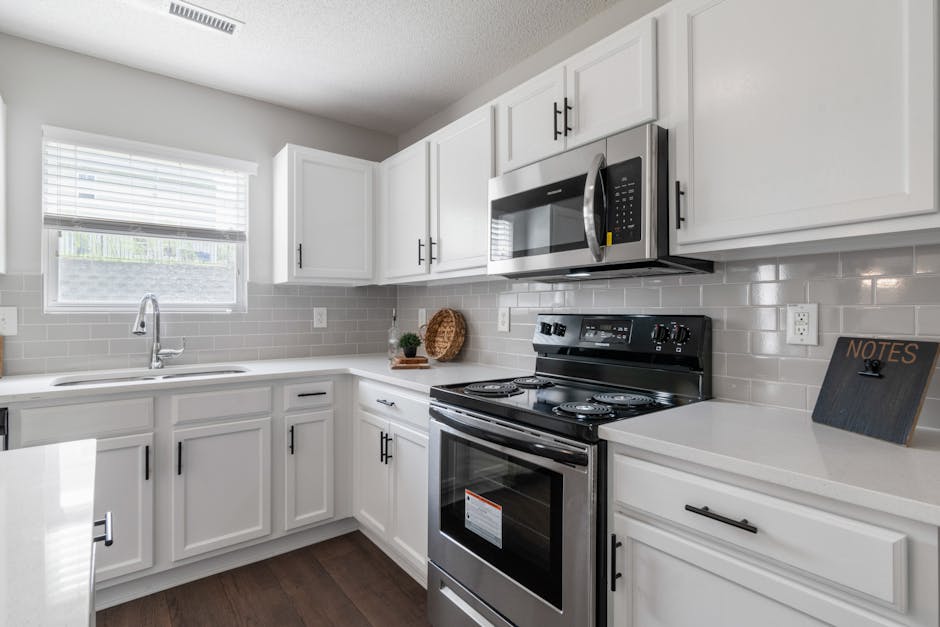
Reconfiguring Existing Cabinets: A Cost-Effective Path to a Fresh Kitchen Aesthetic
Reconfiguring existing cabinets presents a powerful and accessible strategy for homeowners seeking to revitalize their kitchen’s aesthetic without the prohibitive expense of a full replacement. This approach leverages the structural integrity and existing footprint of your current cabinetry, focusing on strategic modifications and enhancements to achieve a modern, functional, and visually appealing space. The core principle involves understanding that cabinets, while appearing static, are often adaptable structures. This article will delve into the comprehensive process of reconfiguring, covering everything from initial assessment and planning to specific modification techniques and finishing touches, all while emphasizing SEO best practices for maximum discoverability by homeowners searching for affordable kitchen renovation solutions.
The initial and most critical step in reconfiguring existing cabinets is a thorough assessment of their current condition and configuration. This involves a detailed inventory of all cabinet boxes, drawers, doors, and hardware. Examine the structural soundness of the cabinet boxes themselves. Are they sturdy? Is there any water damage, rot, or significant wear and tear on the internal components? Pay close attention to hinges and drawer slides; are they functioning smoothly, or are they sagging, sticking, or loose? The material of your existing cabinets also plays a significant role. Solid wood cabinets offer the most flexibility for modification, allowing for cuts, additions, and refinishing with relative ease. Particleboard or MDF cabinets, while common, have limitations. While they can be painted or refaced, extensive structural changes might be less feasible or advisable due to their inherent material properties. Understanding these limitations upfront will guide your modification choices and prevent costly mistakes. Furthermore, evaluate the existing layout. Are there wasted spaces? Are drawers underutilized? Is the cabinet height optimal for your needs? This assessment should also consider your functional requirements. Do you need more storage for specific items? Are there workflow inefficiencies in your current kitchen that can be addressed by reconfiguring? Documenting these observations, perhaps with photographs and measurements, will serve as the blueprint for your transformation. For SEO purposes, keywords like "cabinet assessment," "kitchen cabinet condition," and "existing cabinetry evaluation" are crucial at this stage.
Once the assessment is complete, the planning phase begins, focusing on defining the desired aesthetic and functional outcomes. This is where you translate your observations into actionable design choices. Consider the overall kitchen style you aspire to achieve. Are you aiming for a modern, minimalist look, a warm, farmhouse feel, or a sleek, contemporary design? This overarching vision will inform all subsequent decisions. Think about popular trends in kitchen cabinet design, such as shaker-style doors, flat-panel fronts, or open shelving. Research different hardware styles – knobs, pulls, and handles – that complement your chosen aesthetic. Functionality is paramount. Reconfiguration offers a prime opportunity to optimize storage. Explore the integration of modern organizational solutions within your existing cabinet boxes. This could include pull-out shelves, lazy Susans, spice racks, deep drawer organizers, or even built-in trash and recycling bins. If you have standard cabinets, consider converting some upper cabinets to open shelving for a more airy feel and to display decorative items. Conversely, if you have existing open shelving that feels cluttered, reconfiguring could involve adding doors for a cleaner look. Another impactful reconfiguration is changing the cabinet door style. Simply swapping out old, dated doors for new ones, often in a different profile or color, can dramatically alter the kitchen’s appearance. For SEO, incorporating terms like "kitchen cabinet redecoration ideas," "modern cabinet styles," "cabinet door replacement," and "kitchen storage solutions" will resonate with searchers.
One of the most impactful ways to reconfigure existing cabinets is by altering their doors and drawer fronts. This is often the most visible element and offers a significant aesthetic upgrade. For solid wood cabinets, this can involve refacing them with a new veneer or even entirely new door panels. Companies specialize in providing custom-sized doors and drawer fronts that fit your existing cabinet boxes, eliminating the need for structural cabinet modifications. This is a highly effective SEO strategy as homeowners often search for "refacing kitchen cabinets," "cabinet door replacement cost," or "new cabinet fronts for existing boxes." Shaker-style doors, with their clean lines and simple recessed center panel, are a perennially popular choice that can instantly update a dated kitchen. For a more contemporary look, flat-panel (or slab) doors offer a minimalist and sleek appearance. If your current doors have raised panels or ornate detailing, replacing them with a simpler profile will drastically modernize the space. The material of the new doors is also a consideration. While wood is classic, high-gloss laminate or thermofoil can offer a budget-friendly and modern alternative. Don’t forget the hardware. Upgrading to new knobs and pulls in a complementary finish – brushed nickel, matte black, brass, or oil-rubbed bronze – can tie the entire look together. Consider the ergonomics of the hardware as well; comfortable pulls can enhance usability. This modification is also a fantastic opportunity to adjust the size or proportion of doors and drawers for a more visually balanced layout, effectively achieved through custom-made replacements.
Beyond doors and drawer fronts, reconfiguring cabinet boxes themselves can unlock new levels of functionality and aesthetic appeal. One common and highly effective reconfiguration is converting standard cabinets into pot and pan drawers. This involves removing shelves and installing heavy-duty drawer slides, transforming awkward, deep cabinets into easily accessible storage for cookware. This is a prime SEO target with terms like "convert cabinets to drawers," "pull-out pot and pan drawers," and "kitchen drawer conversion." Similarly, narrow cabinets can be transformed into pull-out spice racks or narrow pantry organizers, maximizing often-underutilized vertical space. This addresses the common search query "narrow cabinet solutions" or "pull-out pantry organizers." For upper cabinets that feel too high or are difficult to access, consider lowering them or, if space permits, converting a section to open shelving. This not only improves accessibility but also creates visual interest and allows for display of decorative items. Open shelving can be achieved by removing cabinet doors and, if necessary, adding supporting brackets or a new shelf. For SEO, "open shelving kitchen ideas" and "lowering kitchen cabinets" are highly relevant. Another impactful reconfiguration involves adapting cabinet heights. If you have a soffit above your upper cabinets, reconfiguring can involve extending the cabinets up to the ceiling, creating a more streamlined and modern look while maximizing storage. This addresses searches like "cabinet soffit removal" or "extending kitchen cabinets to ceiling." For lower cabinets, consider creating a dedicated appliance garage or a pull-out trash and recycling center, further enhancing kitchen organization and decluttering countertops.
Painting or refinishing existing cabinets is a cornerstone of affordable kitchen cabinet redecoration and a significant SEO driver. This process offers a dramatic visual transformation with a relatively low material cost. For solid wood cabinets, proper preparation is key. This involves thorough cleaning, degreasing, and sanding to create a smooth surface for primer and paint. A high-quality primer designed for cabinets will ensure excellent adhesion and a durable finish. For painting, a durable cabinet-specific paint is recommended, available in various sheens from matte to semi-gloss. Matte finishes offer a soft, modern look, while semi-gloss provides greater durability and is easier to clean, making it ideal for high-traffic areas. For a more sophisticated finish, consider the growing popularity of cabinet staining, especially for lighter wood tones, to achieve a richer, deeper hue. Staining requires different preparation steps, focusing on stripping existing finishes and applying stain evenly. The SEO potential here is immense with phrases like "how to paint kitchen cabinets," "DIY cabinet refinishing," "best paint for kitchen cabinets," and "cabinet staining techniques." If your cabinets are laminate or thermofoil, specialized primers and paints are available that can adhere to these surfaces, though thorough cleaning and degreasing are even more critical for success. For cabinets with existing damage, wood filler can be used to repair dents and scratches before sanding and painting. The key to a professional-looking painted finish lies in meticulous preparation and the application of multiple thin coats rather than a few thick ones. Don’t overlook the details: painting cabinet interiors can add a pop of color or a fresh, clean look to the inside of your cabinets, further enhancing the overall reconfigured aesthetic.
The final touches are essential for completing the reconfigured cabinet transformation and significantly contribute to search engine optimization through specific keyword inclusion. Once painting or refacing is complete, the installation of new hardware is the final frontier in aesthetic enhancement. As mentioned earlier, updated knobs and pulls can drastically alter the perceived style and quality of your cabinets. Consider the scale and proportion of the hardware to the cabinet doors and drawers. Oversized hardware can make a statement, while smaller, more understated pieces can create a refined look. Exploring different finishes, such as matte black for a modern edge, brushed nickel for a timeless appeal, or brass for a touch of warmth and luxury, allows for personalization. For SEO, phrases like "kitchen cabinet hardware trends," "choosing cabinet knobs and pulls," and "modern kitchen hardware" will attract homeowners looking for this specific finishing step. Beyond hardware, consider the possibility of adding decorative elements or functional accessories to the exterior of your cabinets. This could include adding decorative molding to the top of upper cabinets for a more traditional or custom look, or installing under-cabinet lighting. Under-cabinet lighting not only enhances functionality by illuminating countertops but also adds a sophisticated ambiance to the kitchen, a frequently searched term like "under cabinet lighting ideas" or "kitchen task lighting." For cabinet doors, consider experimenting with different finishes or even adding decorative glass inserts to upper cabinet doors for a touch of elegance. If you have chosen to create open shelving, investing in stylish organizational bins and containers can keep the space looking tidy and curated, further appealing to searches for "kitchen shelving organization." The cumulative effect of these finishing touches, from the smallest knob to the soft glow of under-cabinet lighting, solidifies the reconfigured cabinets as a cohesive and revitalized element of your kitchen design, directly answering the intent of homeowners searching for "kitchen cabinet makeover," "affordable kitchen renovation," and "updating kitchen cabinets."

