
The Art of Display: Three Essential Methods to Showcase Your Photographs
Showcasing your photographic work is as crucial as capturing the perfect shot. Without effective display, even the most compelling images can remain unseen or their impact significantly diminished. Beyond simply printing and framing, there are numerous avenues to present your photography, each offering unique aesthetic and functional advantages. This article will delve into three pivotal methods for displaying your photos: the gallery wall, the digital photo frame, and the curated exhibition, providing in-depth analysis and practical advice for each to maximize visual appeal and engagement.
1. The Dynamic Canvas: Mastering the Gallery Wall
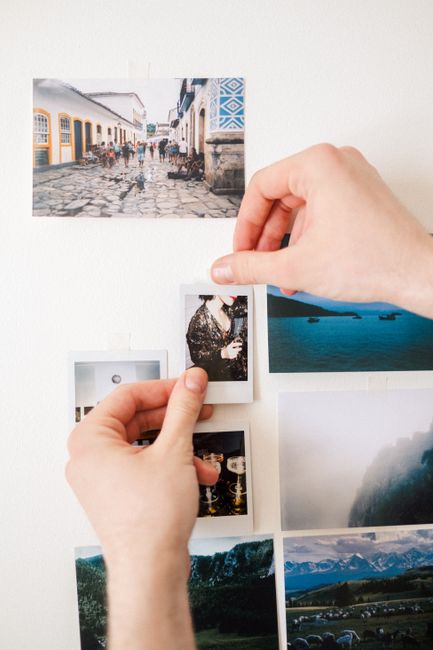
A gallery wall is more than just a collection of framed pictures; it’s a curated narrative, a cohesive visual statement that transforms a blank wall into a dynamic exhibition space. The power of a gallery wall lies in its versatility, allowing for a blend of sizes, orientations, and even subject matter, all unified by a thoughtful arrangement.
-
Planning and Composition: The foundation of a successful gallery wall is meticulous planning. Begin by considering the space itself – the wall’s size, the existing décor, and the room’s primary function. A living room might benefit from a more relaxed and eclectic arrangement, while a home office could lean towards a more structured and minimalist approach. Before touching a hammer or nail, experiment with layouts. Cut out paper templates of your prints to scale and arrange them on the floor or against the wall with painter’s tape. This allows you to visualize the flow, balance, and overall impact without causing damage. Consider the "anchor piece" – often the largest or most impactful photograph – and build the rest of the arrangement around it. Think about negative space; it’s not just about filling the wall, but about how the images interact with the empty areas.
-
Selection and Sequencing: The photographs chosen for your gallery wall should tell a story or convey a specific mood. Whether it’s a chronological journey, a thematic exploration (e.g., landscapes, portraits, abstract), or a color-coordinated series, coherence is key. Grouping images by color palette can create a striking visual harmony. Alternatively, consider a mix of genres to add intrigue. The sequencing of images also plays a vital role. Think about how the viewer’s eye will move across the wall. Perhaps a series of smaller images leads to a larger focal point, or a strong horizontal arrangement is broken by a vertical element.
-
Framing and Presentation: The frames you choose are integral to the gallery wall’s aesthetic. They can unify disparate images or add another layer of visual interest. For a minimalist and cohesive look, opt for frames of the same style and color (e.g., all black, all white, or all natural wood). This creates a sense of order and allows the photographs to be the primary focus. Conversely, an eclectic mix of frame styles and colors can add personality and visual dynamism, particularly in more bohemian or bohemian-chic spaces. Consider the matting. A mat can enhance the photograph by providing a visual buffer, making the image appear larger and more impactful, and protecting it from direct contact with the frame. Standard white or off-white mats are classic choices, but colored mats can be used to complement or contrast with the image’s color scheme.
-
Hanging Techniques and Precision: The actual hanging of a gallery wall requires precision. Invest in a good level, a measuring tape, and a stud finder. For heavier frames, ensure you are screwing into studs or using appropriate wall anchors. Consistency in spacing between frames is crucial for a polished look. A common method is to maintain equal spacing horizontally and vertically, creating a grid-like effect. Alternatively, you can vary the spacing for a more organic feel, but ensure it still looks intentional. Picture hanging kits with adjustable wires and hooks offer flexibility and can simplify the process, especially when dealing with multiple frames.
-
SEO Considerations for "Gallery Wall" Keywords: To optimize content around gallery walls for search engines, use precise keywords like "how to create a gallery wall," "gallery wall ideas," "photo wall arrangement," "DIY gallery wall," "framed photo collage," and "picture wall design." Target long-tail keywords such as "best frames for gallery wall living room" or "minimalist gallery wall inspiration." Include terms related to specific styles like "bohemian gallery wall," "modern gallery wall," or "rustic gallery wall."
2. The Ever-Changing Story: Embracing the Digital Photo Frame
In an era of digital photography, the digital photo frame offers a modern, dynamic, and space-saving alternative to traditional printing and framing. These devices allow you to display a vast collection of your work in a rotating slideshow, providing continuous visual engagement without the clutter of multiple physical frames.
-
Technology and Features: Modern digital photo frames boast impressive specifications. Screen resolution (measured in pixels) is paramount for image clarity and detail. Look for high-definition (HD) or even 4K displays to ensure your photographs are rendered with fidelity. Aspect ratios are also important; consider whether the frame’s ratio (e.g., 4:3, 16:9) will crop your images or display them with black bars. Connectivity options are key for easy content management. Wi-Fi enables wireless uploading from computers, smartphones, and cloud storage services like Google Photos or Dropbox. Some frames offer USB ports or SD card slots for direct file transfer. Motion sensors can turn the frame on when someone enters the room, saving energy.
-
Curating Your Digital Collection: The advantage of a digital frame is the ability to rotate your entire photographic portfolio. Instead of being limited to a few printed pieces, you can cycle through hundreds or even thousands of images. Curate your playlists or albums strategically. You might create themed slideshows for different occasions or moods – a "travel memories" collection for a holiday season, a "family milestones" album for gatherings, or a "monochrome moments" series for a sophisticated touch. Consider the order of display; an algorithm can randomize images, or you can manually arrange them for a specific narrative flow.
-
Placement and Integration: Digital frames offer flexibility in placement that traditional frames often lack. Their portability allows them to be moved between rooms, placed on shelves, countertops, or even mounted on walls like traditional artwork. Consider the lighting conditions in the intended location. Excessive glare from windows or bright lights can diminish the viewing experience. Many frames offer brightness and contrast adjustments to compensate. Think about the frame’s aesthetic; many modern digital frames have sleek, minimalist designs that blend seamlessly with contemporary décor, while others offer more decorative bezels to match traditional styles.
-
Content Management and Updates: The ease of updating content is a significant benefit. Regularly add new photographs to your digital frame’s collection to keep the display fresh and engaging. This is particularly useful for photographers who are constantly creating new work. Utilize the frame’s accompanying app or web interface to manage your photo library efficiently. You can create albums, delete unwanted images, and adjust slideshow settings remotely. Many frames also offer features like calendar displays, weather updates, or even the ability to share photos remotely with friends and family, turning the frame into a dynamic communication hub.
-
SEO Considerations for "Digital Photo Frame" Keywords: For search engine optimization, focus on terms like "digital picture frame," "smart photo frame," "Wi-Fi photo frame," "best digital display for photos," "large digital photo frame," and "high-resolution digital picture frame." Incorporate phrases like "displaying digital photos," "rotating photo slideshow," and "connected photo frame." Target buyer intent keywords such as "buy digital photo frame" or "digital photo frame with app control."
3. The Immersive Experience: Organizing a Curated Exhibition
While gallery walls and digital frames offer personal and home-based display solutions, a curated exhibition takes your photography to a more formal and impactful level. This involves selecting a cohesive body of work, finding a suitable venue, and presenting your images in a professional and engaging manner to a wider audience.
-
Concept and Theme Development: A successful exhibition starts with a strong concept or theme. This provides a narrative thread that binds the selected photographs together and gives the exhibition a clear purpose. It could be a social commentary, an exploration of a specific location, a personal journey, or a technical experiment. Develop a clear artist statement that articulates the exhibition’s theme, your artistic intent, and the significance of the chosen images. This statement will be crucial for introducing your work to viewers and critics.
-
Venue Selection and Logistics: Choosing the right venue is critical. Options range from local art galleries and community centers to cafes, libraries, or even online virtual exhibition platforms. Consider the venue’s size, lighting, accessibility, and the type of audience it typically attracts. Understand the venue’s rental fees, commission structures, and insurance requirements. Once a venue is secured, meticulous logistical planning is essential. This includes determining the number of pieces you can realistically display, planning the layout and flow of the exhibition, and considering any necessary audio-visual equipment or promotional materials.
-
Printing and Presentation Standards: For a professional exhibition, the quality of your prints and their presentation is paramount. Choose high-quality archival printing papers and inks to ensure longevity and color accuracy. Consider the size and format of your prints. Large-format prints can create a powerful impact, while a series of smaller, consistent prints can tell a more detailed story. Framing for an exhibition should be professional and consistent. Often, galleries have specific framing requirements, so clarify these early on. museum-quality framing with acid-free mats and protective glazing (like UV-filtering glass or acrylic) will elevate your work and protect it.
-
Marketing and Promotion: A well-executed exhibition requires robust marketing. Develop a promotional strategy that includes creating a press release, sending invitations to art critics, collectors, and potential buyers, and leveraging social media platforms. Create a dedicated event page on social media and use relevant hashtags. Consider offering an artist reception or opening event to generate buzz and provide an opportunity for personal interaction with your audience. High-quality photographs of your exhibited work will be invaluable for your website, social media, and future press.
-
SEO Considerations for "Photography Exhibition" Keywords: To optimize online content related to exhibitions, use keywords such as "photography exhibition," "art show," "solo photography exhibition," "group photography show," "exhibition venue," "artist exhibition," and "showcase photography." Include phrases like "upcoming photography exhibitions," "how to organize an art exhibition," and "photography display ideas for galleries." Target local SEO by including city or region names in your keywords if you are promoting a physical event.
Each of these display methods offers a distinct pathway for photographers to share their vision. Whether through the personal narrative of a gallery wall, the dynamic fluidity of a digital frame, or the impactful statement of a curated exhibition, thoughtful presentation amplifies the power of your photographic art, connecting your images with audiences in meaningful and memorable ways.

