The modern luxury travel landscape has undergone a profound structural shift over the past decade, evolving from a focus on passive leisure and scenic sightseeing to active, introspective personal transformation. Nowhere is this trend more visible than in the mountainous terrain just outside Park City, Utah, where elite properties like The Lodge at Blue Sky, part of the Auberge Resorts Collection, are redefining high-end hospitality. Rather than relying solely on traditional amenities such as upscale dining and plush accommodations, these destinations increasingly curate immersive, psychological, and spiritual programs designed to help travelers unplug, decompress, and confront deeply rooted personal narratives.

An expanding body of data within the global tourism sector highlights this paradigm shift. According to recent reports from the Global Wellness Institute, wellness tourism has outpaced broader travel industry growth significantly, driven primarily by consumers seeking mental health restorations, emotional resilience workshops, and nature-immersive itineraries. High-net-worth travelers, in particular, are trading traditional beach vacations for high-altitude, low-distraction environments where introspection is facilitated by licensed guides, spiritual leaders, and indigenous cultural practitioners. This intersection of luxury hospitality and psychological self-work has given rise to a specialized market segment: the transformational destination retreat.
Setting the Stage: The Geography and Philosophy of Modern Mountain Sanctuaries
Sprawling across more than 4,000 acres of protected Utah wilderness, The Lodge at Blue Sky offers an optimal physical and psychological buffer from urban stress. The property serves as a flagship location for Auberge Resorts Collection’s broader wellness initiatives, which are built upon foundational pillars designed to foster awe, connection, personal excellence, and internal nurturing. Vivianne Garcia-Tunon, the hospitality group’s Vice President of Wellbeing, has spearheaded these comprehensive programs to align luxury architecture with psychological restoration.

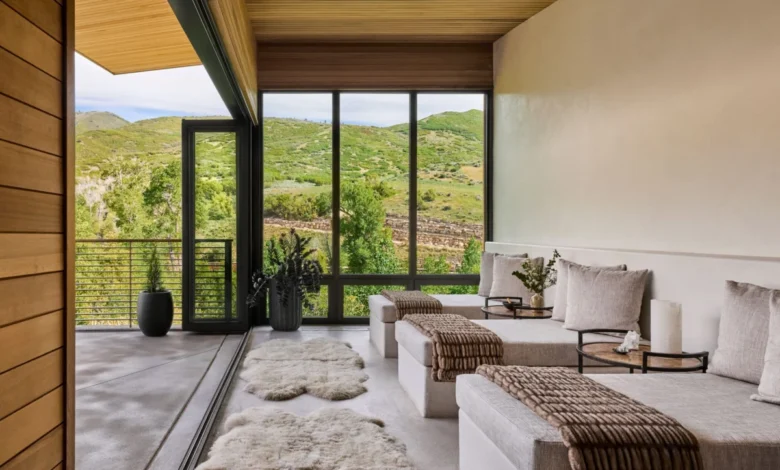
The physical design of the resort directly reinforces its therapeutic goals. Accommodations such as the earth-toned suites utilize organic textures, expansive private outdoor spaces, and integrated architectural elements that connect the guest directly with the surrounding natural elements—from the dense evergreen foliage of the Wasatch Range to private outdoor fireplaces. This intentional spatial layout is calculated to lower cortisol levels and encourage immediate psychological deceleration upon arrival. Industry analysts note that contemporary wellness travelers increasingly demand architectural authenticity, viewing biophilic design not merely as an aesthetic preference, but as a critical component of holistic health.
The Structure of Transformation: Blending Group Therapy with Luxury Travel
The appeal of contemporary wellness tourism lies largely in its ability to combine clinical or quasi-therapeutic group work with the frictionless comfort of high-end travel. A recent high-profile weekend at the Utah resort, led by spiritual author and self-help guide Gabby Bernstein, drew approximately forty participants from diverse professional backgrounds. Attendees included small-business owners, corporate financiers, creative jewelry designers, and educators—a demographic cross-section demonstrating that the demand for emotional recalibration cuts across traditional socioeconomic divides.

The daily itinerary deviated significantly from the hyper-scheduled models typical of standard corporate retreats or fitness boot camps. Instead, participants engaged in focused, two-hour morning workshops held in the Arena—a cavernous, light-filled structure originally constructed for equestrian use. These sessions centered on guided journaling, vocal processing, structured meditation, and interpersonal vulnerability exercises.
Rather than enforcing compulsory attendance at every scheduled offering, the retreat’s organizers adopted a flexible framework. Guests were actively encouraged to pursue activities that resonated with their personal needs at any given moment. Consequently, structured mindfulness workshops alternated fluidly with solo mountain hikes, equine therapy sessions involving the property’s rescue animals, and personalized therapeutic treatments at the resort’s Edge Spa. This autonomy is viewed by behavioral psychologists as essential for adult learners, allowing them to process emotional disclosures at their own pace without feeling fatigued by institutional rigidity.

Bridging Modern Self-Help and Indigenous Traditions
One of the most distinctive aspects of contemporary high-end wellness programming is its increasing integration of traditional indigenous practices alongside contemporary Western self-help modalities. At Blue Sky, this synthesis is exemplified by immersive experiences such as traditional Shoshone sweat lodge ceremonies, led by cultural figures like Shoshone Chief Darren Parry.
These ceremonies, conducted in absolute darkness within traditional structures heated by volcanic stones, represent a deliberate departure from clinical therapeutic settings. Anthropologists and hospitality experts observe that incorporating indigenous land stewardship and historical practices into luxury itineraries provides guests with a vital sense of grounding and historical context. However, industry critics frequently debate the commercialization of sacred cultural traditions within high-end tourism. Proponents argue that when conducted respectfully under the direct supervision and leadership of tribal elders, these cross-cultural exchanges foster profound empathy, historical awareness, and communal bonding among participants who might otherwise remain isolated within their modern bubbles.

During these intensive ceremonial sessions, participants are invited to respond to targeted psychological prompts within a communal circle. Observers and participants alike note that the sensory deprivation of the dark, steam-filled environment breaks down psychological defenses rapidly, often prompting individuals to articulate long-suppressed grief, professional burnout, or personal anxieties to a group of virtual strangers within hours of meeting them.
Economic and Behavioral Implications for the Hospitality Sector
The commercial success of immersive wellness retreats points to a permanent evolution in consumer expectations. Modern travelers are no longer satisfied with passive consumption; they expect hospitality brands to serve as facilitators of personal growth and psychological healing. For luxury hotel operators, this shift provides a powerful competitive advantage. Properties that successfully integrate mental health programming into their core offerings can command premium pricing, secure higher repeat-guest rates, and capture media attention in an increasingly crowded global market.

Furthermore, the data suggests that these programs generate high customer loyalty because they fulfill a deep, unmet need for authentic human connection in an increasingly digital and isolated world. As corporate burnout rates remain elevated globally, the demand for structured, nature-based interventions is projected to climb steadily through the remainder of the decade.
Ultimately, the convergence of luxury infrastructure, licensed psychological guidance, and deep-nature immersion offers a blueprint for the future of travel. Whether participants arrive as hardened skeptics or eager seekers, the modern mountain wellness retreat demonstrates that stepping away from the daily grind—and into the discomfort of genuine vulnerability—can yield profound, lasting personal restoration.