
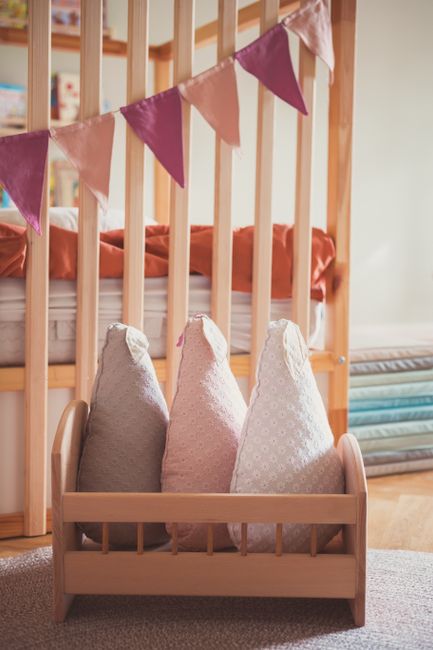
DIY Apple Plush Pillow: A Step-by-Step Tutorial with Free Downloadable Pattern
Crafting your own cozy and adorable apple plush pillow is a rewarding project, perfect for adding a touch of whimsical charm to any room, whether it’s a child’s bedroom, a nursery, a cozy reading nook, or even a fun accent on a sofa. This tutorial provides a comprehensive guide, from selecting materials to the final stitch, ensuring even beginner sewers can achieve a professional-looking result. We’ll break down the process into manageable steps, complete with detailed instructions and a downloadable pattern to make your apple plush pillow creation as seamless as possible. The finished product is not only a delightful decorative item but also a soft and huggable companion. The apple shape is universally recognizable and inherently cheerful, making it an excellent choice for a DIY plush project that appeals to all ages. Its simple yet iconic form lends itself well to plush toy construction, and the tutorial is designed to be accessible, focusing on fundamental sewing techniques that are easy to learn and master.
Materials and Tools for Your Apple Plush Pillow
Before diving into the sewing, gathering the necessary materials and tools is crucial for a smooth and successful project. The core components are fabric, stuffing, and thread, but the specific choices will influence the final look and feel of your apple plush pillow.
- Fabric: For the apple body, you’ll need red fabric. Felt is an excellent choice for beginners due to its minimal fraying and ease of handling. Flannel, fleece, or cotton also work well and offer different textures and drape. Consider a vibrant red for a classic apple look, or experiment with deeper reds, greens, or even yellow for unique apple varieties. For the stem, a small piece of brown or green fabric is needed. For the leaves, a green fabric is ideal. You’ll need approximately 1/4 to 1/2 yard of your main apple fabric, depending on the size of your pillow and any cutting mistakes. A small scrap of brown/green fabric for the stem and a similarly sized scrap of green fabric for the leaves will suffice.
- Stuffing: Polyester fiberfill is the most common and readily available stuffing for plush toys. It’s soft, washable, and provides a good amount of loft. You’ll need enough to generously fill your apple pillow to your desired firmness. A standard bag of fiberfill should be more than enough for one pillow.
- Thread: Matching thread for your apple fabric is essential for an invisible finish. A good quality polyester thread is recommended for its durability. You’ll also need brown or green thread for the stem and a complementary green thread for the leaves.
- Sewing Machine: While this project can be hand-sewn, a sewing machine will significantly speed up the process and create stronger seams.
- Sharp Fabric Scissors: Essential for precise cutting of fabric pieces.
- Pins: To hold fabric pieces together before sewing.
- Sewing Needle: For hand-stitching any closures or details.
- Marking Tool: Fabric chalk, a disappearing ink pen, or a pencil to trace the pattern onto the fabric.
- Iron and Ironing Board: For pressing seams, which helps create a neat and professional finish.
- Optional: Rotary Cutter and Cutting Mat: For more precise and faster fabric cutting, especially if you’re making multiple pillows or larger ones.
- Optional: Safety Pin: To help turn the fabric right side out.
- Optional: Craft Knife: For carefully cutting small details if using felt.
Understanding the Downloadable Apple Plush Pillow Pattern
The downloadable pattern simplifies the creation of your apple plush pillow. It provides the exact shapes and sizes needed for each component of the apple. Once downloaded and printed, it’s crucial to assemble and prepare the pattern correctly.
- Downloading and Printing: Access the provided link to download the PDF pattern. Ensure you have a PDF reader installed on your device. Print the pattern on standard letter-sized paper. Pay close attention to the scaling options in your printer settings. It’s highly recommended to print the pattern at 100% scale or "Actual Size" to ensure the apple pillow turns out to the intended dimensions. Some patterns might be split across multiple pages; in such cases, carefully align and tape the pages together, matching any indicated crop marks.
- Pattern Pieces: The pattern will typically include:
- Apple Body Panels (2): These are the large, curved pieces that form the main body of the apple. They are usually identical and mirror images of each other.
- Stem Piece (1): A small, rectangular or slightly tapered piece for the apple’s stem.
- Leaf Piece (1 or 2): A leaf shape to be attached to the stem.
- Cutting Out the Pattern: Carefully cut out each pattern piece along the solid lines. If the pattern includes seam allowance lines, be aware of these. For this tutorial, we will assume the pattern includes a seam allowance, typically 1/4 inch or 1 cm. If your pattern does not include seam allowance, you will need to add it when tracing onto the fabric.
- Understanding Seam Allowance: Seam allowance is the distance from the edge of the fabric to the stitching line. It’s important to leave this extra fabric for sewing the pieces together. For most plush projects, a 1/4-inch (or 6mm) seam allowance is standard and manageable. Ensure consistent seam allowance throughout the project for even results.
Step-by-Step Apple Plush Pillow Construction
This section guides you through the entire process of sewing your apple plush pillow. Follow these steps carefully for a beautiful and durable finished product.
Step 1: Preparing Your Fabric and Cutting the Pieces
Lay your chosen red fabric flat on a stable surface. If you’re using patterned fabric, ensure you’re placing the pattern pieces in the direction you want them to appear. Place the printed apple body pattern pieces onto the fabric, ensuring the grainline (if indicated on the pattern) is aligned correctly. Pin the pattern pieces securely to the fabric to prevent shifting.
Using your fabric marker, trace around the edges of the pattern pieces onto the fabric. Remember to account for the seam allowance if it wasn’t included in your pattern. If your pattern has seam allowance included, trace precisely along the outer edge. If not, draw a second line 1/4 inch (or 6mm) inside the traced pattern line to mark your sewing line, and then cut along the outermost traced line.
Repeat this process for the brown/green fabric for the stem and the green fabric for the leaf. Cut out all your fabric pieces carefully with sharp scissors.
Step 2: Assembling the Stem and Leaf
For the stem, fold the brown or green fabric piece in half lengthwise, with the right sides of the fabric facing each other. Pin the raw edges together. Sew along the pinned edge using a 1/4-inch seam allowance, leaving one of the short ends open. Press the seam open. Turn the stem right side out. You can use a blunt tool like a chopstick or a turning tool to help push out the corners.
For the leaf, if your pattern is a single piece, fold your green fabric in half with right sides together. Place the leaf pattern on top and trace around it. Cut out the leaf shape, leaving a small opening along one of the straight edges for turning. Sew around the leaf shape with a 1/4-inch seam allowance, leaving the opening. Trim the seam allowance to about 1/8 inch around the curved edges to reduce bulk, especially if using thicker fabric. Turn the leaf right side out and gently press.
If your leaf pattern is two pieces meant to be sewn together, place them right sides together and sew around the edges, leaving a gap for turning.
Step 3: Attaching the Stem and Leaf to One Apple Panel
Take one of the red apple body panels. Position the stem at the top center of the apple, ensuring it’s placed where you want it to appear on the finished pillow. The raw edge of the stem should align with the raw edge of the apple panel. Pin the stem in place. If you are attaching the leaf now, place it over the stem, with the stem peeking out from under the leaf, and pin securely.
Carefully sew the stem (and leaf, if attached) to this single apple panel, staying within the seam allowance area. You can hand-stitch this for a more secure attachment or use your sewing machine with a short stitch length. This secures these elements before you sew the two main apple halves together.
Step 4: Sewing the Apple Body Panels Together
Lay the two red apple body panels on top of each other, with the right sides of the fabric facing inward. Make sure the edges are perfectly aligned, paying close attention to the curves. The stem and leaf should be sandwiched between the two layers. Pin the panels together all the way around, starting at one point and working your way around the curved edges. Ensure you are pinning through both layers of fabric.
Using your sewing machine, begin sewing along the traced sewing line (the line 1/4 inch from the edge) with a 1/4-inch seam allowance. Start sewing at a point on the outer edge of the apple, leaving a generous opening of about 3-4 inches unsewn. This opening will be used for turning the apple right side out and stuffing it. Sew slowly and carefully around the entire apple shape, pivoting at any sharp curves by leaving the needle down, lifting the presser foot, and turning the fabric. Backstitch at the beginning and end of your seam for added security.
Step 5: Turning and Stuffing Your Apple Plush Pillow
Once you have sewn around the entire apple, carefully trim the seam allowance in curved areas to about 1/8 inch. This will help reduce bulk and allow the apple to lie flat and smooth when turned right side out. Be careful not to cut into your stitching.
Now, reach through the unsewn opening and begin to turn the apple right side out. Gently pull the fabric through the opening, working your way around the entire apple shape. You can use a blunt object, like a chopstick or the eraser end of a pencil, to gently push out any stubborn curves or corners to ensure a nice, rounded apple shape.
Once the apple is fully turned, begin stuffing it with polyester fiberfill. Start by stuffing small amounts of fiberfill into the outer edges and curves to ensure even distribution. Continue to add stuffing, gradually filling the apple until it reaches your desired firmness. Avoid overstuffing, which can strain the seams, or understuffing, which will result in a limp pillow. Use your hands to evenly distribute the stuffing and feel for any lumps or dense spots.
Step 6: Closing the Opening
Once your apple plush pillow is stuffed to your satisfaction, you’ll need to close the opening. This is best done with a hand-sewn blind stitch (also known as an invisible stitch or ladder stitch). Fold the raw edges of the opening inward, so they are flush with the sewn seam. Pin the opening closed to hold the fabric in place.
Thread your sewing needle with matching thread and knot the end. Begin by inserting your needle into the folded edge on one side of the opening, close to the seam. Then, insert the needle into the folded edge on the other side of the opening, directly opposite where you started. Take a small stitch on the first side, then a small stitch on the second side, pulling the thread taut. Continue this process, alternating between sides and making small, evenly spaced stitches. As you stitch, the folded edges will be drawn together, creating an invisible seam. Once you have closed the entire opening, knot your thread securely on the inside of the apple and trim any excess.
Step 7: Final Touches and Finishing
Give your apple plush pillow a gentle shake and a final pat to ensure the stuffing is evenly distributed and the shape is perfect. Inspect all seams to ensure they are secure and that no raw edges are peeking out. If you notice any loose threads, trim them carefully. You can gently press the seams of the apple with a warm iron (ensure your fabric is iron-safe and test on a scrap piece first) to give it a crisp, finished look, but be cautious with plush fabrics as they can melt or distort.
Your DIY apple plush pillow is now complete and ready to be displayed or enjoyed!
Tips for Success and Customization
Elevate your apple plush pillow by incorporating some advanced techniques or personalized touches.
- Fabric Choice Variations: Experiment with different fabric textures and types. A smooth satin can create a glossy apple finish, while a fuzzy fleece offers extra coziness. For a more rustic look, consider linen blends.
- Color Combinations: Don’t limit yourself to red. Create green apples, yellow apples, or even variegated fabrics for a unique appearance. You can also use contrasting fabric for the stem and leaves.
- Appliqué Details: For a more detailed apple, consider appliquéing a small brown or black circle onto the apple body to represent the blossom end or a worm peeking out.
- Embroidery: Add embroidered details like stitches to represent the apple’s texture, a name, or a decorative pattern.
- Size Adjustments: The downloadable pattern can be scaled up or down on your printer to create larger or smaller apple pillows. Remember to adjust seam allowances and stuffing quantities accordingly.
- Stenciling: After sewing and stuffing, you can stencil designs onto the apple, such as polka dots or stripes, using fabric paint.
- Adding a Loop: For a hanging decoration, sew a loop of ribbon or twine to the stem before closing the opening.
Troubleshooting Common Issues
Even with clear instructions, minor hiccups can occur. Here are solutions to common problems:
- Uneven Stuffing: If your pillow is lumpy, try to gently pull apart the stuffing from the outside to redistribute it. Smaller stuffing pieces are easier to manage.
- Stitches Puckering: This can happen if the stitch length is too short or the tension on your sewing machine is too tight. Loosen the tension or increase the stitch length. Hand-sewing can also help prevent this.
- Gaps in Seams: Double-check your seam allowance. If there are small gaps, you can carefully hand-stitch them closed with a blind stitch.
- Fabric Frays Excessively: If you’re not using felt, consider using a serger to finish the raw edges before sewing, or a zigzag stitch along the raw edges of the seam allowance to prevent fraying.
- Apple Shape is Off: Ensure your pattern pieces were cut accurately and that you sewed with a consistent seam allowance. Careful turning and stuffing can also help correct minor shape irregularities.
By following this comprehensive tutorial and utilizing the downloadable pattern, you’ll be well on your way to creating a charming and huggable apple plush pillow. This project is a fantastic way to explore your creativity, hone your sewing skills, and produce a delightful handmade item.

