Prime Minister Andy Burnham’s nascent administration has ignited a fresh political debate with its latest policy announcement: a 20% cut in business rates for pubs, clubs, and live music venues across England, effective from April 2027. This £100 million package, designed to invigorate struggling high streets and support local communities, marks the third significant cost-of-living initiative from the new government in as many days, immediately drawing sharp criticism from the Conservative opposition regarding its funding and scope.
Details of the Landmark Business Rate Reduction
The newly elected Prime Minister, Andy Burnham, outlined the policy on Thursday, July 23, 2026, stating that the 20% reduction in business rates would apply to approximately 32,000 pubs, clubs, and live music venues in England. This targeted relief is expected to save a typical pub an estimated £1,100 annually, aiming to provide much-needed respite to a sector grappling with escalating financial pressures. Crucially, the support will be strategically directed, intentionally excluding the very largest live music venues from eligibility to focus on smaller, community-centric establishments.
Burnham articulated his vision for the policy, emphasising a commitment to safeguarding vital community assets. "For too long, governments have stood by while cherished venues have disappeared from our local high streets. So today I am changing that," the Prime Minister declared. He affirmed the government’s intention to "back the businesses that people want to see in their communities," reiterating his pledge to "protect pubs and local high streets – the beating heart of our communities – and that’s what we will do." He further reinforced this message via a post on X (formerly Twitter), stating, "I won’t stand by while these cherished local spaces disappear, replaced by boarded-up windows and ‘For Sale’ signs. They’re the heart of our communities and it’s time we backed them."
Government’s Funding Strategy and Broader Economic Vision
The government has robustly defended the financial viability of this new measure. Chief Secretary to the Treasury Emma Reynolds insisted that the business rate cuts are "fully funded." Speaking to Sky News, Reynolds detailed the twin mechanisms for financing the initiative: "Firstly, by looking at business rate reliefs on businesses that cause social harm, such as vape shops, and secondly by cracking down on those online businesses who are not paying VAT." She expressed confidence in the funding, stating, "I am confident as chief secretary, having looked at the numbers, and we will set out the numbers in more detail at the budget, that we will fund this announcement in the ways that I’ve just mentioned. There may be additional measures that we look at as well, but it is those two principal ways that we’re going to fund this business rate relief."

Concurrently, Chancellor John Healey addressed business leaders in central London, pledging comprehensive support for UK businesses that have "felt really squeezed." Healey underscored his commitment to fostering economic growth and stability, stating, "My message to British businesses is quite simple: to British businesses, to British innovators, to British investors: I will back you as your Chancellor, and I’ll back you in financial services, in technology, in retail, in industry, in all parts of the economy." He highlighted the shared burden faced by businesses and households, noting a "lack of a breathing space" and asserting, "I’m just as concerned about the cost of business as I am about the cost of living."
Healey outlined five key priorities for his chancellorship: maintaining fiscal discipline and adhering to fiscal rules with a buffer against uncertainty; promoting growth across all regions; championing British industry through government procurement ("buying British"); stimulating wealth creation via increased investment, innovation, confidence, and profitability in British-based businesses; and actively curbing both the cost of living and the cost of doing business. The Chancellor also committed to stepping up the Treasury’s engagement and collaboration with the business community, promising to deepen this critical relationship. Furthermore, he indicated that the government would revisit its broader commitment to overhaul the entire business rates system, including small business rates relief, at the upcoming budget. Ministers also plan to crack down on online businesses that evade tax obligations, placing them at an unfair advantage, and are consulting on measures to hold online marketplaces more accountable.
Opposition Slams "Unfunded" Pledges and Lack of Serious Engagement
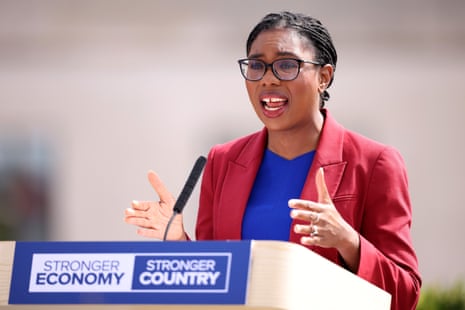
The Conservative opposition was swift and scathing in its response. Kemi Badenoch, the Conservative leader, launched a direct attack on Prime Minister Burnham, accusing him of "still thinking like the mayor of Manchester" and suggesting his "ambitions for Britain are too small." Speaking in central London, Badenoch lamented Burnham’s perceived lack of seriousness regarding cross-party cooperation. She revealed she had written to the Prime Minister offering to collaborate on major issues but had received no reply, only "tweets and… lots of memes and jokes." Badenoch urged Burnham to "start getting serious," outlining her party’s willingness to work together on critical matters like funding defence and cutting welfare. "If Andy Burnham doesn’t want to do those things, then I don’t think he’s serious about working cross-party," she asserted, adding that she was "always ready for an election" and had a plan for both an electoral contest and continued governance.
Matt Vickers, Conservative deputy chairman and shadow crime and policing minister, amplified the criticism regarding the funding of the business rate cuts. He branded it "the third unfunded spending commitment in three days," raising serious doubts about its financial backing. Vickers highlighted a stark contrast with previous government policy: "When this government came to office, this Labour government, those businesses, all leisure, hospitality, and retail businesses, on the high streets, those small businesses, were getting a 75% reduction in their business rates. They took away the 75% and now he’s telling them he’s giving them 20% back, and he doesn’t know how he’s going to pay for it. It’s pitiful. We need to be realistic in how we support these businesses." This criticism references temporary business rate discounts implemented from 2020/21 to aid retail recovery from the Covid-19 pandemic.
The "unfunded" label also extends to other recent announcements by the Burnham government. Earlier in the week, the Prime Minister announced a cap on bus fares across England at £2 per journey, funded primarily by reclassifying international climate donations into repayable loans. This was preceded by a plan to cut VAT on electricity bills, reducing them by an average of £45 a year from October, which officials stated would be funded by scrapping the digital ID scheme. These consecutive policy rollouts, each with its own novel funding mechanism, have intensified calls for the new administration to provide more detailed financial transparency.
Mixed Reactions from the Business Community
Reactions from the hospitality and small business sectors have been varied, reflecting a blend of cautious optimism and palpable frustration.
The Music Venue Trust, a key advocate for grassroots music venues in the UK, warmly welcomed the 20% cut. Chief executive Mark Davyd lauded the government’s recognition of the essential role grassroots music venues play in local communities. He described the reduction as "an encouraging first step in a range of opportunities available to Andy Burnham’s new team to not just protect and secure live music, but begin to restore its central role at the heart of our towns and cities." However, Davyd also highlighted existing "issues of implementation of previous reliefs" and called for similar support to be extended across Scotland, Wales, and Northern Ireland through Barnett formula consequentials, ensuring a "level playing field of economic conditions for touring across the UK." He also urged the government to reconsider eligibility limits to encompass all live music spaces, regardless of size.
Conversely, some business owners expressed skepticism about the practical impact of the 20% reduction. Steve Perez, owner of two hotels that include pubs and restaurants, told BBC Radio 4’s Today programme that the cut "won’t make any material difference." He explained that his business rates had soared by approximately 130% in April following recent revaluations. While acknowledging the £1,000 saving as "welcome," he stressed its insignificance against the backdrop of such substantial increases. Perez also pointed out the policy’s apparent omission of restaurants and hotels, despite many pubs now offering food and accommodation, and highlighted other rising costs like national insurance and the "extended producer responsibility" tax. He likened the situation to supermarkets raising prices only to announce subsequent "reductions."
Iain Hoskins, owner of Ma Pub Group in Liverpool, echoed similar sentiments. While acknowledging that a 20% relief would "chip away" at rising costs, he underscored the massive increases businesses had endured. "The worry has been, obviously, in recent years, I mean, when our venues from last year to this current year got revalued, we saw increases of between 100% and 150% on the rates that we pay," Hoskins stated. He conceded that "20% isn’t an insignificant figure," particularly if it’s additional to existing support, but clarified, "We’re not actually… getting better value than we had before. We’re still having to find extra money for these business rates."
Tina McKenzie, policy chair of the Federation of Small Businesses, offered a more optimistic but conditional welcome. She viewed the proposal as a "downpayment" on further action and expressed encouragement at the Prime Minister’s signal to plan for a "significant increase in small business rates relief at the heart of the next budget." McKenzie emphasised the necessity of this, stating, "Failure is not an option… This would deliver on promises made campaigning for the role, and fix the damage caused by business rates decisions that sent bills up and are holding back SME growth and jobs in every postcode."
Broader Political Developments and Controversies
The business rates announcement comes amidst a whirlwind of activity and controversy marking the early days of the Burnham government. Beyond economic policy, the new administration is embroiled in a deepening political row over a review of plans for the early release of thousands of prisoners – including killers, rapists, and sex offenders – scheduled for September. This move has drawn fierce criticism, particularly after ministers Wes Streeting and Shabana Mahmood were reportedly caught "ribbing" about the scheme on camera, leading victims of crime to accuse the government of making "cheap jokes."
Further political tremors were felt with the shock resignation of Scottish Labour leader Anas Sarwar, who announced his departure to join Andy Burnham’s new government. This decision prompted fierce condemnation from Scottish Labour’s Holyrood rivals, who labelled Sarwar a "chancer" and accused him of betraying voters.
Meanwhile, the Conservative party has escalated its scrutiny of financial matters by asking HMRC to investigate whether Nigel Farage should have paid tax on a substantial £5 million gift he reportedly received from crypto billionaire Christopher Harborne. This move suggests a broader intention from the opposition to challenge the financial dealings and transparency of political figures across the spectrum.
Implications and Outlook
The 20% business rate cut for hospitality venues represents a significant policy move by the new Burnham government, aimed at fulfilling campaign promises to support local economies. While it has garnered praise from industry bodies like the Music Venue Trust and a conditional welcome from the Federation of Small Businesses, its effectiveness is being questioned by individual business owners who have faced far larger increases in their rates recently. The Conservative opposition’s immediate and aggressive challenge regarding the funding of this and other pledges sets the stage for intense parliamentary battles, forcing the new administration to provide comprehensive financial justifications in the upcoming budget. The rapid succession of bold policy announcements, coupled with the accompanying controversies, underscores the dynamic and often tumultuous start to Andy Burnham’s premiership, as his government seeks to establish its authority and deliver on its agenda while navigating a highly scrutinised political landscape. The ability of the government to deliver on its funding promises, particularly for "unfunded" commitments, will be a critical test of its fiscal credibility in the months ahead.