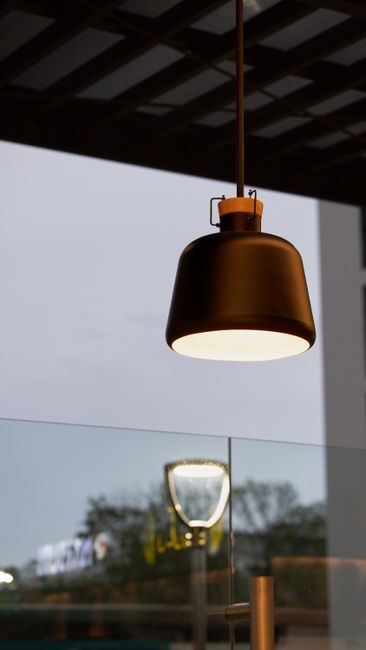
Indoor Pendant Lights for Outdoor Use: A Comprehensive Guide to Conversion and Safe Installation
The allure of an indoor pendant light, with its diverse styles, materials, and decorative capabilities, often sparks a desire to extend its aesthetic into outdoor living spaces. While the term "indoor pendant light" inherently suggests a designation for interior environments, advancements in materials, sealing techniques, and creative adaptation have opened avenues for their use in protected outdoor areas. This guide delves into the intricacies of using indoor pendant lights outdoors, focusing on the critical aspects of weatherproofing, material suitability, electrical safety, and installation considerations to ensure both functionality and longevity. It addresses the nuanced differences between purpose-built outdoor fixtures and modified indoor pendants, empowering homeowners and designers to make informed decisions.
The fundamental challenge in repurposing an indoor pendant light for outdoor use lies in its inherent lack of weather resistance. Standard indoor fixtures are not designed to withstand the rigresses of rain, humidity, extreme temperatures, UV radiation, and potential impact from debris. Therefore, a comprehensive understanding of material composition and construction is paramount. Materials like exposed brass, unfinished wood, or porous fabrics will degrade rapidly when exposed to the elements. Conversely, materials such as solid brass, copper, powder-coated aluminum, stainless steel, and certain types of glass (tempered or borosilicate) offer superior resistance to corrosion and weathering. Even within these categories, the quality of the finish plays a crucial role. High-quality, marine-grade finishes or robust powder coatings are essential for protecting the underlying metal from oxidation and rust. For glass components, ensuring they are sealed against moisture ingress is equally important, as condensation can lead to fogging or even breakage in extreme temperature fluctuations. The electrical components, including sockets, wiring, and any integrated LED drivers, must also be protected from moisture. This often necessitates a careful examination of how the pendant is assembled and whether its inherent design allows for effective sealing.
The conversion process for an indoor pendant light to be suitable for outdoor use primarily revolves around achieving an adequate level of weatherproofing. This is not a simple plug-and-play modification. The most critical areas requiring attention are the points of entry for moisture and the protection of electrical connections. For enclosed or partially enclosed pendants, the existing seals around the glass shades and canopy may need to be augmented. This can be achieved using high-grade, outdoor-rated silicone sealants. These sealants should be applied generously and precisely around the edges where the glass meets the metal housing and where the canopy attaches to the mounting structure. It is imperative that the sealant forms a continuous, watertight barrier. For pendants with exposed sockets or wiring, further protection is mandatory. This might involve the installation of a separate, outdoor-rated junction box to house all electrical connections, which should then be securely sealed to prevent water ingress. The pendant’s chain or cord attachment points also require consideration. If the chain passes through an opening in the canopy, this opening should be sealed. Similarly, if the cord exits the canopy through a simple grommet, this grommet should be replaced with a watertight strain relief fitting designed for outdoor electrical applications. The selection of these components is critical; they must be specifically rated for outdoor use and compatible with the electrical load and voltage requirements of the pendant.
Beyond physical sealing, the choice of location for an indoor pendant light, even after conversion, significantly influences its longevity and safety. The ideal outdoor placement for a repurposed indoor pendant is in a sheltered or semi-protected area. This includes covered porches, verandas, pergolas with solid roofs, gazebos, or under eaves. These locations offer a degree of protection from direct rainfall, heavy winds, and prolonged exposure to UV radiation, thereby minimizing the stress on the converted fixture. Direct exposure to harsh weather elements, even with conversion, will inevitably lead to a shorter lifespan and increased risk of failure. Furthermore, the microclimate of the installation site is important. Areas prone to high humidity, salt spray (in coastal regions), or extreme temperature swings will place a greater demand on the materials and seals. When assessing a location, consider the prevailing wind direction and the likelihood of rain being driven into the sheltered area. The height of the installation is also a safety consideration. Pendant lights should be hung at a height that prevents accidental contact, especially in outdoor areas where children or pets may be present. This also ensures adequate illumination without becoming a visual obstruction.
The electrical safety of any lighting fixture, whether indoor or outdoor, is non-negotiable. When converting an indoor pendant light for outdoor use, this aspect becomes even more critical due to the increased risk of electrical hazards associated with moisture and environmental exposure. All electrical work must be performed by a qualified electrician who is knowledgeable in outdoor electrical installations and local electrical codes. They will ensure that the wiring is properly rated for outdoor use, that all connections are secure and weatherproof, and that the circuit is protected by appropriate safety devices such as Ground Fault Circuit Interrupters (GFCIs). GFCIs are essential for outdoor electrical installations as they can quickly detect ground faults and interrupt the flow of electricity, significantly reducing the risk of electric shock. The original wiring within the indoor pendant may not be rated for outdoor temperature variations or UV exposure, so the electrician may need to replace sections of the wiring with outdoor-rated cable. Furthermore, the voltage of the fixture and its compatibility with the available power supply must be verified. If the pendant uses an incandescent bulb, its heat output should also be considered in relation to the surrounding materials, especially if any new sealant or non-heat-resistant components have been introduced during the conversion. LED retrofits are often a superior choice for outdoor applications due to their lower heat generation and longer lifespan.
The functional limitations and potential drawbacks of using an indoor pendant light outdoors, even after conversion, must be realistically assessed. While aesthetically appealing, these fixtures are not engineered to the same rigorous standards as purpose-built outdoor lighting. Their longevity will likely be shorter than dedicated outdoor pendants. Components not explicitly designed for outdoor exposure are more susceptible to premature failure. For instance, paint or powder coatings may chip or fade more rapidly, metal parts can corrode, and seals can degrade over time, necessitating more frequent maintenance and inspection. The absence of specific IP (Ingress Protection) ratings, which denote the level of protection against solids and liquids, means that the level of weather resistance is an estimate based on the conversion efforts, rather than a certified standard. This can lead to unforeseen issues like water seeping into the fixture, causing bulb failure, short circuits, or corrosion of internal components. Furthermore, the weight and balance of the pendant might not be designed for the dynamic stresses imposed by wind, which can cause excessive movement and potentially strain the mounting hardware or electrical connections. For areas with harsh weather conditions, it is always advisable to opt for fixtures specifically designed and certified for outdoor use.
Maintenance is a critical, often overlooked, aspect of prolonging the life of any converted indoor pendant light used outdoors. Regular inspections are paramount to identify any signs of wear and tear or potential failure points. This should include a thorough examination of all seals, looking for cracks, peeling, or degradation of the silicone or other sealing materials. Any compromised seals must be immediately repaired or replaced. The exterior finish of the pendant should be inspected for signs of corrosion, such as rust spots on metal components or chalking and fading of painted surfaces. Minor corrosion can often be addressed with appropriate metal cleaners and protective coatings, while significant deterioration may indicate the need for replacement. The electrical connections within the junction box, if applicable, should also be checked periodically to ensure they remain secure and free from moisture or corrosion. Cleaning the pendant regularly will help remove accumulated dirt, pollen, and debris, which can trap moisture and accelerate degradation. Mild soap and water are generally suitable for cleaning, but abrasive cleaners or harsh chemicals should be avoided as they can damage finishes. For glass shades, gentle cleaning is recommended to maintain clarity and prevent etching.
When considering the aesthetic and functional integration of converted indoor pendant lights into outdoor spaces, several design strategies can enhance their success. The chosen location within a protected area is the primary determinant. For instance, a vintage-style industrial pendant can add character to a rustic covered patio, while a sleek, modern glass pendant might complement a contemporary deck. Layering lighting is also crucial for functionality and ambiance. A converted pendant can serve as a primary decorative element, providing focused downlight or ambient illumination, but it should ideally be complemented by other outdoor lighting sources. This could include wall sconces, pathway lights, or landscape lighting, all of which should be purpose-built for outdoor use. The scale of the pendant should also be proportionate to the outdoor space. An oversized pendant intended for a grand foyer might overwhelm a small patio, while a diminutive fixture might be lost in a larger area. Consider the visual weight of the pendant; a solid metal fixture will have a different impact than a delicate glass design. The color and finish of the pendant should also harmonize with the surrounding outdoor materials, such as decking, furniture, and architectural elements. Finally, ensuring that the converted pendant provides adequate light levels for the intended activity is essential. If the space is used for dining or entertaining, brighter, more functional light will be needed. For purely decorative purposes, a softer, more ambient glow might suffice.
In conclusion, the repurposing of indoor pendant lights for outdoor use is a technically feasible endeavor, but it demands meticulous attention to detail, a deep understanding of weatherproofing techniques, and an unwavering commitment to electrical safety. It is not a project for the faint of heart or the novice DIYer. The primary objective is to mitigate the inherent vulnerabilities of indoor fixtures to the elements. This involves rigorous sealing of all potential moisture ingress points, selecting materials with inherent weather resistance, and utilizing high-quality, outdoor-rated components for any necessary modifications. Crucially, the installation must be performed by a qualified electrician who can ensure compliance with all relevant electrical codes and implement necessary safety measures like GFCI protection. While the aesthetic rewards of a successfully converted indoor pendant can be significant, users must remain aware of the inherent limitations. These fixtures will likely have a reduced lifespan compared to purpose-built outdoor lighting and will require diligent, ongoing maintenance to ensure continued safety and functionality. For those seeking a more robust and worry-free solution, especially in exposed or challenging outdoor environments, investing in fixtures specifically designed and certified for outdoor use remains the most prudent and reliable option. However, for sheltered locations where specific design aesthetics are paramount, the carefully executed conversion of an indoor pendant light can offer a unique and captivating lighting solution.
