Commonly used sweeteners can directly interfere with the growth of bacteria that help support a healthy gut, according to laboratory research from the University of Cambridge. This groundbreaking study, published in the journal Molecular Systems Biology, challenges the long-held assumption that these sugar substitutes are biologically inert in the digestive system and suggests a more complex interplay between sweeteners, medications, and the crucial gut microbiome.
The research team, led by Professor Kiran Patil from the Medical Research Council (MRC) Toxicology Unit at the University of Cambridge, investigated the impact of 39 commercially available sweeteners on 25 different bacterial species commonly found in the human gut. The findings indicate that a significant majority of these sweeteners can inhibit the growth of at least one bacterial species, with several demonstrating a potent ability to reduce or completely halt the proliferation of bacteria essential for digestive health, immune function, and blood sugar regulation.
The Gut Microbiome: A Crucial Ecosystem
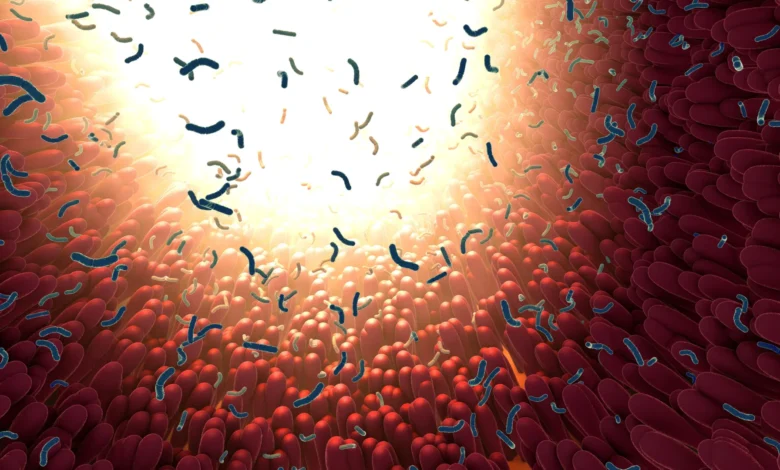
The gut microbiome, an intricate community of trillions of microorganisms residing in the digestive tract, plays a pivotal role in human health. These microbial inhabitants are responsible for breaking down food components that the human body cannot digest alone, synthesizing essential vitamins, training the immune system to distinguish between friend and foe, and influencing metabolic processes that affect energy balance and overall well-being. Disruptions to this delicate ecosystem, often referred to as dysbiosis, have been increasingly linked to a wide range of chronic conditions, including inflammatory bowel disease, obesity, type 2 diabetes, and even certain neurological disorders.
For years, the prevailing understanding of sweeteners was that they passed through the digestive system largely unchanged, offering a calorie-free or low-calorie alternative to sugar without significantly impacting the body’s internal processes. However, observational studies and some animal research have hinted at potential associations between artificial sweetener consumption and adverse health outcomes, prompting scientists to delve deeper into the biological mechanisms that might underpin these connections.
Professor Patil commented on the existing knowledge gap, stating, "Most of what we know about the potential impact of sweeteners on our health comes from animal research or from population studies. While these studies have indicated involvement of the microbiome in mediating the effect of sweeteners, it’s difficult to know how sweeteners act in the body – is it through direct interactions with our gut bacteria?"
This question is further complicated by the reality of human consumption. As Dr. Sonja Blasche, a lead author of the study and also from the MRC Toxicology Unit, elaborated, "Answering this is further complicated by the fact that we rarely ever take sweeteners by themselves – we take them with drinks, in snacks, or even in medication to mask bitterness." This realization underscored the need for research that examines not only the effects of sweeteners in isolation but also their interactions with other compounds commonly ingested.
Unveiling the Interactions: A Laboratory Investigation
The Cambridge team embarked on a comprehensive laboratory study to address these research questions. They meticulously cultured 25 distinct bacterial species, carefully selected to represent a spectrum of known gut inhabitants – from those considered beneficial to those that are neutral or potentially pathogenic. Each of these bacterial cultures was then individually exposed to 39 different sweeteners. This diverse panel included both naturally derived sweeteners, such as stevia derivatives, and a range of artificial sweeteners widely used in the food and beverage industry.
The researchers closely monitored the growth rate of each bacterial species under these conditions. The results were striking: approximately 75% of the tested sweeteners demonstrated an ability to influence the growth of at least one bacterial species. This finding directly contradicts the notion of sweeteners as metabolically inert substances.
Complex Combinations Reveal Amplified Effects
The study’s innovation lay not only in testing individual sweeteners but also in investigating their synergistic or antagonistic effects when combined with other substances. Recognizing that real-world consumption rarely involves isolated sweeteners, the scientists created complex mixtures. These combinations mimicked scenarios where sweeteners are consumed alongside common dietary components like caffeine and vanillin (a key flavoring compound in vanilla), as well as with other artificial sweeteners and, crucially, with eight different classes of commonly prescribed medications.
This phase of the research uncovered over 100 instances where the presence of another compound significantly altered a sweetener’s effect on bacterial growth. In 34 of these cases, the combined impact was more potent than the sweetener alone, leading to a more pronounced inhibition of bacterial growth. Conversely, in 68 instances, the presence of another substance weakened the sweetener’s effect. This highlights the context-dependent nature of sweetener impact, suggesting that what a person consumes alongside a sweetener can profoundly influence its biological consequences.
The Antidepressant and Sweetener Nexus
One particular combination stood out for its dramatic and concerning outcome: isosteviol, a derivative of the stevia plant and a widely used sweetener, when combined with duloxetine, a commonly prescribed antidepressant and pain medication. This pairing led to a sharp and significant reduction in the growth of two bacterial species: Roseburia intestinalis and Parabacteroides merdae.
Both Roseburia intestinalis and Parabacteroides merdae are recognized as important members of a healthy gut microbiome. Roseburia intestinalis, for instance, is known for its ability to produce butyrate, a short-chain fatty acid that serves as a primary energy source for colonocytes (cells lining the colon) and possesses potent anti-inflammatory properties. Parabacteroides merdae has also been linked to maintaining gut barrier function and influencing immune responses. The severe suppression of these beneficial species by the isosteviol-duloxetine combination raises significant questions about potential unintended health consequences.
Duloxetine is a widely prescribed medication. In the United States alone, over 4.2 million patients received prescriptions for duloxetine in 2023, underscoring the broad population that could be exposed to this particular interaction.
To further investigate these complex interactions, the researchers moved beyond single-species cultures to create a simplified synthetic microbial community. This community comprised all 25 bacterial species tested, allowing for observation of how these microbes interact with each other when influenced by sweeteners and drugs.
Declining Microbial Diversity and Host Cell Impact
When this synthetic community was exposed to the isosteviol and duloxetine combination, the researchers observed a significant decline in microbial diversity. A diverse gut microbiome is generally considered a hallmark of a robust and resilient ecosystem, capable of adapting to various challenges and maintaining essential functions. The reduction in diversity observed in this laboratory model suggests a potential destabilization of the gut environment.
Furthermore, this combination not only reduced overall diversity but also altered the community’s internal balance. Some bacterial species were observed to proliferate while others declined, indicating a shift in the competitive landscape within the microbial community.
More concerningly, additional experiments suggested that these induced microbial changes led to increased toxicity towards certain host cells. The interactions also appeared to disrupt the normal activity of cells involved in inflammation and immune regulation. While these findings are from a simplified laboratory model, they open a concerning avenue of inquiry: could the interplay between sweeteners, medications, and gut microbes have far-reaching impacts beyond simple digestion, potentially influencing inflammatory and immune processes throughout the body?
Dr. Blasche emphasized the study’s challenge to conventional wisdom: "Sweeteners are often marketed as metabolically neutral, but our study challenges this idea. We found that they can directly affect gut bacteria, particularly when mixed with other compounds such as medication and food additives. These common combinations could have unintended effects on our gut microbiome."
The Need for Human Studies and Future Directions
Despite the compelling laboratory findings, the researchers are quick to emphasize that these results should not be directly extrapolated to human health outcomes without further investigation. The experiments were conducted under highly controlled laboratory conditions, using isolated bacteria and simplified microbial communities. The human digestive system is a far more complex and dynamic environment.
Factors such as the rate at which sweeteners are absorbed or chemically altered in the human gut, their dilution by food and fluids, and the individual variations in diet, genetics, and existing microbiome composition can all influence how sweeteners and their combinations ultimately affect gut bacteria.
Professor Patil stated, "Our study suggests that artificial sweeteners don’t just pass through the body passively – they can interact with gut microbes, and these effects can be amplified or altered by other substances like medications. These findings can help guide new studies towards understanding how sweeteners might influence health in unexpected ways."
Future research will need to focus on replicating these findings in human clinical trials. Such studies would aim to determine whether similar interactions occur in vivo, at what doses these effects become significant, and whether the observed microbial changes translate into measurable impacts on human health markers. Understanding these nuances is crucial for providing accurate dietary and medical guidance to the public.
The research was supported by funding from the European Union’s Horizon 2020 program and the UK Medical Research Council, highlighting the international recognition of the importance of this area of study. The implications of this research are significant, prompting a re-evaluation of the safety and metabolic neutrality of widely consumed sweeteners, particularly when they are part of a complex dietary and pharmaceutical regimen. As the scientific community continues to unravel the intricate connections between our diet, our medications, and the microbial life within us, studies like this underscore the need for a holistic approach to understanding health and disease.