The Legislative Window and the Risk of Delay
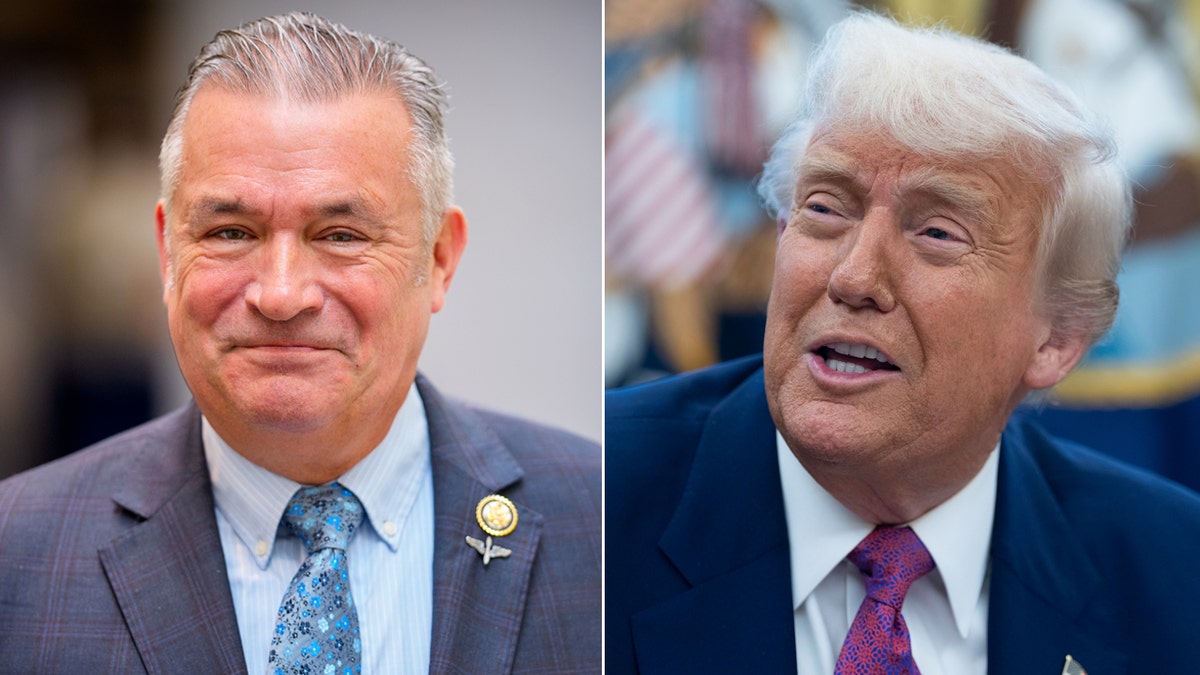
For many Republicans, the current legislative landscape represents a narrow window of opportunity. The primary concern among party members is that stalling on immigration reform will cede the legislative agenda to Democrats once the 120th Congress convenes. Lawmakers like Rep. Don Bacon, R-Neb., have expressed public apprehension that a delay will inevitably lead to more expansive, and perhaps more radical, legislation that could include blanket amnesty provisions, a policy outcome that many in the GOP have fought to prevent for years.
"It is going to happen under this Congress," Rep. Bacon stated during a recent briefing, framing the issue not merely as a matter of border security but as an economic necessity. Bacon pointed to persistent labor shortages across critical sectors of the American economy, such as agriculture, hospitality, and construction, as compelling reasons to formalize the status of undocumented workers already present in the country. By providing a framework for accountability and legal work authorization, proponents argue that the Dignity Act serves as a pragmatic alternative to the status quo, which relies on a broken system that fails to meet current labor demands.
The Dignity Act: A Strategic Framework
The Dignity Act, introduced by Rep. Salazar in 2025, has emerged as the centerpiece of this effort. Unlike broader reform proposals that often spark intense partisan gridlock, this bill focuses on a middle-ground approach. It offers renewable legal status and specific work authorizations to undocumented immigrants who meet stringent eligibility criteria, such as passing background checks and paying back taxes.

Crucially, the legislation does not provide a direct, automatic pathway to citizenship. This specific design choice is intended to garner support from the conservative wing of the Republican Party, which has historically opposed "amnesty" but recognizes the practical reality that mass deportation is logistically and economically unfeasible. With over a dozen Republican co-sponsors, the bill represents an attempt to bridge the divide between those who demand strict enforcement and those who emphasize the economic role of immigrant labor.
Chronology of Recent Developments
The momentum for this push was accelerated by President Trump’s recent comments during a "60 Minutes" interview, where he signaled a newfound openness to discussing immigration reform. This pivot caught many in the political sphere by surprise, given the President’s historically hardline stance on border enforcement.
- May 2025: President Trump signals during a national broadcast that he is open to bipartisan discussions on immigration reform, provided the framework includes accountability measures.
- Summer 2025: Rep. Maria Elvira Salazar and her allies begin socialized discussions regarding the Dignity Act, seeking to build a coalition that includes moderate Republicans and potentially centrist Democrats.
- September 2026: Political pressure mounts as the midterms confirm a shift in congressional power, leading to an urgent push from the House Republican conference to finalize a deal before the end of the year.
- October 2026: GOP internal debate reaches a fever pitch, with some members warning that any deal with Democrats could alienate the base, while others, like Rep. Marlin Stutzman, argue that passing a conservative-led bill is the only way to prevent a more liberal, wide-reaching package in the upcoming session.
The Economic Context: Labor and Demographics
Supporting the urgency of this legislative push are shifting demographic and economic realities. Republicans have noted a trend of declining support among Hispanic voters, and some party strategists suggest that a more nuanced approach to immigration is required to rebuild that coalition.
Furthermore, the U.S. Bureau of Labor Statistics (BLS) has consistently reported high job vacancy rates in industries that rely heavily on immigrant labor. Economists often point out that the lack of a legal, stable workforce leads to inflationary pressures in the food supply chain and construction costs. By formalizing the status of workers who are already effectively integrated into the workforce, supporters of the Dignity Act believe they can mitigate these economic headwinds while simultaneously increasing tax revenue through payroll contributions from previously undocumented workers.
Official Responses and Bipartisan Engagement
The legislative strategy has not been without its hurdles. The White House has remained largely tight-lipped, not responding to formal requests for comment regarding the President’s potential support for the specific language of the Dignity Act. This silence has created an environment of speculation on Capitol Hill, with some interpreting the lack of a formal rejection as a "green light" for negotiations.
Across the aisle, some Democrats have expressed a willingness to engage. Sen. Ruben Gallego, D-Ariz., noted his interest in collaborating on the bill, citing the humanitarian necessity of keeping families together. "I’m here to try to bring as many protections as I can to these families," Gallego stated. "Let’s get it going; we’re willing to work with anybody to try to keep these families together." This rare bipartisan alignment suggests that if the bill reaches the floor, it could find a path to passage, provided the leadership in both chambers permits a vote.
Implications and Political Risks
The potential passage of the Dignity Act carries significant political implications for both parties. For Republicans, the move is a gamble. Proponents argue that by taking the initiative now, they define the terms of the debate and prevent the incoming Democratic-controlled Congress from pushing a more expansive agenda. They argue that "doing nothing" is a strategic failure that essentially guarantees a more unfavorable legislative outcome in 2027.
However, critics within the Republican base remain skeptical. Previous attempts at "comprehensive immigration reform" have often been viewed by the grassroots as an admission of defeat on border security. The challenge for the bill’s sponsors will be to emphasize the "accountability" and "work-first" components of the bill to convince skeptical voters that this is not a traditional amnesty program.

For Democrats, the choice is similarly complex. By supporting a bill that lacks a direct pathway to citizenship, they risk alienating their own progressive base, which has consistently demanded more comprehensive relief for undocumented populations. Yet, failing to support a bill that offers meaningful protections to families could be viewed as a missed opportunity for tangible, immediate progress.
Broader Outlook: A Legacy Question
The comparison made by Rep. Salazar between the potential impact of this reform and historical shifts in American policy reflects the weight that proponents place on the moment. Whether the bill can survive the intense internal pressures of the House Republican conference and the procedural hurdles of the Senate remains the defining question of the final weeks of the session.
As the calendar turns toward the end of the year, the legislative maneuverings will intensify. The outcome will likely serve as a barometer for the future of the Republican Party’s approach to immigration—a choice between maintaining a strict, enforcement-only posture or adopting a more pragmatic, policy-oriented framework that attempts to balance economic reality with border sovereignty. Regardless of the outcome, the push for the Dignity Act highlights a rare moment of urgency where the traditional partisan divide is being tested by the pressures of a changing economy and a shifting electoral map. The next few weeks of negotiations in Washington will ultimately decide whether this legislative window results in a landmark agreement or another chapter in the long-standing stalemate over American immigration policy.