In a procedural maneuver that has ignited sharp debate within the halls of Congress, House Speaker Mike Johnson, R-La., ordered the House of Representatives to adjourn early this week, effectively stalling a high-stakes impeachment challenge initiated by Rep. Thomas Massie, R-Ky. The move, which preempts any floor consideration of the eight articles of impeachment filed against Defense Secretary Pete Hegseth, signals a strategic effort by leadership to avoid a volatile internal confrontation on the eve of the upcoming midterm elections.
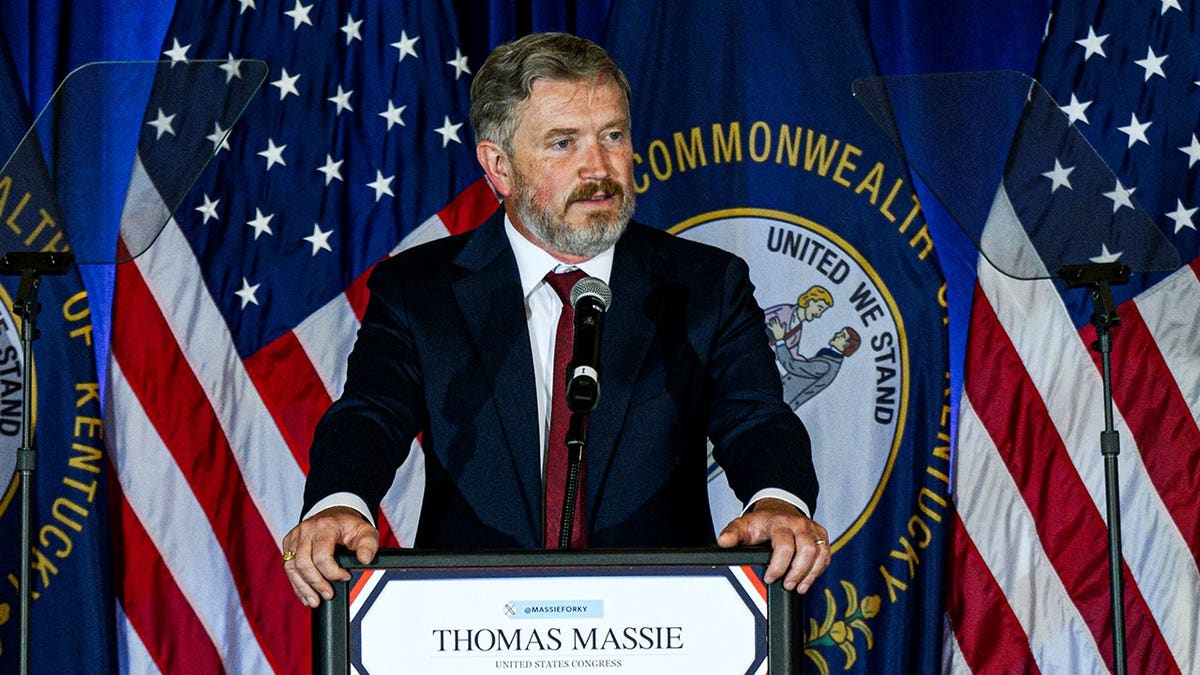
The decision to shutter legislative business until after the November midterms means that for the time being, the administrative and political pressures surrounding the Pentagon’s leadership have been deferred. Rep. Massie, a persistent critic of current executive branch operations, maintains that the timing of the adjournment is not coincidental. He contends that the Speaker’s office acted specifically to bypass a legislative "trigger" that would have forced a public vote on the legitimacy of his impeachment articles.
The Procedural Mechanics of the Standoff
Under existing House rules, articles of impeachment—if privileged—must be addressed by the chamber within a specific timeframe. When a member files such articles, the House is generally required to act, typically leading to a "motion to table." A motion to table is a classic procedural mechanism designed to kill a resolution without requiring members to vote on the merits of the underlying charges.
By sending members home early, Speaker Johnson successfully avoided the "motion to table" process entirely. Had the House remained in session, the Republican caucus would have been placed in the uncomfortable position of having to vote on whether to suppress the impeachment articles. Rep. Massie suggests that the support for such a motion was not guaranteed, raising the possibility that the House could have been forced into a substantive debate regarding the performance and conduct of Secretary Hegseth.

"A vote on a motion to table," Massie remarked in a recent exchange, noting that the leadership’s confidence in killing the resolution was far from absolute. "He may not have survived that vote."
Context and Background: The Path to Impeachment
The friction between certain segments of the Republican conference and the Pentagon under Secretary Pete Hegseth has been building for months. Since his appointment, Hegseth has navigated a complex landscape of departmental restructuring, defense spending negotiations, and intense scrutiny regarding military readiness. The articles of impeachment filed by Massie represent an escalation of these tensions, citing specific grievances that the Representative believes constitute "high crimes and misdemeanors," though the specific evidence cited by Massie remains a point of intense scrutiny among constitutional scholars and political analysts.
The filing of eight distinct articles is a rare, aggressive use of legislative power. Historically, impeachment in the U.S. has been reserved for the most extreme instances of executive misconduct. By utilizing this constitutional lever, Massie has sought to force a public accounting of the Secretary’s actions, aiming to create a record of dissent that resonates with his base and challenges the current trajectory of the Defense Department.
Chronology of the Legislative Session
The final days of the current legislative period were marked by a flurry of activity, focused primarily on spending bills and administrative deadlines. The decision to adjourn, however, diverted the focus away from policy outcomes and toward internal party discipline:
- Mid-October: Tensions rise regarding fiscal year-end requirements and military oversight.
- Late-October: Rep. Massie drafts and files eight articles of impeachment against Secretary Hegseth.
- Early-November: House rules trigger a mandatory window for the chamber to acknowledge or address the filing.
- The Adjournment: Speaker Johnson announces the immediate recess, effectively clearing the calendar of all pending, non-essential floor business until the post-election session.
The Strategic Dilemma for House Leadership
For Speaker Mike Johnson, the primary objective has consistently been the maintenance of a unified caucus during an election season. The threat of a public, televised floor vote on an impeachment—even if the motion to table was likely to succeed—posed a significant risk of party fracturing.

Political analysts point out that "tough votes" on impeachment can be used by opposition parties to paint a narrative of instability. By avoiding the vote, Johnson has essentially "inoculated" his members from having to take a public stand on the controversy. This strategy, while effective at maintaining short-term party cohesion, has drawn criticism from those who believe that congressional oversight should be prioritized regardless of the electoral calendar.
Data and Legislative Implications
The implications of this early adjournment extend beyond the immediate impeachment bid. Legislative activity in the House relies on a calendar that is increasingly dictated by external political pressures. Data from the current session indicates that the number of privileged motions and floor disruptions has reached a modern high, testing the limits of Speaker Johnson’s ability to manage his slim majority.
Furthermore, the "motion to table" serves as a critical pressure release valve. In the 118th Congress, the use of this procedural tool has become a recurring theme. When the House tables a motion, it essentially functions as a "tabling of the issue," preventing further debate and avoiding the creation of a precedent. However, the precedent being set here is one of avoidance—by adjourning, the leadership has signaled that for the remainder of this term, the floor will be protected from potentially divisive impeachment proceedings.
Official Responses and Political Reaction
While the Speaker’s office has not issued a detailed rebuttal regarding the specific intent behind the adjournment, aides close to the leadership have suggested that the schedule was always intended to facilitate members returning to their districts for the final push before the midterm elections. They argue that the focus of the House must remain on core legislative tasks, such as appropriations and national security funding, rather than proceedings that they characterize as "political messaging exercises."
Conversely, critics within the party and observers in the media continue to question whether this constitutes an abdication of the oversight role. The Defense Department has remained largely silent on the impeachment articles, viewing the matter as a legislative dispute internal to the House. However, the long-term impact on the Secretary’s relationship with the legislative branch remains to be seen.
Broader Impact: Oversight vs. Electioneering
The standoff highlights a growing divide within the American political system regarding the appropriate use of impeachment. Traditionally viewed as a tool of last resort, some lawmakers are increasingly utilizing the threat of impeachment as a primary instrument of oversight. This shift suggests that the mechanisms of the House are evolving, with floor procedures becoming increasingly weaponized by individual members to force transparency or accountability on executive branch officials.
As the House heads into the midterms, the question remains whether this episode will serve as a catalyst for reform in how impeachment articles are processed. If the current leadership remains in power, it is likely that the rules governing floor access will be tightened to prevent similar, last-minute legislative disruptions. If, however, the balance of power shifts, the procedures utilized by Massie could become a blueprint for future opposition, potentially leading to a more frequent, if not more chaotic, application of constitutional oversight powers.
For now, the impeachment of Pete Hegseth remains in a state of suspended animation. The articles have not been rejected; they have simply been rendered inactive by the absence of a quorum. When the House returns in mid-November, the political environment will be irrevocably changed by the results of the midterms, and the urgency—or the political appetite—for pursuing these articles may have shifted significantly. The episode serves as a reminder that in the U.S. House of Representatives, the clock is often as powerful a tool as the vote itself, and the timing of a gavel’s strike can be the difference between a constitutional crisis and a political footnote.