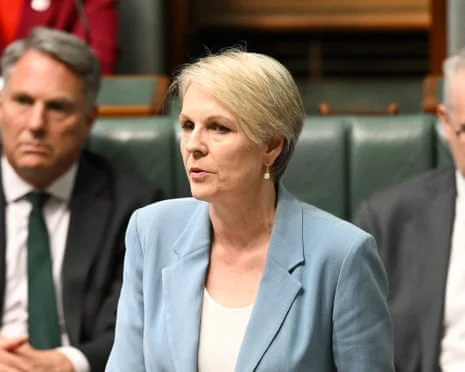
The Australian government has introduced sweeping new legislative reforms aimed at overhauling the national child support system, cracking down on persistent evaders, and addressing what ministers have termed an insidious form of domestic and financial abuse. Unveiled by Social Services Minister Tanya Plibersek alongside Finance Minister Katy Gallagher, the package introduces strict automatic travel bans for individuals with substantial unpaid child support liabilities, closes critical privacy loopholes exploited by perpetrators of violence, and empowers regulatory bodies to recover more than $2 billion in outstanding debts.
The announcement forms part of the Albanese government’s broader legislative agenda during a high-stakes parliamentary sitting fortnight, coinciding with major shifts in national immigration policy, higher global gender equality rankings, and ongoing parliamentary scrutiny of political financing.

Background Context of the Child Support Reform
For decades, advocates, family support services, and legal aid organisations have highlighted systemic vulnerabilities within Australia’s child support framework. While the system relies heavily on private collection arrangements between separated parents, a significant cohort of payers utilise loopholes, asset-hiding strategies, and underreporting of income to avoid financial obligations.
According to federal figures, total unpaid child support across the country currently exceeds $2 billion. Government assessments reveal that approximately 100,000 parents and carers navigating the system have either experienced, or remain at risk of, family and domestic violence. Ministers have stressed that financial non-compliance is frequently weaponised as a tool of post-separation harassment and control, making comprehensive legal intervention an urgent necessity.
The newly announced measures represent the first phase of what the government describes as the most significant structural reform to child support in decades. The overarching objective is to transition vulnerable families toward a simpler, safer, and legally robust agency-backed collection framework.
Key Legislative Measures and Travel Bans
Under the proposed legislation, the federal government is targeting high-value debtors through aggressive enforcement mechanisms. The most prominent measure involves automatic international travel bans.
Individuals who accumulate outstanding child support debts exceeding $10,000 will be automatically restricted from leaving the country. Law enforcement and border control integration will ensure that non-compliant parents attempting to board international flights are intercepted. Ministers argue that restricting overseas travel provides a powerful, direct incentive for debtors to settle their financial responsibilities.
Data presented by the Department of Social Services underscores the concentration of extreme non-compliance within the system. Federal agencies have identified approximately 200 cases where individual debts exceed $150,000, alongside at least one extreme case involving more than $2 million in unpaid support.
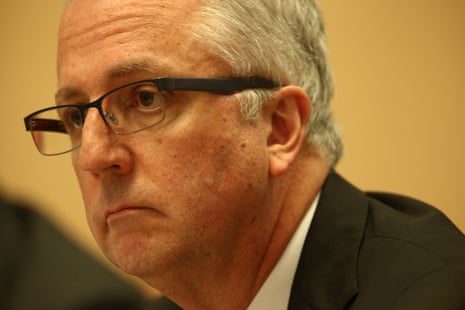
To combat income concealment, the government is expanding resources allocated to the Australian Taxation Office (ATO). Officials note that a common evasion tactic involves failing to lodge tax returns or falsely declaring reduced earnings. Enhanced ATO oversight will cross-reference lifestyle assets and corporate holdings against reported income to unmask deliberate understatements.
Furthermore, the reforms address critical safety risks by dismantling legal mandates that previously forced agencies to share certain contact and personal information between parents. Under the legacy rules, mandatory disclosure requirements occasionally placed domestic violence survivors and their children at immediate physical risk. The new laws eliminate these provisions, prioritising safety and confidentiality for at-risk families.
Political and Economic Chronology
The timing of the child support announcement aligns with a packed legislative calendar and intense political maneuvering in Canberra.
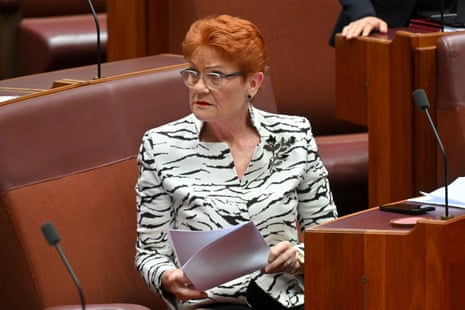
Earlier in the week, national attention focused heavily on immigration reforms led by Home Affairs Minister Tony Burke, who outlined plans to reduce net overseas migration and restrict international students from bringing family dependents. That immigration debate drew sharp criticism from the Coalition and minor parties, including One Nation, with figures like Barnaby Joyce and Angus Taylor questioning the government’s economic modelling and delivery timeline.
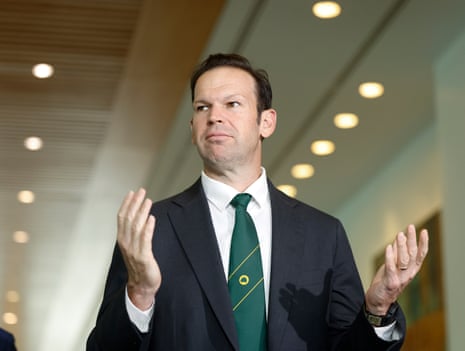
Simultaneously, parliamentary committees have been examining broader integrity and political campaigning issues, including inquiries into the Plymouth Brethren Christian church following allegations of disruptive campaign tactics during previous election cycles. Ministers such as Tanya Plibersek and National Party leader Matt Canavan engaged in public exchanges regarding the boundaries of political faith groups and campaign conduct.
Amid these competing national headlines, the child support and domestic violence safety package emerged as a core social policy focal point, reinforcing the administration’s stated commitment to gender equity and family protection.
Fact-Based Analysis of Implications
The financial and social implications of the child support overhaul are wide-ranging. Economically, the recovery of a fraction of the $2 billion in outstanding liabilities will provide direct financial relief to single-parent households, many of which face acute cost-of-living pressures. Transitioning families from fragile private arrangements into formal agency collection channels ensures greater predictability and legal backing for ongoing maintenance payments.
Socially and legally, the integration of domestic violence frameworks into child support legislation marks a paradigm shift. By classifying persistent financial default and information-sharing tactics as vectors of domestic abuse, the government is establishing legal precedents that view economic coercion with the same gravity as physical misconduct.
However, implementation challenges remain. Legal and administrative agencies will need to manage an influx of cases transitioning from private to agency-managed collection. Furthermore, ensuring that border control mechanisms operate efficiently without administrative bottlenecks will be crucial for the successful enforcement of travel restrictions.
Broader Policy Context: Gender Equality and Social Standing
The introduction of the child support reforms coincides with positive international recognition for Australia’s gender policy metrics. The World Economic Forum’s 2026 Global Gender Gap Report placed Australia eighth out of 148 countries—its highest ranking in history. Moving up 35 places from 43rd since the current government took office, the country’s climb has been attributed to increased political representation, expanded paid parental leave schemes, targeted healthcare investments, and wage adjustments in female-dominated employment sectors.
Prime Minister Anthony Albanese and Minister for Women Katy Gallagher pointed to the child support and family safety reforms as vital components of this ongoing national effort. While acknowledging that significant work remains to eliminate gender-based violence and close economic disparities, the administration maintains that the combination of international benchmarking success and targeted domestic legislation signals a sustained trajectory toward structural reform.
As the child support bill moves through parliamentary debate, its reception across the aisle will test cross-party consensus on matters concerning family safety, financial accountability, and the protection of vulnerable children across Australia.