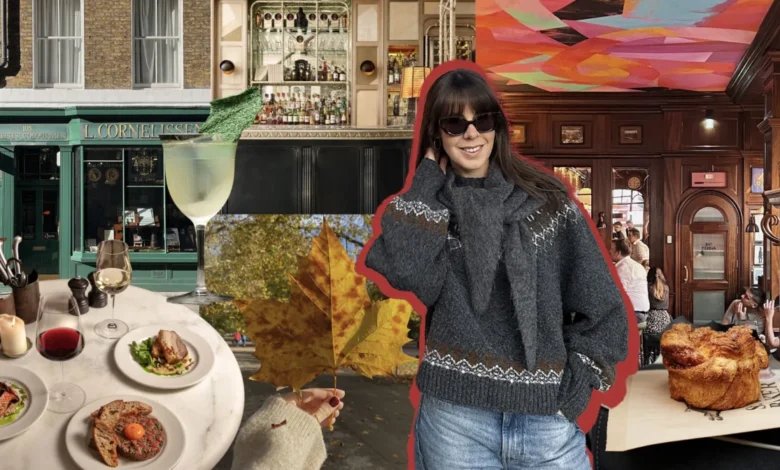
The transition from summer to autumn in the British capital brings a distinct shift in urban rhythm, characterized by falling foliage, seasonal shifts in culinary menus, and a renewed cultural calendar. While summer tourism traditionally dominates travel metrics for the United Kingdom, destination analysts note a steady rise in domestic and international travel during the shoulder season of September through November. For urban explorers, London offers a unique convergence of historical architecture, literary heritage, and world-class gastronomy that becomes particularly pronounced as cooler weather sets in.

Urban tourism experts and local hospitality analysts have increasingly emphasized the economic and experiential value of shoulder-season travel. Cities like London experience a significant decompression of major tourist hubs after the August peak, allowing visitors to engage more deeply with independent retailers, neighborhood eateries, and cultural institutions. This comprehensive chronological itinerary maps out a single autumn day in London, highlighting key architectural landmarks, historical connections, and culinary destinations across Covent Garden, Bloomsbury, Marylebone, Mayfair, and St. James’s.
Morning Awakening: Covent Garden and Bloomsbury

The day begins at 9:00 AM on Monmouth Street in Covent Garden, home to Monmouth Coffee Co., an establishment that has anchored the neighborhood’s specialty coffee scene for decades. Industry reports on London’s food and beverage sector consistently highlight the enduring popularity of independent roasters as focal points for local commerce. The morning routine at Monmouth reflects a broader cultural shift toward artisanal coffee consumption in the UK, where consumers increasingly prioritize single-origin beans and traditional roasting methods. Despite autumn temperatures, patrons frequently utilize the establishment’s outdoor seating, demonstrating the resilience of London’s café culture year-round.
By 10:00 AM, the itinerary moves north into Bloomsbury, a district historically synonymous with the Bloomsbury Group of writers and intellectuals, including Virginia Woolf, T.S. Eliot, and E.M. Forster. This literary pedigree contributes to the neighborhood’s distinct back-to-school atmosphere each September. Visitors arriving at the London Review Bookshop are met with adjacent offerings from St. John Bakery, renowned for its signature sugar-dusted doughnuts and cinnamon buns. The pairing of independent literature and traditional British baking underscores Bloomsbury’s ongoing identity as a intellectual and cultural hub.

Mid-Day Retail and Architectural Exploration in Marylebone
At 11:00 AM, foot traffic shifts northwest toward Marylebone, an area celebrated for its preserved Georgian terraces and village-like independence within Central London. Retail analysts point to Marylebone High Street and its surrounding lanes as a prime example of successful urban curation, where independent boutiques outnumber homogenized chain stores.

The shopping route incorporates several notable establishments:
- Daunt Books: Operating out of an Edwardian building complete with long oak galleries and skylights, this travel-focused bookstore is widely regarded as an architectural and retail landmark.
- KJ’s Laundry and TOAST: These boutiques represent the contemporary shift toward sustainable, independent fashion and artisanal homewares.
- Monocle: The retail arm of the international affairs and design magazine, reflecting Marylebone’s global aesthetic.
- James Smith & Son: Founded in 1830, this historic umbrella maker on Hazelwood Court operates out of a remarkably preserved Victorian shopfront, serving as a living museum of London craftsmanship.
Culinary Traditions and Afternoon Culture

By 1:00 PM, the focus shifts to luncheon options within Marylebone. The local dining scene reflects London’s status as a global culinary capital, blending traditional pub culture with international fine dining. The Hart offers a classic British tavern experience characterized by traditional comfort fare and locally sourced ingredients. Alternatively, Café Murano, helmed by acclaimed chef Angela Hartnett, provides a northern Italian culinary program, while Jikoni, led by chef Ravinder Bhogal, offers a menu infused with East African, Middle Eastern, and British influences.
Following lunch, the itinerary transitions at 2:30 PM to cultural appreciation at The Wallace Collection, situated in Manchester Square. Unlike the larger national museums that frequently experience heavy congestion, this public art collection is housed in Hertford House, a historic townhouse. It offers visitors an intimate viewing experience of 15th- to 19th-century fine art, including works by Titian, Rembrandt, and Fragonard, alongside extensive displays of European arms and armor. Museum curators note that smaller, historically contextual galleries provide a more educational and reflective environment for visitors during the autumn months.

Late Afternoon Green Spaces and Artisanal Groceries
At 3:30 PM, the route leads westward through Portman Square and Marble Arch into Hyde Park. Urban planners and environmental scientists frequently highlight the public health and psychological benefits of London’s Royal Parks, particularly during autumn when deciduous trees undergo chromatic shifts. The crunch of fallen leaves along the park’s pathways provides a quintessential seasonal sensory experience for both residents and visitors.

Continuing south-east by 5:00 PM, the itinerary arrives at the Farm Shop in Mayfair. Part of the Artfarm hospitality group, the storefront sources produce, meats, and specialty items directly from a 1,000-acre farm in Somerset. Agricultural economists note a rising consumer demand for farm-to-table retail models in urban centers, as consumers increasingly seek transparency and regional provenance in their food purchases.
Evening Hospitality: Pubs, Cocktails, and Institutional Dining

As daylight fades, the evening phase begins at 5:30 PM with a visit to The Audley Public House on Mount Street. Recently restored by Artfarm, the Victorian pub challenges the traditional "old man boozer" stereotype by combining historic architectural preservation—including ceiling artwork by artist Phyllida Barlow—with a high-end food and beverage program featuring traditional pints and curated snacks.
At 6:30 PM, the itinerary moves to The Connaught Bar in Mayfair for pre-dinner cocktails. Internationally recognized on multiple global bar-ranking lists, the establishment is celebrated for its tableside martini cart service, overseen by Director of Mixology Agostino Perrone. Hospitality analysts attribute the enduring success of such venues to their meticulous attention to personalized guest experiences and consistent execution of classic cocktail methodologies.

The day concludes at 8:00 PM with dinner at Wiltons in St. James’s. Founded in 1742, Wiltons holds the status of London’s second-oldest restaurant and operates under a Royal Warrant. Specializing in classic British seafood and game, the dining room retains its historic wood-paneled interior and formal service standards. Culinary historians view establishments like Wiltons as vital guardians of British gastronomic heritage, providing a direct link to the capital’s centuries-old dining traditions as the autumn season unfolds across the city.