The evolution of the American Thanksgiving holiday has shifted dramatically over the past four centuries, transitioning from a localized harvest celebration into a modern cultural phenomenon characterized by travel, communal dining, and the popularization of "Friendsgiving." Originally established in its modern federal form during the mid-19th century, the holiday has traditionally centered around domestic family gatherings. However, demographic shifts, geographic dispersal of families, and changing social structures have given rise to alternative celebration models. Chief among these is Friendsgiving—an informal holiday typically observed in the days leading up to or following Thanksgiving, where non-familial social circles gather to share a traditional meal.
As the popularity of Friendsgiving continues to surge across the United States, a distinct logistical challenge has emerged: hosting large groups requires substantial physical space, culinary infrastructure, and seating capacity that many urban and suburban homes simply cannot accommodate. In response to this demand, the short-term rental market has adapted, positioning properties specifically tailored to group holiday gatherings. Real estate and travel data indicate a significant annual spike in bookings for large countryside and suburban properties during the late-November holiday window. For travelers residing along the densely populated East Coast, platforms like Airbnb have become essential resources for securing accommodations capable of replicating—and often elevating—the traditional homestead holiday experience without the associated domestic stress.
The Logistics of Holiday Hosting in Short-Term Rentals
The modern holiday rental market has moved far beyond basic lodging, evolving into a specialized sector focused on experiential hospitality. For East Coast residents seeking an escape from urban centers such as New York City, Boston, Philadelphia, and Washington, D.C., regional properties within a two- to four-hour driving radius have become prime real estate for Thanksgiving and Friendsgiving retreats.
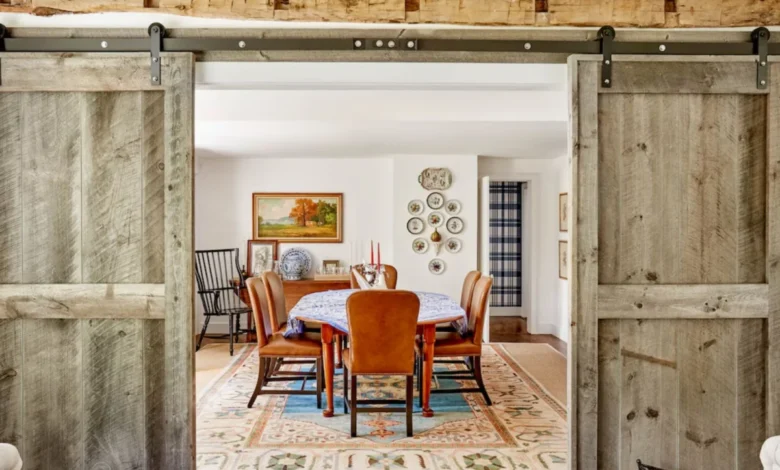
Industry analysts note that properties marketed for group holiday stays must meet a rigorous set of criteria to satisfy consumer expectations. Unlike summer vacation rentals, which prioritize outdoor amenities such as swimming pools and beach access, Thanksgiving-centric rentals are evaluated primarily on their interior capacity and kitchen functionality. Key requirements include expansive dining tables capable of seating eight to twenty guests comfortably, professional-grade or fully equipped kitchens featuring ovens large enough to roast a whole turkey, and multiple well-appointed bedrooms to accommodate mixed groups of friends, couples, and families.
Furthermore, properties achieving Superhost status on short-term rental platforms often distinguish themselves through secondary amenities designed to extend the duration of the stay. Features such as wood-burning fireplaces, entertainment rooms, home theaters, and wellness facilities like saunas or hot tubs transform a standard dinner gathering into an extended multi-day retreat. This shift reflects a broader consumer trend toward experiential travel, where the destination and the shared environment are valued just as much as the holiday meal itself.
Regional Hotspots Across the East Coast
The geographic diversity of the American East Coast offers a wide array of backdrops for holiday gatherings, ranging from the rugged mountain landscapes of New England to the historic agricultural valleys of the Mid-Atlantic.
In New Hampshire and Vermont, lakeside log cabins and timber-frame alpine lodges provide a rustic, picturesque setting. These properties often emphasize natural seclusion, surrounded by acres of private woodlands or situated along the shores of quiet glacial lakes. The architectural appeal of exposed wooden beams, stone hearths, and panoramic window views of early winter foliage or initial snowfall makes northern New England a preferred destination for groups seeking a traditional, cozy holiday atmosphere.
Moving south into New York State, the Hudson Valley has established itself as a premier destination for design-forward rural tourism. Restored 19th-century farmhouses, converted barns, and contemporary architectural estates blend historical charm with modern luxury. These properties frequently feature professional chef’s kitchens, expansive landscaped grounds, and proximity to regional farm-to-table culinary producers, allowing hosts to source local ingredients for their holiday menus directly from nearby orchards, butcher shops, and farmers’ markets.
Further south, the rolling hills of Pennsylvania—particularly the Poconos and Lancaster County—offer expansive homesteads that cater to multi-generational families and large friend groups alike. These estates often prioritize recreational space, incorporating game rooms, expansive lawns, and sprawling communal living areas designed to facilitate large-scale social interaction.
Economic and Tourism Implications of Holiday Rentals
The concentration of travel during the Thanksgiving holiday period carries substantial economic weight for regional tourism economies along the East Coast. While metropolitan areas experience a relative lull as residents depart for suburban or rural destinations, small towns and rural counties near major urban hubs see a notable influx of economic activity.
Local businesses, including specialty food markets, local farms, beverage producers, and hospitality service providers, benefit from the seasonal demand generated by short-term rental guests. Unlike traditional hotel stays, where visitors frequently rely on commercial dining establishments, guests in home-share properties actively engage with local retail food infrastructure. Grocery shopping, visits to local vineyards and breweries, and patronage of community-based artisan shops contribute directly to the micro-economies of rural towns that might otherwise experience a seasonal slowdown between the conclusion of summer tourism and the onset of the winter ski season.
Industry analysts also point to the stabilizing effect of holiday bookings on the short-term rental market. Following the post-pandemic travel boom, platforms and property managers have closely monitored shifting consumer spending habits influenced by inflation and macroeconomic pressures. Despite these variables, holiday travel remains a resilient category, with consumers demonstrating a willingness to pool financial resources through group bookings to offset the cost of premium properties. By splitting the nightly rate among multiple attendees, guests can access luxury accommodations that might otherwise exceed individual travel budgets.
Criteria for Selection and Safety Standards
The curation of properties suitable for large-scale holiday gatherings involves a rigorous evaluation process. Industry standards for top-tier listings typically incorporate verified guest review histories, maintaining high average star ratings, and the sustained achievement of platform-specific designations such as Superhost or Premier Host status.
Safety and compliance remain paramount considerations for both platforms and consumers. Properties hosting large gatherings must adhere to local municipal regulations regarding maximum occupancy, fire safety codes, and noise ordinances. Modern rentals frequently integrate smart-home technology, including noise-monitoring devices that do not record audio but alert hosts to excessive decibel levels, ensuring a harmonious balance between guest privacy and neighborhood tranquility.
Additionally, the physical infrastructure of the property is subjected to closer scrutiny during winter holiday rentals. Heating systems, plumbing capacity capable of handling heavy usage from multiple guests, and snow-removal logistics for rural driveways are critical operational factors that property owners must manage to ensure a seamless guest experience.
The Broader Cultural Shift in Holiday Celebrations
The growing prominence of Friendsgiving and the accompanying rise in alternative holiday travel underscore a fundamental shift in how modern society defines community and celebration. Sociologists and cultural commentators note that as traditional nuclear family structures evolve and geographic mobility scatters friends and relatives across different states and countries, social networks function with increasing frequency as primary support systems.
The commercial adaptation of the travel and hospitality sector to accommodate these non-traditional gatherings reflects a broader market responsiveness to changing social norms. Renting a sprawling country home for a weekend of communal cooking, dining, and relaxation is no longer viewed as an eccentric luxury, but rather as a mainstream holiday strategy.
As this trend continues to mature, property owners and hospitality platforms are expected to further refine their offerings, integrating specialized holiday packages—such as pre-installed kitchen equipment, curated local wine selections, and partnerships with private chefs—to meet the sophisticated demands of the modern holiday traveler. Through the combination of architectural scale, scenic seclusion, and functional design, East Coast short-term rentals have successfully redefined the spatial boundaries of the American holiday tradition, ensuring that the spirit of Thanksgiving remains adaptable to the needs of contemporary society.