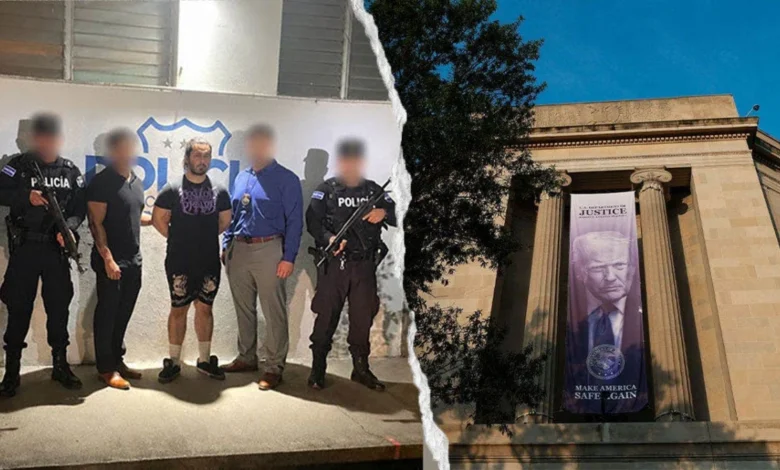
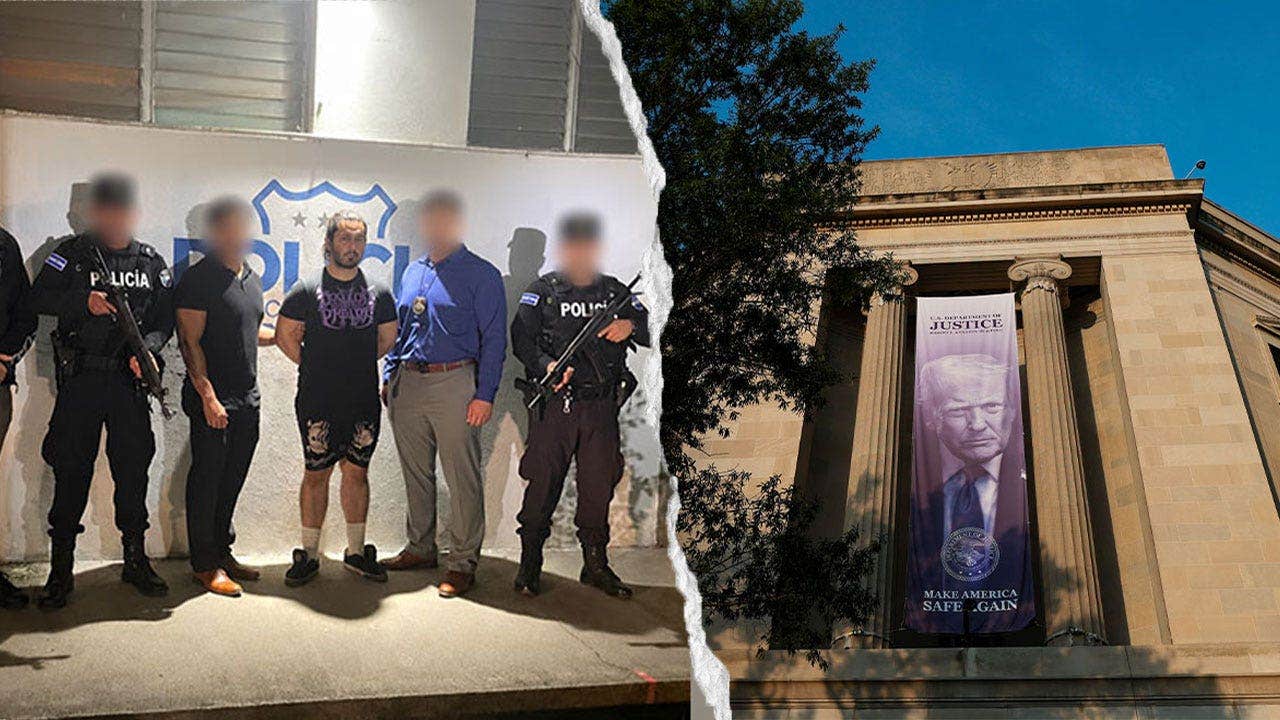
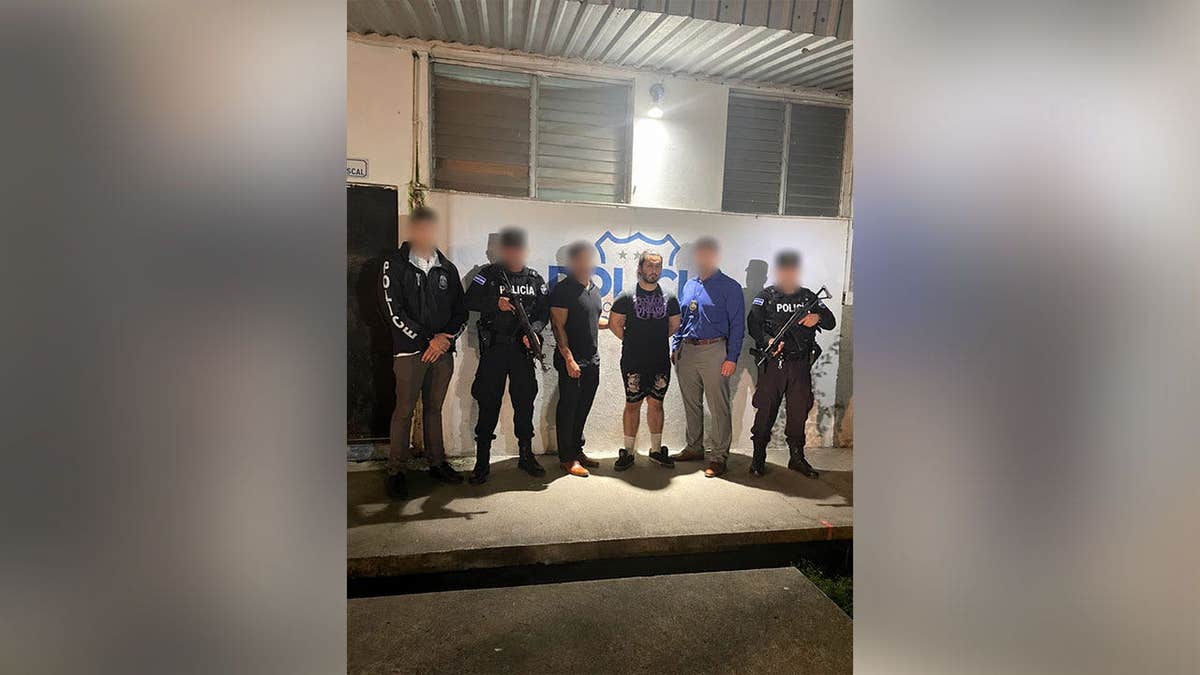
In a historic legal development that underscores the evolving nature of international judicial cooperation, the United States Department of Justice has confirmed the extradition of Michael Alejandro Castillo Murga, a 27-year-old California resident, to El Salvador. Castillo Murga, who holds dual citizenship in both the United States and El Salvador, is the first American citizen to be surrendered by the U.S. government to face criminal prosecution for crimes committed on Salvadoran soil. The transfer, executed this week, brings a conclusion to a years-long legal battle following the 2019 killing of 23-year-old Melvi Fernanda Nájera Quezada.
The extradition, facilitated by the U.S. Marshals Service, represents a significant shift in how the United States handles requests from foreign nations involving dual citizens. For years, legal scholars and human rights advocates have debated the constitutional boundaries of extraditing American citizens, but this case has set a definitive precedent, demonstrating that the protection of citizenship does not provide immunity against prosecution for heinous crimes committed in foreign jurisdictions.
The 2019 Incident: A Chronology of Violence
The events that led to this week’s extradition began on January 31, 2019, in El Salvador. According to official documents filed by Salvadoran authorities and corroborated by U.S. federal prosecutors, Castillo Murga arrived at the residence of Nájera Quezada’s mother under the guise of reuniting their family. He reportedly picked up both Nájera Quezada and their toddler son, telling family members that they were heading out to begin a new life together.
However, the situation turned lethal shortly thereafter. Investigators allege that Castillo Murga took the mother and child to a remote area, where he murdered Nájera Quezada. The cruelty of the crime was compounded by the fact that the couple’s toddler son was left alone near his mother’s body. The victim’s remains were discovered by local authorities near a highway the following day, February 1, 2019. An autopsy conducted by Salvadoran medical examiners concluded that the cause of death was severe blood loss resulting from deep lacerations to the neck and other trauma, which officials believe were inflicted with a makeshift weapon, specifically a plastic knife.
The Investigation and Alleged Cover-Up
The investigation into the murder quickly identified Castillo Murga as the primary suspect. Digital forensic evidence played a pivotal role in linking him to the crime scene. Prosecutors point to cellphone tower data that placed him in the vicinity of the discovery site at the time of the murder. Perhaps most damning, investigators recovered evidence that he had sent a photograph to his girlfriend, which allegedly depicted him with bloodstains on his face and neck—a piece of evidence that authorities contend serves as a self-incriminating visual record.
The case also revealed an extensive, multi-layered attempt to obstruct justice. According to the Department of Justice, Castillo Murga did not act entirely alone in his attempts to evade capture. His grandmother and a legal representative were allegedly instrumental in concealing evidence, specifically orchestrating an attempt to sanitize the crime scene by cleaning his vehicle. Prosecutors allege that the two individuals hired others to scrub the interior and exterior of the car using a mixture of water, vinegar, and car shampoo. Despite these efforts, forensic experts were able to identify residual blood traces that had not been successfully removed, which later served as critical physical evidence.
Following the crime, Castillo Murga allegedly fled El Salvador for Guatemala on February 2, 2019, with the clandestine support of the same individuals who helped clean the vehicle. He eventually managed to enter the United States, where he settled in Beaumont, California, hoping to remain beyond the reach of the Salvadoran justice system.
The Legal Path to Extradition
The path to his eventual return to El Salvador was arduous and spanned several years. After El Salvador issued an official extradition request, the U.S. Marshals Service tracked and apprehended Castillo Murga in October 2024. Upon his arrest, the defendant launched a vigorous legal challenge to stop his transfer. His defense team argued against the constitutionality of the extradition, raising questions about the fairness of the Salvadoran judicial system and the implications of sending a U.S. citizen to face trial abroad.
Federal courts reviewed these challenges meticulously. In November 2025, a federal judge denied his petition to block the extradition, ruling that the treaty obligations between the United States and El Salvador took precedence. A final effort to halt the transfer in September 2026 was also unsuccessful. Following the court’s decision, the U.S. Secretary of State provided the final authorization for his surrender, clearing the way for the U.S. Marshals to hand him over to Salvadoran law enforcement.
Implications for International Law and Justice
The extradition of Castillo Murga serves as a case study for the strengthening of international legal cooperation between the U.S. and Central American nations. Historically, extraditions involving U.S. citizens were rare and often met with significant political and legal hurdles. However, as cross-border crime and domestic violence have become globalized issues, the U.S. government has increasingly signaled a commitment to ensuring that American citizenship is not used as a tool to evade accountability for violent offenses.
"This is a milestone for international judicial relations," noted one independent legal analyst familiar with extradition law. "By setting this precedent, the United States is essentially stating that it will not serve as a safe harbor for individuals who commit egregious acts of violence in other countries, even if those individuals happen to hold an American passport."
The case also brings to the forefront the issue of "femicide"—the gender-based killing of women. El Salvador has long struggled with high rates of violence against women, and the government has recently implemented more stringent laws to classify and prosecute these crimes as "aggravated femicide." Castillo Murga now faces these specific charges, which carry significant penalties under Salvadoran law.
Current Status and Broader Context
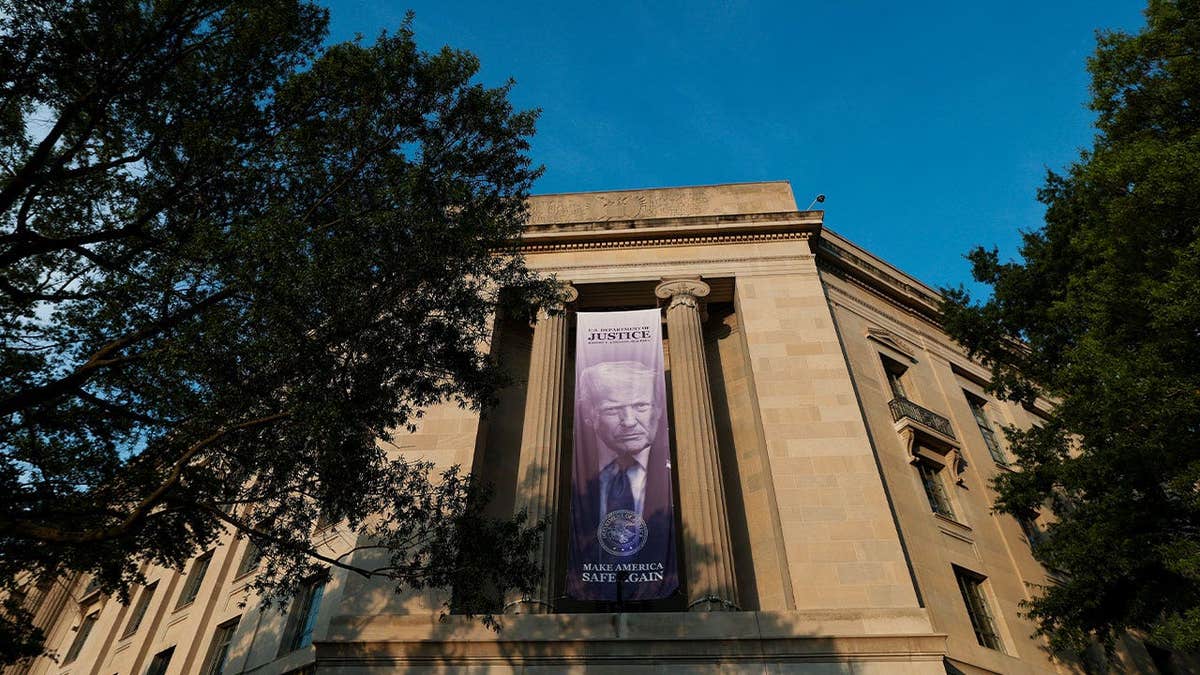
As of this week, Castillo Murga is in the custody of the Salvadoran government, where he is expected to face a trial that will be closely monitored by international observers. The case has also shed light on the logistical complexities of such transfers. The coordination required between the U.S. Marshals for the Central District of California, the Department of Justice’s Office of International Affairs, and Salvadoran authorities highlights the high-level diplomatic effort required to bring a fugitive to justice.
For the family of Melvi Fernanda Nájera Quezada, the extradition provides a long-awaited opportunity for legal closure. The case has been a source of immense grief and public attention in El Salvador, serving as a reminder of the thousands of families affected by violence.
Moving forward, this case will likely be cited in future extradition hearings. It provides a clear roadmap for how federal prosecutors can navigate the intersection of dual citizenship, constitutional rights, and international treaty obligations. As the global landscape of crime continues to evolve, the ability of nations to work together to ensure that perpetrators are brought to trial—regardless of their nationality—is expected to become an increasingly vital pillar of international diplomacy and criminal justice reform.
The U.S. Department of Justice has declined to comment on the specific trial strategy for the upcoming proceedings in El Salvador, maintaining that the matter is now fully within the jurisdiction of the Salvadoran courts. However, the successful transfer serves as a stark message to those who believe that crossing international borders can permanently sever the ties of accountability for violent crimes.