The apprehension of Alpha Bah, a foreign national from Guinea, marks the conclusion of a high-stakes manhunt that has reignited the contentious national debate surrounding sanctuary city policies and inter-agency cooperation in New York City. On Friday afternoon, agents from U.S. Immigration and Customs Enforcement (ICE) Enforcement and Removal Operations (ERO) successfully located and detained Bah, who had been at large following his release from local custody despite an active federal immigration detainer.
The operation, which took place in a residential area of New York City, was the result of coordinated intelligence gathering. Federal officers established surveillance at a temporary residence linked to Bah, observing him throughout the afternoon before taking him into custody at approximately 3:25 p.m. without further incident. The arrest concludes a period of intense scrutiny on New York’s criminal justice system, as federal officials had publicly criticized the decision to release a suspect facing charges of violent assault against a law enforcement officer.
A Chronology of the Case
The sequence of events leading to this week’s arrest highlights a growing friction between local municipal policies and federal enforcement mandates. On October 7, Bah was arrested by local authorities on a slate of serious charges, including aggravated assault on a police officer with a deadly weapon, resisting arrest, obstructing governmental administration, and theft of services related to public transportation.
Following the initial booking at Queens Central Booking, ICE issued a formal detainer request—a notification asking local jails to hold an individual beyond their scheduled release date so that federal agents can assume custody. However, under New York’s long-standing sanctuary policies, which generally limit cooperation with federal immigration authorities, the request was not honored. Bah was released back into the community, prompting a swift and vocal response from Department of Homeland Security (DHS) officials who argued that the release posed an unnecessary risk to public safety.
The federal manhunt officially began upon his release. For several days, ERO officers utilized biometric data and investigative surveillance to track Bah’s movements. On Friday, the tactical situation required patience; officers observed Bah engaging with unidentified individuals in a public space but opted to delay the apprehension due to the presence of school-aged children, prioritizing the safety of the surrounding community. Once Bah was alone, officers initiated a peaceful arrest, confirming his identity through photographic records and Mobile Fortify, a specialized biometric identification tool used by federal law enforcement.
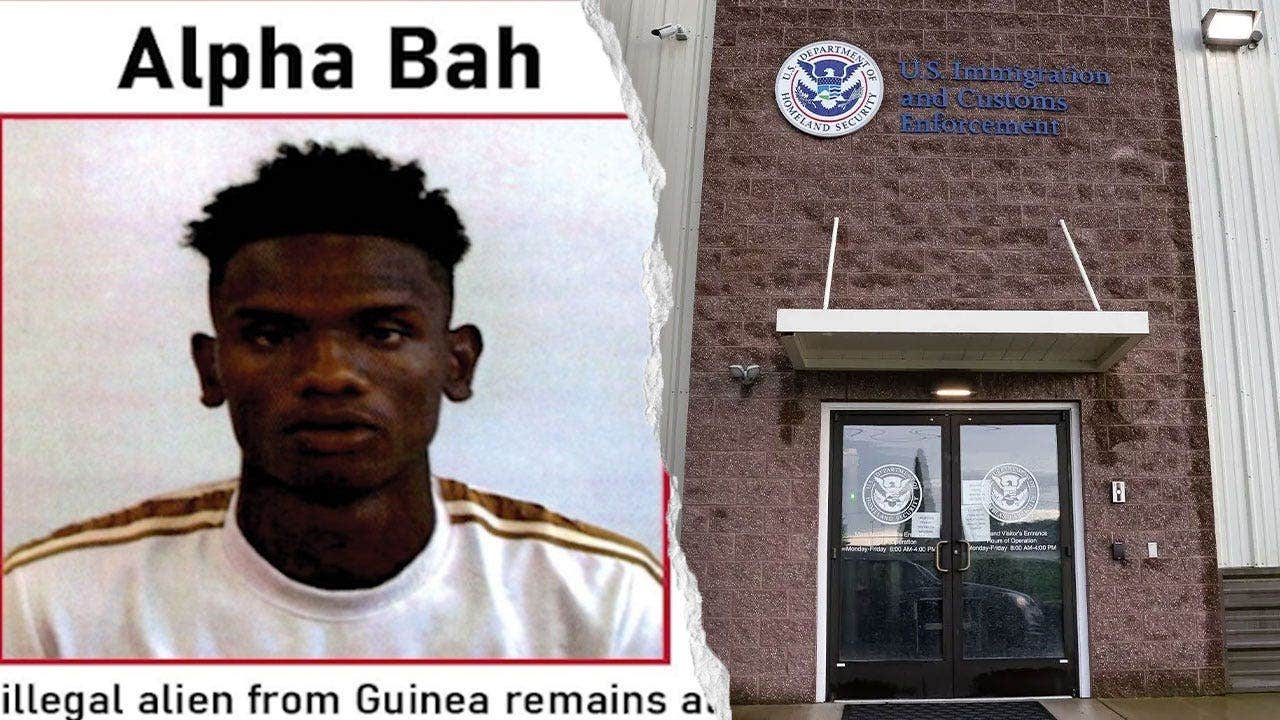
The Sanctuary Policy Debate
The release of Bah from New York custody has served as a focal point for critics of the city’s sanctuary laws. Proponents of these policies argue that they are necessary to foster trust between immigrant communities and local police, ensuring that individuals are not afraid to report crimes or cooperate with investigations for fear of deportation. They maintain that immigration enforcement is a federal responsibility and that local resources should not be diverted to assist in these efforts.
Conversely, federal authorities and law enforcement advocates argue that these policies create a dangerous loophole. When individuals accused of violent crimes are released back into the streets instead of being transferred to federal custody, it complicates the mission of ICE and potentially puts both the public and law enforcement officers at further risk. The specific charges against Bah—aggravated assault with a deadly weapon—have been cited by DHS officials as a clear example of why federal detainers should be honored, regardless of local political stances on immigration.
Supporting Data and Statistical Context
Data from the Department of Homeland Security reflects a broader trend of increased friction regarding non-cooperation policies in major U.S. cities. Nationwide, ICE frequently lodges detainers against individuals who have been arrested on criminal charges. According to recent agency reports, the number of instances where local jurisdictions refuse to honor these requests has remained a consistent point of contention.
In New York City, the sheer volume of migrant arrivals over the past two years has strained social services and public safety infrastructure. The "sanctuary" status of the city, codified by local laws that limit the NYPD and the Department of Correction from communicating with federal immigration officials, has become a flashpoint in national politics. Reports from the House Judiciary Committee have further alleged that some local prosecutors have historically utilized specific plea deal structures that, while intended to facilitate fair adjudication, can inadvertently shield non-citizens from the immigration consequences of their criminal actions.
Official Responses and Political Fallout
The incident has drawn harsh rebukes from high-ranking officials. Prior to the arrest, DHS leadership expressed deep frustration with the local handling of the case. In a public statement, officials underscored that the failure to honor a detainer for a suspect accused of assaulting a police officer represented a breakdown in the expected protocols of inter-agency cooperation.
Governor Kathy Hochul and Mayor Zohran Mamdani have been specifically named by federal officials as key figures whose policy frameworks have facilitated these outcomes. The rhetoric from federal authorities has been pointed, with calls for an immediate pivot in how the city manages detainees who are flagged by ICE. The criticism centers on the "evil" nature of policies that, in their view, prioritize the protection of non-compliant individuals over the safety of the general populace and the enforcement of the rule of law.

Implications for Future Enforcement
The successful capture of Bah provides a temporary resolution to this specific case, but the broader policy implications remain unresolved. The case is likely to accelerate legislative efforts at the federal level to penalize sanctuary jurisdictions or to compel cooperation through the withholding of federal grants.
For the New York City administration, the challenge lies in balancing its commitment to its stated sanctuary values with the increasing political and public pressure to ensure that violent offenders are not released into the community. As federal and local entities continue to operate with competing priorities, the incident serves as a bellwether for the future of immigration enforcement in urban centers.
Furthermore, the integration of technology like the Mobile Fortify biometric tool into the field operations of ERO signifies a shift toward more agile and data-driven enforcement. As federal agencies refine their ability to locate and apprehend individuals without the assistance of local jails, the reliance on, and the importance of, local "holds" may shift, leading to more frequent, independent federal operations in cities that refuse to cooperate.
Conclusion
Alpha Bah is currently in federal custody at 26 Federal Plaza in Manhattan, where he is undergoing processing for his immigration status. His case remains a potent example of the ongoing struggle to define the boundaries of local and federal power in the United States. While the immediate threat posed by the suspect has been mitigated by his arrest, the underlying legal and policy disputes are set to continue. As the nation prepares for further debate on immigration reform, the Bah case will undoubtedly serve as a key exhibit for both sides of the aisle, illustrating the profound complexities and real-world consequences of the current fractured system of inter-jurisdictional cooperation.
Moving forward, stakeholders will be watching to see if this incident prompts any substantive changes in how New York City processes detainees with federal immigration flags. Given the intensity of the current political climate, it is expected that the case of Alpha Bah will be cited in future legislative hearings, potentially acting as a catalyst for new mandates regarding the communication between local correctional facilities and federal law enforcement agencies. The balance between public safety and community-oriented policing remains a delicate one, and as demonstrated by the events of this week, the consequences of misaligned policies are often felt most acutely on the streets of the city itself.