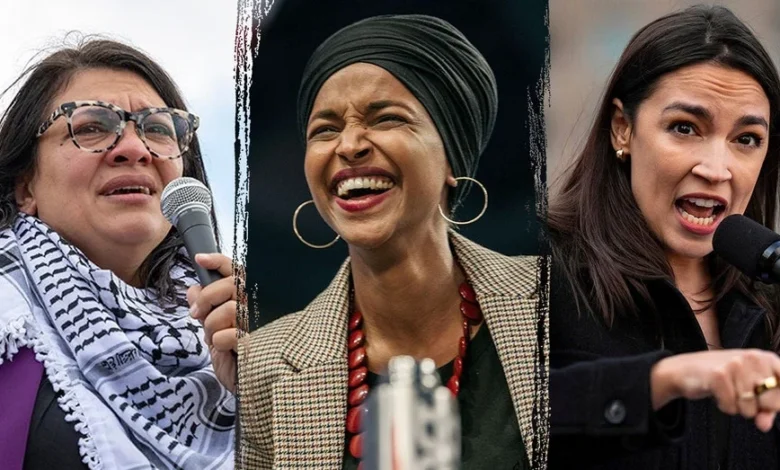
The Squad Victory Fund, a prominent joint fundraising committee serving four of the most influential progressive members of the U.S. House of Representatives, has reached a significant financial milestone for the 2026 election cycle. Federal Election Commission (FEC) filings indicate that the committee has raised approximately $2.35 million, marking its highest-ever intake for a single cycle. Despite this robust growth, the organization remains steadfast in a policy that distinguishes it from many of its congressional peers: an explicit, blanket refusal to accept financial contributions from the Fraternal Order of Police (FOP), the largest law enforcement labor organization in the United States.
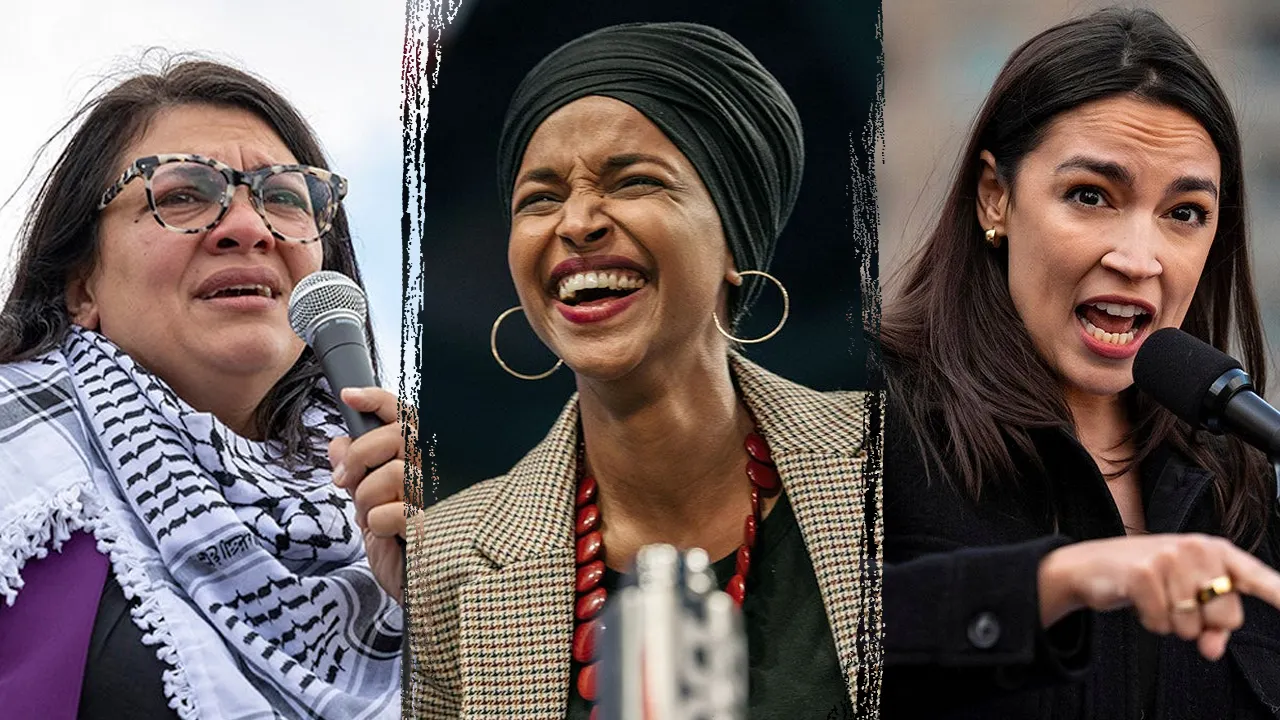
The committee acts as a centralized financial vehicle for Reps. Alexandria Ocasio-Cortez (D-N.Y.), Ilhan Omar (D-Minn.), Ayanna Pressley (D-Mass.), and Rashida Tlaib (D-Mich.). In addition to these four lawmakers, the fund encompasses four allied political action committees (PACs). Under the current distribution framework, incoming contributions are generally apportioned equally among the eight participants, with each entity slated to receive 12.5% of the total funds, though individual donors retain the autonomy to designate specific recipients for their contributions.
A Policy of Exclusion
The financial disclosures provided by the Squad Victory Fund explicitly outline a list of prohibited funding sources. Alongside the Fraternal Order of Police, the fund categorically bars contributions from corporations, federal lobbyists, and entities associated with the fossil fuel industry. While the committee’s internal bylaws detail these exclusions, they provide no specific justification for the exclusion of the FOP, an organization that frequently engages in federal lobbying efforts regarding criminal justice and public safety policy.
This exclusionary stance serves as a hallmark of the ideological branding maintained by the "Squad." By distancing themselves from the primary organization representing law enforcement, these lawmakers continue to signal their alignment with progressive wings of the Democratic Party that have historically advocated for significant police reform and systemic changes to the American justice system. For the FOP, which often directs its political action committee funds toward candidates who align with pro-law enforcement legislative priorities, the exclusion is consistent with the widening ideological chasm between the progressive caucus and traditional police advocacy groups.
Chronology and Fiscal Performance
The financial trajectory of the Squad Victory Fund has been marked by steady growth since its inception. In the 2025-2026 cycle alone, the committee’s intake of $2,351,388.02 represents a culmination of grassroots efforts and high-profile digital fundraising campaigns.
A review of the committee’s activity through the end of the first quarter of 2026 provides a snapshot of its operational costs and liquidity. As of March 31, 2026, the committee reported having spent approximately $1.6 million on various political activities, including digital outreach, administrative costs, and transfers to candidate committees. At that time, the fund maintained roughly $68,000 in cash on hand. Because the committee remains an active, ongoing entity, these figures are subject to change as the general election season accelerates and additional expenditures are realized.
The record-breaking fundraising occurs amidst a tumultuous period for the involved members. For example, recent headlines involving Rep. Ilhan Omar—specifically concerning reports surrounding her residence in Washington, D.C.—have added a layer of political complexity to the collective brand. Despite such distractions, the fundraising machinery behind the Squad has proven resilient, relying on a broad base of small-dollar donors who are highly mobilized by the legislative agendas of these four representatives.
The Landscape of Political Fundraising
The decision to reject funds from specific sectors, including law enforcement and fossil fuel interests, is a strategy increasingly employed by populist-leaning candidates on both sides of the aisle. By publicizing these "blacklists," candidates effectively frame their campaigns as beholden only to individual donors rather than institutional special interests.
From an analytical perspective, this strategy serves dual purposes:

- Donor Signaling: It reinforces the ideological purity of the candidates to their base, serving as a powerful tool for individual donor recruitment.
- Platform Differentiation: It creates a clear demarcation in the political marketplace, forcing opponents to reconcile their own acceptance of similar institutional funds.
However, this strategy also limits the financial pool available to these committees. The Fraternal Order of Police, in particular, manages one of the most active PACs in Washington. By cutting off access to these funds, the Squad Victory Fund is essentially choosing to forego potentially significant capital in favor of maintaining a consistent, albeit narrower, ideological platform.
Broader Implications for 2026
The 2026 election cycle is widely expected to be a high-stakes environment for the progressive movement. Following a series of primary successes, socialist and progressive candidates are seeking to solidify their influence within the House. The emergence of new resources and data-tracking initiatives, designed to highlight the political stakes for voters, suggests that both the far-left and the institutional center of the Democratic Party are preparing for a battle over the party’s future identity.
The Squad Victory Fund’s ability to raise over $2 million despite its self-imposed donor restrictions suggests that the "progressive donor class" is both significant in size and highly committed. This demographic—often composed of younger, urban, and politically active voters—appears unfazed by the lack of support from institutional pillars like the FOP. Instead, they view such exclusions as a prerequisite for authentic representation.
Conversely, critics argue that such policies foster further division in a political climate already characterized by extreme polarization. By formalizing the exclusion of police advocacy groups, these lawmakers are effectively signaling that there is no room for compromise or dialogue with the law enforcement community within their sphere of influence. This stance creates a difficult path for any bipartisan legislation that would require the buy-in of both the progressive wing of the House and the traditional stakeholders of the law enforcement lobby.
Regulatory and Disclosure Context
It is important to note that all funds raised by the committee are subject to rigorous FEC oversight. Contributions are not tax-deductible, and all donors must meet federal requirements regarding citizenship and funding source transparency. The committee’s disclosure documents, while comprehensive, highlight the transparency requirements inherent in modern campaign finance.
The inclusion of allied PACs in the joint fundraising structure is a sophisticated move that allows for the pooling of resources while ensuring that the individual candidates receive the maximum benefit of the funds raised. This structure also provides a layer of legal protection, as funds are managed in compliance with federal election law, ensuring that no individual candidate exceeds the aggregate limits set by the FEC.
Conclusion
As the 2026 election cycle moves into its final phases, the Squad Victory Fund stands as a case study in the modern politics of purity and mobilization. By successfully raising record amounts while explicitly shunning institutional donors such as the Fraternal Order of Police, the four congresswomen have demonstrated that a focused, values-driven fundraising strategy can sustain a powerful political apparatus.
The implications for the broader political landscape remain to be seen. Whether this approach will be adopted by other candidates seeking to appeal to the progressive base or whether it will ultimately lead to a more fragmented, polarized legislative environment will be a central question of the coming years. For now, the Squad Victory Fund remains a potent, well-funded, and deeply ideologically committed actor in the American political arena, unfettered by the financial support of those it considers its political adversaries.