While the interior design industry often prioritizes the grandeur of oversized headboards or the thread count of premium bedding, the true architecture of a well-appointed bedroom frequently rests on a smaller, more tactical element: the lumbar pillow. Historically relegated to the world of ergonomic medical devices, the lumbar cushion—a long, narrow, rectangular pillow—has undergone a significant evolution, transitioning from a functional tool for spinal health into a cornerstone of contemporary residential styling. Today, these pillows serve as the definitive "finishing move" for decorators, providing a clean horizontal anchor that brings symmetry and visual cohesion to beds, sofas, and accent chairs alike.
The rise of the lumbar pillow as a decorative staple mirrors broader shifts in home aesthetics toward "layered minimalism." In the early 2000s, bedding trends favored maximalist approaches, with a dizzying array of Euro shams, standard pillows, and decorative rounds. However, as modern design moved toward sleeker, more curated environments—seen in the high-profile interiors of figures like Paloma Elsesser and in the resurgence of classic Southern architectural revivals—the need for a singular, grounding element became apparent. The lumbar pillow provides this by drawing a crisp, horizontal horizon line across the bedscape, effectively bridging the gap between comfort and formal design.

Defining the Lumbar Evolution
To understand the current demand for these items, one must distinguish between the two primary categories: the ergonomic support device and the decorative accent. Ergonomic lumbar pillows, often constructed from high-density memory foam or gel-infused materials, are engineered to maintain the natural inward curve of the lower spine. These products, such as those produced by The Cushion Lab, are widely utilized in corporate office settings and automotive design to mitigate the physical strain associated with sedentary work.
In contrast, the decorative lumbar pillow has become a fashion statement. These pieces prioritize tactile engagement—using materials like Belgian linen, heavy-weight wool, artisanal velvet, and handwoven textiles—to introduce color and texture without cluttering the visual field. Market research indicates that homeowners are increasingly opting for these "hero pieces" to simplify their bedding arrangements, often replacing a cluttered stack of four or five smaller throw pillows with one long, oversized lumbar cushion. This shift aligns with the "quiet luxury" movement, which emphasizes high-quality materials and intentional placement over quantity.
A Curated Selection of Design-Forward Lumbar Pillows
The current market offers a diverse array of options that cater to varying interior palettes. For those seeking to anchor a bed with a single statement piece, the West Elm Flax Linen Lumbar Pillow Cover has emerged as a leader in the oversized category. Measuring significantly longer than standard cushions, it provides a clean, continuous line that works particularly well on queen or king-sized beds. Linen, favored for its breathability and relaxed aesthetic, remains the industry standard for coastal and modern farmhouse interiors.

For spaces requiring more visual complexity, the Lulu and Georgia Viveka Pillow offers a dimensional surface that provides a "collected" feel. The use of texture—often achieved through varied stitching or raised fabric applications—allows the pillow to act as a focal point in neutral rooms. This trend toward texture is echoed in the popularity of the Quince Velvet Oversized Lumbar Pillow. The inherent sheen of cotton velvet creates a subtle interaction with light, particularly in deeper shades like glacier blue or forest green, offering a sophisticated contrast to the matte finish of cotton or linen sheets.
Artisan-crafted options, such as the Pendleton Crosses Lumbar Pillow, cater to a different segment of the market: those who favor graphic, heritage-inspired textiles. The rise of Southwestern and global-inspired patterns has moved from niche hobbyist circles into the mainstream, with designers frequently using these pillows to inject vibrant, geometric energy into otherwise subdued, monochromatic living spaces.
The Role of Craftsmanship: Tassels and Textiles
Detailing has become a critical differentiator in the luxury home decor sector. The Serena & Lily Mendocino Pillow Cover, for instance, utilizes hand-dyed washed linen that offers subtle color variations, avoiding the flat, manufactured look of mass-produced textiles. The inclusion of three-inch knotted tassels provides a sense of movement and "softness" that is highly sought after in casual-chic design. These details serve an objective purpose: they soften the rigid horizontal lines of the lumbar shape, making the bed feel more inviting and less like a showroom display.

Furthermore, the environmental and economic implications of these choices are significant. Consumers are increasingly moving toward the "cover-only" model, which allows for seasonal refreshes without the need to replace the entire pillow insert. This circular approach to interior design not only reduces waste but also lowers the entry cost for high-end aesthetics, as seen in the price points of premium brands like Brooklinen, which offer durable, washed-linen covers that can be swapped out as design trends shift.
Functional Benefits and Ergonomic Utility
While the primary focus of this analysis is decorative, the functional roots of the lumbar pillow cannot be ignored. In professional office furniture assessments, the inclusion of a lumbar support—even a decorative one—is often cited as a key factor in improving long-term seating comfort. When placed in the natural curve of the lower back, these pillows reduce the pressure on the intervertebral discs.
Interior designers are now leveraging this dual-purpose utility, recommending that clients use firmer, high-quality decorative lumbar pillows on their accent chairs to provide genuine support for reading or working. This intersection of "form and function" is the hallmark of modern interior design, where every object is expected to perform at least two roles: aesthetic enhancement and physical utility.

Frequently Asked Questions and Industry Standards
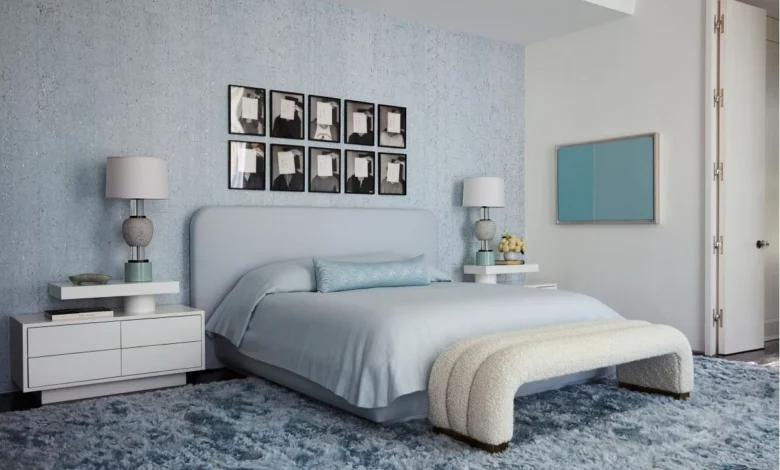
Design professionals often face inquiries regarding the placement and styling of these items. The general consensus among decorators is that a lumbar pillow should be the final flourish in a bed-styling process. After the duvet is pulled tight and the sleeping pillows are propped against the headboard, the lumbar pillow should be centered at the base of the shams.
Regarding sizing, a common rule of thumb for an elegant look is to ensure the pillow width covers at least one-third to one-half of the bed’s width. Anything smaller can look lost against the scale of a king-sized mattress, while anything significantly wider can overwhelm the space. For those layering on a sofa, the pillow should be proportional to the depth of the seating; deeper sofas require fuller, wider lumbar pillows to prevent them from disappearing into the cushions.
Broader Impact and Future Trends
The continued growth of the decorative pillow market—projected to expand as consumers spend more time in their home offices and dedicated relaxation spaces—suggests that the lumbar pillow is not merely a passing trend. Its versatility allows it to adapt to changing styles, from the minimalist industrial look of the 2010s to the warmer, more organic styles defining the 2020s.

As supply chains stabilize and material innovation continues, expect to see an increase in the use of sustainable, recycled materials in the construction of these cushions. Furthermore, the integration of smart-home technology, such as pillows with internal temperature-regulating materials or integrated massage components, may soon bridge the gap between "purely decorative" and "high-tech wellness" even further.
In conclusion, the lumbar pillow has successfully shed its clinical reputation to become an essential component of the contemporary home. Whether chosen for its texture, color, or structural contribution to a bedscape, it remains one of the most accessible and effective tools for elevating a living space. By balancing the objective need for physical support with the subjective desire for visual harmony, the lumbar pillow stands as a testament to the idea that the most impactful design choices are often the ones that are most precisely placed.