Chicago, long recognized as an architectural mecca, is currently experiencing a renaissance in residential interior design. From the high-rises of the Gold Coast to the historic mansions of Lincoln Park and the sprawling retreats of Hinsdale, the city’s design landscape is being redefined by a cadre of professionals who balance the city’s rich architectural heritage with the demands of 21st-century living. According to recent industry data from the American Society of Interior Designers (ASID), the residential design sector in the Midwest has seen a 12% uptick in project scope over the last 24 months, driven largely by a post-pandemic shift toward home-centric investment.

This evolution is being cataloged by the AD PRO Directory, a curated index of industry-leading professionals. The shift is not merely aesthetic; it represents a broader trend in how homeowners view their living spaces—not just as static shelters, but as functional, wellness-oriented environments. Whether clients are undertaking full-scale gut renovations, new custom builds, or curated design refreshes, the Chicago design community is meeting these demands with a fusion of precision, global inspiration, and localized craftsmanship.

The Evolution of Chicago Residential Architecture

To understand the current state of Chicago design, one must look at the city’s historical context. The legacy of architects like Daniel Burnham and Frank Lloyd Wright continues to influence the aesthetic preferences of local homeowners, who often seek to honor the "bones" of their residences. However, today’s designers are moving away from strict period-adherence.

Firms like Abrams Valenti Interiors, founded by Michael Abrams nearly 25 years ago, demonstrate this synthesis. By blending interior architecture with high-end furnishings, they create environments that are both sophisticated and deeply personalized. This holistic approach, where the architect and interior designer work in tandem from the project’s inception, has become the gold standard for high-net-worth residential projects in the region.

A Spectrum of Stylistic Influence

The diversity of design styles currently found in Chicago is staggering. On one end of the spectrum, firms like Aleksandra Nova Design are pushing the boundaries of contemporary luxury, utilizing a monochromatic black-and-white palette to emphasize dramatic textures and architectural lighting. Conversely, designers like Aishah Nisar are championing a more eclectic approach, mixing traditional charm with modern, bold patterns to create "lived-in" elegance.

This range is essential for a city with such varied housing stock. In the dense urban core, designers like Brooke Lang are tasked with maximizing views and spatial efficiency in condos like One Bennett Park, while suburban firms like Amy Storm & Company are mastering the "Midwest modernish" aesthetic—a term that encapsulates the blend of luxury and the practical needs of families in larger, sprawling estates.

The Role of Wellness and Global Curation

A significant development in the post-2020 design era is the explicit focus on wellness. Designers such as Amy Kartheiser have become leaders in this space, incorporating natural materials and soothing palettes to create homes that serve as restorative retreats. Kartheiser’s commitment extends beyond the physical space; her work with the non-profit Under the Same Sky underscores a broader industry trend where interior design is increasingly viewed as a tool for improving mental health and quality of life.

Furthermore, the influence of global travel remains a pillar of Chicago design. Alisa Bloom and Elizabeth Mollen are prime examples of designers who curate textiles, vintage furnishings, and art from around the globe, integrating these unique pieces into their interiors. This global-local hybrid approach ensures that Chicago homes do not feel derivative but rather feel like "collected" spaces that tell the personal stories of their inhabitants.

Navigating the Design-Build Process

One of the most notable shifts in the industry is the rise of the design-build model. Firms like Drury Design and Rebel House have gained traction by streamlining the often complex relationship between the architect, contractor, and interior designer. By managing the renovation process from the initial concept to the final styling, these firms provide clients with a "concierge" experience that minimizes the stress typically associated with construction.

This project management expertise is particularly critical in historical renovations. Ash Street Interiors, for instance, specializes in preserving the original integrity of historical buildings while updating them for modern 21st-century functionality. This delicate balance—maintaining the architectural history of Chicago’s landmarked districts while incorporating high-performance technology and sustainable materials—is the true hallmark of the contemporary Chicago designer.

Economic and Industry Implications

The economic impact of this design boom is significant. The market for high-end residential design in the Chicago metropolitan area has created a robust ecosystem for artisans, local cabinet makers, and custom furniture manufacturers. When designers like Claire Staszak of Centered by Design utilize in-house lines of cabinetry, or when firms like Goesling Group partner with local woodworkers for bespoke furniture, they are fueling a localized supply chain that keeps Chicago’s creative economy competitive.

Moreover, the increasing demand for virtual consultations and remote project management has allowed Chicago firms to expand their footprint far beyond Illinois. Many of the studios featured in the AD PRO Directory, such as those led by Summer Thornton or Sasha Adler, are currently managing major projects in Florida, California, New York, and even abroad. This exportation of "Chicago style" indicates that the city is no longer just a regional leader but a global influence in the world of high-end residential interiors.

The Future of the Industry

As we look toward the future, the integration of technology—specifically 3D walkthroughs and augmented reality—is becoming standard practice. Dawn Reeves Design, for instance, leverages 3D rendering to help clients visualize the finished space before construction even begins. This technological shift not only reduces risk for the client but also fosters a more collaborative relationship between the designer and the homeowner.

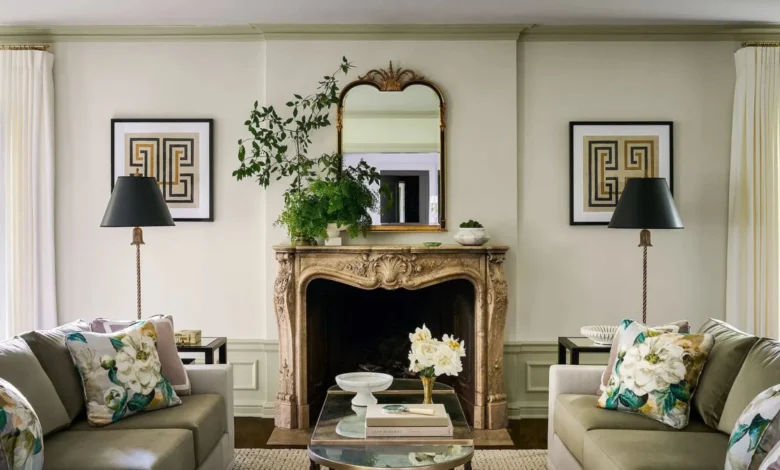
However, despite the influx of technology, the core of the profession remains rooted in the human experience. The most successful designers today—those who are thriving in the current market—are those who prioritize the client’s story above all else. Whether it is the "funky, adult lounge" created by Bishop Studio in a Naperville home or the classic Parisian-styled salon by James Thomas in the Gold Coast, the goal remains the same: to create an environment that reflects the occupant’s soul, passions, and quirks.

For those looking to engage with these professionals, the AD PRO Directory provides an essential resource. The sheer volume of talent in Chicago—ranging from the legendary status of firms like Nate Berkus Associates to the rising stars of newer, niche studios—ensures that the city remains at the forefront of the American interior design landscape. As the industry continues to evolve, the common denominator among these 65 highlighted studios is a commitment to excellence, a respect for architectural history, and an unwavering focus on the personal needs of the modern client.

In a city defined by its skyscrapers, it is the homes within them—and the estates that surround them—that continue to define the standard for domestic luxury. The designers shaping these spaces are not merely following trends; they are setting them, ensuring that Chicago’s legacy of innovation continues to be written in the textures, materials, and light of its interiors.