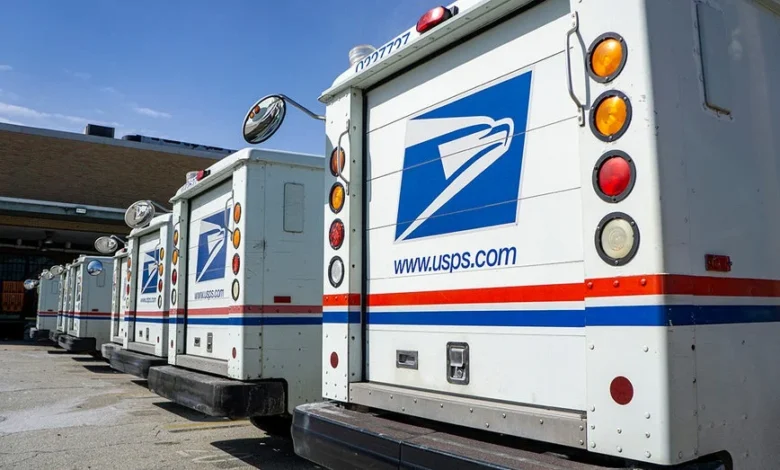
As Kansas voters head to the polls in a pivotal election cycle, the integrity of the electoral process has taken center stage following a startling discovery in the state. A federal grand jury in Wichita returned an indictment this week charging 59-year-old postal worker Kelly R. Cram with the unlawful secretion, destruction, and delay of mail. The indictment alleges a targeted pattern of behavior involving thousands of pieces of mail, specifically highlighting a concentrated effort to intercept communications related to Republican candidates and affiliated political action committees.
The Indictment: A Breach of Public Trust
The charges against Cram, a resident of Baxter Springs, were formalized on Tuesday by the U.S. Attorney’s Office for the District of Kansas. According to the federal filing, the investigation—spearheaded by the U.S. Postal Service Office of the Inspector General—revealed that Cram allegedly stole 4,404 pieces of mail starting in October.
The most concerning aspect of the discovery, according to federal prosecutors, was the selectivity of the theft. During a search of Cram’s residence, agents reportedly recovered nearly 400 political mailers. Notably, every single one of these flyers was related to Republican candidates or conservative-leaning PACs. Investigators confirmed that no mailers related to candidates from other political parties were found at the residence, suggesting a deliberate effort to suppress the distribution of specific political campaign literature.
The indictment lists one count of unlawful secretion, destruction, and delay of mail—a federal offense that carries significant legal weight, particularly when it pertains to the interference of election-related materials. While the investigation remains ongoing, the discovery has sent shockwaves through local political circles, reigniting long-standing debates regarding the security of the mail-in ballot and campaign delivery systems.

Contextualizing the Political Landscape in Kansas
This incident occurs against the backdrop of a high-stakes election season in Kansas. Sen. Roger Marshall, the Republican incumbent, is currently locked in a competitive race against Democratic challenger Adam Hamilton. Marshall has spent the final days of the campaign traversing the state, emphasizing the concerns of rural voters regarding the national economy and inflation.
In his recent appearances, including a discussion on "The Sunday Briefing," Marshall has focused on the necessity of electoral participation, urging his base to cast their ballots despite the challenges of the current political environment. For the Marshall campaign, the postal worker scandal serves as an unfortunate reminder of the vulnerability of the mail system.
The state’s political climate is further complicated by a robust gubernatorial race featuring Republican State Senate President Ty Masterson against Democratic State Senator Cindy Holscher. With all four of Kansas’s U.S. House seats and a critical Senate seat on the ballot, the state has become a focal point for national party leaders. The discovery of the stolen political mailers has prompted calls from various observers for increased oversight of the postal system to ensure that voter information and campaign materials reach their intended destinations without partisan interference.
A History of USPS Scrutiny
The indictment of Kelly R. Cram is not an isolated event but rather the latest in a series of controversies involving the United States Postal Service that have drawn the attention of federal lawmakers. In recent years, there has been an intensified focus on the operational integrity of the USPS.
Earlier this year, Sen. Josh Hawley (R-MO) made headlines by expanding a probe into the USPS, issuing a scathing letter to the Postmaster General that accused the agency’s leadership of evading congressional oversight. Hawley’s investigation, along with similar efforts by other GOP lawmakers, has sought to address concerns about mail delays, the handling of sensitive documents, and the overall reliability of the service during election cycles.

In another high-profile case, a former postal worker in Utah was recently indicted after allegedly dumping more than 300 mail-in ballots. Incidents like these, while statistically small relative to the millions of pieces of mail handled by the USPS daily, create significant friction in public trust. For a democratic society that relies increasingly on decentralized voting methods, the physical security of the mail is a foundational requirement.
Analysis: Implications for Election Integrity
The theft of political flyers, while distinct from the theft of ballots, carries deep implications for democratic processes. Political campaigns rely on direct mail to inform voters about policy positions, candidate backgrounds, and voting procedures. When that chain of communication is broken, it disproportionately affects voters who rely on traditional media and mail-in literature to make informed decisions.
From a legal standpoint, the federal indictment underscores the severity of tampering with government property and the sanctity of the electoral mail stream. The U.S. Postal Service is a federal agency, and its employees are entrusted with a high degree of responsibility. The fact that the materials in question were specifically identified as Republican-leaning suggests a potential motive that could lead to further sentencing considerations if a conviction is secured.
Political analysts note that such events often serve as "mobilization triggers" in close races. When voters feel that the process is being manipulated or targeted, it often leads to increased turnout as both sides attempt to overcome perceived obstacles. Whether the Cram incident will have a tangible impact on the margin of victory in the Kansas Senate or gubernatorial races remains to be seen, but it has certainly forced candidates to address the issue of election security on the stump.
The Ongoing Investigation and Future Oversight
The U.S. Postal Service Office of the Inspector General (OIG) has not released a comprehensive timeline of the events leading up to the discovery, but the indictment suggests a systematic accumulation of mail over several weeks. The U.S. Attorney’s Office in Wichita continues to handle the case, though officials have remained tight-lipped regarding potential accomplices or whether other jurisdictions were affected.
Requests for comment from the U.S. Attorney’s Office regarding the potential for further charges or whether other employees were under investigation were not immediately returned. Meanwhile, the USPS has issued standard statements regarding its commitment to the security of the mail, often pointing to its robust internal audit processes that ultimately led to the identification of the alleged criminal activity in this case.
As the election results are tallied, there will likely be renewed calls for congressional hearings to examine how internal controls failed to flag the removal of over 4,000 pieces of mail. The incident has already prompted some lawmakers to demand an audit of all postal facilities in the region to ensure that no other mail-in ballots or campaign materials have been sequestered.
Conclusion: Maintaining Confidence in the System
The arrest of Kelly R. Cram serves as a cautionary tale about the human element in public infrastructure. While the U.S. postal system is designed with multiple layers of redundancy and security, it remains susceptible to the actions of individuals who abuse their positions of authority.
For the voters of Kansas, this incident is a reminder to remain vigilant. As Sen. Marshall and other candidates push for a high turnout, the focus remains on ensuring that every vote cast is counted and that the democratic process remains free from interference. The legal proceedings against Cram will move through the federal court system in the coming months, providing a clearer picture of the scale of the theft and the specific motivations behind the targeted interference.
Ultimately, the strength of the electoral process relies not only on the integrity of the candidates but on the unwavering reliability of the institutions that facilitate the exchange of information. As the dust settles on this election, the U.S. Postal Service will likely face increased pressure to implement stricter security measures to prevent such breaches of trust from recurring in future election cycles. The outcome of this case will serve as a bellwether for how the federal government handles internal threats to the electoral infrastructure in the years to come.