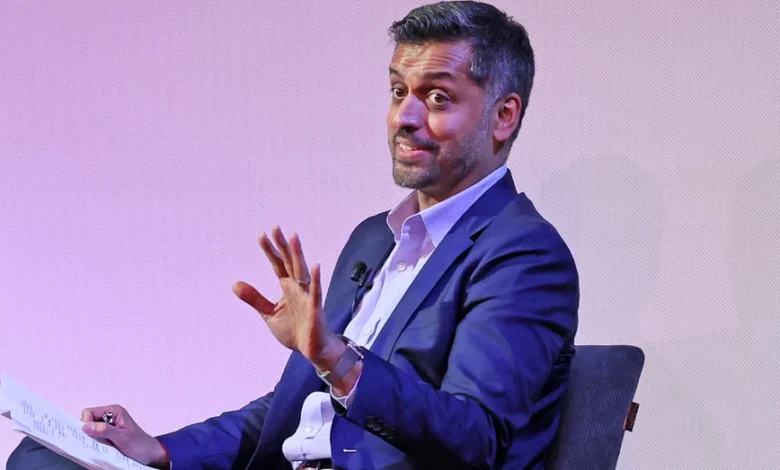
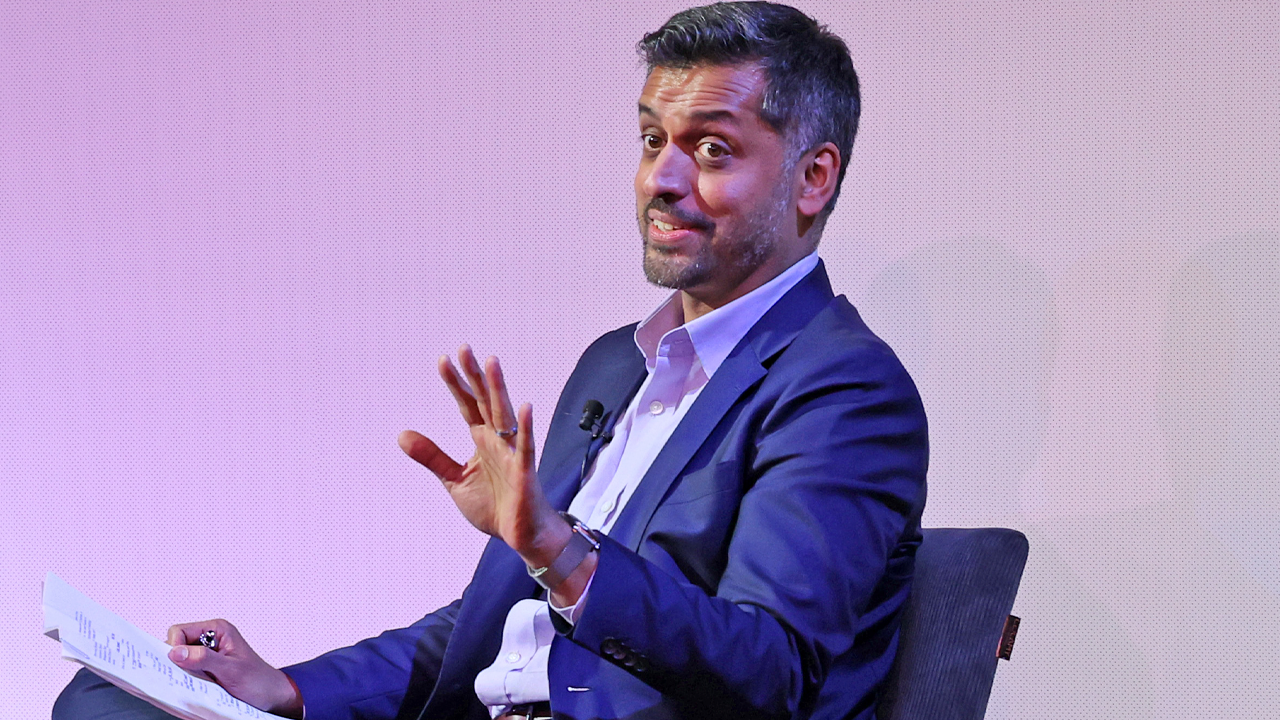
The political landscape surrounding the Michigan Senate bid of Abdul El-Sayed has intensified following comments made by commentator Wajahat Ali, which have drawn sharp rebuke from prominent American Muslim reformers. Ali, a frequent media presence and political activist, suggested on the social media platform X that the failure of El-Sayed to secure his electoral bid would trigger a "reckoning" and lead to the "radicalization" of voters against establishment Democratic figures. These remarks have ignited a fierce debate within the American Muslim community, highlighting a widening chasm between activists who align with Islamist political frameworks and those who advocate for secularism, the separation of mosque and state, and liberal democratic values.
The controversy began on Monday when Ali characterized the potential defeat of El-Sayed as a "watershed moment" in Democratic politics. In his post, he warned, "The fire will rise. It’s over. People will be radicalized against corporate, pro-Israel Dems. There will be a reckoning." When the backlash to his comments emerged, Ali did not retract the statement. Instead, he doubled down on Tuesday morning, accusing his critics of harboring "Islamophobia and anti-Arab bigotry," while inviting those who opposed his rhetoric to "share the ugliness with the world."
A Fissure in American Muslim Political Thought
The rhetoric employed by Ali has been identified by several Muslim reformist leaders as mirroring the inflammatory language often utilized by religious hardliners in the Middle East to intimidate electorates. This incident underscores a profound ideological split within the American Muslim political sphere. On one side stands a cohort of establishment organizations and influencers who often integrate political Islam into their advocacy, frequently prioritizing anti-Zionist and anti-Western platforms. On the other side are reformers who argue that such stances are detrimental to the integration of Muslims into the American democratic process and often rely on grievances that mirror the tactics of foreign authoritarian regimes.
Dalia Ziada, an Egyptian-born activist and the Washington, D.C. director at the Institute for the Study of Global Antisemitism and Policy, noted that the language used by Ali carries a specific historical resonance. "What Wajahat Ali said on the eve of elections is actually the language we’ve seen Islamists use before elections in countries in the Middle East, including Egypt," Ziada said. She explained that the underlying threat—suggesting that political loss inevitably leads to civil unrest or violence—is a common maneuver designed to suppress dissent and force a specific political outcome through fear rather than policy debate.
Soraya Deen, an attorney and co-founder of the Los Angeles Women’s Multifaith Alliance, echoed these concerns. Deen argued that the normalization of such discourse poses a threat to democratic norms. "His words are deeply troubling," Deen stated. "Losing an election is not a license for radicalization. We must reject intimidation, political extremism, and the politics of perpetual grievance."
The "Jihad First" Lens and Political Polarization
Dr. Zuhdi Jasser, founder of the American Islamic Forum for Democracy and a candidate for Congress in Arizona, characterized Ali’s commentary as representative of a "Jihad First" lens. According to Jasser, this perspective views all global and domestic conflicts through a binary, ideological framework that prioritizes specific Islamist objectives over the broader stability of the American constitutional republic.
Jasser argues that the support base for candidates like El-Sayed is increasingly defined by this "red-green" alliance—a convergence of far-left progressive organizations and Islamist advocacy groups. Critics of this coalition suggest that the two groups find common ground in their opposition to U.S. foreign policy, specifically regarding the state of Israel. By mobilizing voters through the lens of identity politics and external grievances, this alliance often bypasses traditional American political discourse, focusing instead on themes of systemic oppression that demand radical structural change.
Chronology and Context of the El-Sayed Campaign
The Michigan Senate race involving Abdul El-Sayed has become a focal point for this coalition. A review of the campaign’s support network reveals a dense web of endorsements from approximately 70 Muslim advocacy groups and influential figures. Key supporters include organizations such as CAIR Action, Americans for Justice in Palestine Action, and various local Democratic caucuses specifically organized around ethnic or religious identities.
The campaign’s platform has been marked by frequent clashes with establishment Jewish Democrats and moderate members of the party. The candidate has faced scrutiny not only for his current policy positions but also for his past comments and associations. Throughout the election cycle, the campaign has had to navigate internal friction regarding the rhetoric of its most vocal surrogates, including figures like Hasan Piker, whose commentary has frequently been cited as polarizing even within the progressive wing of the Democratic Party.
The following timeline highlights the escalation of these tensions:
- Initial Campaign Launch: El-Sayed enters the race, quickly securing support from progressive and Muslim-led organizations.
- Mid-Campaign Friction: Concerns are raised regarding the campaign’s rhetoric on Israel and its reliance on activists who have been accused of using inflammatory, anti-establishment language.
- The "Hasan Piker" Controversy: El-Sayed faces pressure to distance himself from prominent influencers after reports suggest their rhetoric is alienating moderate voters.
- The "Fire" Post: Wajahat Ali issues his statement regarding a "reckoning" and "radicalization," prompting a national conversation about the boundaries of political speech in the American Muslim community.
- Public Outcry: Reformist leaders, including Dr. Zuhdi Jasser and Dalia Ziada, issue formal statements condemning the normalization of intimidation tactics in domestic elections.
Implications for the Democratic Party and Muslim Voters
The implications of this rhetoric extend beyond a single Senate race in Michigan. For the Democratic Party, the struggle to maintain a "big tent" coalition is becoming increasingly difficult as the ideological distance between moderate members and the far-left/Islamist-aligned faction grows. The use of language that hints at "fire" and "radicalization" creates a climate of hostility that makes consensus-building difficult.

Political analysts suggest that the "red-green" alliance poses a unique challenge to the traditional Democratic coalition. By framing political contests as moral crusades that demand a "reckoning," these influencers risk alienating the suburban and moderate voters essential to winning swing states. Furthermore, the reliance on anti-Israel sentiment as a primary mobilizing tool may conflict with the party’s long-standing commitments to international allies and domestic unity.
For American Muslim voters, the debate highlights an ongoing struggle to define the community’s voice in the national narrative. Reformers argue that the community’s interests are best served by participating in the democratic system through standard political processes—such as lobbying, grassroots organizing, and debate—rather than by adopting the rhetoric of "perpetual grievance." They fear that if the community is represented primarily by voices that threaten radicalization, it will foster increased suspicion and division within the wider American public.
Analysis of the Rhetorical Shift
The shift toward more combative, apocalyptic language in American politics is not unique to any single group, but the specific appropriation of foreign-style intimidation tactics is of particular concern to national security observers. When a political influencer suggests that a loss in a free and fair election will lead to "radicalization," they are essentially framing democratic defeat as an illegitimate event that justifies extra-political reactions.
This framing is fundamentally at odds with the democratic principle of peaceful transition and political compromise. As Ziada noted, the use of the "Israel is bad" card as a distraction from local political or economic failures is a classic tactic of Middle Eastern dictatorships, designed to divert public anger toward an external scapegoat. The fact that such tactics are being transplanted into American political discourse suggests a concerning trend where identity-based anger is prioritized over local, actionable policy solutions.
As the political cycle progresses, the tension between these competing visions for American Muslim political engagement is likely to persist. Whether the Democratic Party can reconcile these internal fissures, or whether the current rhetoric will lead to a more permanent realignment of voters, remains to be seen. What is clear is that the discourse surrounding candidates like El-Sayed has become a litmus test for the future of political civility and the role of identity-based advocacy in the American system. The vocal response from reformist leaders suggests that there is a significant, albeit often overlooked, portion of the American Muslim population that is eager to reject the politics of intimidation in favor of a more constructive, pluralistic approach to governance.