The vibrant cultural landscape of Qatar’s capital served as the epicenter of global independent cinema as the Doha Film Festival wrapped up its highly anticipated sophomore edition. Running from November 19 to 27, the week-long celebration of storytelling drew filmmakers, industry heavyweights, and cinephiles from across the globe to the Qatari capital. The event culminated in a prestigious closing ceremony that distributed more than $300,000 in prize money across four fiercely contested competition strands: the International Feature Film Competition, the International Short Film Competition, the Ajyal Film Competition, and the Made in Qatar competition.
The festival represents a strategic evolution by the Doha Film Institute (DFI), which successfully transformed its long-standing Ajyal Film Festival—historically dedicated strictly to youth and family-friendly programming—into a comprehensive international cinematic showcase. By broadening its scope, DFI has positioned Doha as a premier nexus for global arthouse cinema, bridging the gap between regional voices and the wider international film community. This year’s top honors went to critically acclaimed projects that tackle profound themes of displacement, identity, and personal resilience.
Triumphs of the International and Regional Competitions
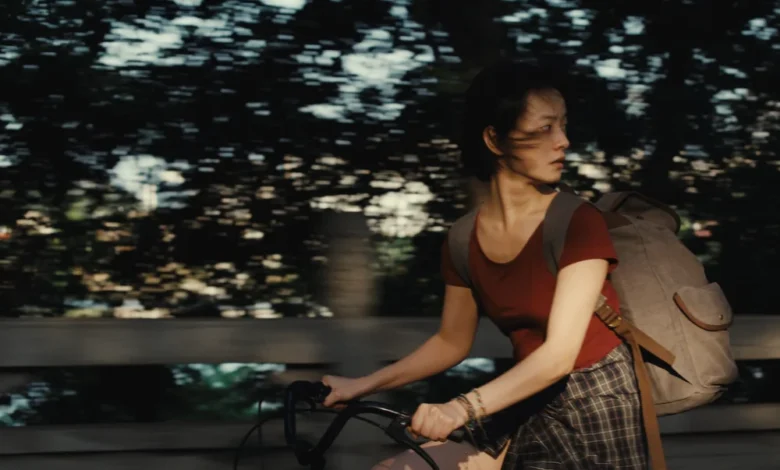
The top honors of the evening reflected a diverse geographic and thematic sweep, emphasizing human struggles against systemic and personal adversity. In the International Feature Film Competition, Zou Jing’s poignant drama A Girl Unknown captured the Best Narrative Feature prize. The film offers a deeply moving chronicle of a young Chinese girl’s formative years, tracking her life as she is passed between three different families from the age of six to eighteen.
Meanwhile, the International Documentary Competition top prize was awarded to Asmahan Bkerat for Concrete Land. The deeply intimate documentary serves as a multi-generational portrait of a mixed-race family striving to maintain their dignity and heritage while fighting displacement and rising hostility in Jordan.
On the regional front, the Made in Qatar competition—which champions projects produced within the country regardless of the filmmaker’s national origin—shone a spotlight on Hamad Al-Fayhani’s striking work, Crawling Into Myself. The compelling narrative follows a man grappling with a rare, harrowing medical condition that gradually erases his facial features, offering a metaphorical exploration of identity, visibility, and self-acceptance. Adding to the local triumphs, Jamal Rashid Alkhanji’s Jodari Meno claimed the coveted Audience Award, resonating deeply with festival-goers.
A Stellar Jury and High-Profile Attendance
The rigorous evaluation of the competition entries was entrusted to some of the most respected figures in global cinema. The International Feature Film Competition jury was presided over by acclaimed Japanese director Naomi Kawase. She was joined by an illustrious panel comprising French-Tunisian actor Adam Bessa, Tunisian producer Dora Bouchoucha, Italian documentary filmmaker Gianfranco Rosi, and award-winning Palestinian filmmaker and artist Kamal Aljafari.
The International Short Film Competition jury was led by French-Moroccan producer Karim Aitouna, working alongside Malaysian filmmaker Amanda Nell Eu and Swiss-Rwandan actress and filmmaker Kayije Kagame. Additionally, the Made in Qatar jury brought together Lebanese actress and filmmaker Yumna Marwan, Qatari filmmaker Al Johara Al Thani, and Palestinian-Belgian filmmaker and producer Naël Khleifi. Finally, the Ajyal Film Competition winners were determined by a diverse international youth jury aged 16 to 25, preserving the DFI’s foundational commitment to nurturing young media literacy and critical engagement.
The star-studded closing ceremony, hosted with dynamic flair by Sudanese filmmaker and presenter Amjad Al-Nour, drew an elite crowd of regional and international film icons. Attendees included renowned auteur Elia Suleiman, acclaimed photographer Brigitte Lacombe, and Qatari filmmaker Ahmed Al Baker. The red carpet also welcomed prominent dignitaries, including H.E. Sheikha Al-Mayassa bint Hamad bin Khalifa Al Thani, Chairperson of the Doha Film Institute; H.E. Sheikh Dr. Abdulla bin Ali Al Thani, Managing Director and Vice Chairman of the Board of Directors of Qatar Leadership Centre; Hamad Omar Al-Mannai, Chief Executive Officer of Media City Qatar; and Eng. Abdulaziz Ali Al Mawlawi, Chief Executive Officer of Visit Qatar.
Doha Industry Days: Fostering Global Collaboration
Beyond the glittering galas and public screenings, the festival served as a vital commercial and creative incubator through its robust industry sidebar, Doha Industry Days. Running across three intensive days, the professional platform welcomed approximately 450 prominent industry executives, producers, financiers, and creators from 38 countries.

The industry program boasted a lineup of masterclasses and keynote sessions featuring some of the most influential names in contemporary entertainment. Among the headline speakers were Squid Game creator Hwang Dong-hyuk, Avengers director Joe Russo, French superstar Omar Sy, and Swedish actress Noomi Rapace. Their participation underscored Doha’s growing drawing power as a strategic meeting ground for East-West co-productions and cross-cultural dialogue.
The bustling marketplace also served as the launchpad for several high-profile project announcements that sent ripples through the international trade press. Most notably, the event witnessed the unveiling of a Neon-backed biographical feature titled Caesar, chronicling the harrowing exploits of Syrian military officer and whistleblower Farid Al-Madhhan. Furthermore, producers announced two additional major biopics: one dedicated to legendary Egyptian music icon Mohamed Mounir, and another focusing on Lebanese pop star Fadel Shaker. These announcements highlighted the festival’s effectiveness in converting creative discussions into tangible, production-ready ventures.
Institutional Vision and the Broader Impact of Cinema
Reflecting on the monumental success of the sophomore revamped edition, Fatma Hassan Alremaihi, Festival Director and Chief Executive Officer of the Doha Film Institute, emphasized the profound cultural philosophy guiding the event.
"Tonight, as we celebrate the winners of the 2026 Doha Film Festival, we celebrate far more than cinematic achievement," Alremaihi stated during her address. "We recognize the power of stories to transcend borders, challenge perspectives, and bring the experiences of people and communities into the global conversation."
Alremaihi elaborated on the core mission of the DFI, stressing that marginalized or underrepresented narratives require dedicated institutional backing to find their rightful place on the world stage. "The Doha Film Institute believes that important voices deserve to be seen, heard, and recognized," she noted. "The Doha Film Festival exists to provide that platform—bringing together filmmakers and audiences from across the world, championing bold and independent storytelling, and creating space for stories that might otherwise go untold."
Concluding her remarks, Alremaihi offered a broader reflection on the sociological and emotional utility of the medium in an increasingly fractured geopolitical climate. "The films we honor tonight remind us that cinema is not simply a reflection of the world we live in; it is a force that can shape how we understand it, connect with one another, and imagine a more empathetic future."
Analysis: Positioning Doha as a Global Cultural Hub
The evolution of the Doha Film Festival from its roots as the youth-centric Ajyal showcase into a full-fledged international powerhouse marks a calculated milestone in Qatar’s broader cultural strategy. By channeling substantial resources—exemplified by the $300,000 prize pool and the high-level infrastructure of Doha Industry Days—the nation is actively diversifying its economy away from hydrocarbon dependency while simultaneously establishing soft power through the arts.
The festival’s deliberate focus on independent, auteur-driven cinema, coupled with rigorous institutional support for regional voices from the Middle East, North Africa, and beyond, fills a crucial gap in the global festival circuit. While European and North American festivals often dictate global distribution trends, platforms like the Doha Film Festival provide a vital alternative distribution and financing ecosystem. This ecosystem particularly empowers filmmakers from the Global South, ensuring that complex regional narratives are told on their own terms.
As the festival concludes its 2026 run, the tangible outcomes—ranging from international distribution deals for award-winning titles to major development announcements like the Caesar biopic—demonstrate that Doha has firmly cemented its status as an indispensable anchor for the future of global cinema.