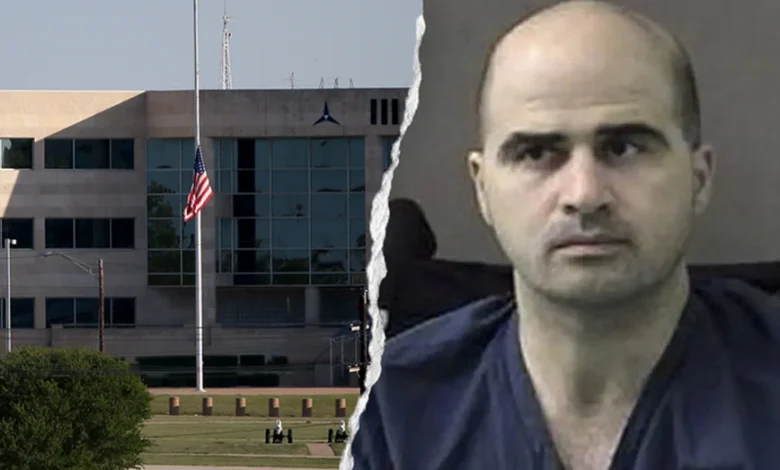
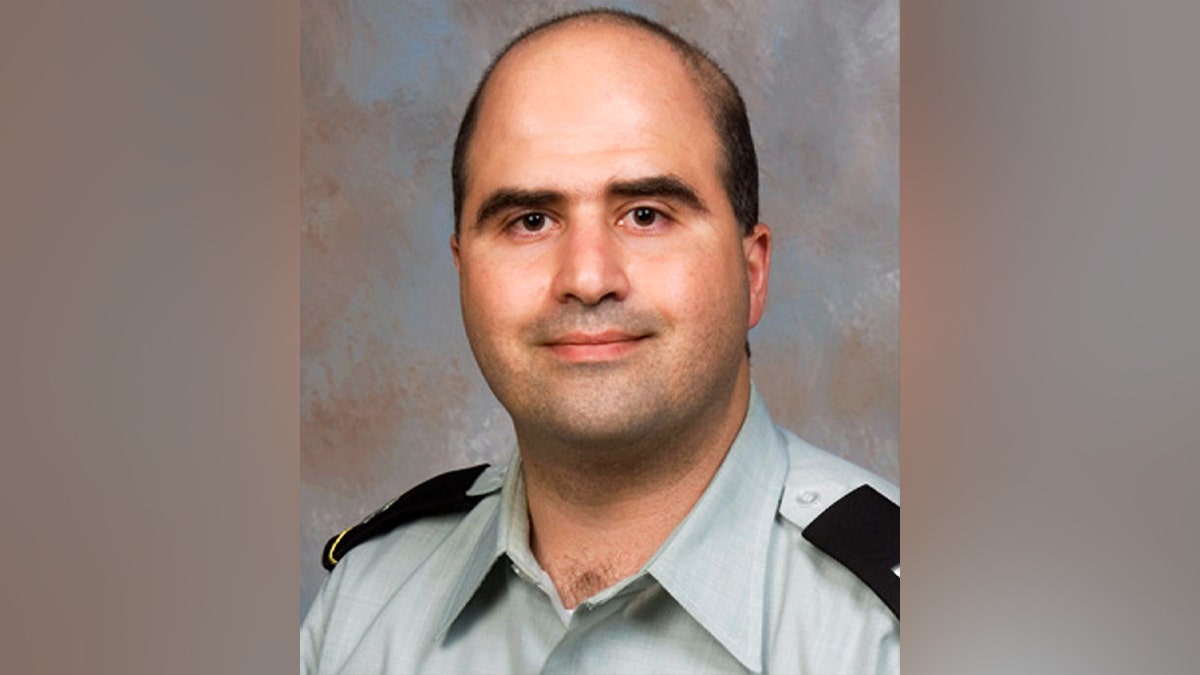
The legal battle surrounding the death sentence of former U.S. Army Major Nidal Malik Hasan has reached a critical inflection point as his scheduled execution date looms this Thursday. Attorneys representing Hasan, supported by the American Civil Liberties Union (ACLU), have filed an 11-page motion in the U.S. District Court for the District of Kansas seeking to keep the prisoner at the U.S. Disciplinary Barracks at Fort Leavenworth, Kansas. The motion is part of a broader, last-ditch effort to challenge the capital sentence imposed upon him for the 2009 massacre at Fort Hood, Texas, which left 13 people dead and over 30 wounded.
The 2009 Fort Hood Massacre: A Dark Chapter in Military History
On November 5, 2009, Nidal Malik Hasan, then a major and psychiatrist in the U.S. Army, opened fire at the Soldier Readiness Processing Center at Fort Hood. Armed with a semi-automatic handgun equipped with a laser sight, Hasan turned the facility into a killing field, targeting unarmed service members who were preparing for deployment to Iraq and Afghanistan.
The attack remains one of the deadliest acts of violence on a U.S. military installation in modern history. Among the 13 individuals who lost their lives was Army Private Francheska Velez, 21, who was pregnant at the time. The carnage only ended when civilian police officers engaged Hasan, wounding him and leaving him paralyzed from the chest down.
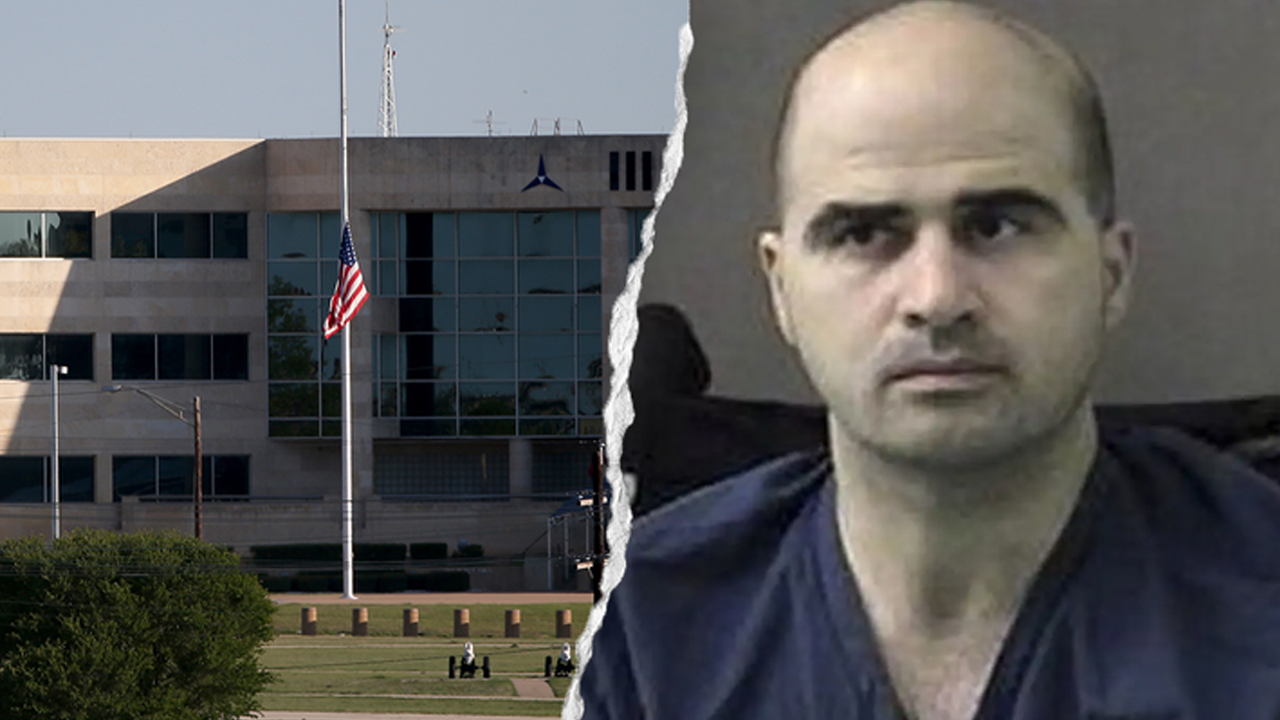
In 2013, after a highly publicized military trial during which Hasan served as his own attorney and offered little defense, a military jury convicted him on 13 counts of premeditated murder and 32 counts of attempted premeditated murder. He was sentenced to death shortly thereafter.
Legal Maneuvering and the Question of Delay
The current legal friction centers on the timing of Hasan’s federal habeas corpus petition. Federal prosecutors, led by U.S. Attorney for the District of Kansas Ryan Kriegshauser and Assistant U.S. Attorney Jared Maag, have urged the court to reject any stay of execution. In a filing submitted on Friday, the government characterized the defense’s tactics as a transparent effort to delay justice.
"Hasan offers no justification for his delay in filing a habeas petition, nor can he establish any likelihood of success on the merits of his yet-unfiled petition," the prosecutors wrote. The government emphasized that the military appeals process has been exhausted, noting that the U.S. Supreme Court declined to review the case on March 31, 2025.
Conversely, the ACLU-backed defense team contends that their client has been unfairly rushed. They argue that the countdown toward his execution only truly began on October 2, when President Donald Trump formally approved the death sentence. They assert that the seven-week window between the president’s notification and the current filing is a standard, reasonable period for preparing complex constitutional challenges, not a strategy of delay.
Constitutional Challenges and the "Unlawful Command" Argument
Hasan’s upcoming challenges are expected to revisit previously rejected arguments. Most notably, the defense intends to re-litigate the claim that Hasan’s actions were a form of self-defense for members of the Taliban—a defense that was soundly dismissed during his initial court-martial.
Furthermore, the defense is attempting to introduce arguments regarding "unlawful command influence." Hasan’s legal team suggests that the involvement of President Trump and Secretary of War Pete Hegseth in the execution proceedings has created an environment of political pressure that biases the military justice system. They argue that this influence potentially violates his constitutional rights to due process.
Federal attorneys have dismissed these claims as legally baseless, asserting that the government’s interest in finality is heightened by the "heinous nature" of the 2009 crimes. They maintain that the victims’ families have waited long enough for a sense of closure, and that further delays only serve to compound the trauma for those who survived the ordeal and the families of the fallen.
Judicial Oversight and the Road Ahead
The case is currently being presided over by U.S. District Judge Anthony Mattivi, a jurist known for his deep experience in high-stakes litigation. Appointed by President Trump and confirmed by the Senate in June, Mattivi brings a rigorous prosecutorial background to the bench. Before his judicial appointment, he served as the lead prosecutor in the military commission trial of the al-Qaeda operative behind the 2000 bombing of the USS Cole. His history also includes assisting the Iraqi government in the prosecution of members of Saddam Hussein’s regime, a testament to his experience with complex, international, and war-related legal proceedings.
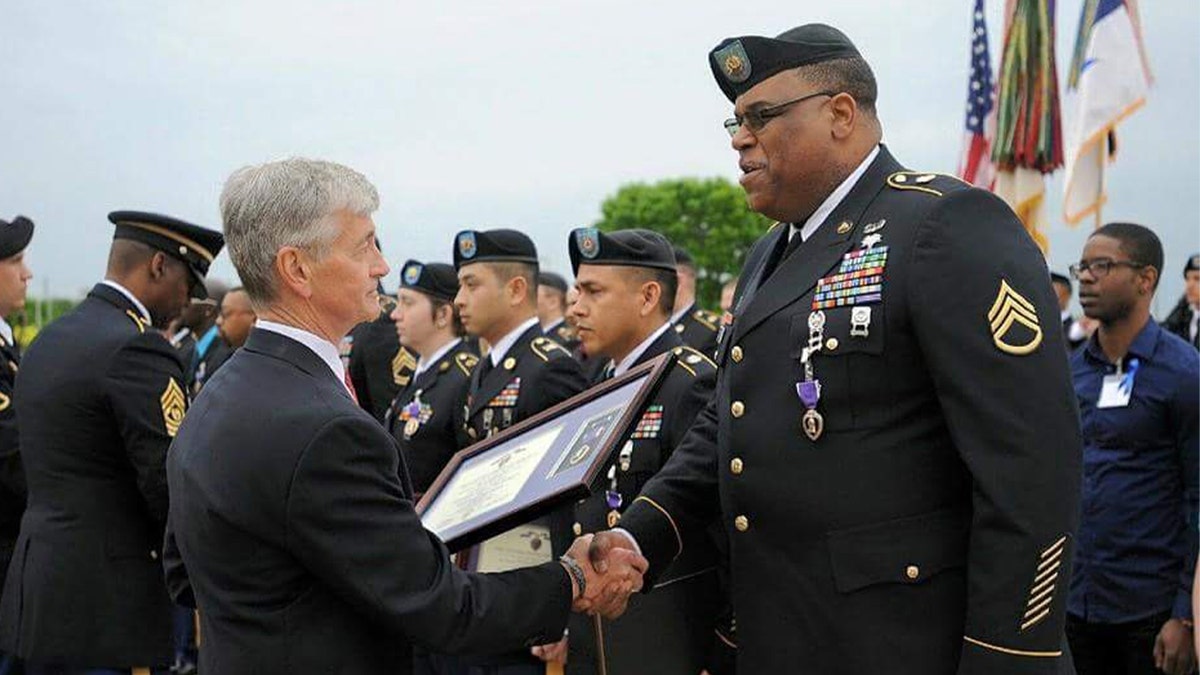
Judge Mattivi has ordered Hasan to appear in person at a hearing scheduled for Monday at 10 a.m. in Kansas City, Kansas. This hearing is expected to be a pivotal moment in the case, as the court must determine how to handle Hasan’s request to represent himself, the appointment of new counsel, and the logistics of his potential transfer to Texas.
The logistical challenge of the transfer is significant. Because Hasan is paralyzed and suffers from chronic medical issues related to his condition, his defense team argues that moving him to a new facility could jeopardize his health and his ability to consult with legal counsel. The state, however, is preparing for the execution to be carried out in Texas, where the military justice system is organizing the first U.S. military execution in more than 60 years.
The Broader Impact: A Historic Execution
The execution of Nidal Hasan would mark a watershed moment for the U.S. military’s capital punishment system, which has been effectively dormant for decades. The decision by the current administration to move forward with the execution has drawn both support and scrutiny. While President Trump has ruled out a live-streamed execution—a decision that has been widely supported by the public and victim advocacy groups—the event remains a flashpoint in the national debate over capital punishment.
For survivors like Alonzo Lunsford, who was shot during the 2009 attack, the execution is a necessary final step. Lunsford has stated he intends to be present to witness the event, representing a sentiment shared by many families who feel that the nearly 17-year wait for justice has been an agonizing extension of the crime itself.
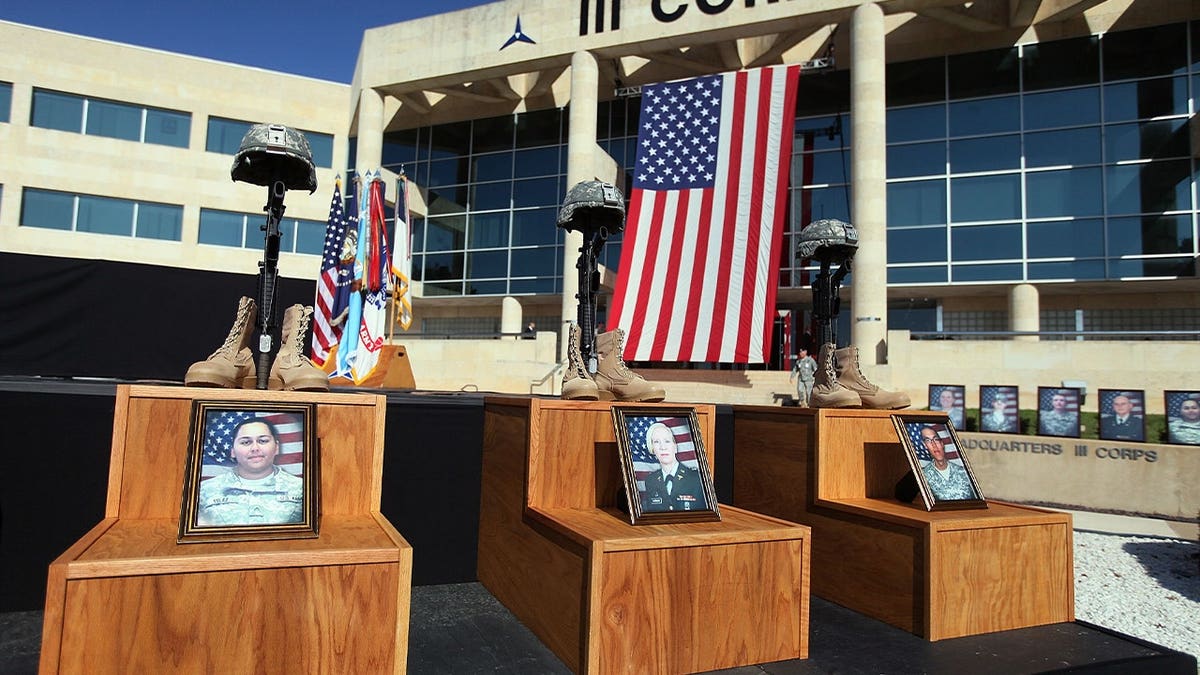
The implications of this case extend beyond the individual. It forces a reckoning with how the U.S. military handles terrorism occurring within its own borders, how it manages the long-term incarceration and appeals process for convicted terrorists, and the extent to which executive branch influence can or should permeate military justice.
As the Monday hearing approaches, the legal system remains in a race against the calendar. Should Judge Mattivi rule against the stay, the preparations for the firing squad execution will proceed. If he grants the stay, the nation will be forced to wait longer, prolonging a legal saga that began over a decade and a half ago in the halls of Fort Hood. For now, the eyes of the nation are fixed on the Kansas courtroom, where the final legal arguments regarding one of the most infamous figures in recent American history are being heard.