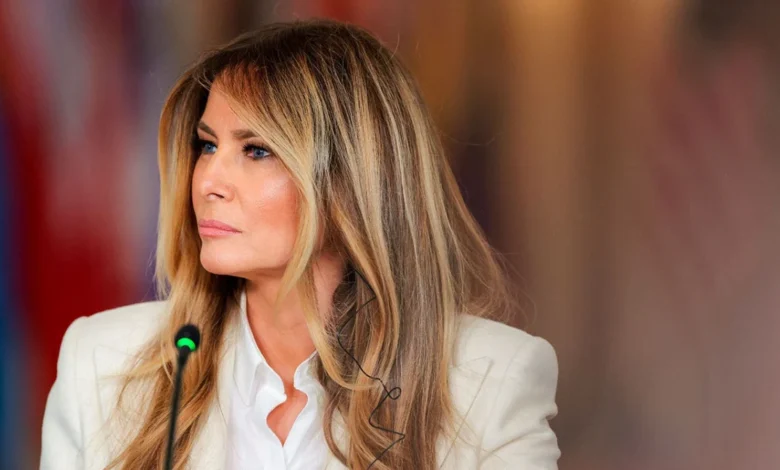
First Lady Melania Trump has issued a renewed call to action directed at 22 Democratic governors, urging them to formally commit to a nationwide program designed to provide financial stability for children in the foster care system. The initiative, known as Fostering the Future Accounts, seeks to create federally backed, tax-advantaged custodial accounts for foster youth, which are designed to transition into individual retirement accounts (IRAs) once the beneficiaries reach the age of 18. As of Saturday, the First Lady noted that while all 50 Republican-led states have pledged their support, only two Democratic governors—Josh Green of Hawaii and Jared Polis of Colorado—have opted to participate in the program.
The First Lady’s advocacy highlights a growing divide between state administrations regarding the implementation of the policy. In a public statement posted to social media, Mrs. Trump emphasized that the financial prospects of vulnerable children should be decoupled from regional politics. "A foster child’s financial future should never depend on geography or politics," she wrote. "America’s foster children deserve the support of all 50 Governors." She further challenged the holdout states to prioritize the long-term economic well-being of these children, stating, "American children must come above politics."
Chronology of the Fostering the Future Initiative
The current push for state-level adoption is the latest development in a multi-year effort spearheaded by the First Lady. The roots of this program trace back to 2021, when Melania Trump launched the "Fostering the Future" scholarship program as a core pillar of her "Be Best" initiative. At its inception, the focus was primarily on providing educational opportunities and mentorship to help young adults transition out of the foster care system and into higher education or vocational training.
By 2025, the program underwent a significant strategic expansion. In September 2025, the First Lady announced the creation of a global coalition tasked with integrating childhood welfare with emerging technologies, specifically artificial intelligence and robotics. This initiative aimed to bridge the digital divide for youth who often lack the technological access enjoyed by their peers.
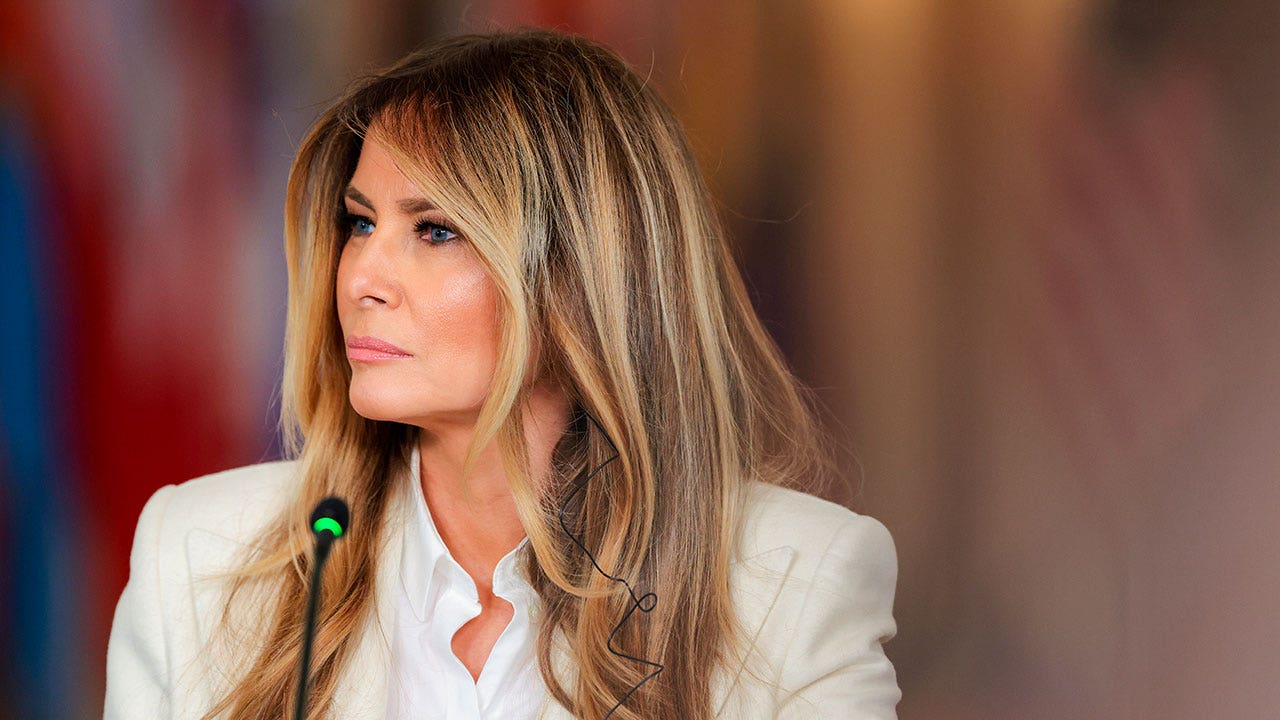
The legislative framework for the current accounts was solidified in November 2025, when President Donald Trump signed an executive order titled "Fostering the Future for American Children and Families." This order mandated a cross-agency approach to modernize the child welfare system, effectively providing the administrative infrastructure required to support the First Lady’s vision. Following this, in June 2026, the specific "Fostering the Future Accounts" were launched, creating a mechanism for states to offer financial vehicles that encourage long-term wealth building.
Mechanics and Economic Implications
The Fostering the Future Accounts operate on a model of incentivized savings. By providing foster children with access to federally backed, tax-advantaged accounts, the program aims to mitigate the "cliff effect"—a phenomenon where youth aging out of the system face immediate financial instability due to a lack of assets or savings.
Under the current proposal, the accounts function as custodial assets that grow throughout the child’s time in care. Upon reaching the age of majority, these accounts convert into traditional IRAs, allowing the individuals to carry their savings into adulthood. This is intended to provide a financial cushion for housing, education, or entrepreneurship.
Economists and child welfare advocates have noted that the program’s success depends largely on state participation, as the management of custodial accounts often falls under state-level financial oversight. By ensuring that all 50 states adopt the model, the White House intends to create a uniform "financial birthright" for foster children, regardless of where they reside. The potential impact on the national workforce is significant; by providing youth with capital, the program aims to increase the probability of higher educational attainment and long-term workforce participation, thereby reducing the state’s long-term reliance on social safety net programs.
The Role of Technology and Global Collaboration
A unique aspect of the First Lady’s modern approach is the emphasis on technology. During the inaugural "Fostering the Future Together Global Coalition Summit" held in March 2026, Mrs. Trump underscored that modern welfare cannot be separated from modern education. The summit featured discussions on how AI-enabled tools can personalize learning for foster children who may have experienced inconsistent schooling.
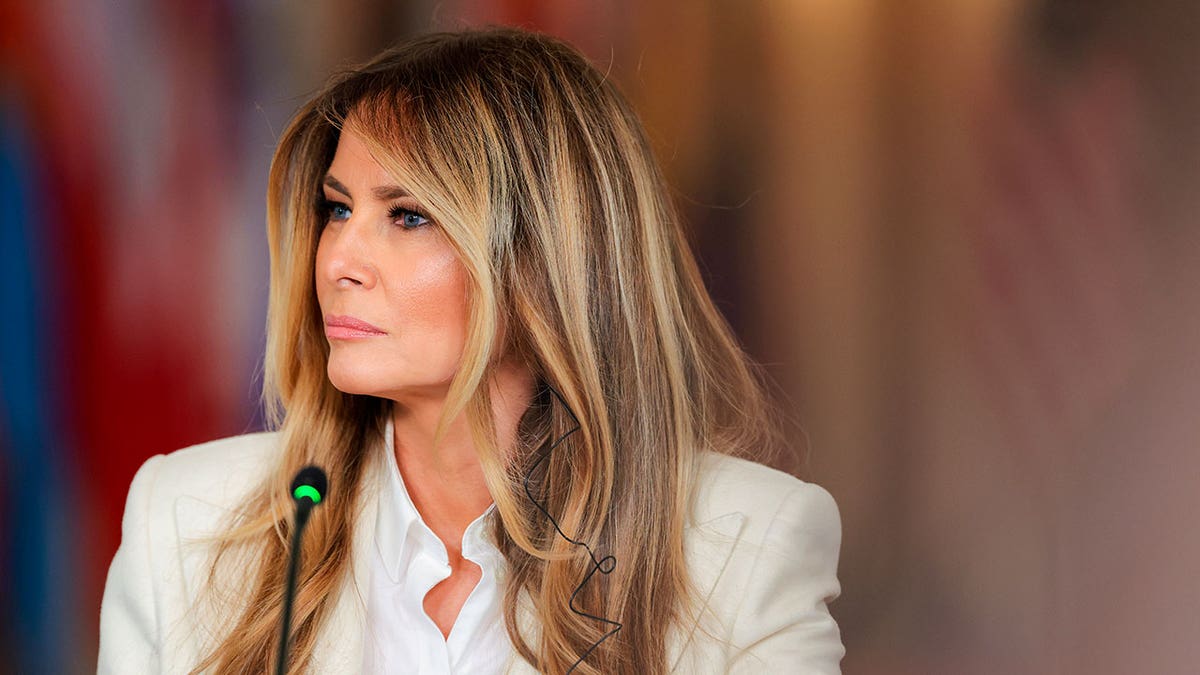
In April 2026, this commitment to tech-driven education was further highlighted during a White House event where the First Lady, alongside Britain’s Queen Camilla, observed students utilizing AI-enabled glasses. These tools are part of a broader effort to ensure that children in the foster system are not left behind in an increasingly digital economy. The integration of these technologies into the Fostering the Future program suggests a shift toward a more proactive, rather than reactive, welfare model.
Political Landscape and State Reactions
The current tally of 28 states—26 Republican-led and two Democratic-led—represents a majority of the nation. However, the absence of 22 states has created a political tension that the First Lady is actively attempting to navigate. While the office of the First Lady has not disclosed the specific reasoning behind the hesitancy of the remaining Democratic governors, political analysts suggest that concerns over federal-state jurisdiction, funding maintenance, and administrative overhead may be factors.
Despite these hurdles, the bipartisan support from Governor Green and Governor Polis suggests that the program is not viewed by all as a strictly partisan issue. Proponents of the program argue that the long-term benefits of fostering financial literacy and asset ownership for youth outweigh the initial administrative complexities. Conversely, some policy experts suggest that a more robust federal funding mechanism might be necessary to encourage the remaining states to sign on, particularly those facing tighter budget constraints.
Looking Ahead: The Call for Permanent Law
Beyond the implementation of the executive order, there is an ongoing push to codify the Fostering the Future initiative into permanent federal law. Mrs. Trump has frequently called upon Congress to act, framing the initiative as a "birthright" that should not be subject to the whims of changing administrations.
The move to make these accounts permanent is supported by a growing coalition of stakeholders, including educational institutions and technology firms that provide the infrastructure for the AI-based learning components. As the administration continues to pressure the remaining 22 states, the focus remains on the "Fostering the Future" goal: to transform the child welfare system from one that primarily provides subsistence to one that actively builds future wealth and opportunity.

As of this writing, the First Lady’s office continues to monitor state commitments, with the goal of achieving total national participation. The outcome of these negotiations will likely serve as a benchmark for how the current administration manages federal-state partnerships in the realm of social policy. For the approximately 400,000 children in the U.S. foster care system, the success or failure of these negotiations will have a direct impact on their ability to build financial stability upon reaching adulthood.
The broader implications of this program extend beyond individual accounts. By standardizing the approach to foster youth asset building, the United States could set a global precedent for how to handle the transition of children out of state care. The international interest—evidenced by the participation of foreign dignitaries in the 2026 summits—indicates that the "Fostering the Future" model is being watched closely by global observers. Whether this model succeeds in achieving full domestic adoption remains one of the most significant domestic policy objectives for the remainder of the current term.