
Kitty rice heat pack DIY is a fantastic way to provide your feline friend with soothing warmth and comfort. These DIY heat packs are a safe and cost-effective alternative to commercially available options, allowing you to create a customized solution tailored to your cat’s needs.
Whether your kitty is recovering from surgery, battling the winter chill, or simply enjoys a little extra warmth, a homemade rice heat pack can be a welcome addition to their cozy space.
Creating a kitty rice heat pack is a simple process that involves filling a fabric pouch with uncooked rice and sealing it securely. The rice acts as a natural heat conductor, absorbing and releasing heat effectively. By microwaving the pouch for a short period, you can generate a gentle and long-lasting warmth that your cat will appreciate.
Introduction to Kitty Rice Heat Packs

A kitty rice heat pack is a simple and effective way to provide comfort and warmth to your feline friend. It’s essentially a small, reusable pouch filled with uncooked rice that can be heated in the microwave and then used to soothe your cat’s aches, pains, or simply to provide a cozy source of warmth.
These heat packs can be particularly beneficial for cats experiencing anxiety, arthritis, or muscle soreness. The gentle warmth can help relax tense muscles, ease joint pain, and provide a calming effect.
Safety Considerations for Using a Rice Heat Pack
It’s crucial to prioritize safety when using a rice heat pack for your cat. Here are some essential considerations:
- Always test the temperature before applying it to your cat.The heat pack should be warm, not hot. You can test it on your own wrist or inner arm to ensure it’s a comfortable temperature.
- Never leave a heated rice pack unattended with your cat.There’s a risk of burns if the heat pack is left too long in one place.
- Supervise your cat closely while they’re using the heat pack.Make sure they don’t chew or play with it, as this could pose a choking hazard.
- Avoid using a rice heat pack on a cat with open wounds or skin irritations.The heat could exacerbate these conditions.
- If your cat shows any signs of discomfort or distress, remove the heat pack immediately.
DIY Kitty Rice Heat Pack Materials
Creating a DIY kitty rice heat pack is a fun and budget-friendly way to provide your feline friend with comforting warmth. You’ll need a few basic materials to get started, but don’t worry, they’re all readily available and easy to find.
Let’s explore the essential materials and some alternatives you can use to create a cozy heat pack for your cat.
Making a kitty rice heat pack is a fun and easy DIY project, especially if you’re looking for a cozy gift for a cat lover. After a long day of crafting, I like to treat myself to something special, like browsing for new arrivals on sale at Marchesa dresses.
It’s a great way to unwind and imagine myself looking glamorous for a special occasion. Then, back to the heat pack, it’s a simple way to provide warmth and comfort for your furry friend, and it’s a great way to use up leftover rice!
Essential Materials
Here’s a list of the essential materials you’ll need to create a DIY kitty rice heat pack:
- Rice:Rice is the primary filling for the heat pack. It absorbs heat well and retains it for a good amount of time, providing soothing warmth for your cat.
- Fabric:Choose a fabric that is durable, breathable, and safe for your cat. Cotton, flannel, or fleece are good options. You can also use old socks or t-shirts.
- Sewing Supplies:You’ll need a needle, thread, and scissors to sew the fabric together. If you don’t have a sewing machine, you can hand-sew the heat pack.
- Microwave-Safe Container:This can be a bowl, a mug, or a small pouch. Make sure it’s microwave-safe and has a lid to prevent the rice from spilling.
Alternative Materials, Kitty rice heat pack diy
While rice is the most common filling for DIY heat packs, there are other options available. Let’s look at some alternatives and their pros and cons:
- Wheat Berries:Wheat berries are another popular choice for heat packs. They retain heat well and have a pleasant aroma. However, they may be slightly more expensive than rice.
- Dried Beans:Dried beans are a budget-friendly alternative to rice and wheat berries. They absorb and retain heat effectively. However, they may be harder to work with due to their size and shape.
- Cherry Pits:Cherry pits are known for their ability to retain heat. They are a natural option and provide a soothing warmth. However, they can be more expensive and may need to be replaced more frequently.
Material Comparison
Here’s a table comparing the cost and availability of different materials for your DIY kitty rice heat pack:
| Material | Cost | Availability |
|---|---|---|
| Rice | Low | Widely available in most grocery stores |
| Wheat Berries | Moderate | Available at health food stores and some grocery stores |
| Dried Beans | Low | Widely available in most grocery stores |
| Cherry Pits | High | Available online and at some specialty stores |
Kitty Rice Heat Pack Construction
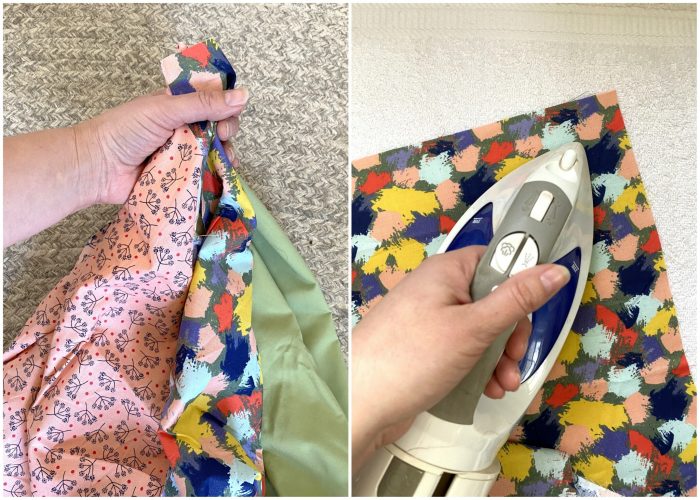
Now that you have all the materials, let’s get started on creating your kitty’s cozy heat pack! This process is simple and straightforward, requiring just a few steps.
Assembling the Heat Pack
This section will Artikel the step-by-step process of creating your DIY kitty rice heat pack.
- Step 1: Measuring the Rice– The amount of rice you use will determine the size of your heat pack. A general guideline is to use 1 cup of rice for a small heat pack and 2 cups for a larger one. You can adjust this amount based on your kitty’s size and preferences.
- Step 2: Preparing the Rice– Before adding the rice to the sock, it’s important to dry it thoroughly. This will help prevent mold and mildew from forming. You can dry the rice in a microwave-safe bowl for 1-2 minutes on high power or spread it out on a baking sheet and bake at 200 degrees Fahrenheit for 15-20 minutes.
- Step 3: Filling the Sock– Once the rice is completely dry, carefully pour it into the sock. Make sure to leave a few inches of space at the top of the sock to allow for the rice to expand when heated.
- Step 4: Securing the Sock– Once the sock is filled with rice, tie it off securely with a strong knot. You can also sew the opening closed for extra security.
- Step 5: Testing the Heat Pack– Before giving the heat pack to your kitty, it’s essential to test it yourself. Microwave the heat pack for 30-60 seconds on high power. Let it cool slightly and then test the temperature. The heat pack should be warm but not too hot.
Making a kitty rice heat pack is a fun and easy DIY project. It’s a great way to provide your furry friend with some extra comfort and warmth, especially during colder months. While I was researching how to make the rice pack, I stumbled upon an interesting article about Informatica strengthening its AWS support , which is a completely different topic! But, it made me think about how technology can make our lives easier and more comfortable, just like a warm rice pack can for a cat.
Anyway, back to the kitty rice pack – it’s a great way to provide a little extra love and warmth for your cat.
If it’s too hot, reduce the microwave time.
Adding a Cover
A cover is crucial for protecting the heat pack from wear and tear and providing a more comfortable experience for your kitty.
- Choosing the Fabric– Select a soft, durable fabric for the cover. Cotton, fleece, or flannel are good options. Avoid fabrics that are easily snagged or prone to shedding.
- Creating the Cover– You can sew a simple cover using a sewing machine or by hand. A rectangle of fabric sewn into a tube shape, with an opening for the heat pack, is a simple and effective design. You can also use a pre-made fabric pouch or a pillowcase.
I’m always looking for ways to make my home more cozy and inviting, and recently I’ve been obsessed with DIY kitty rice heat packs. They’re so simple to make and perfect for snuggling up with on chilly evenings. Speaking of cozy, I just read an awesome article about at home with amber freidel in geneva illinois , which is a great example of how to create a warm and welcoming space.
Back to the heat packs, I’ve been experimenting with different essential oils to add a calming scent. Lavender is my favorite so far, but I’m open to suggestions!
- Adding Extra Features– If you’re feeling creative, you can add extra features to the cover, such as a button closure for easy access or a small loop for hanging.
Safety Precautions
While DIY kitty rice heat packs are generally safe, it’s crucial to take precautions to ensure their safety.
- Monitor the Temperature– Always supervise your kitty when they’re using the heat pack and ensure it’s not too hot. You can check the temperature by placing your hand on the heat pack. If it’s too hot, let it cool down before giving it to your kitty.
- Avoid Overheating– Do not microwave the heat pack for too long. Overheating can damage the rice and make the heat pack unsafe.
- Inspect Regularly– Regularly check the heat pack for any signs of wear or damage. Replace it if it becomes torn or damaged.
Using and Caring for Kitty Rice Heat Packs: Kitty Rice Heat Pack Diy
Using a kitty rice heat pack for your furry friend is a safe and effective way to provide comfort and warmth, but it’s essential to use it correctly. This section will guide you through the proper use, heating, cooling, cleaning, and storage of your kitty rice heat pack.
Heating and Cooling Methods
Heating and cooling methods are crucial to ensure the safety and effectiveness of your kitty rice heat pack. Here’s how to do it right:
- Heating:Microwave the heat pack for 30-60 seconds on high, checking the temperature frequently to avoid overheating.
- Cooling:Place the heat pack in the refrigerator for 30 minutes to cool it down. You can also use a freezer bag and freeze the heat pack for longer cooling.
Cleaning and Storing
Proper cleaning and storage ensure the longevity and hygiene of your kitty rice heat pack.
- Cleaning:Hand-wash the heat pack with mild soap and water, ensuring it’s thoroughly dried before storing. Do not use a washing machine or dryer.
- Storing:Store the heat pack in a cool, dry place when not in use.
Alternative Kitty Heat Pack Options

While DIY kitty rice heat packs offer a cost-effective and customizable solution, commercially available heat packs provide convenience and added safety features. Exploring these options allows you to choose the best heat pack for your feline friend.
Commercially Available Kitty Heat Packs
Commercially available kitty heat packs are designed specifically for pets and offer various features to ensure safety and comfort.
- Microwaveable Heat Packs:These are typically filled with a non-toxic gel or material that can be safely heated in the microwave. They often have a cover that prevents direct contact with the pet and helps distribute heat evenly.
- Electric Heat Pads:These pads plug into an outlet and provide a constant source of heat. They often have adjustable temperature settings and safety features to prevent overheating. Electric heat pads are ideal for providing long-term warmth, particularly for older or arthritic cats.
- Self-Heating Heat Packs:These packs use a chemical reaction to generate heat. They are typically disposable and provide a shorter duration of heat than other options. Self-heating heat packs are convenient for on-the-go use.
Comparison of DIY and Commercially Available Heat Packs
| Feature | DIY Rice Heat Pack | Commercially Available Heat Pack |
|---|---|---|
| Cost | Generally cheaper | More expensive |
| Customization | High | Limited |
| Safety | Requires careful handling to prevent burns | Designed with safety features |
| Durability | Can be prone to leaks or spills | More durable and leak-proof |
| Convenience | Requires preparation and maintenance | Ready to use |
Choosing the Best Heat Pack for Different Pets
- Kittens and Young Cats:Consider using a commercially available heat pack with a soft, plush cover and adjustable temperature settings. Avoid using DIY heat packs as kittens are more sensitive to burns.
- Older Cats:Electric heat pads with adjustable temperature settings are ideal for providing consistent warmth and comfort for older cats. Ensure the pad is placed in a safe location away from water and cords.
- Cats with Arthritis:Microwaveable heat packs or electric heat pads can provide relief from joint pain and stiffness. Consider using a heat pack designed for arthritis relief with a soft, plush cover.
- Cats with Anxiety or Stress:A soft, plush heat pack can provide comfort and security for cats experiencing anxiety or stress. Choose a heat pack that is lightweight and easy for your cat to cuddle with.