
DIY Drums: Crafting Percussion on a Budget
The allure of percussion is undeniable. The rhythmic pulse of a drumbeat can energize a room, provide a foundation for music, or simply offer a cathartic outlet for creative expression. For many, acquiring a full drum kit is a significant financial undertaking, not to mention the space requirements. This is where the world of DIY drums opens up a universe of possibilities. Crafting your own percussive instruments is not only a budget-friendly alternative but also an incredibly rewarding creative endeavor. It allows for customization, experimentation, and a deep understanding of how sound is produced. Whether you’re a budding musician on a tight budget, a parent looking for engaging activities for children, a teacher seeking hands-on learning tools, or simply a curious tinkerer, building your own drums offers a unique path to experiencing the joy of rhythm. This article will delve into various DIY drum projects, from simple shakers to more complex cajons, providing detailed instructions, material suggestions, and SEO-optimized keywords to guide your crafting journey.
The foundational element of any DIY drum project is understanding basic acoustics and material properties. Sound is created by vibrations. In a drum, these vibrations are typically initiated by striking a membrane (drumhead) or a resonant surface. The enclosure, or shell, of the drum then amplifies and shapes these vibrations, producing the audible sound. Different materials resonate differently. Wood, for instance, offers a warm, rich tone, while metal can produce a brighter, more cutting sound. Plastics and other synthetic materials can offer durability and varied tonal characteristics. The tension of the drumhead is crucial; tighter heads produce higher pitches, while looser heads yield lower pitches. Likewise, the size and shape of the drum’s body significantly influence its resonance and timbre. Understanding these principles will empower you to make informed choices when selecting materials and constructing your instruments.
One of the most accessible and popular DIY drum projects is the bucket drum. This project is ideal for beginners, children, and for creating large-scale percussion ensembles. The core components are simple: plastic buckets, scissors or a craft knife, and optional decorative materials. Any sturdy plastic bucket will suffice, from those used for household cleaning to those found at hardware stores. The key is to experiment with different sizes and depths of buckets, as this will produce a range of pitches. For a basic bucket drum, you can simply turn the buckets upside down and strike the bottom with your hands or drumsticks. For a more sophisticated sound, consider creating drumheads. This can be achieved by using a layer of thick fabric, such as canvas or denim, stretched tautly over the open end of the bucket and secured with strong tape, elastic, or even a hoop and screws. Alternatively, for a more authentic drumhead feel, you can purchase inexpensive Mylar drumheads from music supply stores and attach them to the rim of the bucket using a drum hoop or a strong adhesive. Decorating your bucket drums with paint, stickers, or even fabric wraps can enhance their visual appeal and personalize them. DIY bucket drums are excellent for school music programs, backyard jam sessions, and as a fun, active toy for kids. Keywords to consider for this project include: "homemade drums," "easy drum crafts," "percussion instruments for kids," "bucket music," and "crafty drums."
Moving slightly up in complexity, the cajon offers a highly versatile and popular hand drum. The traditional Peruvian cajon is a box-shaped instrument that is played by sitting on it and striking its front face with the hands. A DIY cajon can be constructed from plywood or MDF, requiring some basic woodworking skills. The typical design involves a six-sided box, with one side acting as the resonant front panel, usually thinner than the other sides. Crucially, the front panel is often fitted with internal snares, which are typically guitar strings or snare wires, stretched across the inside surface. When the front panel is struck, these snares vibrate, producing a distinct snare drum-like "snap" sound, adding a dynamic element to the cajon’s percussive voice. The back panel often features a soundhole, which allows the amplified sound to project outwards. The internal bracing and the quality of the wood used will significantly impact the cajon’s tonal range and projection. You can find numerous detailed plans online for DIY cajons, often with cut lists and assembly diagrams. Wood glue, screws, and clamps are essential for construction. Finishing options include painting, staining, or applying a clear varnish. For a truly authentic sound, consider using Baltic birch plywood for its strength and resonance. DIY cajon plans are readily available, making this an achievable project for those with basic woodworking tools. Relevant SEO keywords include: "build your own cajon," "homemade cajon drum," "DIY percussion box," "plywood cajon," "homemade hand drum," and "crafting a cajon."
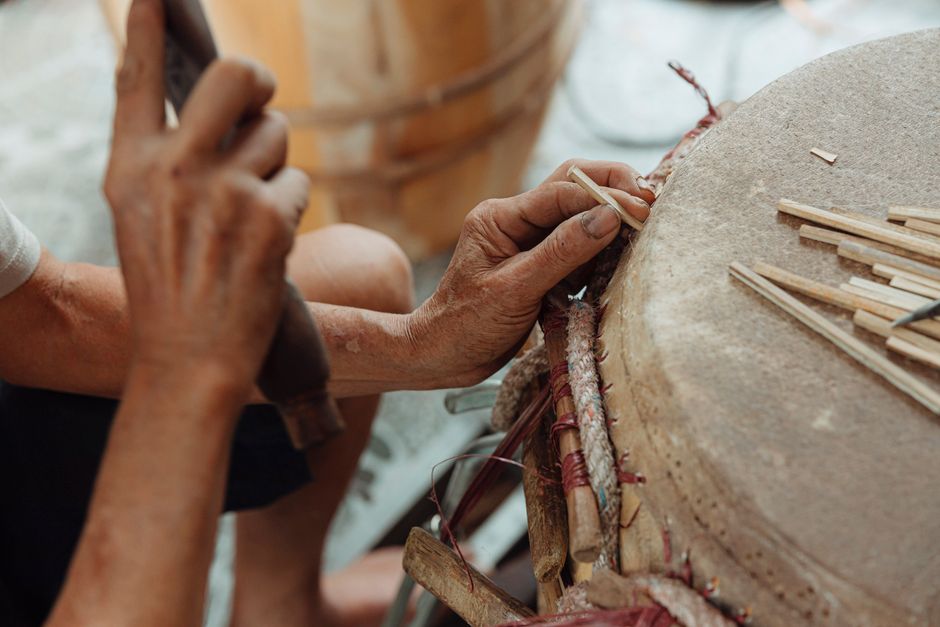
For those interested in creating more traditional drum sounds, frame drums are another excellent DIY avenue. These instruments, which include tambourines, bodhráns, and other hand drums with a membrane stretched over a circular frame, are relatively straightforward to construct. The frame can be made from wood (such as oak or maple) bent into a circle, or from pre-made wooden hoops. The drumhead can be natural skin (parchment, rawhide) or synthetic material (Mylar, plastic). Attaching the membrane securely is paramount. For natural skins, this often involves wetting the skin, stretching it over the frame, and allowing it to dry and shrink tautly. Synthetic heads can be attached using a combination of adhesive and a securing rim, or by using a tuning system similar to that on a modern drum kit. The size of the frame and the material of the drumhead will dictate the pitch and timbre. Adding jingles to the frame can transform a simple frame drum into a tambourine. DIY frame drums offer a connection to ancient percussive traditions and can produce a wide range of sounds depending on their construction. Keywords to target for this project are: "homemade frame drum," "DIY tambourine," "crafting a bodhran," "natural skin drum," "DIY hand percussion," and "build a hoop drum."
Beyond these core examples, the possibilities for DIY drums are vast and limited only by imagination and available materials. Shakers can be made from almost any container filled with small, rattling objects. Empty plastic bottles, tin cans, toilet paper rolls covered at both ends, or small wooden boxes can all be transformed into shakers by filling them with rice, beans, beads, pebbles, or even metal washers. The type and quantity of the filling will determine the sound. For a more robust shaker, consider using larger containers and filling them with a mix of different materials. DIY shakers are fantastic for rhythm circles, musical exploration with young children, and as an accessible entry point into instrument making. Related keywords include: "homemade shakers," "DIY rhythm instruments," "crafty sound makers," "kid-friendly crafts percussion," and "easy DIY music toys."
Another intriguing DIY project is the djembe, a goblet-shaped drum originating from West Africa. While a true carved wooden djembe is a complex undertaking, simpler versions can be constructed using readily available materials. A large plastic bucket or a sturdy cardboard tube can serve as the drum’s body. The drumhead can be made from a thick piece of leather or a durable synthetic material. The challenge with a DIY djembe lies in achieving proper tension for the drumhead and a resonant body. Some crafters have had success using a combination of a strong adhesive and a tensioning system involving ropes or straps to secure the drumhead. However, it’s important to note that replicating the intricate tonal nuances of a traditional carved djembe is difficult with basic DIY methods. Nevertheless, a functional and enjoyable percussion instrument can still be created. DIY djembe projects, even simplified ones, offer a glimpse into the rich percussive heritage of African music. Search terms for this project could include: "homemade djembe," "craft a djembe drum," "DIY African drums," and "budget djembe."
When embarking on any DIY drum project, safety and material selection are paramount. Always use appropriate safety gear, such as gloves and eye protection, especially when working with tools. For children’s projects, ensure that all materials are non-toxic and that there are no small parts that could be a choking hazard. Consider the environmental impact of your chosen materials. Recycled and upcycled items can be a fantastic source for DIY drum components, reducing waste and adding a unique character to your instruments. Old paint cans, sturdy cardboard boxes, discarded furniture pieces, and even old bicycle rims can all be repurposed. When selecting wood, opt for sustainable sources if possible. For drumheads, explore both natural and synthetic options, understanding that each will produce a different tonal quality. For example, rawhide offers a classic, resonant sound, while Mylar provides durability and a brighter attack. Experimentation is key. Don’t be afraid to try different combinations of materials and construction methods to discover unique sounds. Documenting your process can also be beneficial, allowing you to learn from your successes and failures and to share your creations with others.
The benefits of creating DIY drums extend far beyond simply acquiring a musical instrument. The process itself fosters creativity, problem-solving skills, and a deeper appreciation for the science of sound. It’s an opportunity to connect with materials, understand their properties, and transform them into something functional and beautiful. For educators, DIY drums offer a tangible and engaging way to teach fundamental concepts in music theory, physics, and design. For families, it provides a collaborative activity that encourages teamwork and shared enjoyment. The satisfaction of playing an instrument you’ve built with your own hands is a profound experience, offering a unique sense of accomplishment. Furthermore, DIY percussion allows for an incredible degree of personalization. You can design instruments that fit your specific musical needs, aesthetic preferences, or even your available space. Whether you’re aiming for a subtle shaker to add texture to a recording, a powerful cajon for live performance, or a vibrant bucket drum ensemble for a community event, the DIY approach empowers you to create exactly what you envision. The ongoing trend of sustainability and mindful consumption also makes DIY instruments an appealing choice, as they often involve repurposing materials and reducing the demand for mass-produced goods. Embracing the DIY drum ethos means embracing a world of sonic exploration, creativity, and hands-on learning. Keywords to emphasize the broader benefits and sustainability aspect include: "upcycled musical instruments," "sustainable crafts," "educational music projects," "family craft activities," "creative percussion building," and "homemade music making."

