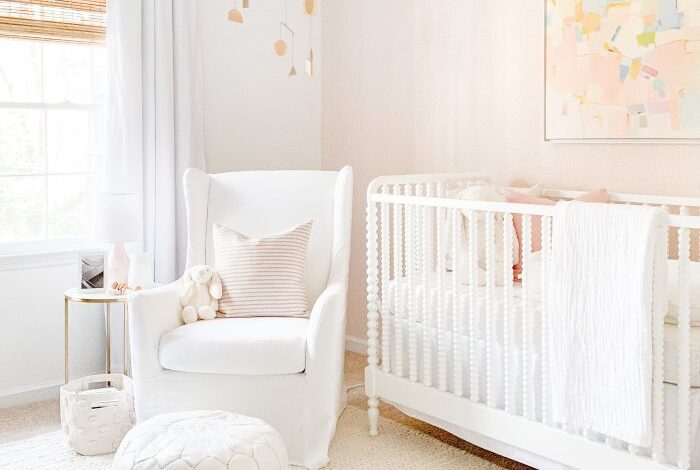
My sons nursery tour – My son’s nursery tour was an eye-opening experience, and I’m here to share what I learned with you! It’s not just about finding a place for your little one; it’s about finding the perfect environment to nurture their growth and development.
From the initial tour to choosing the right nursery, I’ll walk you through every step of the process, highlighting key considerations and sharing valuable tips.
Whether you’re a first-time parent or a seasoned pro, choosing a nursery can be a daunting task. It’s a decision that will impact your child’s early years, so it’s essential to do your research and make an informed choice. My son’s nursery tour was a great starting point, and I hope this blog post will help you on your own journey.
The Importance of a Nursery Tour
Choosing the right nursery for your child is a crucial decision for any parent. It’s not just about finding a safe and clean environment, but also a place that fosters your child’s development and well-being. A nursery tour can provide invaluable insights and help you make an informed choice.
Benefits of Taking a Nursery Tour
A nursery tour allows you to experience the environment firsthand, giving you a better understanding of the nursery’s atmosphere, facilities, and staff. This can help you assess whether it aligns with your expectations and your child’s needs.
How a Tour Can Help Parents Choose the Right Nursery
A nursery tour provides an opportunity to observe the nursery’s daily routines, teaching methods, and the overall care provided to children. This allows parents to evaluate whether the nursery’s approach resonates with their parenting style and values.
Tips for Making the Most of a Nursery Tour
- Prepare a list of questions beforehand. This ensures you cover all important aspects and receive the information you need to make a decision.
- Observe the interactions between staff and children. This gives you a sense of the nursery’s overall atmosphere and the quality of care provided.
- Ask about the nursery’s curriculum and activities. This helps you understand how the nursery supports your child’s development.
- Check the safety and hygiene standards. This is crucial for ensuring your child’s well-being.
- Trust your instincts. If you feel uncomfortable or unsure about anything, don’t hesitate to ask questions or consider other options.
What to Expect on a Nursery Tour

A nursery tour is a fantastic opportunity for prospective parents to get a feel for the environment their child might be entering. It’s a chance to see the facilities, meet the staff, and ask questions about the nursery’s approach to childcare.
Typical Nursery Tour Itinerary, My sons nursery tour
A typical nursery tour usually follows a set itinerary, which can vary slightly depending on the nursery. However, most tours will include the following:
- Welcome and Introduction: The tour will typically begin with a warm welcome from the nursery manager or head teacher. They will likely introduce themselves and provide an overview of the nursery’s history, ethos, and approach to childcare.
- Tour of the Nursery Facilities: This will involve a guided walk through the nursery, allowing you to see the classrooms, play areas, outdoor spaces, and other facilities. The tour guide will explain the purpose of each area and how it contributes to the children’s learning and development.
- Meet the Staff: You will likely have the opportunity to meet some of the nursery staff, including teachers, assistants, and other key personnel. This is a chance to get a sense of their personalities and approach to interacting with children.
- Q&A Session: Most tours will include a Q&A session, where you can ask questions about anything you are curious about. This is your opportunity to clarify any doubts or concerns you may have about the nursery.
Key Areas Covered During a Nursery Tour
During the tour, you will be guided through several key areas of the nursery, each offering insights into different aspects of the childcare experience. These areas include:
- Classrooms: The classrooms are where the children spend most of their time, so it’s essential to see how they are designed and equipped. Look for age-appropriate toys and learning materials, as well as comfortable and stimulating environments. It’s also worth noting the classroom layout and how it facilitates interaction and learning.
My son’s nursery tour was a whirlwind of tiny details, from the hand-painted mural to the vintage rocking horse. But the real highlight was the soft, cuddly blanket I found. It’s a beautiful blend of colors and textures, inspired by the harvey nichols colourful knits love I saw recently.
I knew it would be perfect for his little naps and cuddles. Now, I just need to decide what to do with the mountain of stuffed animals that are threatening to take over his room!
- Play Areas: Nurseries typically have designated play areas both indoors and outdoors. These spaces should provide opportunities for children to engage in physical activity, imaginative play, and social interaction. Observe the range of equipment and activities available, as well as the safety measures in place.
- Outdoor Spaces: The outdoor space is an important part of a nursery, as it allows children to explore, play, and learn in a natural environment. Look for well-maintained gardens, play areas, and safe access to the outdoors. Inquire about how the nursery utilizes the outdoor space throughout the year, especially during different weather conditions.
- Sleeping Areas: If your child will be attending the nursery during nap time, it’s essential to see the sleeping areas. Look for comfortable cots, quiet environments, and appropriate bedding. Ask about the nursery’s policy on sleep routines and how they handle children who have difficulty sleeping.
- Kitchen and Dining Areas: The kitchen and dining areas are crucial for ensuring children receive nutritious meals. Observe the hygiene standards, the menu options, and the procedures for preparing and serving food. Ask about the nursery’s approach to catering to dietary needs and allergies.
- Staff Room: The staff room is a less obvious but important area to observe. It provides a glimpse into the staff’s work environment and how they interact with each other. A well-organized and comfortable staff room can indicate a positive and supportive work culture.
Taking you on a tour of my son’s nursery was so much fun! It’s amazing how much time you spend thinking about the perfect details for their little space. Speaking of details, I’m also getting excited about our upcoming family vacation, and I’m using a holiday bucket list free download to make sure we don’t miss anything.
I’m sure my son will love exploring new places just as much as he loves his cozy nursery!
Questions to Ask During a Nursery Tour
While the tour guide will likely provide information about the nursery, it’s important to ask your own questions to ensure you gather all the information you need to make an informed decision. Some key questions to ask include:
- What is the nursery’s philosophy and approach to childcare?This question will help you understand the nursery’s values and how they translate into their daily practices.
- What is the staff-to-child ratio?This is an important factor to consider, as it can impact the level of individual attention your child receives.
- What qualifications and experience do the staff have?It’s important to know that the staff are qualified and experienced in caring for children.
- What is the daily routine and schedule like?This will give you an idea of how the nursery operates and whether it aligns with your family’s preferences.
- What are the nursery’s policies on feeding, sleeping, and toileting?These policies can vary from nursery to nursery, so it’s important to understand how the nursery approaches these aspects of childcare.
- What opportunities are there for learning and development?This question will help you understand how the nursery promotes children’s learning and development.
- How does the nursery handle behavior management?It’s important to understand the nursery’s approach to discipline and how they address challenging behavior.
- What is the nursery’s policy on communication with parents?Effective communication is crucial for keeping parents informed about their child’s progress and well-being.
- What are the fees and payment options?This is a practical consideration that you should discuss with the nursery.
- What are the nursery’s opening hours and holiday arrangements?This information will help you determine if the nursery’s hours and holiday schedule align with your family’s needs.
Key Considerations for Choosing a Nursery
Choosing the right nursery for your child is a significant decision that requires careful consideration. It’s not just about finding a place that will keep your child safe and entertained, but also one that will nurture their development and prepare them for their future.
Here are some key factors to consider:
Location
The location of the nursery is important for several reasons. Firstly, it should be convenient for you to access, especially if you have to drop off and pick up your child multiple times a day. Secondly, consider the neighborhood and the surrounding environment.
A nursery located in a quiet, safe area with access to green spaces is ideal.
Cost
Nursery fees can vary significantly depending on the location, type of nursery, and the services offered. It’s important to set a budget and compare the costs of different nurseries. Look for nurseries that offer a good value for money, considering the quality of care, facilities, and educational programs.
Curriculum
The curriculum used by the nursery should be age-appropriate and designed to promote your child’s development. It should focus on various aspects, including cognitive, social, emotional, and physical development. Look for nurseries that have a clear and well-defined curriculum and that encourage a play-based learning approach.
Quality of Care
The quality of care is paramount when choosing a nursery. Look for nurseries that have a good staff-to-child ratio, experienced and qualified staff, and a nurturing and supportive environment.
Facilities
The facilities at the nursery should be safe, clean, and stimulating. This includes the play areas, sleeping areas, and outdoor spaces. Look for nurseries that have a variety of toys and equipment to support children’s learning and development.
Types of Nurseries
Different types of nurseries cater to different needs and preferences.
The nursery tour was so much fun! Seeing all the little cribs and colorful toys brought back memories of when my son was a baby. It’s amazing how much planning goes into creating a safe and stimulating environment for little ones.
Speaking of planning, it’s great to see the government investing in infrastructure like the new highway in the GTA, as outlined in this recent announcement. Hopefully, it will make commuting easier for everyone, including those who will be driving their little ones to and from daycare in the future! Anyway, back to the nursery tour…
I think I’m going to need to stock up on some cute stuffed animals for my son’s room.
Day Nurseries
Day nurseries offer full-day care for children from a few months old to school age. They are typically located in purpose-built buildings or converted homes.
Preschools
Preschools provide care and education for children aged 3-5 years. They typically focus on preparing children for school and offer a more structured learning environment.
Childminders
Childminders provide care for children in their own homes. They offer a more personalized and family-like setting, with a smaller group of children.
Creating a Positive Nursery Experience

Starting nursery is a big step for both your child and you. It’s natural to feel a mix of emotionsexcitement, anxiety, and maybe even a little bit of sadness. The key to a smooth transition is preparation, both for your child and for you.
Preparing Your Child for Their First Day
The weeks leading up to your child’s first day at nursery are a great opportunity to build their excitement and confidence. Here are some tips:
- Talk about nursery positively:Share your own positive experiences with nursery or daycare. You can also read books about starting nursery together.
- Visit the nursery beforehand:A visit to the nursery can help your child familiarize themselves with the environment, meet the staff, and see other children playing. It’s a great way to reduce anxiety and build excitement.
- Practice saying goodbye:Start by leaving your child with a trusted caregiver for short periods, gradually increasing the time. This will help your child get used to being away from you.
- Bring a familiar object:A favorite toy or blanket can provide comfort and a sense of security for your child in a new environment.
Helping Your Child Adjust to a New Environment
The first few weeks at nursery can be challenging for your child as they adjust to a new routine and environment. Here are some strategies that can help:
- Maintain a consistent routine:Stick to a familiar bedtime routine and meal times, even on weekends. This will provide your child with a sense of stability and predictability.
- Communicate with the staff:Keep the nursery staff informed about your child’s preferences, routines, and any challenges they may be facing. This will help them provide the best care and support.
- Be patient and supportive:It takes time for children to adjust to new environments. Be patient and understanding with your child. Reassure them that you love them and that you’ll be back to pick them up soon.
- Focus on the positives:Celebrate your child’s successes, no matter how small. This will help them build confidence and develop a positive association with nursery.
Building a Strong Relationship with the Nursery Staff
A strong relationship with the nursery staff is crucial for your child’s well-being and development. Here’s how you can build a positive relationship:
- Communicate openly and honestly:Share your concerns, questions, and any information about your child’s development. This will help the staff understand your child’s needs and provide appropriate care.
- Show appreciation:Thank the staff for their hard work and dedication. A simple “thank you” goes a long way in building a positive relationship.
- Be involved:Attend parent-teacher meetings and participate in nursery events. This will help you stay informed about your child’s progress and foster a sense of community.
- Trust the staff:Remember that the nursery staff are professionals who are dedicated to providing your child with the best possible care. Trust their expertise and judgment.
Resources and Support for Parents: My Sons Nursery Tour
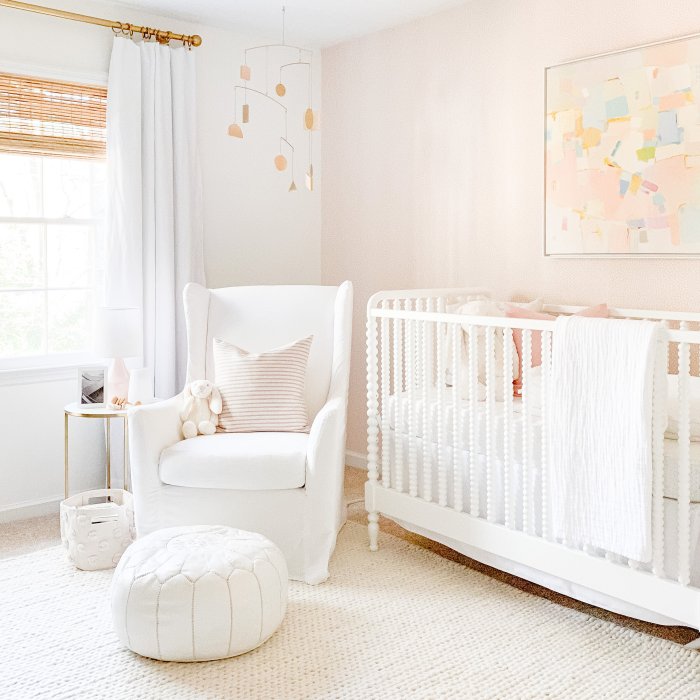
The journey of parenthood is filled with both joy and challenges. Finding the right resources and support can make a world of difference in navigating the early years of your child’s life. This section provides a comprehensive guide to valuable resources that can empower parents to make informed decisions and provide their children with the best possible start.
Websites and Online Resources
Numerous websites and online platforms offer valuable information and support for parents. These resources cover a wide range of topics, from pregnancy and childbirth to early childhood development and parenting styles.
- Zero to Three:This organization provides evidence-based information and resources for parents of children from birth to age three. Their website features articles, videos, and interactive tools on topics such as language development, social-emotional learning, and healthy sleep habits.
- National Association for the Education of Young Children (NAEYC):NAEYC is a leading advocate for high-quality early childhood education. Their website offers resources for parents, including information on choosing a quality childcare program, understanding child development, and advocating for early childhood education policies.
- Parents as Teachers:This program provides home visits and support groups for parents of young children. They offer information on child development, parenting skills, and community resources.
- The American Academy of Pediatrics (AAP):The AAP is a leading source of medical information for parents. Their website provides guidance on a wide range of topics, including child health, safety, and nutrition.
Books and Publications
Reading books and articles can provide parents with insights into child development, parenting strategies, and best practices for nurturing their children.
- “The Whole-Brain Child” by Daniel J. Siegel and Tina Payne Bryson:This book offers practical strategies for understanding and responding to children’s emotions and behaviors.
- “Parenting with Love and Logic” by Jim Fay and Foster Cline:This book presents a positive discipline approach that emphasizes setting limits, providing choices, and teaching children responsibility.
- “How to Talk So Kids Will Listen & Listen So Kids Will Talk” by Adele Faber and Elaine Mazlish:This classic guide provides practical communication strategies for parents to build strong relationships with their children.
- “The Happiest Baby on the Block” by Harvey Karp:This book offers techniques for soothing and calming newborns and infants.
Support Groups and Communities
Connecting with other parents can provide a sense of community, shared experiences, and valuable support.
- Local Parent-Teacher Associations (PTAs):PTAs offer opportunities for parents to connect with other families, participate in school events, and advocate for their children’s education.
- Online Parent Forums and Groups:Numerous online forums and groups provide spaces for parents to share their experiences, ask questions, and receive support from others.
- Support Groups for Specific Needs:Many communities offer support groups for parents of children with specific needs, such as autism, Down syndrome, or learning disabilities.
Local Nursery Contact Information
Finding a quality nursery is a crucial step in ensuring your child’s well-being and development. Here’s a table showcasing local nurseries and their contact information:
| Nursery Name | Address | Phone Number | Website |
|---|---|---|---|
| Sunshine Nursery | 123 Main Street, City, State | (555) 555-5555 | www.sunshinenursery.com |
| Little Learners Academy | 456 Oak Avenue, City, State | (555) 555-5555 | www.littlelearnersacademy.com |
| Happy Kids Preschool | 789 Pine Road, City, State | (555) 555-5555 | www.happykidspreschool.com |
“The best investment you can make is in your child’s education. Early childhood education lays the foundation for a lifetime of learning and success.”