
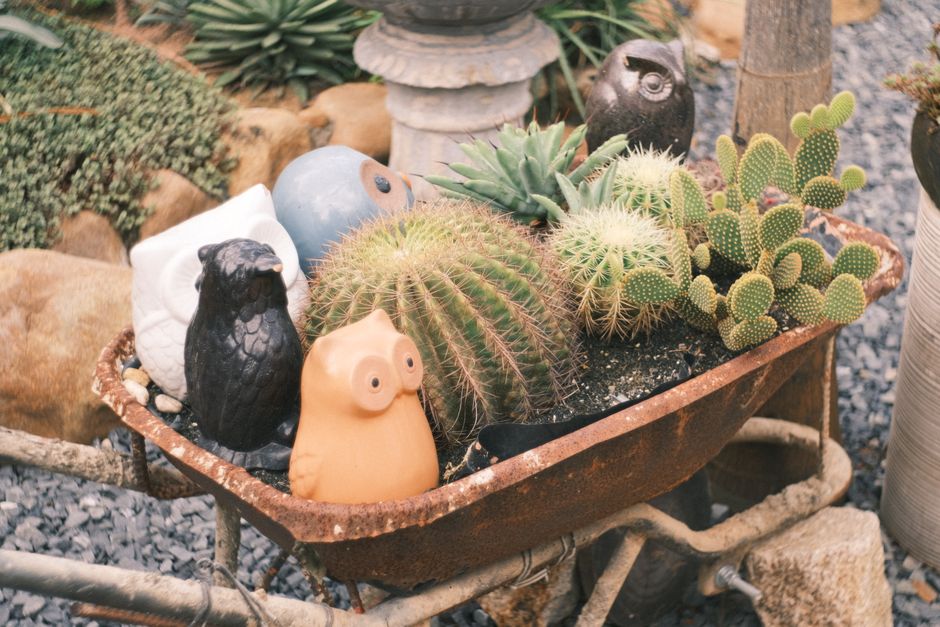
Cultivating Charm: A Comprehensive Guide to Vintage Planter Cactus Gardens
The allure of vintage planters, with their patina of age and unique character, provides an unparalleled foundation for a captivating cactus garden. These pieces, often unearthed from antique shops, flea markets, or passed down through generations, offer a textural and historical narrative that complements the sculptural beauty of succulents and cacti. Building a vintage planter cactus garden isn’t merely about planting; it’s about curation, understanding the symbiotic relationship between old containers and resilient plants, and creating a living tapestry that speaks of time and enduring style. The inherent porosity of many vintage planters, especially terra cotta and unglazed ceramic, can be both a blessing and a challenge. While they allow for excellent aeration and drainage, crucial for preventing root rot in cacti, they also dry out more quickly than their modern plastic counterparts. This necessitates a mindful watering schedule, tailored to the specific needs of the chosen cacti and the environmental conditions. Furthermore, the size and depth of vintage planters can vary dramatically, from small, delicate teacups to substantial, weathered urns. This variability dictates the scale and type of cacti suitable for each vessel, encouraging a thoughtful selection process that ensures both aesthetic harmony and plant health.
Selecting the right vintage planter is the cornerstone of this horticultural endeavor. Look for containers with good drainage holes, or be prepared to drill them yourself if necessary. Terra cotta, earthenware, and unglazed ceramic are ideal choices due to their breathability, which mimics the arid conditions cacti thrive in. Avoid glazed ceramics or metal containers that lack drainage, as they are prone to waterlogging and can quickly lead to root rot. Inspect planters for cracks or structural weaknesses that might compromise their integrity when filled with soil and plants. Consider the aesthetic: a chipped porcelain dish can lend a delicate, whimsical charm, while a weathered stone trough evokes a sense of rustic grandeur. The patina of age – the moss, lichen, or faded paint – adds character and tells a story, enhancing the overall visual appeal. Cleaning vintage planters is essential but should be done with care to preserve their patina. A gentle scrub with a stiff brush and mild soap is usually sufficient. For stubborn stains or algae, a diluted bleach solution can be used, followed by thorough rinsing. Ensure the planter is completely dry before introducing soil and plants.
The soil composition for a vintage planter cactus garden is paramount. Cacti are desert dwellers, accustomed to well-draining, gritty soil that mimics their native arid environments. A standard potting mix is too dense and retains too much moisture. Instead, create a custom blend that prioritizes aeration and drainage. A common and effective recipe involves mixing one part commercial cactus and succulent potting mix with one part coarse sand (horticultural grade, not play sand, which can compact) and one part perlite or pumice. This creates a gritty, open substrate that allows water to flow freely through the roots, preventing the dreaded root rot. For larger, heavier planters, or for cacti that prefer slightly more drainage, increasing the proportion of perlite or pumice can be beneficial. The weight of the soil is also a consideration for vintage planters, especially those made of delicate materials. Using lighter amendments like perlite can help reduce the overall load. When filling the planter, ensure the soil level is at least an inch below the rim to prevent overflow during watering. For added drainage, especially in planters with smaller drainage holes, consider adding a layer of gravel or broken pottery shards at the bottom, though this practice is debated among horticulturalists, with some arguing it can create a perched water table. The consensus leans towards focusing on an excellent soil mix as the primary drainage solution.
Choosing the right cacti for your vintage planters is a delightful exercise in balancing aesthetics, growth habits, and care requirements. Consider the size and depth of your planters when selecting species. Small, compact cacti like Mammillaria species, Rebutia, or small Echinopsis varieties are perfect for shallow dishes or teacups. Larger, more columnar cacti such as Opuntia (prickly pear) or Cereus can be striking in deeper, more substantial urns or troughs. Think about contrasting textures and forms. A cluster of fuzzy Mammillaria can provide a soft contrast to the sharp spines of a Gymnocalycium. The sculptural elegance of a columnar cactus can stand out against the backdrop of a weathered stone planter. Consider cacti that have interesting features, such as vibrant flower colors, unique ribbing, or colorful spines. Research the light and watering needs of your chosen species. Most cacti thrive in bright, direct sunlight, but some, like Schlumbergera (Christmas cactus) or certain Rhipsalis, prefer brighter, indirect light. Ensure that the combined needs of your chosen cacti can be met by the intended location of your vintage planter garden.
When planting, handle cacti with care. Wear thick gloves or use folded newspaper or tongs to avoid spines. Gently remove the cactus from its nursery pot, loosening any tightly bound roots. If the root ball is very dense, you can tease out a few of the outer roots to encourage outward growth. Place the cactus in the vintage planter, ensuring the base of the plant is slightly above the soil line to prevent rot. Fill in around the roots with your custom cactus soil mix, gently firming it to eliminate air pockets. Avoid packing the soil too tightly. Water thoroughly after planting to help settle the soil and encourage root establishment. For newly planted cacti, it’s often advisable to wait a few days to a week before the initial watering to allow any minor root damage to heal. This minimizes the risk of fungal infections. The initial watering should be generous, allowing water to drain freely from the bottom of the planter.
The ongoing care of a vintage planter cactus garden revolves around understanding the specific needs of cacti and the environmental factors influencing your planters. Light is a primary requirement for most cacti. Place your planters in locations that receive ample direct sunlight, ideally at least six hours per day. South-facing windows or sunny patios are ideal. However, be mindful of intense midday sun in extremely hot climates, which can scorch some sensitive species. Observe your plants; pale or elongated growth indicates insufficient light, while bleached or brown patches might suggest excessive sun. Watering is the most critical aspect. Cacti are adapted to arid conditions and are susceptible to overwatering, which leads to root rot. The frequency of watering depends on several factors: the species of cactus, the size and material of the planter, temperature, humidity, and the time of year. Generally, allow the soil to dry out completely between waterings. A good rule of thumb is to insert your finger about an inch into the soil; if it feels dry, it’s time to water. When you do water, water thoroughly until water drains from the bottom of the planter. Avoid frequent, light watering, which encourages shallow root growth. During the winter months, most cacti enter a period of dormancy and require significantly less water, often none at all for several weeks or months, depending on your climate.
Fertilization for vintage planter cactus gardens should be infrequent and judicious. Cacti are not heavy feeders. During their active growing season (typically spring and summer), you can fertilize once or twice with a balanced, low-nitrogen fertilizer specifically formulated for cacti and succulents. Dilute the fertilizer to half strength. Avoid fertilizing during the dormant winter months. Pest control is generally less of an issue with well-cared-for cacti, as their spines offer some protection. However, common pests include mealybugs, spider mites, and scale insects. Inspect your plants regularly for any signs of infestation. Small infestations can often be treated by wiping the pests away with a cotton swab dipped in rubbing alcohol. For more severe infestations, insecticidal soap or neem oil can be effective, but always test on a small area of the plant first to ensure it doesn’t cause damage. Good air circulation is also crucial in preventing pest and disease issues.
The aesthetic of a vintage planter cactus garden can be further enhanced through thoughtful display and arrangement. Group planters of varying sizes and shapes together to create visual interest. Consider the height and texture of the cacti within each planter. Larger, more imposing planters can serve as statement pieces, while smaller collections can add charm to a windowsill or shelf. The weathered patina of the planters themselves becomes an integral part of the design, adding depth and character. Think about the surrounding environment: a collection of vintage planters on a rustic wooden bench, nestled amongst antique garden tools, or displayed on a windowsill overlooking a garden all contribute to the overall narrative. Seasonal arrangements can also be a fun aspect of this hobby. In warmer months, planters can be moved outdoors to patios or balconies, while in cooler weather, they can be brought inside to brighten indoor spaces. The continuity of care, adapting to seasonal changes in light and temperature, ensures the thriving health of these resilient plants within their unique, time-worn homes.
The integration of vintage planters into a cactus garden offers a unique opportunity to blend history with horticultural artistry. Each planter tells a story, and each cactus adds a living, breathing element to that narrative. The care required is not extensive but rather mindful and observant, requiring an understanding of the plant’s natural environment and the characteristics of its chosen vessel. By selecting appropriate planters, crafting the right soil, choosing compatible cacti, and providing consistent, albeit infrequent, care, one can cultivate a captivating and enduring vintage planter cactus garden that is both a testament to resilience and a beautiful expression of personal style. This approach transcends simple gardening; it is an act of preservation and creation, breathing new life into old objects and celebrating the enduring appeal of succulents and their time-tested containers. The SEO keywords embedded throughout this text – "vintage planter cactus garden," "succulent planting," "container gardening," "arid plants," "drought-tolerant gardening," "low-maintenance plants," "indoor cacti," "outdoor succulents," "unique planters," "horticultural design," and "DIY garden projects" – are strategically placed to maximize visibility and attract individuals interested in this distinctive form of gardening.

