
DIY Hula Hoop Tent: A Step-by-Step Guide for an Enchanting Outdoor Structure
The allure of a hula hoop tent lies in its simplicity, affordability, and the whimsical, ethereal atmosphere it creates. Perfect for children’s parties, backyard glamping, or simply a magical reading nook, this DIY project transforms readily available materials into a captivating outdoor sanctuary. This comprehensive tutorial will guide you through every step, from material selection to final decoration, ensuring a successful and stunning hula hoop tent build. We’ll delve into structural considerations, fabric choices, and creative embellishments, all while keeping SEO best practices in mind. Understanding the fundamental principles of tension, support, and fabric drape is crucial for a stable and visually appealing tent. This guide is designed for makers of all skill levels, offering clear instructions and practical tips to achieve a professional-looking result.
The core of any hula hoop tent is, naturally, the hula hoops. You’ll need at least one large hula hoop, typically 36 inches or more in diameter, to form the primary dome. For larger or more elaborate designs, you might consider two or even three hoops. The material of the hoop is important; sturdy, rigid plastic is preferred over flexible, collapsible ones. Consider the intended use and environment when choosing your hoop. For a children’s play tent that will be moved frequently, a lighter, more manageable hoop might be ideal. For a more permanent backyard feature, a heavier-duty hoop will offer greater stability. The number of hoops directly influences the tent’s height and width. A single hoop will create a relatively low, intimate space. Two hoops, one above the other, can create a taller, more spacious interior. Three hoops, strategically placed, can offer even more complex and expansive designs. Think about the desired scale of your tent and choose your hoop quantity accordingly. Material considerations extend beyond the hoops themselves. The fabric you select will dramatically impact the tent’s aesthetic and functionality. Lightweight, sheer fabrics like voile, chiffon, or organza create a delicate, airy feel, perfect for dappled sunlight and magical evenings. For more privacy or a cozier atmosphere, consider opaque cotton, linen, or even a light canvas. The color of your fabric is also a significant design choice. White or light pastels will reflect light, making the tent feel more spacious and bright. Darker colors can create a more intimate, den-like feel. Consider the weather conditions; breathable fabrics are essential for warm climates to allow for airflow. If your tent is intended for use in potentially rainy weather, a water-resistant fabric or a sealant might be necessary, although this is less common for purely decorative hula hoop tents. The length of your fabric is also a critical factor. You’ll need enough to drape gracefully around your hoop(s) and reach the ground, with a little extra for overlap and securing. Measuring your hoop circumference and multiplying by a factor of 1.5 to 2 will give you a good starting point for fabric width. For the height, measure from the top of your hoop down to the desired ground level and add a few extra inches for securing.
Securing the hula hoop(s) is paramount to the tent’s structural integrity. The most common and straightforward method involves a central support pole. A sturdy wooden dowel, a metal rod, or even a telescoping pole can serve this purpose. The pole should be tall enough to comfortably hold your hoop(s) at the desired height. For a single hoop tent, the pole can be inserted into the ground using a ground stake or secured in a weighted base. If using multiple hoops, the pole will need to accommodate each hoop, often with additional supports or attachments. For a more sophisticated approach, consider a tripod or quadpod base for the central pole, offering enhanced stability. Alternatively, for a more permanent installation, you could anchor the pole into a concrete base. The method of attaching the hoop to the pole is crucial. For a single hoop, you can drill a small hole through the hoop and secure it to the pole with screws or bolts. For multiple hoops, you might need to create rings or collars that slide onto the pole and then attach the hoops to these. Another method involves using strong rope or cord to suspend the hoop from a higher point, such as a tree branch or a sturdy frame. This method requires careful balancing to ensure the hoop remains level. For elevated tents, consider attaching the hoop to a pre-existing structure like a pergola or a sturdy tree branch. The weight of the hoop, fabric, and any decorations will be supported by this attachment point, so ensure it is exceptionally strong. When attaching the hoop to the pole, consider using zip ties or strong cord to create a snug fit, preventing any unwanted movement. Drilling directly into the hoop can weaken it, so this should be done with caution and only if necessary. Alternatively, you can use hose clamps or U-bolts to secure the hoop to the pole.
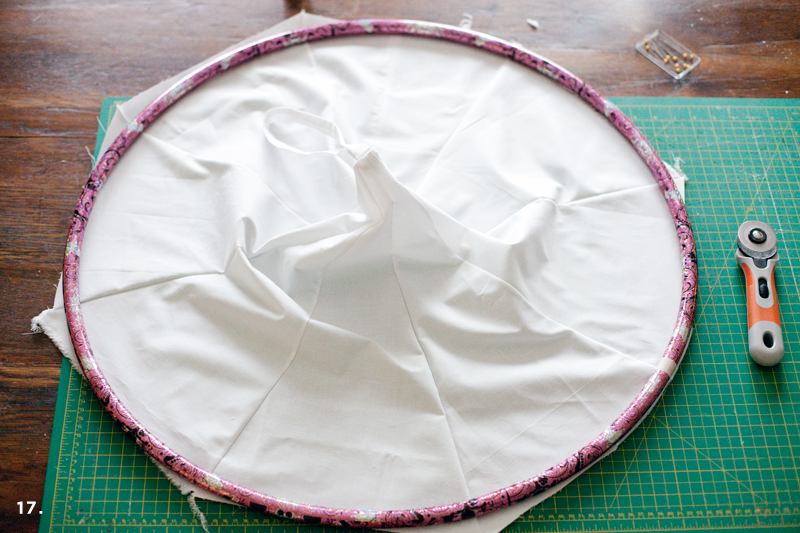
Fabric attachment is where the magic truly begins to take shape. There are several effective methods for securing your fabric to the hula hoop. The simplest is to drape the fabric over the hoop and then secure it to the hoop itself using clips, safety pins, or even fabric glue. For a more polished look, consider sewing a channel or casing along the top edge of your fabric that the hoop can slide through. This creates a clean, seamless finish. Another popular method involves using grommets. Punch grommets along the top edge of your fabric and then use zip ties or cord to attach them to the hula hoop. This method provides a secure and adjustable attachment point. For a more whimsical touch, you can tie fabric strips or ribbons around the hoop and then attach the fabric to these ties. When securing the fabric, ensure it is taut enough to create a smooth drape but not so tight that it distorts the hoop’s shape. Consider how the fabric will fall to the ground. You can leave it pooling elegantly or trim it to a specific length. If your fabric is lightweight and prone to blowing, you might need to weigh down the bottom edges with decorative stones, sandbags, or even by sewing small pockets into the hem to hold weights. The overlap of your fabric panels is also important. Ensure there is sufficient overlap to prevent gaps and provide a sense of enclosure. If you’re using multiple fabric panels, consider how they will meet and join. A simple overlap and secure with clips or pins is effective, or you can sew them together for a more permanent connection. For a more intricate design, you could create a seam that mimics the flow of the tent’s structure.
Once your hula hoop tent is structurally sound, the fun of decoration can commence. The possibilities are endless, limited only by your imagination and the desired aesthetic. For a whimsical, fairy-tale ambiance, consider stringing fairy lights or LED strip lights around the hoop and along the fabric. This will transform your tent into a magical wonderland, especially after dusk. Hanging lanterns, either paper or solar-powered, can add a soft, ambient glow. Fabric scraps, ribbons, and streamers can be tied to the hoop or draped from the fabric to add color and texture. Consider incorporating natural elements like faux vines, leaves, or even dried flowers for a more bohemian or natural feel. For a children’s tent, consider adding playful elements like pom-poms, colorful tassels, or even a small chalkboard for drawing. If your tent is intended for reading or relaxation, plush cushions, soft blankets, and throw pillows will enhance its comfort and inviting appeal. Consider the theme of your event or the desired mood. A beach-themed tent might incorporate seashells, netting, and blue and white fabrics. A woodland-themed tent could feature green and brown hues, faux moss, and birdhouses. For a more sophisticated look, consider elegant draping, subtle embellishments, and coordinating colors. Think about the scale of your decorations relative to the tent. Over-decorating can make the space feel cluttered, while under-decorating might leave it feeling bare. Balance is key. The placement of decorations is also important. Consider how they will interact with the light and create visual interest. For example, hanging decorations at different heights can create a dynamic and engaging display. Remember to secure all decorations firmly to prevent them from falling and causing any hazards, especially if children will be using the tent.
For an even more robust and permanent hula hoop tent, consider incorporating additional support structures. A simple frame made from PVC pipes or even wood can provide a more stable base and allow for larger or more complex designs. You can construct a basic circular frame from PVC and then attach your hula hoop to this frame. This also allows for greater height and width without relying solely on a central pole. Another option is to build a geodesic dome-like structure using multiple hula hoops interconnected with connectors. This requires a more advanced understanding of geometry and construction but results in a remarkably sturdy and visually striking tent. For outdoor use, especially in windy areas, anchoring the tent securely is crucial. Use ground stakes, heavy-duty weights, or even concrete anchors to ensure your tent remains in place. If you are attaching your tent to a tree or other permanent structure, ensure that the attachment points are strong and won’t damage the host structure. For a more integrated approach, consider building a wooden frame that the hula hoop tent can be suspended from or attached to. This could be a freestanding structure or part of a larger garden feature like a pergola. When considering these more advanced structures, think about the materials you are using. For outdoor use, choose weather-resistant materials that will withstand the elements. Consider the weight of your chosen materials; a heavier frame will require more substantial anchoring. The assembly process for these more complex structures may require specialized tools or assistance. Always prioritize safety during construction and ensure all connections are secure and stable.
When it comes to SEO optimization for your hula hoop tent tutorial, several keywords and phrases are crucial. Naturally, "hula hoop tent" is the primary keyword. Related terms include "DIY tent," "outdoor playhouse," "backyard fort," "fabric tent," "DIY canopy," "children’s tent," and "garden play structure." Incorporating long-tail keywords like "how to make a hula hoop tent," "easy hula hoop tent tutorial," or "whimsical outdoor tent ideas" will attract users with specific search intent. Use these keywords naturally throughout your content, particularly in headings, subheadings, image alt text, and the introduction and conclusion. High-quality images and videos demonstrating each step of the construction process are essential for user engagement and can also improve SEO by increasing time on page. Ensure your images are optimized with descriptive alt text containing relevant keywords. The structure of your article is also important for SEO. Use clear headings (H1, H2, H3) to break up the content and make it easily scannable for both users and search engines. A logical flow, moving from materials to construction to decoration, will enhance readability and user experience. Providing a detailed materials list with specific quantities and types of items will be highly beneficial for users and can also be indexed by search engines. Including estimated costs or budget-friendly tips can also attract a wider audience. Furthermore, encourage user interaction by asking questions in your content or suggesting variations and creative modifications, fostering a community around your tutorial. Finally, consider creating a printable version of your tutorial or offering downloadable plans for more complex designs, further enhancing user value and shareability. By focusing on clear, comprehensive instructions and integrating relevant keywords, your hula hoop tent tutorial can achieve high search engine rankings and become a valuable resource for DIY enthusiasts.
