As the global community grapples with the accelerating impacts of climate change, a paradigm shift is occurring within the halls of international policy and environmental science. For decades, the preservation of the world’s most biodiverse regions was often attributed to their "remoteness" or a lack of human presence. However, a landmark study by Conservation International, supported by a growing body of peer-reviewed research, is debunking this myth. The findings reveal that the extraordinary health of Indigenous-managed lands is not an accident of geography but the direct result of millennial-old stewardship, traditional knowledge, and active community protocols. Despite this, Indigenous leaders continue to face a paradox: they are recognized as the world’s most effective conservationists yet remain largely excluded from climate negotiations and denied access to the very funding meant to protect the planet.
The Myth of Remoteness and the Reality of Stewardship
A central finding of the recent research, led by Sushma Shrestha—an Indigenous Newar from Nepal and a senior scientist at Conservation International—is the dismantling of the "wilderness" misconception. For years, global climate discussions have operated under the assumption that Indigenous lands remain rich in biodiversity because they are sparsely populated or disconnected from the modern world. The study, which interviewed 49 Indigenous leaders across six continents, argues the opposite: these ecosystems thrive because of the people who inhabit them.
"All of humanity relies on everything that Indigenous peoples have to contribute and offer in terms of their lands, in terms of carbon storage, in terms of biodiversity conservation," Shrestha stated. The research underscores that the high carbon-sequestration capacity of these lands—essential for meeting the Paris Agreement’s goal of limiting global warming to 1.5 degrees Celsius—is maintained through intentional practices. These include seasonal hunting restrictions, the protection of sacred sites, and community-led monitoring of forest health.
The study found that 96 percent of the surveyed communities have designated specific areas for "special uses," such as spiritual practices or ancestral burial grounds. These areas, while culturally significant, serve a dual purpose as high-integrity conservation zones where logging, hunting, and farming are strictly prohibited or limited. This traditional management creates a patchwork of protected corridors that are often more resilient than state-managed national parks.
A Chronology of Recognition and Marginalization
The struggle for the recognition of Indigenous climate contributions has followed a long and arduous timeline. While Indigenous peoples have managed these territories for millennia, their formal entry into the global climate discourse is relatively recent.
- 2007: The UN Declaration on the Rights of Indigenous Peoples (UNDRIP). This established a universal framework of minimum standards for the survival, dignity, and well-being of Indigenous peoples, including rights to land and resources.
- 2015: The Paris Agreement. For the first time, an international climate treaty explicitly recognized the role of Indigenous knowledge in climate adaptation.
- 2021: COP26 Glasgow Pledge. A historic $1.7 billion pledge was made by governments and philanthropies to support Indigenous and local community land tenure. However, subsequent reports have shown that less than 1 percent of global climate finance actually reaches Indigenous organizations directly.
- 2024: Conservation International Study. The latest research provides the empirical evidence needed to move from "recognition" to "action," proving that Indigenous-led conservation is more effective than top-down models.
Despite this timeline of progress, the implementation of these rights remains inconsistent. Indigenous territories are frequently targeted for "green energy" projects, such as lithium mining for electric vehicle batteries or large-scale hydroelectric dams, often without the Free, Prior, and Informed Consent (FPIC) of the inhabitants.
Data-Driven Evidence of Conservation Success
The effectiveness of Indigenous management is increasingly backed by hard data. According to the United Nations and the Intergovernmental Science-Policy Platform on Biodiversity and Ecosystem Services (IPBES), Indigenous peoples represent only about 5 percent of the global population but protect approximately 80 percent of the world’s remaining biodiversity. Furthermore, at least 22 percent of the carbon stored in tropical and subtropical forests is found in territories managed by Indigenous peoples and local communities.
The Conservation International study highlights specific examples of how traditional protocols translate into environmental protection:
- The Kichwa People (Ecuador): By restricting the hunting of female tapirs and other keystone species, the Kichwa ensure the stability of the local food chain and the continued dispersal of seeds that maintain forest density.
- The Tacana People (Bolivia): Their refusal to clear trees along riverbanks prevents soil erosion and maintains water quality, protecting both local fisheries and downstream ecosystems.
- Community Monitoring: Respondents from Mexico to the Philippines reported using "community patrols" to prevent illegal logging and mining. These grassroots efforts often fill the vacuum left by inadequate state enforcement.
However, the study also reveals a grim reality: 100 percent of the 43 surveyed communities reported experiencing the adverse effects of climate change, such as unprecedented droughts and extreme weather. Additionally, 61 percent cited extractive industries—including commercial logging and industrial mining—as a direct threat to their survival and their ability to steward the land.
The Funding Gap and the Call for Legal Autonomy
One of the most significant hurdles identified by researchers and Indigenous leaders is the lack of direct financial support. While billions of dollars are channeled into global climate funds, the bureaucratic hurdles required to access these resources often exclude Indigenous grassroots organizations.
Hindou Oumarou Ibrahim, an Indigenous Mbororo from Chad and former chair of the United Nations Permanent Forum on Indigenous Issues, emphasized this in her forward to the report. "Indigenous Peoples’ Knowledge cannot exist without Indigenous Peoples or without the ecosystems where we live," she wrote. "To protect our knowledge, there is an urgent need to recognize us, and our rights and lands must be secured."
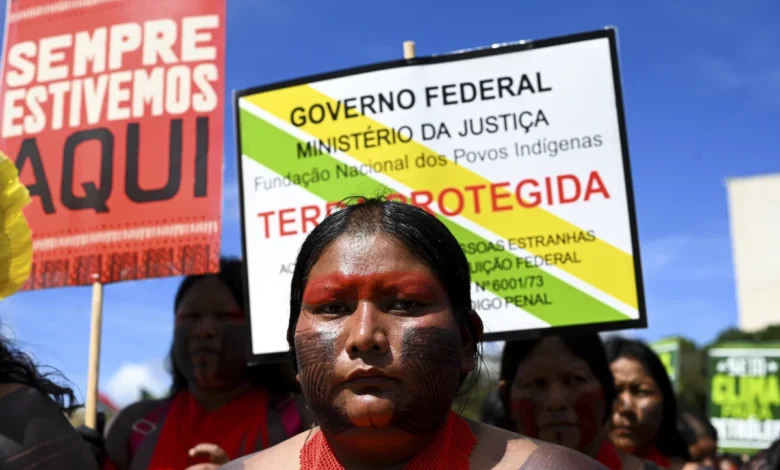
The demand from Indigenous leaders is clear: they are not seeking "charity" but rather the legal recognition of their land titles and the resources to defend those titles in court. In many jurisdictions, Indigenous land is classified as "state land," making it vulnerable to government-sanctioned concessions for mining or industrial agriculture. Securing land rights is now viewed by climate scientists as one of the most cost-effective ways to prevent deforestation and carbon emissions.
Analysis: The Strategic Importance of Indigenous Autonomy
The implications of this research extend far beyond social justice; they are central to global security and economic stability. As the world faces a "triple planetary crisis" of climate change, biodiversity loss, and pollution, the Indigenous model offers a blueprint for sustainable living that the industrialized world has yet to master.
From an analytical perspective, the "Indigenous model" of conservation is more resilient because it is based on a relationship of reciprocity rather than extraction. While Western conservation has historically relied on "fortress conservation"—fencing off nature from humans—Indigenous stewardship integrates human activity into the ecosystem. This integration ensures that the people living on the land have a vested interest in its long-term health.
However, the study also warns that if the current trends of land encroachment and climate-driven displacement continue, the world risks losing not just the forests, but the "living libraries" of knowledge required to manage them. When a community is displaced by a mine or a flood, the traditional ecological knowledge (TEK) associated with that specific landscape is often lost within a generation.
Official Responses and the Path to COP30
As the world looks toward COP30 in Brazil—a nation with a significant Indigenous population and a history of intense land rights struggles—the pressure is mounting on world leaders to move beyond rhetoric.
Sushma Shrestha and her team argue that the "all hands on deck" moment for the planet requires a fundamental re-evaluation of who sits at the negotiating table. "Indigenous peoples have been doing this on their own for a very long time," Shrestha noted. The research suggests that the most effective climate "technology" may not be a new carbon-capture machine, but the ancient practices of community monitoring and sacred-site protection.
The report concludes with a call for three specific policy shifts:
- Direct Financing: Establishing mechanisms that allow climate funds to flow directly to Indigenous-led organizations without being diluted by international intermediaries.
- Legal Protections: Strengthening national laws to recognize Indigenous land titles and enforcing human rights standards against extractive industries.
- Integration of Knowledge: Including Indigenous experts in the design of national climate adaptation plans, rather than treating them as "consultants" after the plans are already drafted.
The voices reflected in this research serve as a reminder that the fight against climate change is not just a technical challenge, but a cultural and legal one. By securing the rights of those who have successfully managed the Earth’s most vital organs for centuries, the global community may find its most reliable path toward a stable and biodiverse future. As Ibrahim aptly summarized, the goal is to "honor our grandparents and our children that are yet to come" by ensuring that Indigenous knowledge is allowed to flourish in the very ecosystems that birthed it.