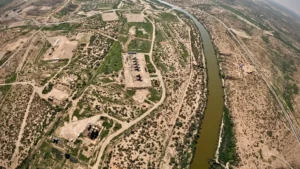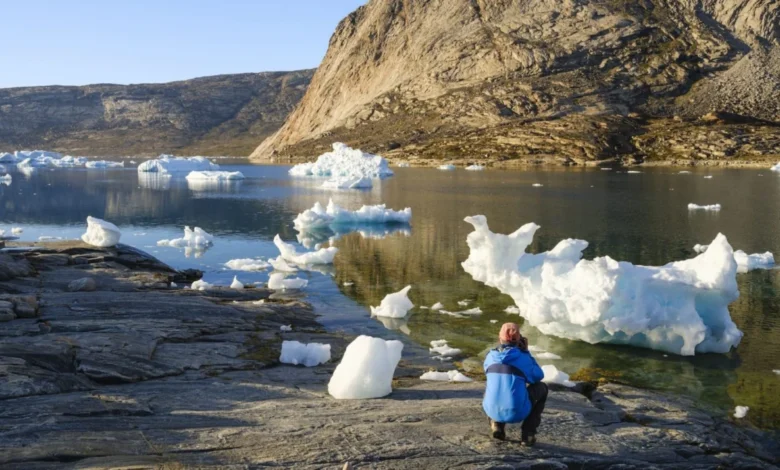
In a significant reversal of federal policy, the National Science Foundation (NSF) has announced it will halt the dismantling of critical oceanographic sensors following intense bipartisan pressure from the United States Senate. The decision marks a pivotal moment in the ongoing tension between the executive branch’s efforts to reduce climate-related research spending and the legislative branch’s commitment to maintaining long-term environmental data sets. The sensors, which form part of the Ocean Observatories Initiative (OOI), were slated for removal from the Pacific Northwest, the coast of North Carolina, and the Irminger Sea south of Greenland. Under the new directive, the NSF will not only cease the decommissioning of these instruments but will also begin the process of reinstalling equipment that had already been removed from the water.
The attempt to downsize the OOI is part of a broader administrative strategy to pivot federal resources away from climate-centric planetary dynamics. However, the move triggered immediate backlash from a coalition of lawmakers who argued that the loss of this data would be catastrophic for coastal economies, maritime safety, and global climate modeling. Senator Jeff Merkley, a Democrat from Oregon, and Senator Lisa Murkowski, a Republican from Alaska, spearheaded the legislative pushback, successfully passing a measure that blocked the agency from further dismantling the network. Senator Merkley characterized the original plan as an act of "supreme stupidity," emphasizing that the OOI provides essential data utilized by scientists, commercial fishermen, and coastal planners to navigate the increasingly volatile conditions of the world’s oceans.
The Ocean Observatories Initiative: A Pillar of Marine Science
The Ocean Observatories Initiative, launched in 2016, represents one of the most ambitious technological investments in the history of marine science. Unlike traditional research expeditions that provide "snapshots" of ocean conditions, the OOI provides a continuous, real-time presence in the deep sea. The network consists of seven primary arrays featuring over 800 sensors. These instruments measure a staggering array of variables, including water temperature, salinity, pH levels, dissolved oxygen, and seismic activity.
The geographic distribution of these sensors is strategic. The arrays in the Pacific Northwest monitor the Cascadia Subduction Zone and the nutrient-rich waters vital to the regional salmon and shellfish industries. The sensors in the North Atlantic, particularly those in the Irminger Sea, are situated in a region known as the "lungs of the ocean," where cold, dense water sinks to the deep sea, driving global circulation patterns. By providing a 24/7 stream of data via satellite and undersea fiber-optic cables, the OOI allows researchers to observe transient events—such as underwater volcanic eruptions or sudden methane releases—that would be impossible to capture through intermittent ship-based surveys.
Despite its utility, the OOI has frequently found itself in the crosshairs of budget cuts. The program was previously targeted during the 2018 fiscal cycle and again in proposed budgets for 2025 and 2026. While the program is currently slated to operate for at least another decade following this latest reprieve, the repeated attempts to defund it have created a climate of uncertainty within the scientific community.
Chronology of the Funding Crisis and Legislative Response
The timeline of the OOI’s recent near-collapse illustrates the volatile nature of modern scientific funding. In early 2024, the Trump administration signaled a sharp reduction in geosciences funding, specifically targeting the OOI as a "multimillion-dollar" expenditure that could be scaled back to meet new fiscal priorities. By mid-year, the NSF had begun the logistical process of withdrawing instruments from the Irminger Sea and the North Carolina shelf.
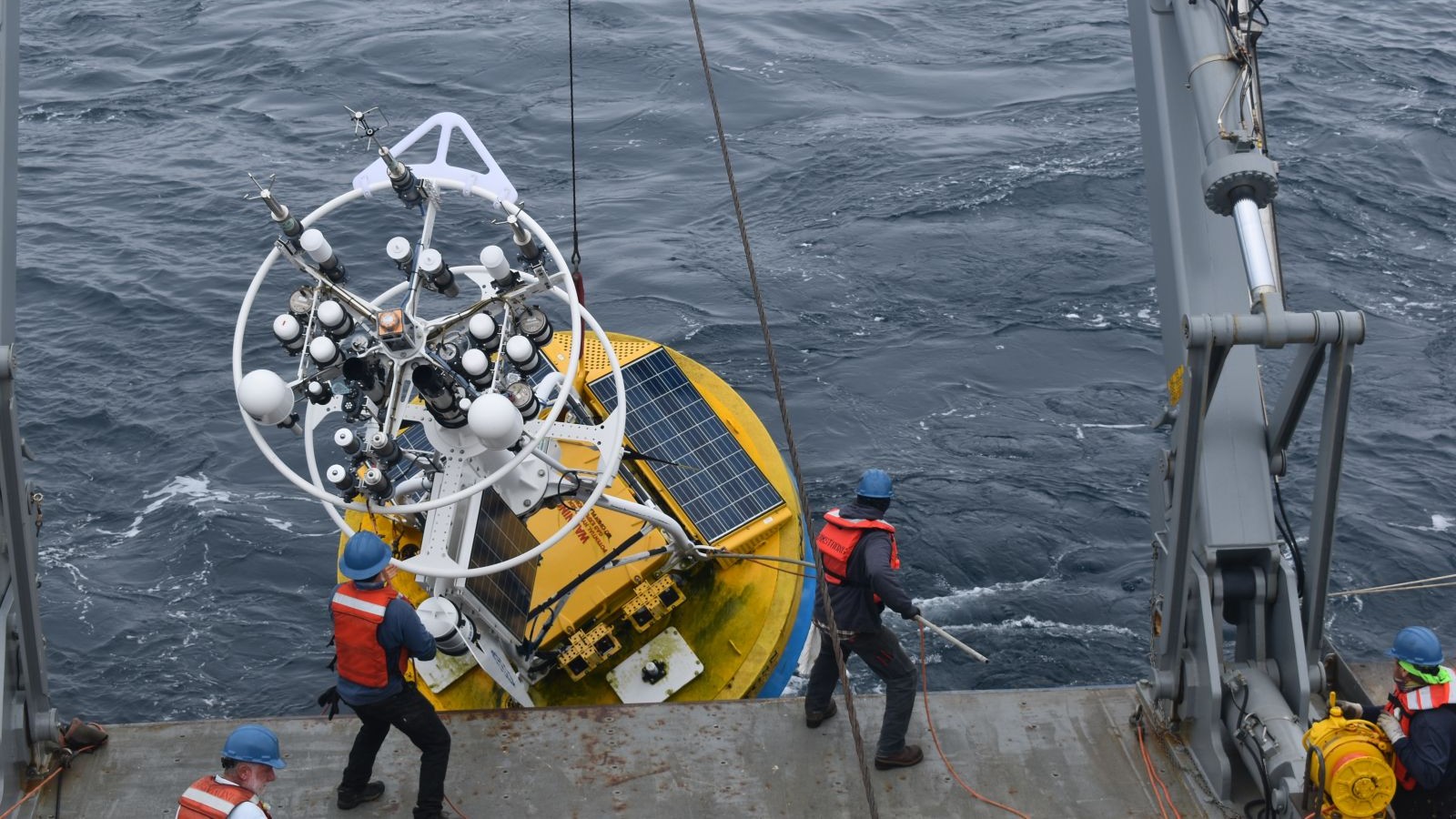
The response from the scientific community was swift. Oceanographers argued that pulling sensors mid-study would create "data gaps" that could never be filled, effectively rendering years of prior research incomplete. In late 2024, Senators Merkley and Murkowski introduced a bipartisan amendment to the federal appropriations bill, specifically prohibiting the use of funds for the decommissioning of OOI assets. The measure passed with broad support, reflecting a rare moment of consensus in a polarized Washington. By the following week, the NSF issued an official update, confirming that it would "put the brakes" on the removal process and restore the integrity of the network.
This pattern of administrative cuts followed by legislative restoration has become a recurring theme. Similar interventions have saved the Energy Star program, which incentivizes energy-efficient consumer products, and various climate-monitoring satellite missions managed by NOAA and NASA. However, analysts warn that relying on last-minute legislative "saves" is a precarious strategy for long-term scientific endeavors.
The Looming Shadow of the Argo Program’s Funding Cliff
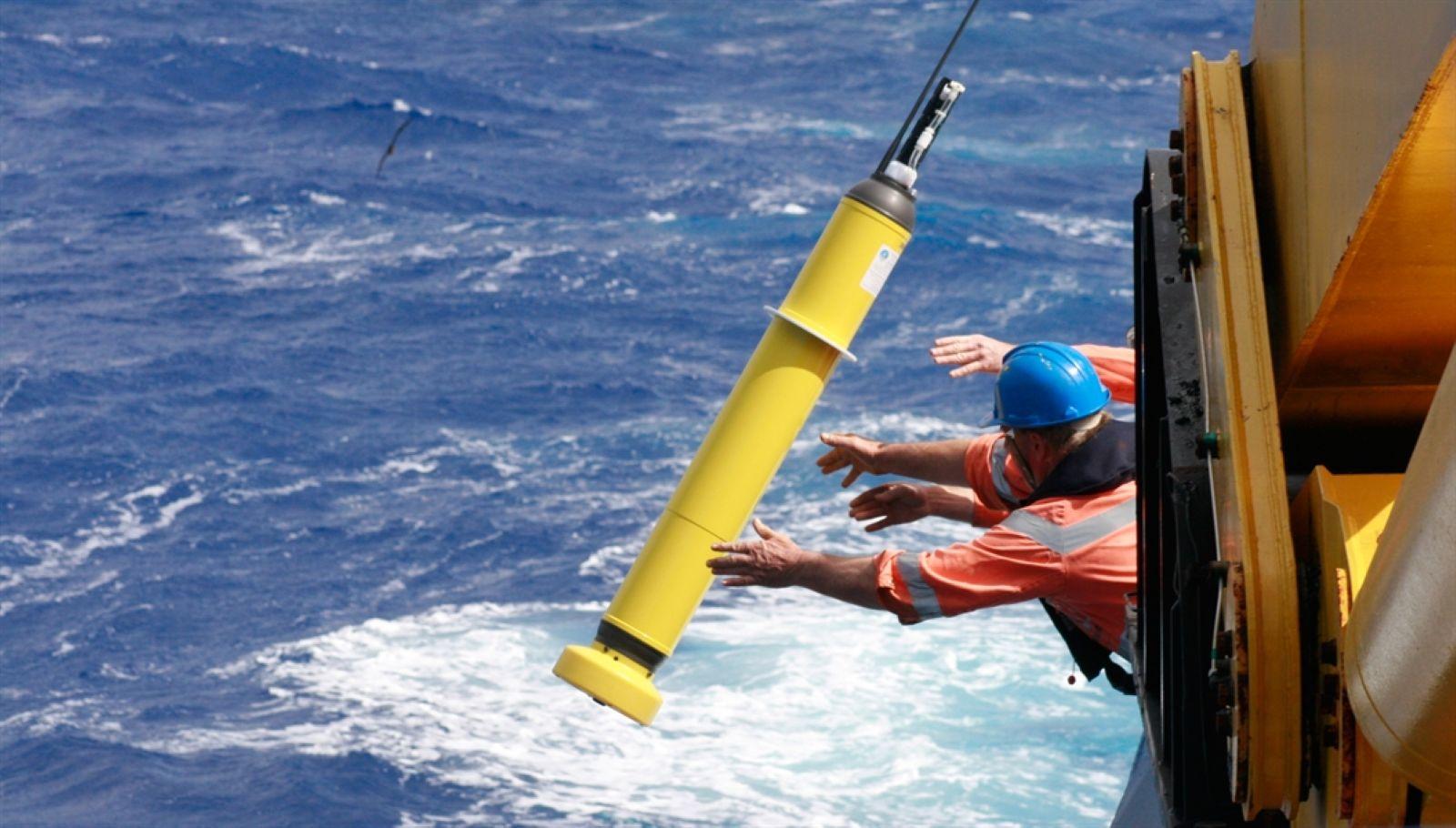
While the OOI has secured a temporary victory, other foundational ocean monitoring efforts are facing what researchers describe as a "funding cliff." Chief among these is the Argo program, an international collaboration that serves as the backbone of global oceanography. Since its inception 25 years ago, Argo has deployed a fleet of nearly 4,000 robotic floats that drift through the world’s oceans, diving to depths of 2,000 meters to collect data on temperature and salinity before surfacing to transmit the information to satellites.
The United States has historically been the leader of this initiative, contributing approximately half of the total float population. However, Lynne Talley, a professor at the Scripps Institution of Oceanography, warns that the program is at risk of "going dark." The floats are battery-powered and have a lifespan of roughly five years, necessitating a constant cycle of replacement. Current funding for the National Oceanic and Atmospheric Administration (NOAA) has remained stagnant, and the rate of new deployments is no longer keeping pace with the rate of float expiration.
The crisis is even more acute for the "Biogeochemical Argo" network, a recent expansion designed to measure ocean acidity, oxygen levels, and nitrate concentrations. This data is critical for understanding how the oceans absorb carbon dioxide and how "dead zones" are expanding. Funding for the U.S. portion of the biogeochemical network, largely provided by the NSF, expired last year. The final remaining floats are scheduled for deployment this fall, with no confirmed plan for the program’s continuation. Without these sensors, the global community will lose its primary tool for tracking the biological health of the open ocean.
Monitoring the Atlantic: The High Stakes of AMOC Research
Beyond the OOI and Argo, the scientific community is sounding the alarm over the future of two critical research programs: OSNAP (Overturning in the Subpolar North Atlantic Program) and RAPID. These initiatives are dedicated to studying the Atlantic Meridional Overturning Circulation (AMOC), a massive system of currents often referred to as the "Great Ocean Conveyor Belt."
The AMOC plays a fundamental role in the Earth’s climate by transporting warm tropical water to the North Atlantic. This heat release is what maintains the relatively mild climates of Western Europe and the British Isles. Scientific models suggest that an influx of freshwater from melting Arctic ice could "shut off" this circulation, leading to catastrophic cooling in Europe, accelerated sea-level rise along the U.S. Eastern Seaboard, and shifts in global rainfall patterns.
Susan Lozier, an oceanographer and dean at Georgia Tech, co-leads OSNAP and notes that the program’s funding is on course to expire after next year. Despite submitting a proposal for renewal to the NSF over a year ago, the program’s leaders have received no definitive answer. The uncertainty comes at a time when funding for geosciences has reportedly fallen by more than half compared to previous years. Lozier emphasizes that the AMOC is characterized by significant year-to-year variability, meaning that a multi-year gap in observations would make it impossible to determine if the system is approaching a tipping point or simply undergoing a natural fluctuation.
Economic and Strategic Implications of Data Loss
The debate over ocean monitoring is often framed as a purely scientific or environmental issue, but the implications extend deep into the U.S. economy and national security. The data provided by OOI, Argo, and AMOC research is integrated into weather forecasting models used by the shipping industry, the insurance sector, and the military.
For example, the OOI’s Endurance Array off the coast of Oregon provides critical data on hypoxia (low oxygen) events. When these events occur, they can devastate the Dungeness crab fishery, which is worth hundreds of millions of dollars to the regional economy. Early warning systems powered by OOI data allow fishermen to move their traps and avoid total losses. Similarly, understanding AMOC trends is essential for coastal cities like Miami and Norfolk, where long-term infrastructure planning depends on accurate sea-level rise projections.
Furthermore, there is a strategic dimension to oceanographic leadership. For decades, the United States has been the primary driver of global marine science. As U.S. funding wavers, other nations and regional blocs, such as the European Union and China, are increasing their investments. Researchers like Lynne Talley warn that the U.S. is "losing ground," potentially ceding its influence over international maritime standards and environmental policy.
A Generational Challenge: Rebuilding vs. Maintaining Capability
The recent reversal regarding the OOI has provided a glimmer of hope for the scientific community, but the underlying anxiety remains. Oceanographers like Jaime Palter of the University of Rhode Island point out that the infrastructure required for deep-sea research is not easily replaced. The ships, specialized sensors, and technical expertise required to maintain these networks take decades to develop.
"Destroying those capabilities can happen swiftly," Palter noted, reflecting on the speed with which the dismantling was initially ordered. "Rebuilding would be the work of a generation."
The consensus among experts is that the "stop-and-start" nature of current federal science funding is fundamentally incompatible with the long-term requirements of climate research. While bipartisan legislative action has proven to be an effective "emergency brake," the long-term survival of the U.S. ocean monitoring network likely depends on a more stable and predictable fiscal commitment. As the planet continues to warm and the oceans undergo unprecedented changes, the cost of "going dark" may far exceed the price of maintaining the sensors currently in the water. For now, the OOI remains operational, but the scientific community remains on "pins and needles," watching the horizon for the next potential funding storm.