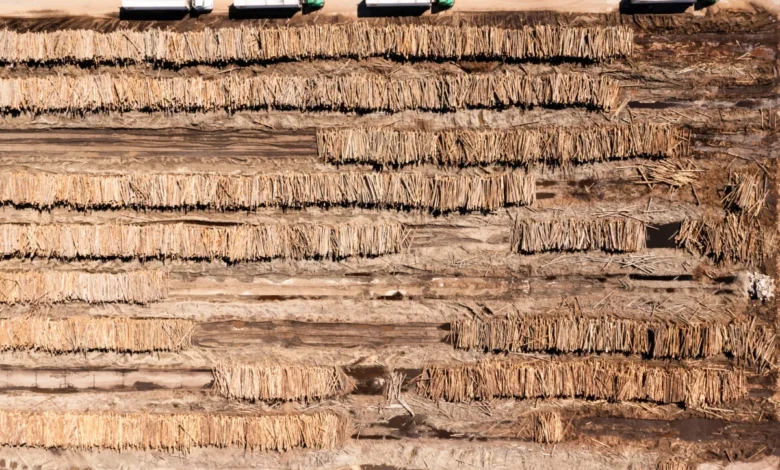
The quiet rural landscape of Faison, North Carolina, once defined by its agricultural heritage, has become the center of a profound environmental and social conflict. When Enviva Biomass, the world’s largest producer of wood pellets, established what it described as a "state-of-the-art" facility in the region, local residents were promised economic revitalization and a clean-energy future. However, for Ruby Bell, a retired educator and lifelong resident, the reality arrived not in the form of prosperity, but as a fine layer of dust that coated her home and irritated her lungs. Her experience is far from isolated; it represents a growing friction between international climate policies and the localized environmental justice concerns of the American South.
The transformation of Faison began in earnest more than a decade ago, but the physical toll on the community became undeniable to Bell during an afternoon spent canvassing her neighbors. After only 20 minutes of sitting outdoors to discuss the facility’s impact, Bell returned home to find her eyes burning, her nose running, and her clothing covered in industrial residue. "If it’s like this after 20 minutes, I can only imagine what it’s like for those people living there," she remarked, highlighting a sentiment of shared grievance that has catalyzed a new wave of grassroots activism in the state.
The Global Catalyst: European Climate Policy and the Biomass Boom
The proliferation of wood pellet facilities across the Southeastern United States is not a localized phenomenon but a direct consequence of international energy mandates. In the late 2000s, the European Commission implemented a series of ambitious climate and energy policies known as the "20-20-20" targets. These mandates required European Union member states to achieve a 20% reduction in greenhouse gas emissions, a 20% increase in renewable energy consumption, and a 20% improvement in energy efficiency by the year 2020.
Under these frameworks, biomass—specifically wood pellets—was classified as a "carbon-neutral" energy source. This classification was based on the premise that the carbon dioxide emitted during the combustion of wood is eventually reabsorbed by new forest growth, creating a closed biogenic carbon cycle. Consequently, European power utilities began converting coal-fired plants to biomass, creating a massive, subsidized demand for wood pellets.
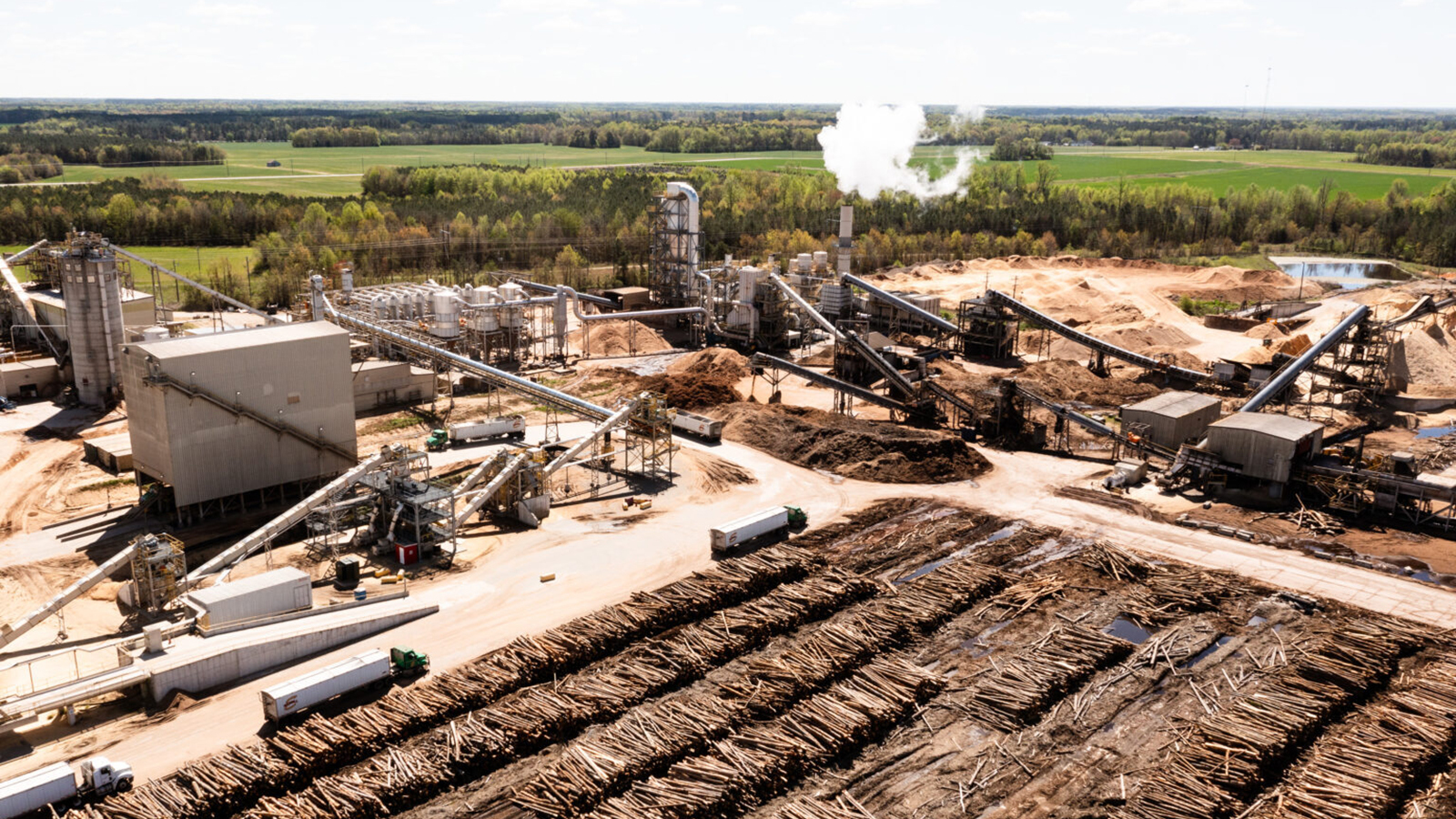
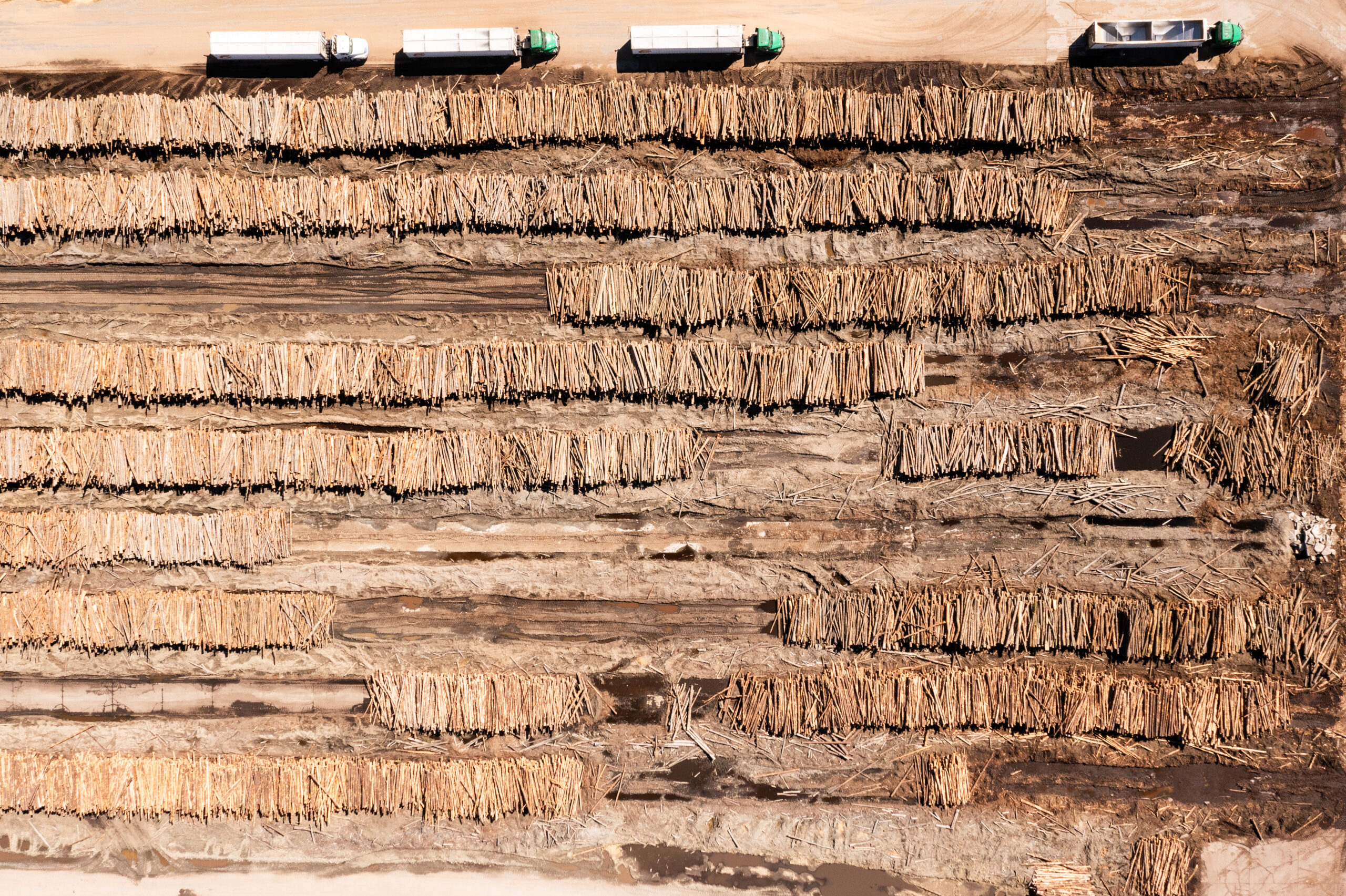
The American South, with its vast private timberlands and established forestry infrastructure, became the primary supplier for this burgeoning market. According to the non-profit Dogwood Alliance, Enviva’s facilities in North Carolina alone are estimated to consume approximately 50,000 acres of forest annually. While the industry provides energy for overseas markets in the United Kingdom, the European Union, and Japan, the environmental and social costs are borne entirely by the communities where the wood is harvested and processed.
Scientific Contradictions: The Carbon Debt Argument
While the biomass industry markets itself as a solution to climate change, a growing body of scientific research challenges the "carbon-neutral" label. Researchers from the Massachusetts Institute of Technology (MIT) and other institutions have calculated that burning wood pellets can actually emit more carbon dioxide per unit of energy produced than coal. The central issue is the "carbon debt" created when mature, carbon-sequestering forests are harvested.
Even if new trees are planted to replace those cut down for pellet production, it can take between 40 and 100 years for a young forest to absorb the equivalent amount of carbon that was released during the harvest and combustion process. In the context of urgent global climate targets, critics argue that this century-long delay is a luxury the planet cannot afford. Furthermore, the loss of mature forests reduces the region’s natural resilience against flooding—a significant concern in North Carolina, which has faced increasingly severe hurricane seasons in recent years.
Enviva has consistently maintained that its operations utilize "low-value" wood, such as tree limbs, tops, and leftovers from timber harvests that would otherwise go to waste. However, environmental organizations including the Southern Environmental Law Center (SELC) and Dogwood Alliance have provided photographic and satellite evidence to the contrary. Their investigations have documented the clear-cutting of hardwood forests and the delivery of whole, mature tree trunks to pellet mills, suggesting that the industry’s demand exceeds what "waste wood" can provide.
Environmental Justice and Vulnerable Communities
The struggle in Faison drew the attention of Sherri White-Williamson, whose career path took a dramatic turn in response to the industrialization of rural North Carolina. After decades of service in federal agencies in Washington, D.C., White-Williamson returned to her home state to confront what she perceived as a systemic failure to protect vulnerable populations from industrial pollution. At the age of 63, she enrolled in Vermont Law School to gain the legal expertise necessary to challenge industrial giants.

Upon graduating, she founded the Environmental Justice Community Action Network (EJCAN). The organization focuses on empowering rural residents to advocate for their own health and environment. White-Williamson’s work highlights a troubling pattern: data suggests that wood-pellet facilities are 50% more likely to be located in communities that are already disproportionately burdened by poverty and existing industrial pollution.
In Sampson County, where Faison is located, residents already contend with the environmental impacts of industrial hog farms and one of the state’s largest landfills. The addition of a wood pellet facility represents an "environmental burden" that many feel has reached a breaking point. "The story is always the same," White-Williamson says. "The community that doesn’t have the power or the access to power… is always getting the short end of the stick."
Health Implications and Regulatory Oversight
The manufacturing process for wood pellets is an intensive industrial operation. Trees are chipped, dried in massive kilns, and pressed into pellets under high heat and pressure. This process releases a complex mixture of pollutants, including:
- Particulate Matter (PM): Fine dust that can penetrate deep into the lungs and enter the bloodstream.
- Volatile Organic Compounds (VOCs): Chemicals that contribute to smog and can cause long-term respiratory and neurological issues.
- Carbon Monoxide and Nitrogen Oxide: Byproducts of the drying and combustion processes.
Danielle Purifoy, a professor of geography and environment at the UNC Gillings School of Public Health, notes that these pollutants have measurable impacts on respiratory systems, particularly for individuals with pre-existing conditions like asthma. The constant presence of industrial dust necessitates that residents frequently wash their homes and vehicles, and in extreme cases, some residents report wearing masks inside their own houses to find relief.
Despite these concerns, regulatory oversight has been a point of contention. While the Faison facility has received citations for exceeding toxin emission limits, the North Carolina Department of Environmental Quality (DEQ) granted a request in 2019 to expand the plant’s production capacity. This decision was made despite vocal community opposition and documented violations, leading to a sense of betrayal among local advocates who feel the state government prioritizes corporate expansion over public health.
Quantifying the Impact: The SELC Quality-of-Life Report
To move beyond anecdotal evidence, the Southern Environmental Law Center recently coordinated a survey of residents living near biomass facilities. The resulting report provided a quantitative look at the daily disruptions caused by the industry. The findings were stark:
- Noise and Traffic: Residents reported a near-constant drone from the facilities and a significant increase in heavy truck traffic, which degrades local roads and poses safety risks.
- Property Enjoyment: Many respondents stated they no longer feel comfortable sitting on their porches or gardening due to air quality and noise.
- Economic Disparity: While Enviva promised hundreds of well-paying jobs, local advocates argue that the positions often go to outside contractors or fail to provide the long-term economic stability originally advertised.
Jasmine Washington, an SELC staff attorney, emphasized that the survey confirms what residents have known for years. The biomass industry, she argues, does "incredible amounts of harm" to communities of color and lower-wealth communities, further entrenching cycles of environmental injustice.
The Path Forward: Advocacy and Accountability
The work of EJCAN and other grassroots organizations is focused on shifting the power dynamic. By providing residents with tools for air and water monitoring, scientific research, and legal resources, they are building a collective voice that is becoming harder for decision-makers to ignore.
The conflict in North Carolina serves as a cautionary tale for the global energy transition. As nations race to meet carbon reduction goals, the Sampson County experience suggests that "green" energy labels must be scrutinized for their local impacts. For Ruby Bell and Sherri White-Williamson, the goal is not merely to stop one facility, but to ensure that the transition to a sustainable future does not sacrifice the health and dignity of rural communities.
As the biomass industry continues to face financial volatility and increasing scrutiny from international scientists, the residents of Faison remain on the front lines. Their struggle is a reminder that true environmental justice requires more than just a reduction in carbon numbers—it requires a commitment to the people who live in the shadow of the world’s energy solutions. Through education and organized advocacy, the Environmental Justice Community Action Network continues to hold polluters accountable, seeking a future where the air is clear, the forests are preserved, and the community’s voice carries as much weight as a corporate permit application.