The crisis on the Colorado River is a fundamental math problem with catastrophic consequences: the seven Western states that rely on this essential waterway are collectively consuming significantly more water than the river provides. Decades of chronic overuse, exacerbated by a relentless twenty-year megadrought, have drained the river’s two primary reservoirs, Lake Powell and Lake Mead, to historically low levels. This decline has pushed the entire water management system to the precipice of a functional collapse that would threaten the water security of 40 million people and five million acres of agricultural land across the American West.
For years, the idealized solution to this systemic imbalance has been a comprehensive agreement among the basin states to drastically reduce consumption. Such a deal would necessitate painful, transformative decisions: which major metropolitan areas must ban the irrigation of lawns and the washing of vehicles, and which agricultural sectors must permanently retire their fields. However, reaching a consensus on these cuts has proven to be a diplomatic impossibility. Since the onset of the last severe dry spell in 2022, negotiations have been characterized by frustration, legal threats, and mutual recrimination.
The primary point of contention remains a sharp divide between the Upper Basin states—Colorado, Utah, Wyoming, and New Mexico—and the Lower Basin states—Arizona, California, and Nevada. Each coalition maintains that the other holds the legal and moral obligation to bear the brunt of water restrictions during lean years. With the states at a stalemate, the responsibility for designing a mandatory schedule of restrictions has fallen to the federal government. As a crucial September deadline approaches for the establishment of post-2026 operational guidelines, Interior Secretary Doug Burgum has thus far hesitated to impose a unilateral settlement on the quarreling states.
In the absence of a diplomatic breakthrough, the federal government is pivoting toward a strategy that avoids political friction by leveraging massive financial investment. The Department of the Interior and Congress are currently evaluating an expansive array of infrastructure projects designed to artificially increase the water supply. This shift represents a notable departure from previous fiscal austerity, as the administration signals a willingness to fund a $50 billion "wish list" submitted by the seven state governors. This strategy aims to buy time and stability through technology and infrastructure rather than through the politically toxic path of mandated conservation.
A Century of Over-Allocation and the Path to Crisis
To understand the current impasse, it is necessary to examine the historical framework of the Colorado River. The river’s management is governed by the 1922 Colorado River Compact, a legal document that divided the river’s flow between the Upper and Lower Basins. However, the 1922 agreement was based on water flow data from an unusually wet period in the early 20th century. Experts now recognize that the "Law of the River" was built on an optimistic fallacy, allocating more water on paper than the river has historically produced.
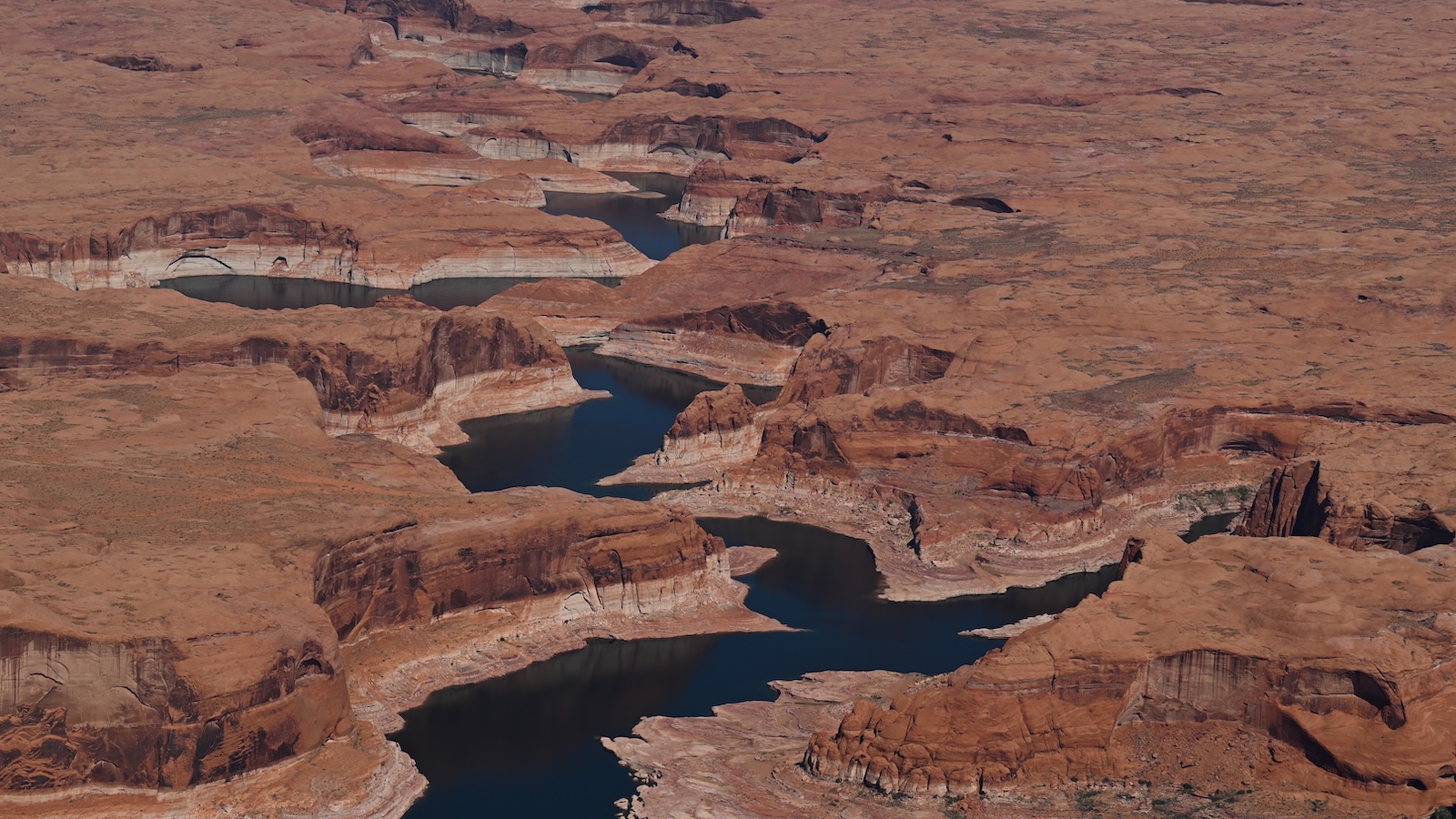
This structural deficit was manageable for decades because the basin’s population was smaller and the climate was more stable. However, the onset of a "megadrought" around the year 2000—identified by scientists as the driest 22-year period in at least 1,200 years—has stripped away the system’s margin for error. Lake Mead and Lake Powell, which serve as the "savings accounts" for the West, have dropped to roughly 30 percent of their total capacity. If levels fall much further, they will reach "dead pool" status, where water can no longer flow through the dams to provide power or downstream supply.
The Biden administration previously attempted to stabilize the system through the Inflation Reduction Act, which allocated billions of dollars to pay farmers to leave their fields fallow. While this provided temporary relief during the 2022-2023 season, those funds are nearly exhausted. The current administration’s focus has now shifted toward long-term, high-tech supply-side solutions that range from the ambitious to the experimental.
Desalination and the Search for New Sources
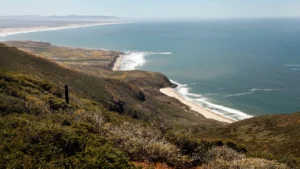
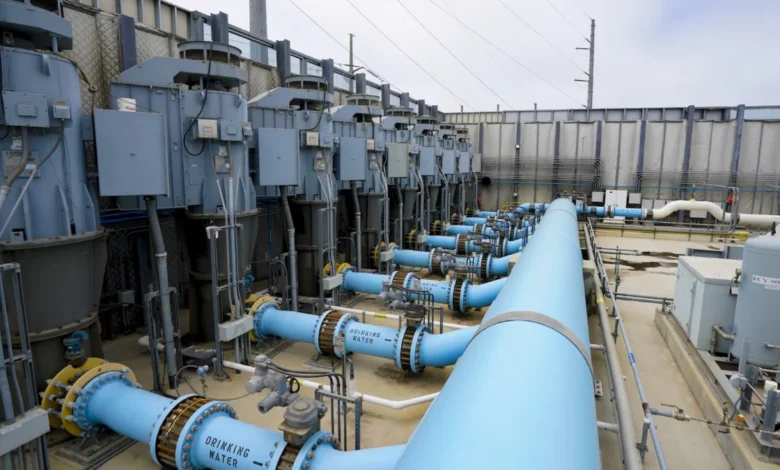
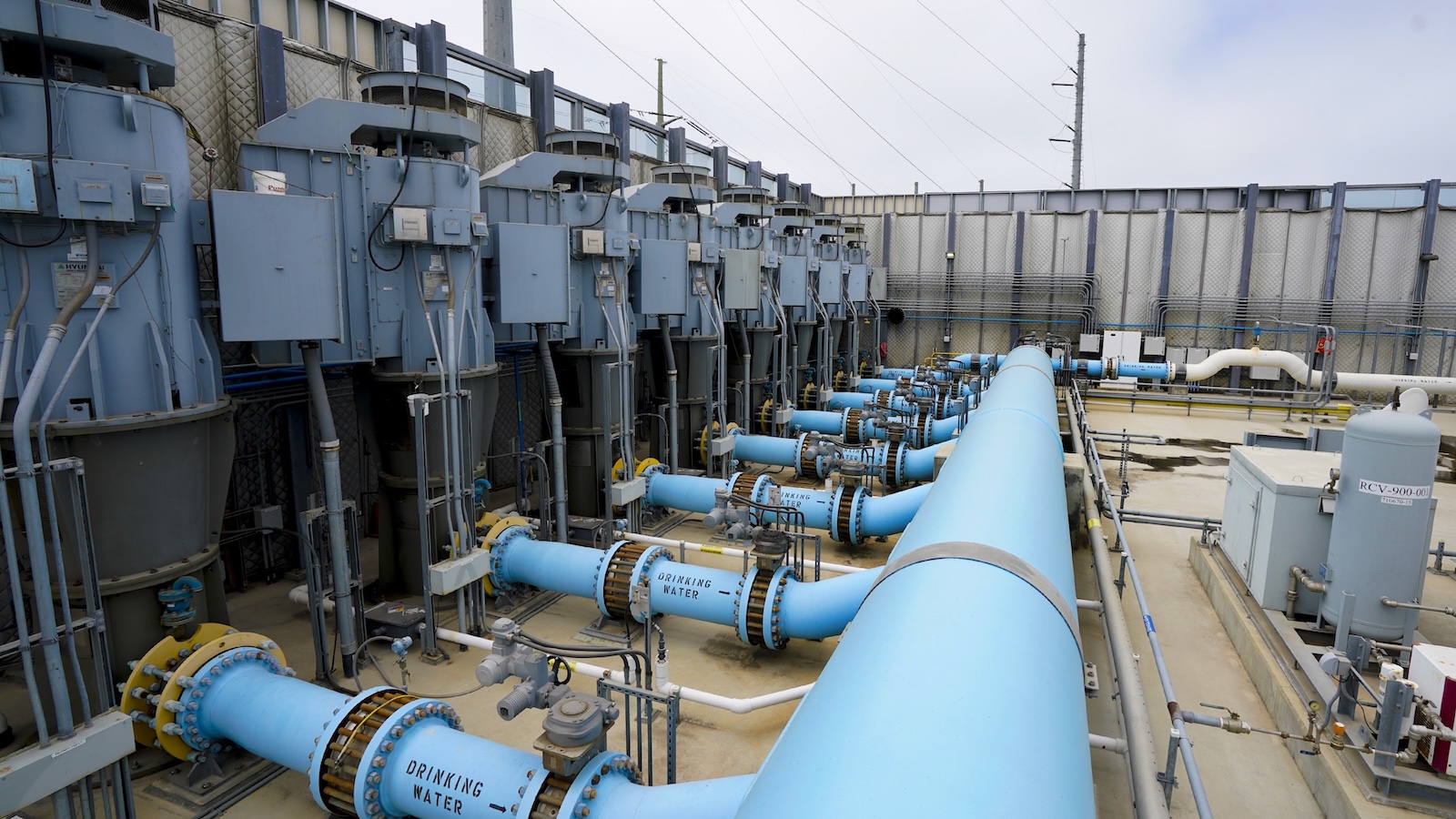
Among the most prominent proposals on the $50 billion wish list is the expansion of desalination technology. For decades, coastal cities have looked toward the Pacific Ocean as a potential solution to freshwater scarcity. The Interior Department recently signed a memorandum of understanding with San Diego’s water agency to explore a complex water exchange. Under this framework, coastal cities would utilize treated seawater from plants like the Carlsbad Desalination Plant, allowing them to reduce their draw from the Colorado River. This "freed up" river water could then be diverted to inland states like Arizona, which faces the most severe cuts under current drought protocols.
Furthermore, a $6 billion proposal is under consideration to construct a massive desalination facility in the Mexican state of Baja California. This international project would supplement Arizona’s vanishing supplies. However, desalination remains a controversial and expensive option. The technology is energy-intensive, produces a brine byproduct that can harm marine ecosystems, and results in water that is significantly more expensive per acre-foot than traditional river water. Critics also point out that San Diego’s existing facility has created a surplus of expensive water that the city is currently struggling to integrate into its billing structure.
Industrial Efficiency and the Rise of "Waterless" Tech
While agriculture accounts for nearly 80 percent of the Colorado River’s consumption, the industrial and technology sectors are coming under increased scrutiny, particularly in Nevada. The state has already implemented some of the nation’s most aggressive conservation measures, including a ban on "non-functional" turf in the Las Vegas valley. Now, state officials are seeking federal funds to tackle the "thirsty" infrastructure supporting the modern economy: power plants and data centers.
Nevada’s funding request includes $300 million to retrofit its largest natural gas power plant with "dry cooling" technology, which could save enough water to supply 3,000 homes annually. Additionally, the state seeks $650 million to install zero-water cooling systems in schools, airports, and the massive data centers required for the burgeoning artificial intelligence industry. These closed-loop systems, which use air or recycled fluids rather than evaporating millions of gallons of water to cool servers, are seen as a vital step in decoupling economic growth from water consumption.
Weather Modification: Squeezing the Clouds
In the Upper Basin states, where the river’s flow is determined by annual snowpack rather than reservoir releases, officials are turning to the sky. Cloud seeding—the process of dispersing silver iodide or salt particles into clouds to encourage precipitation—has transitioned from a fringe science to a state-funded strategy. Utah currently invests millions in these operations and estimates that they can increase annual snowpack by up to 10 percent.
The federal government is now being asked to scale these efforts. Several startups are pitching even more ambitious technologies. Florida-based Rain Enhancement and another firm, Rainmaker, claim to have developed scalable versions of weather modification that could potentially close the river’s supply gap by 2031. While many atmospheric scientists remain skeptical of the long-term efficacy and unintended consequences of large-scale weather modification, the political appeal of "making it rain" provides a tempting alternative to the political pain of "cutting the tap."
The Resurrection of the Cadiz Groundwater Project
Perhaps the most controversial project being discussed is the Cadiz groundwater proposal in California’s Mojave Desert. For nearly 30 years, the project has sought to pump water from an aquifer beneath the desert and transport it via a 300-mile pipeline to the Colorado River Aqueduct. The project has faced decades of litigation and political opposition from environmentalists and high-ranking officials like the late Senator Dianne Feinstein, who argued that mining the aquifer would destroy the fragile desert ecosystem.
Despite numerous setbacks during the Biden administration, Cadiz CEO Susan Kennedy reports that the project is gaining momentum. The company has secured a funding agreement with the Interior Department to study how the aquifer could be used in a water exchange program with the Colorado River. While the project was notably absent from the seven-state governors’ official wish list, its persistence highlights the "all-of-the-above" desperation currently gripping the region.
Analysis: The Implications of a "Funding-First" Strategy
The pivot toward a $50 billion infrastructure-led solution reflects a pragmatic, if risky, acknowledgment of political reality. Jennifer Pitt, the Colorado River program director at the National Audubon Society, notes that federal investment is often the only way to break a regional impasse. "It is something easier for people to agree on," she stated during a recent Senate committee hearing. "Just because this is a slow-moving crisis doesn’t make it any less worthy of federal disaster-level funding."
However, this strategy carries significant risks. First, there is the question of "paper water"—the risk that technological solutions will fail to produce the volumes of water promised by startups and optimistic engineering reports. Second, the sheer cost of these projects will eventually be passed on to taxpayers and water ratepayers, potentially creating a crisis of affordability in Western cities.
Finally, there is the concern that focusing on supply-side "miracles" allows states to avoid the inevitable reality of the Colorado River: it is a shrinking resource in a warming world. Climate models suggest that for every degree of Celsius warming, the river’s flow decreases by approximately 9 percent. While $50 billion in pipes, plants, and planes may provide a temporary buffer, the long-term survival of the American West will likely still depend on the one thing the states have yet to agree upon: using less water.
As the Interior Department begins the process of vetting the governors’ wish list, the coming months will determine if the Trump administration is willing to sign the check. With a September deadline looming, the basin states are betting that the federal government would rather spend billions of dollars than force a legal and economic reckoning that could reshape the West for a century.